The Benefits of In-Home Respite Care for Seniors
As our loved ones age, it becomes increasingly important to ensure their well-being and quality of life. For many families, finding the right support can be a daunting task. In-home respite care has emerged as a valuable solution, particularly for seniors who require assistance with daily living tasks. At Ability Homes, we specialize in providing compassionate home health care services to enhance the independence of our clients in Brooklyn Park, MN. In this article, we will explore the numerous benefits of in-home respite care for seniors, focusing on how personalized attention can significantly improve their quality of life.
Understanding In-Home Respite Care
In-home respite care is a service designed to provide temporary relief to family caregivers while ensuring that seniors receive the care and support they need. This type of care allows families to take a break from their caregiving responsibilities, knowing that their loved ones are in capable hands. Professional respite caregivers from Ability Homes offer a range of services tailored to meet the unique needs of each client, fostering an environment of comfort and safety.
Key Benefits of In-Home Respite Care
Choosing in-home respite care can bring a multitude of advantages to both seniors and their families. Here are some of the key benefits:
- Maintaining Independence: One of the most significant advantages of in-home respite care is that it allows seniors to remain in the comfort of their own homes. This familiarity can help them maintain a sense of independence and dignity. Staying in a familiar environment can also reduce anxiety and confusion, particularly for those suffering from cognitive impairments like dementia. For example, a senior who has lived in the same house for decades often feels more secure and relaxed when receiving care in that space, as opposed to transitioning to a facility where everything is new and potentially overwhelming.
- Personalized Attention: Professional respite caregivers provide individualized care tailored to the specific needs of each senior. This personalized approach ensures that seniors receive the attention and support they require, enhancing their overall quality of life. Caregivers can adapt their methods based on the senior's preferences and routines, whether that means assisting with medication management, helping with physical therapy exercises, or simply engaging in meaningful conversations. This level of customized care is often not possible in larger facilities where caregivers are stretched thin, and it allows for a more meaningful relationship to develop between the caregiver and the senior.
- Reduced Stress for Family Caregivers: Family members often bear the heavy burden of caregiving, which can lead to stress and burnout. In-home respite care provides essential relief, allowing caregivers to recharge and focus on their own well-being. For instance, a family caregiver might take advantage of respite services to take a short vacation or simply enjoy a quiet day to themselves, knowing their loved one is in capable hands. This break helps prevent caregiver fatigue, which can impact not only the caregiver's health but also their ability to provide effective care. The emotional support that comes from knowing a skilled professional is helping their loved one can significantly ease the mental load for family members.
- Improved Health Outcomes: Studies suggest that seniors receiving regular care and companionship experience better health outcomes. In-home respite care can help manage medications, monitor health conditions, and provide necessary assistance with daily tasks. For example, caregivers can ensure that seniors take their medications on time and recognize any changes in their health that may require further attention. By assisting with daily activities like meal preparation, caregivers can promote healthier eating habits, which is crucial for managing chronic conditions such as diabetes or heart disease. The presence of a caregiver can also encourage seniors to engage in light physical activity, which is essential for maintaining mobility and overall health.
- Enhanced Social Interaction: Isolation can be a significant issue for many seniors. In-home respite care offers opportunities for social engagement, preventing feelings of loneliness and promoting mental well-being. Caregivers can initiate activities that stimulate conversation, such as reading together, playing games, or even taking short walks in the neighborhood. This interaction is not only beneficial for emotional health but can also help stimulate cognitive functions. Many caregivers are trained to facilitate cognitive exercises that keep the mind active, which is particularly important for seniors who may be facing memory loss. In-home respite care can help seniors stay connected with their families through organized video calls or by assisting with social media, ensuring they maintain relationships with loved ones, which can significantly uplift their spirits.
- Flexibility and Convenience: In-home respite care offers unparalleled flexibility compared to traditional care facilities. Families can schedule care based on their specific needs, whether that means a few hours a week or full-time care. This adaptability allows families to find the right balance between caregiving and personal time. For instance, if a family member has a busy week, they can increase the hours of respite care during that time and decrease it when they are available to help. This customizable approach ensures that families can adjust care as life changes, providing peace of mind and stability.
- Cost-Effectiveness: While some may perceive in-home respite care as expensive, it can often be more economical than long-term residential care facilities. Families can choose the level of care they need, which allows them to manage costs effectively. By preventing caregiver burnout and potential health issues among family members, in-home respite care can reduce healthcare expenses that may arise from neglect or stress-related illnesses. Many families find that the investment in in-home care pays off in the long run, both financially and emotionally.
- Continuity of Care: In-home respite care allows for greater continuity of care. Seniors are cared for by the same caregiver or team of caregivers, which fosters trust and rapport. This consistency is essential for building a relationship that enhances communication and understanding of the senior’s needs. When caregivers are familiar with their clients, they can provide better care and respond promptly to any changes in health or behavior. This familiarity also allows caregivers to become attuned to the senior’s likes and dislikes, making the care experience more enjoyable and effective.
The benefits of in-home respite care for seniors are extensive and can make a significant difference in their quality of life. By providing personalized attention, enhancing independence, and reducing stress for family caregivers, in-home respite care is an invaluable resource for families navigating the complexities of aging and care. Whether it’s maintaining health, fostering social interaction, or providing flexibility, in-home respite care is a wise choice for families looking to support their loved ones while ensuring their own well-being.
How Personalized Attention Enhances Quality of Life
At Ability Homes, we understand that each senior has unique needs and preferences. Our professional respite caregivers are trained to recognize and respond to these individual requirements, ensuring that care is not only effective but also enriching. Here’s how personalized attention plays a crucial role in enhancing the quality of life for seniors:
Tailored Care Plans
We work closely with families to develop customized care plans that reflect the specific needs and preferences of their loved ones. This may include assistance with meal preparation, medication management, personal hygiene, and mobility support. By addressing these essential aspects of daily living, we help seniors maintain their independence and comfort.
Companionship and Emotional Support
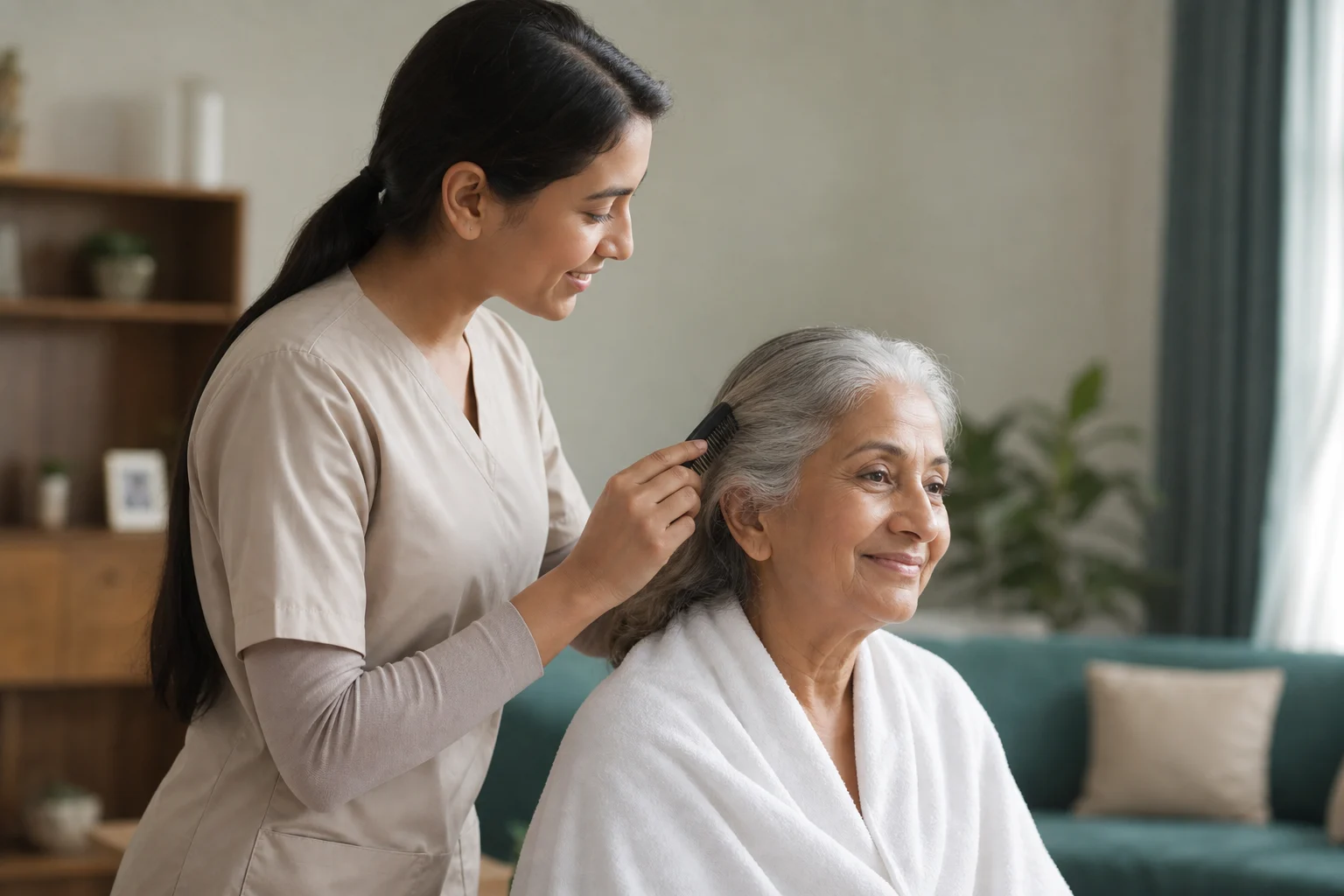
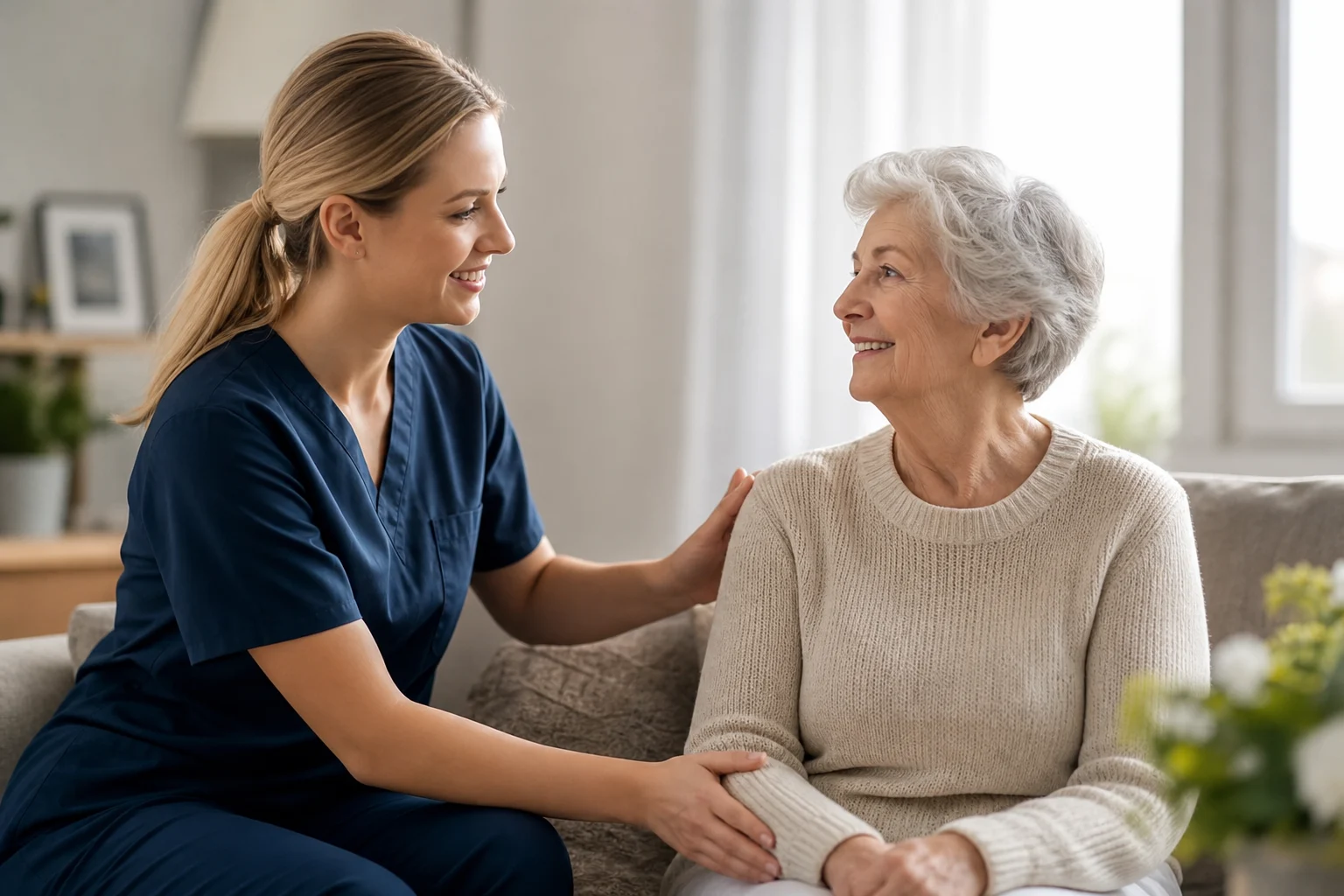
In-home respite caregivers provide more than just physical assistance; they also offer companionship and emotional support. This connection can be incredibly beneficial for seniors who may feel isolated or disconnected from their community. Engaging in conversations, participating in hobbies, or simply sharing a meal can make a significant difference in a senior's day-to-day life.
Flexible Scheduling
Understanding that family schedules can vary, Ability Homes offers flexible scheduling options for in-home respite care. Whether you need care for a few hours each week or around-the-clock support, we can accommodate your needs, ensuring that your loved one receives the care they deserve.
Choosing the Right Respite Care Provider
When selecting a respite care provider, it’s essential to consider factors such as experience, credentials, and the ability to offer personalized care. At Ability Homes, we pride ourselves on our team of professional respite caregivers who are not only skilled but also compassionate and dedicated to enhancing the lives of seniors. Our commitment to quality care ensures that families can trust us to provide the best support for their loved ones.