How Respite Care Can Improve Your Loved One's Quality of Life
Caring for an elderly loved one is a noble and rewarding endeavor, but it can also be a challenging journey filled with emotional ups and downs. Family caregivers often find themselves overwhelmed, trying to balance their own needs with the demands of providing care. This is where respite care for elderly individuals comes into play, offering significant benefits that can enhance the quality of life for seniors while providing much-needed relief for caregivers.
The Role of Respite Care
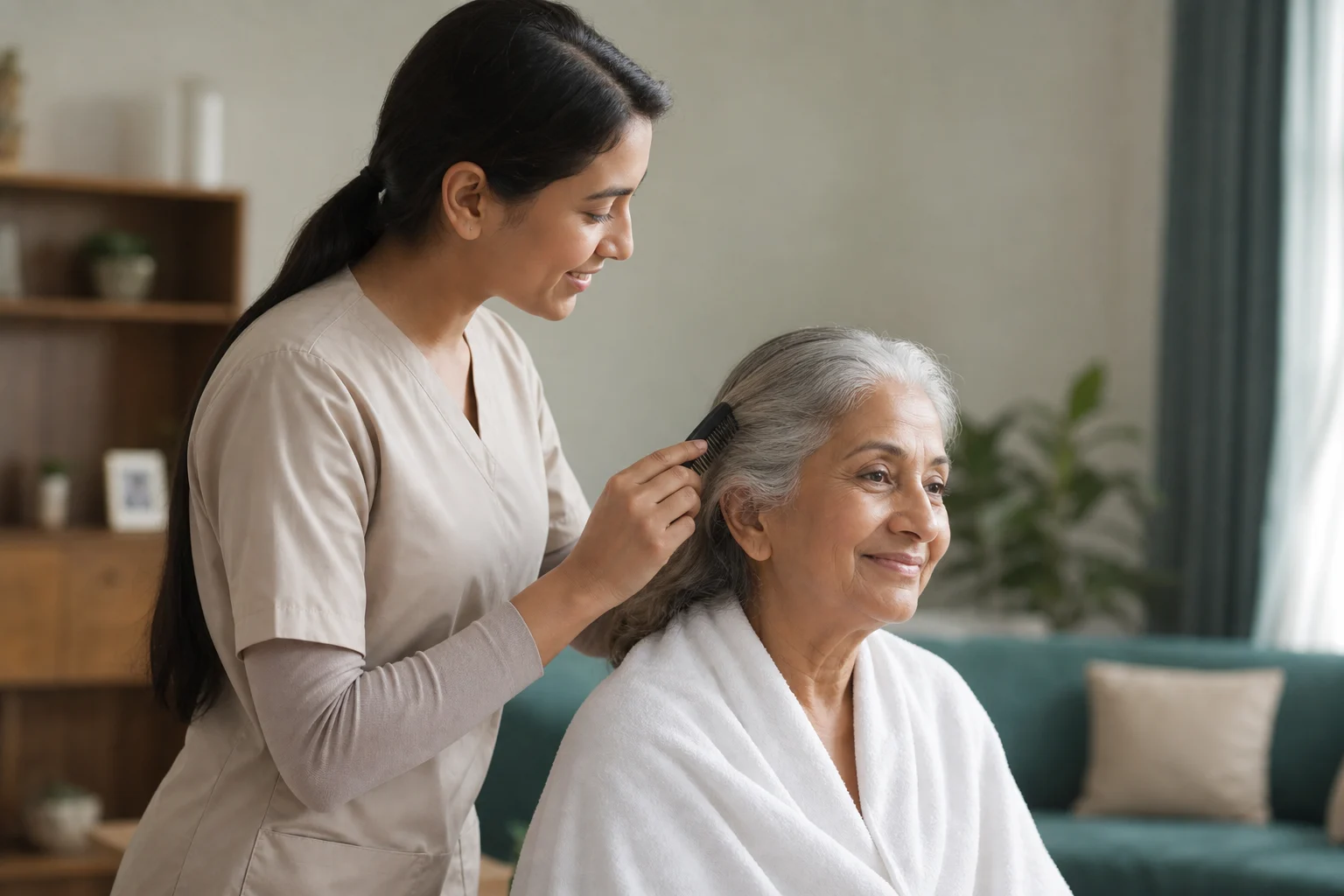
Respite care is a temporary care solution designed to provide relief to primary caregivers. It allows family members to take a break while ensuring that their loved ones receive the support and attention they need. At Ability Homes, we specialize in in-home respite care, providing a compassionate and professional environment for elderly individuals in Brooklyn Park, MN. Our professional respite caregivers are trained to meet the unique needs of each client, ensuring that they feel comfortable and secure in their own home.
Improving Social Interaction
One of the most significant benefits of respite care is the enhancement of social interaction for elderly individuals. Many seniors experience isolation and loneliness, which can negatively impact their mental and physical health. Here are a few ways respite care can foster social connections:
- Engagement in Activities: Professional respite caregivers often engage seniors in activities that promote social interaction, such as games, arts and crafts, or even simple conversations. This helps seniors maintain social skills and build relationships.
- Community Involvement: Respite care can include outings to community events, senior centers, or local gatherings, allowing elderly individuals to interact with others and enjoy social experiences.
- Family Connection: With caregivers handling daily tasks, family members can spend quality time with their loved ones, strengthening their bonds and improving emotional well-being.
Enhancing Mental Health
The mental health of elderly individuals is crucial for their overall quality of life. Respite care can significantly impact mental well-being through several key mechanisms. By understanding how respite care for the elderly addresses mental health challenges, both caregivers and families can make informed decisions that benefit their loved ones.
One of the most profound benefits of respite care is its role in reducing stress for caregivers. Caregiving can be an incredibly demanding role, often leading to physical exhaustion and emotional strain. When caregivers feel overwhelmed, their ability to provide quality care diminishes, which can adversely affect the mental health of the elderly individual in their care. By taking regular breaks, caregivers can recharge their mental batteries, engage in self-care, and return to their responsibilities with renewed energy and a more positive outlook. This cycle of well-being is essential; when caregivers are mentally healthy, they are better equipped to foster similar mental wellness in their loved ones.
Stimulation and engagement are also critical components of mental health enhancement through respite care. Respite caregivers often introduce new activities that stimulate cognitive function and improve mood. For instance, a respite caregiver might organize arts and crafts sessions, board games, or even simple gardening activities. These activities not only serve as enjoyable pastimes but also challenge the brain, potentially staving off cognitive decline. Engaging in stimulating conversations can keep the mind sharp. For example, discussing current events, reminiscing about the past, or exploring new topics of interest can offer significant mental engagement and enrich the elderly person's day-to-day experience.
The presence of a respite caregiver can provide much-needed emotional support. Many professional respite caregivers are trained to offer companionship and understanding, which can be particularly valuable for elderly individuals who may feel isolated or lonely. Emotional support can manifest in various forms, from simply listening to an individual’s stories to providing encouragement during difficult moments. For instance, a caregiver might help an elderly person navigate feelings of anxiety about health issues or loss of independence, creating a safe space for emotional expression. This companionship can alleviate feelings of loneliness and depression, ensuring that elderly individuals feel valued and heard.
To these benefits, respite care can foster social connections. Many elderly individuals may struggle to maintain friendships and social ties due to mobility issues or a lack of transportation. Respite caregivers can facilitate outings or social events, encouraging elderly clients to interact with others. This might include taking them to community centers, senior clubs, or even arranging virtual social gatherings. The importance of social interaction for mental health cannot be overstated; regular engagement with peers can significantly reduce feelings of isolation and increase a sense of belonging.
Structured routines provided by respite care can also contribute to enhanced mental health. Many elderly individuals thrive on routine, finding comfort in predictability. Respite caregivers can help establish and maintain daily schedules that include physical activity, mental exercises, and social interactions. For example, a routine might involve morning walks, followed by a puzzle-solving session and an afternoon visit with friends. This structure not only provides stability but also promotes a sense of purpose and accomplishment, which are vital for mental well-being.
Respite care can also serve as a preventive measure against mental health decline. Regular interaction with caregivers can help identify early signs of mental health issues, such as depression or cognitive impairment. Respite caregivers are often trained to recognize these warning signs and can communicate their observations to family members or healthcare providers. Early intervention is key to addressing mental health concerns before they escalate, ensuring that elderly individuals receive the support they need promptly.
Respite care can help elderly individuals cultivate new interests and hobbies that can invigorate their lives. Exposure to new activities can spark joy and curiosity, which are crucial for mental health. For instance, a caregiver might introduce an elderly individual to painting, cooking classes, or even technology, such as learning to use smartphones or tablets. These new experiences can reignite passions and provide a sense of achievement, further enhancing mental well-being.
The importance of family involvement in respite care cannot be overlooked. Family members can play a vital role in supporting the mental health of their elderly loved ones by encouraging participation in respite care programs. Open communication about the benefits of respite care can alleviate any concerns family members may have about entrusting their loved ones to caregivers. Involving family members in the respite process can create a supportive network that reinforces the positive effects of respite care on mental health.
Respite care for the elderly offers multifaceted benefits for enhancing mental health. From reducing caregiver stress to providing emotional support and fostering social connections, the positive impacts are profound. By recognizing the importance of mental well-being and actively seeking respite care solutions, families can significantly improve the quality of life for their elderly loved ones. This holistic approach not only benefits the elderly individual but also supports caregivers, creating a healthier, more balanced environment for everyone involved.
Flexible Respite Care Solutions
One of the standout features of respite care is its flexibility. Families can choose from various options depending on their specific needs, including:
- Short-Term Care: Ideal for when caregivers need a brief break, whether for a few hours or a few days. This type of care can be arranged for specific events, such as a family gathering or a personal appointment, allowing caregivers to recharge without the worry of leaving their loved ones unattended. Short-term care can involve in-home assistance or temporary stays in a care facility, providing a safe environment for elderly individuals.
- Long-Term Respite Care: For families needing ongoing support, long-term respite care allows caregivers to maintain their own health and well-being. This option is particularly beneficial for those who may be balancing multiple responsibilities, such as work or other family commitments. Long-term respite care can be structured as regular scheduled visits from a caregiver or a more extended stay in a residential facility, ensuring that elderly loved ones receive consistent care and companionship.
- Emergency Respite Care: Immediate assistance in unexpected situations, ensuring that elderly loved ones are never left unattended. This can be crucial during sudden health crises, family emergencies, or when a primary caregiver falls ill. Emergency respite care services are typically available 24/7 and can be arranged quickly, offering peace of mind during challenging times.
To these primary categories, respite care can also include specialized services tailored to meet the unique needs of elderly individuals. For example:
- Memory Care Respite: For seniors with Alzheimer’s or other forms of dementia, memory care respite programs provide specialized environments designed to enhance safety and reduce confusion. Caregivers trained in memory care techniques can engage elderly individuals in meaningful activities that stimulate cognitive function and promote emotional well-being.
- Physical Therapy Respite: If your loved one requires ongoing rehabilitation or physical therapy, some respite care providers offer these services to ensure continuity of care. This can be particularly helpful after surgery or during recovery from an illness.
- Palliative Care Respite: For those with chronic illnesses, palliative care respite focuses on comfort and quality of life. This type of care can be provided at home or in a facility, offering specialized medical support while allowing family members to take a necessary break from caregiving duties.
Another essential aspect of flexible respite care solutions is the ability to customize the duration and frequency of care. Families can choose to have caregivers come in daily for a few hours or opt for longer stays based on their needs. This adaptability means that respite care can fit seamlessly into the lives of both caregivers and the elderly, ensuring that everyone’s needs are met.
When considering respite care, it’s also vital to think about the specific activities and services that will benefit your loved one. Many respite care programs offer a variety of engaging activities tailored to the interests and abilities of elderly individuals. These can include:
- Social Activities: Such as group games, arts and crafts, or community outings, which can help combat loneliness and foster social connections.
- Exercise and Physical Activities: Gentle exercises, walking programs, or even dance classes designed for seniors can promote physical health and mobility.
- Meal Preparation: Nutritious meal planning and preparation can be part of respite care services, ensuring that elderly individuals receive proper nutrition while caregivers are away.
To choose the best respite care solution for your loved one, it’s essential to assess your family’s unique situation and needs. Here are some practical steps to help guide your decision:
- Evaluate Your Needs: Consider how often you need respite care and the type of support your loved one requires. Are there specific times when you feel overwhelmed? Are there particular activities or therapies that your loved one enjoys or needs?
- Research Local Providers: Look for reputable respite care providers in your area. Check their credentials, services offered, and reviews from other families. Many organizations have websites that provide detailed information about their offerings.
- Ask Questions: When contacting potential respite care providers, don’t hesitate to ask about their experience, staff qualifications, and how they handle emergencies. Inquire about their approach to personalized care and how they ensure the comfort and safety of elderly clients.
- Arrange a Trial Period: If possible, arrange for a trial period where your loved one can get to know the caregiver. This can help ease any anxiety and ensure compatibility between them.
- Communicate Openly: Keep an open line of communication with both your loved one and the respite care provider. Discuss any specific needs or concerns to ensure that the care provided is tailored to your loved one’s preferences and requirements.
The flexibility of respite care solutions means that families can find the right balance between their caregiving responsibilities and their personal well-being. By exploring various options and customizing care to fit individual needs, families can enhance the quality of life for their elderly loved ones while also ensuring their own health and happiness.
Flexible Respite Care Solutions
One of the standout features of respite care is its flexibility. Families can choose from various options depending on their specific needs, including:
- Short-Term Care: Ideal for when caregivers need a brief break, whether for a few hours or a few days.
- Long-Term Respite Care: For families needing ongoing support, allowing them to maintain their own health and well-being.
- Emergency Respite Care: Immediate assistance in unexpected situations, ensuring that elderly loved ones are never left unattended.