The Benefits of In-Home Nursing Care for Seniors
As our loved ones age, ensuring they receive the best possible care becomes a priority for many families. In-home nursing care has emerged as a vital option for seniors, allowing them to maintain their independence while receiving the support they need. At Ability Homes, we understand the unique challenges families face when considering care options for elderly loved ones. In this article, we will explore the numerous benefits of in-home nursing care, highlighting how it can enhance the quality of life for seniors in Brooklyn Park, MN.
Enhancing Independence
One of the primary benefits of in-home nursing care is its ability to promote independence among seniors. Many elderly individuals desire to remain in the comfort of their own homes, where they feel secure and familiar. By providing personalized support through private nursing for elderly, we empower seniors to manage daily tasks with confidence. This approach not only encourages self-sufficiency but also boosts their overall well-being.
Comfort of Home
In-home nursing care allows seniors to receive care in a familiar environment, which significantly contributes to their emotional and mental health. The comfort of home can reduce anxiety and stress, which are often prevalent in institutional settings. Seniors can enjoy their favorite activities, maintain their routines, and even have family members visit more freely. At Ability Homes, we believe that a comfortable and familiar setting is essential to effective care.
Companionship and Social Interaction
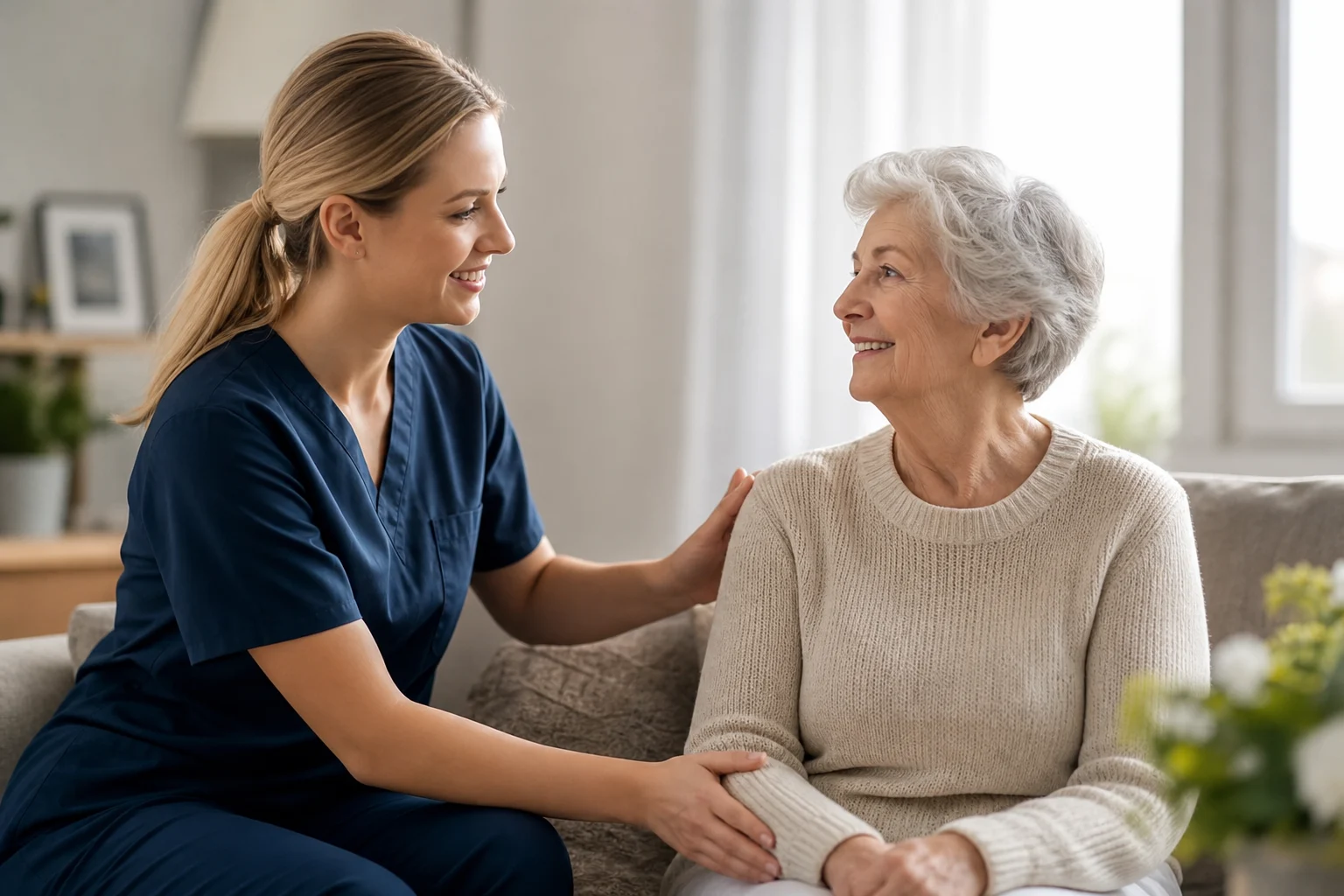
Loneliness can be a significant issue for seniors, especially those who live alone. In-home nursing care provides not only physical assistance but also companionship. Our compassionate nursing services ensure that seniors have someone to talk to, share their day with, and engage in activities. This social interaction is crucial for emotional health and can prevent feelings of isolation that many seniors experience.
Personalized Care Plans
Every individual has unique needs, and in-home nursing care allows for the creation of tailored care plans that address those specific requirements. At Ability Homes, our expert team works closely with families to develop a comprehensive care plan that includes:
- Medical care and medication management
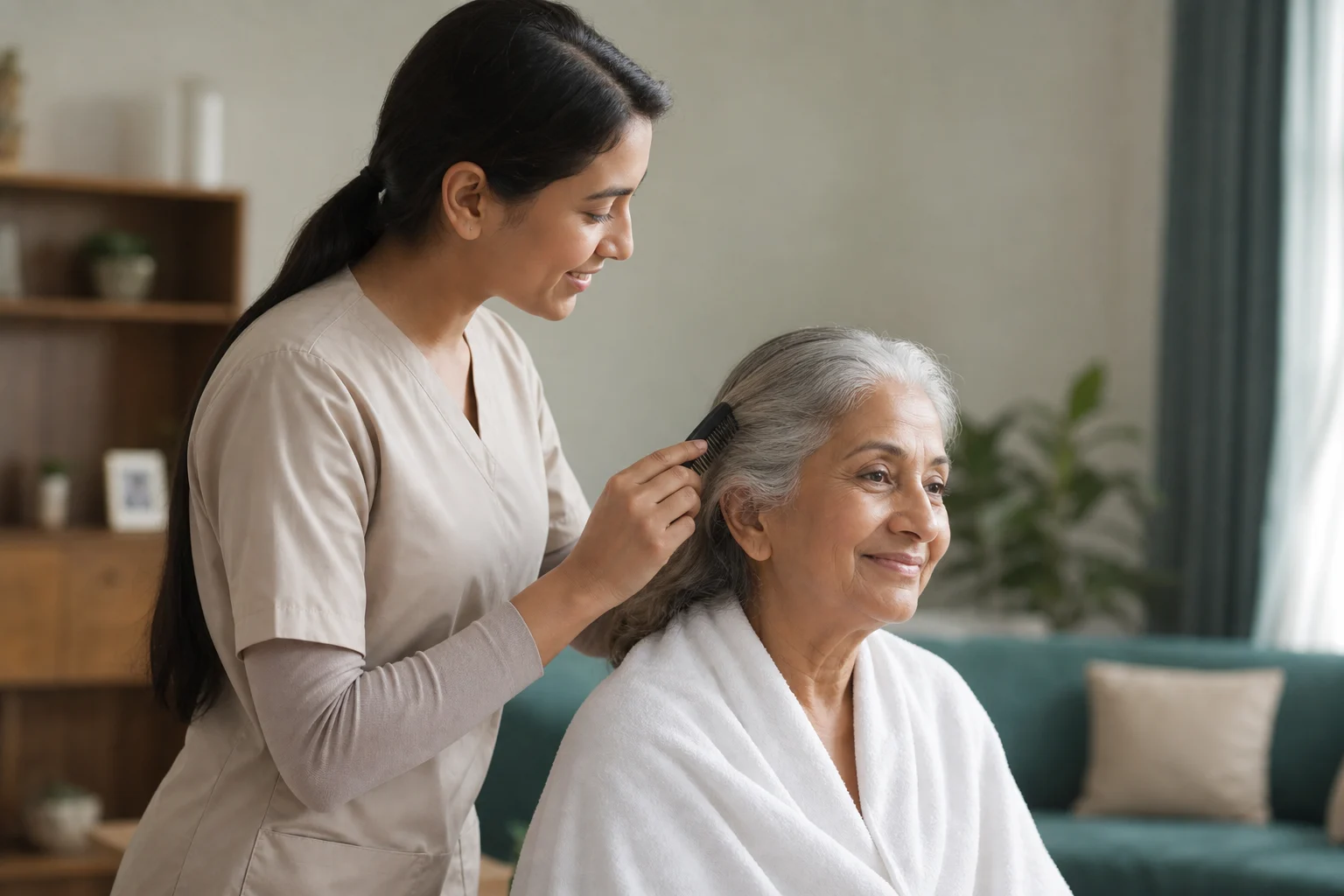
- Daily living assistance, such as bathing, dressing, and grooming
- Meal preparation and nutritional support
- Mobility assistance and physical therapy
- Companionship and social activities
This personalized approach ensures that seniors receive the right level of support to maintain their health and happiness in their own homes.
24/7 Support and Supervision
One of the significant advantages of in-home nursing care is the availability of 24/7 support and supervision. Families can have peace of mind knowing that their loved ones are never alone and can receive immediate assistance if needed. This constant availability can be particularly beneficial for seniors with chronic conditions or those recovering from surgery, as it allows for timely interventions and care.
In-home nursing care provides a dedicated support system that is tailored to the individual needs of each senior. Caregivers are trained to monitor health conditions closely, ensuring that any changes in a senior's health status are promptly addressed. This can include administering medications, managing pain levels, and providing assistance with daily activities such as bathing, dressing, and meal preparation. With 24/7 care, seniors can maintain a level of independence while still receiving the necessary support to ensure their safety and well-being.
The presence of a caregiver around the clock significantly reduces the risk of accidents and emergencies. Seniors are prone to falls and other health-related incidents, which can lead to serious consequences. With in-home nursing care, trained professionals are always on hand to prevent such incidents or respond quickly if they occur. For instance, if a senior were to fall, a caregiver can immediately assess the situation, provide first aid, and call for medical help if necessary. This prompt response can be critical in minimizing injuries and ensuring swift recovery.
Another critical aspect of 24/7 in-home nursing care is the emotional and psychological support it offers. Many seniors experience feelings of loneliness and isolation, especially if they are living alone. Having a caregiver present not only provides physical support but also companionship, which is essential for mental health. Caregivers engage seniors in conversation, encourage participation in activities, and even assist in socialization with family and friends. This holistic approach helps to enhance the overall quality of life for seniors, making them feel valued and connected to the world around them.
In-home nursing care also allows for personalized care plans that adapt to the evolving needs of the senior. Caregivers can closely monitor changes in health and adjust care strategies accordingly. For example, if a senior's mobility decreases, the caregiver can implement a physical therapy routine to help maintain strength and balance. Regular assessments by the caregiver ensure that any new health challenges are identified early and addressed, reducing the need for hospital visits and promoting a smoother recovery process at home.
Families often worry about the quality of care their loved ones are receiving. With in-home nursing care, families can rest assured that their seniors are under the watchful eye of qualified professionals. Caregivers typically have specific training in geriatric care and are well-versed in the medical and emotional needs of seniors. This specialized training equips them to handle various situations, from managing complex medical conditions to understanding the unique psychological needs of older adults.
For families considering in-home nursing care, it's essential to choose a reputable agency that provides qualified caregivers. Here are a few tips to ensure you select the right service:
- Check Credentials: Verify the training and certification of the caregivers. Look for agencies that employ certified nursing assistants (CNAs) or registered nurses (RNs).
- Read Reviews: Look for testimonials from other families who have used the service. Positive feedback can provide reassurance about the quality of care.
- Ask About Staff Training: Inquire about the training programs for caregivers, especially in areas such as dementia care, medication management, and emergency response.
- Evaluate the Care Plan: Ensure that the agency is willing to create a personalized care plan that meets the specific needs of your loved one.
- Assess Communication: Open and transparent communication between the family and caregivers is crucial. Make sure the agency has a process for regular updates on the senior's condition.
To the immediate benefits of having 24/7 support, in-home nursing care can also positively impact the overall health outcomes for seniors. Studies have shown that seniors who receive in-home care have lower rates of hospital readmissions and shorter recovery times compared to those who do not. This is largely due to the continuous monitoring and timely interventions provided by caregivers, allowing for a more proactive approach to health management.
In-home nursing care can significantly ease the burden on family members who may feel overwhelmed by the responsibilities of caregiving. Many families struggle to balance work, personal life, and caregiving duties, which can lead to caregiver burnout. By employing professional caregivers, family members can focus on providing emotional support and companionship, rather than getting bogged down by the day-to-day tasks of caregiving.
The flexibility offered by in-home nursing care allows families to choose the level of support they require. Some families may opt for full-time care, while others may only need part-time assistance during certain hours of the day. This customization ensures that seniors receive the exact care they need, when they need it, without the stress of institutional care settings.
The 24/7 support and supervision provided by in-home nursing care is invaluable for seniors and their families. It not only ensures immediate assistance and safety but also fosters emotional well-being and personalized care. By choosing in-home nursing care, families can enhance their loved one's quality of life while also alleviating their own stress and concerns.
Peace of Mind for Families
Choosing in-home nursing care provides families with peace of mind, knowing that their elderly loved ones are receiving high-quality care from trained professionals. At Ability Homes, our team of compassionate caregivers is dedicated to enhancing the independence of our clients while ensuring their safety and comfort. Families can rest assured that their loved ones are in capable hands, allowing them to focus on spending quality time together.
The decision to seek in-home nursing care can be a challenging one for families. Concerns about the quality of care, the well-being of their loved ones, and the ability to maintain independence often weigh heavily on those who are considering this option. However, understanding the multifaceted benefits of in-home nursing care can significantly alleviate these concerns and offer families a sense of security.
One of the primary advantages of in-home nursing care is the personalized attention that clients receive. Unlike in a hospital or assisted living facility, where staff may be spread thin and unable to provide individualized care, in-home nursing services focus solely on the needs of the client. This one-on-one attention ensures that seniors receive tailored medical and personal care, which can lead to improved health outcomes and overall satisfaction.
To personalized care, in-home nursing provides an environment that is familiar and comforting. For many seniors, the thought of moving into a facility can be daunting and stressful. Remaining in their own homes allows them to maintain their routines, enjoy their favorite surroundings, and engage in activities that bring them joy. This sense of normalcy can significantly enhance their emotional well-being, ultimately leading to a better quality of life.
Families can feel confident in the skill set of in-home nursing professionals. Caregivers are often highly trained and possess certifications in various aspects of health care, including medication management, wound care, and chronic disease management. For example, if a senior has diabetes, a qualified caregiver can monitor blood sugar levels, administer insulin, and provide dietary advice tailored to the individual’s needs. This level of expertise not only ensures proper medical care but also helps families feel more at ease with their loved one’s health management.
Another essential aspect of in-home nursing care is the support it provides for family members. Often, family caregivers may feel overwhelmed by the responsibilities of caring for an elderly relative. In-home nursing allows family members to share the caregiving burden, providing them with the opportunity to take breaks and focus on their own well-being. This support can also reduce the risk of caregiver burnout, allowing families to maintain healthier relationships with their loved ones. In many cases, families find that they can enjoy more quality time together when they are not solely responsible for the intricate details of daily care.
In-home nursing services often offer flexible care plans that can be adjusted based on the evolving needs of the client. This adaptability means that as a senior’s health condition changes, the level of care can be modified accordingly. For instance, if a senior initially requires assistance with daily activities such as bathing and dressing, their needs may change over time to include more medical care, such as physical therapy or rehabilitation after surgery. In-home nursing care can scale up or down as required, providing families with peace of mind that their loved one will always have the right level of support.
It's also important to recognize the role of technology in enhancing in-home nursing care. Many caregiving agencies, including Ability Homes, utilize advanced technology to monitor the health and safety of clients. This can include remote monitoring systems that track vital signs or emergency alert systems that allow seniors to quickly call for help if needed. Families can benefit from these technologies as they provide an added layer of safety and reassurance, knowing that their loved ones can easily access help at any time.
In-home nursing care not only addresses physical health needs but also emphasizes mental and emotional support. Caregivers are trained to engage clients in meaningful conversations, activities, and social interactions that can combat feelings of loneliness and isolation, which are common among seniors. For example, a caregiver might assist a client in participating in hobbies, such as gardening or painting, or even accompany them on walks in the neighborhood, fostering connections with the outside world.
Many families find comfort in knowing that in-home nursing care can be tailored to include respite care. This service allows family caregivers to take a well-deserved break, knowing that their loved one is being cared for by a professional. Respite care can be arranged for a few hours a week or longer, depending on the family’s needs. This flexibility ensures that family caregivers can recharge and return to their roles with renewed energy and focus.
In-home nursing care can serve as a bridge to additional services and resources that families may need as they navigate their loved one’s care journey. Caregivers often have extensive knowledge of community resources, including support groups, transportation services, and meal delivery programs. They can help families connect with these resources, making it easier for them to access the support they need. This collaborative approach not only enhances the care experience but also empowers families to make informed decisions about their loved one's care.
The peace of mind that comes with in-home nursing care is invaluable. Families can rest assured that their elderly loved ones are receiving compassionate, personalized care tailored to their unique needs, all within the comfort of their own homes. By choosing in-home nursing care, families can strengthen their bonds with their loved ones, enjoy meaningful time together, and navigate the complexities of caregiving with confidence and support.
Peace of Mind for Families
Choosing in-home nursing care provides families with peace of mind, knowing that their elderly loved ones are receiving high-quality care from trained professionals. At Ability Homes, our team of compassionate caregivers is dedicated to enhancing the independence of our clients while ensuring their safety and comfort. Families can rest assured that their loved ones are in capable hands, allowing them to focus on spending quality time together.