How to Choose the Right Private Duty Nurse
Finding the right private duty nursing services for a loved one can be a daunting task. Families often face the challenge of ensuring their loved ones receive the best possible care while maintaining their dignity and independence. At Ability Homes, we understand the importance of choosing a skilled nurse who not only possesses the necessary qualifications but also aligns with the unique needs and preferences of your family member. In this article, we will guide you through the process of selecting the right private duty nurse, focusing on evaluating qualifications, experience, and compatibility.
Understanding Private Duty Nursing Services
Private duty nursing services are designed to provide personalized care in the comfort of your home, offering a tailored approach to meet the unique needs of each individual. This specialized type of care can encompass a wide range of services, ensuring that patients receive the appropriate level of support for their health and lifestyle requirements.
One of the primary objectives of private duty nursing is to enhance the quality of life for individuals, particularly seniors and those requiring nursing care for disabilities or chronic illnesses. With the increasing preference for home-based care, many families are turning to private duty nursing as a viable alternative to institutional care settings. This shift highlights the importance of understanding the various services available and how they can be best utilized to support your loved ones.
Private duty nursing services typically fall into two main categories: skilled nursing services and personal care assistance.
Skilled Nursing Services
Skilled nursing services are provided by licensed nurses who have the training and expertise to perform medical tasks that require clinical knowledge. These services can include:
- Medication Management: Ensuring that patients take their medications on time and in the correct dosage. This includes monitoring for side effects and interactions.
- Wound Care: Providing care for wounds, including dressing changes, cleaning, and monitoring for signs of infection.
- Vital Signs Monitoring: Regularly checking and recording vital signs such as blood pressure, heart rate, and temperature.
- IV Therapy: Administering intravenous medications and fluids, which may be necessary for patients with certain health conditions.
- Post-Surgical Care: Assisting patients in recovery after surgical procedures, including managing pain and facilitating mobility.
These skilled services are essential for individuals with complex medical needs or those recovering from serious health events. They provide not only physical care but also peace of mind for families, knowing that qualified professionals are overseeing their loved one's health.
Personal Care Assistance
On the other hand, personal care assistance focuses on helping individuals with daily living activities. This type of support is crucial for maintaining independence and dignity. Personal care assistance may include:
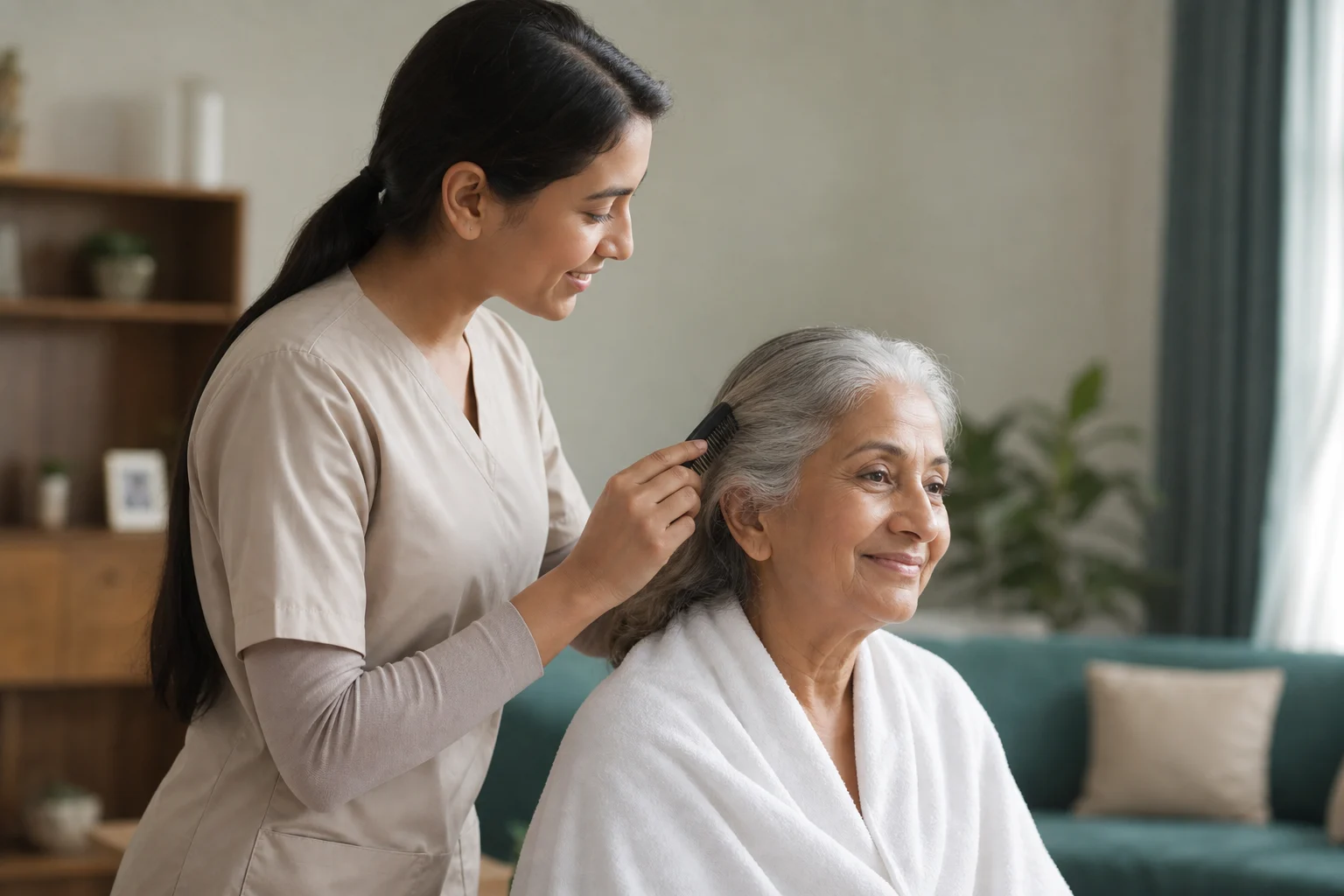
- Bathing and Grooming: Helping patients with personal hygiene, including bathing, dressing, and grooming tasks.
- Meal Preparation: Planning and preparing nutritious meals that cater to dietary restrictions or preferences.
- Mobility Assistance: Aiding individuals in moving around their homes, including transfers from bed to wheelchair or assisting with walking.
- Companionship: Providing emotional support and companionship to reduce feelings of isolation and loneliness.
- Housekeeping: Assisting with light housekeeping tasks to maintain a clean and safe living environment.
Many individuals find that personal care services significantly improve their overall well-being, as they help to foster a sense of normalcy and independence in daily routines.
Customizing Care Plans
One of the significant advantages of private duty nursing services is the ability to create customized care plans tailored to the specific needs and preferences of the individual. When evaluating private duty nursing options, consider the following steps to ensure the right care plan is developed:
- Assessment of Needs: Conduct a thorough assessment of the individual’s medical history, current health status, and daily living requirements. This can involve consultations with healthcare providers, family members, and the individual themselves.
- Setting Goals: Establish clear and achievable goals for the care plan, whether that’s improving mobility, managing a chronic condition, or enhancing social interactions.
- Regular Reviews: Schedule regular reviews of the care plan to adapt to any changes in the individual’s health or circumstances. Flexibility is key to ensuring that the care provided remains effective and relevant.
Finding the Right Private Duty Nursing Provider
Choosing the right provider for private duty nursing services is critical to ensuring that your loved one receives high-quality care. Here are some practical tips to help you in your selection process:
- Check Credentials: Verify that the nursing staff is licensed and certified. It’s essential that they have the necessary qualifications and training to provide the required services.
- Read Reviews and Testimonials: Look for feedback from other families who have used the service. Positive testimonials can provide insight into the quality of care and reliability of the provider.
- Conduct Interviews: Meet with potential nursing staff to discuss your loved one’s needs. This allows you to gauge their experience, approach to care, and compatibility with the individual.
- Understand Policies and Procedures: Inquire about the agency’s policies regarding emergency care, communication with family members, and how they handle any issues that may arise.
- Evaluate Costs: Discuss pricing structures and ensure that you understand what is included in the service. Compare rates and services among different providers to find the best fit for your budget and needs.
By taking the time to thoroughly understand private duty nursing services and the options available, you can make informed decisions that will greatly benefit your loved one. The right combination of skilled nursing and personal care can create a supportive environment that promotes health, independence, and overall well-being.
Evaluating Qualifications
When selecting a private duty nurse, the first step is to evaluate their qualifications. Here are some key aspects to consider:
- Licensing and Certification: Ensure the nurse holds the appropriate state licenses and certifications. Registered Nurses (RNs) and Licensed Practical Nurses (LPNs) should be properly credentialed.
- Specialized Training: Look for nurses who have specific training related to the needs of your loved one, such as experience in geriatric care or working with patients with disabilities.
- Background Checks: A reputable agency will conduct thorough background checks to ensure the safety and reliability of their staff.
Compatibility and Personal Fit
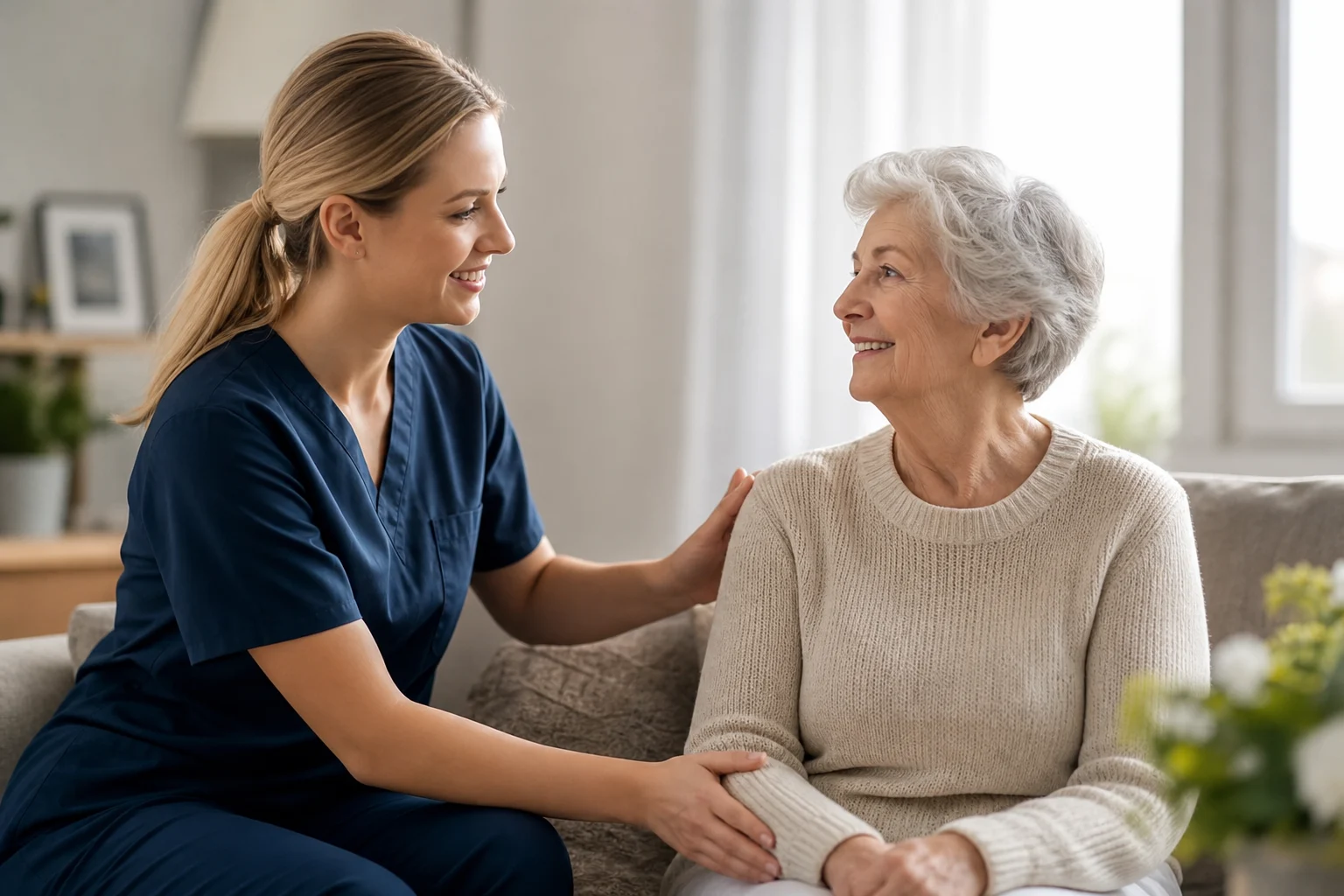
Beyond qualifications and experience, finding a nurse who is compatible with your loved one is essential. A positive personal connection can significantly impact the quality of care. When it comes to private duty nursing services, the relationship between the nurse and the patient can affect not just comfort but also adherence to care plans and overall well-being. Here are several factors to consider when assessing compatibility and personal fit:
- Communication Style: Evaluate how the nurse communicates. They should be able to explain procedures and listen to your loved one’s concerns. Effective communication can create a sense of trust and security. For instance, a nurse who takes the time to break down complex medical jargon into understandable terms can ease anxiety and promote a better understanding of care. Engage in a conversation with potential nurses to gauge their ability to articulate their thoughts clearly and empathetically.
- Personality: Look for a nurse whose personality matches your loved one's preferences. Some may prefer a more nurturing approach, while others may respond better to a more straightforward demeanor. Consider conducting informal interviews where you can observe how potential nurses interact not just with you but with your loved one. A good fit may mean finding someone who shares similar interests or values, which can foster a more personal connection. For example, if your loved one enjoys gardening, a nurse who also has an interest in plants might bond over this shared hobby, making care feel more personalized and less clinical.
- Availability: Ensure that the nurse’s availability aligns with your loved one’s needs, whether it’s for full-time care or part-time assistance. Flexibility in scheduling can also be a crucial factor, especially if your loved one has fluctuating health conditions. Discuss potential nurses’ willingness to adapt their schedules to accommodate last-minute changes or emergencies. This adaptability can be a significant relief for families who may need to adjust care plans on short notice.
To these factors, consider the following aspects to further enhance compatibility:
- Experience with Specific Conditions: If your loved one has particular health issues, such as dementia, diabetes, or mobility challenges, finding a nurse with experience in those areas can be invaluable. Ask potential candidates about their familiarity with specific medical conditions and their approach to care. For example, a nurse experienced in dementia care will have unique strategies to engage and communicate with a patient who may be experiencing memory loss, which can be crucial for maintaining their dignity and comfort.
- Cultural Sensitivity: When hiring a private duty nurse, consider their understanding and respect for your loved one’s cultural background and values. A nurse who is culturally competent will be better equipped to provide care that aligns with your loved one’s beliefs and customs. This may include dietary preferences, communication norms, and family involvement in care. Discussing these aspects during the hiring process can help ensure that the nurse will be a good fit, culturally and personally.
- Professionalism and Ethics: A competent private duty nurse should not only be skilled but also maintain a high level of professionalism. This includes respecting patient privacy, ethical decision-making, and adhering to care protocols. Ask about their approach to maintaining confidentiality and how they handle sensitive information. Observing their demeanor and behavior during initial meetings can give you insight into their professionalism.
- Trial Period: If possible, consider arranging a trial period with the chosen nurse. This can help both your loved one and the nurse to determine if the match is right. During this time, pay attention to how the nurse interacts with your loved one and how they respond to the nurse’s care style. You can gather feedback from your loved one about their comfort level and the nurse’s approach, which will be invaluable for making a final decision.
It’s essential to involve your loved one in the selection process as much as possible. This can be particularly important for individuals who are capable of expressing their preferences. Here are some practical steps to ensure that they feel included:
- Discuss Options: Present the potential nurses to your loved one and discuss their qualifications, personalities, and communication styles. Encourage them to express their thoughts and preferences about each candidate.
- Encourage Questions: Allow your loved one to ask questions to the nurse during the interview process. This not only helps them feel more comfortable but also gives them a sense of control over their care.
- Feedback Loop: After the initial meetings and any trial period, make it a point to ask your loved one how they feel about the nurse. Their comfort and satisfaction are paramount in ensuring a successful caregiving arrangement.
By taking the time to assess compatibility and personal fit, you can significantly enhance the quality of care your loved one receives through private duty nursing services. The right nurse will not only provide medical assistance but also become a trusted companion, making the caregiving experience more positive and effective. Remember, the goal is to create a supportive environment where your loved one feels valued, understood, and cared for, contributing to their overall health and happiness.
Compatibility and Personal Fit
Beyond qualifications and experience, finding a nurse who is compatible with your loved one is essential. A positive personal connection can significantly impact the quality of care. Consider the following:
- Communication Style: Evaluate how the nurse communicates. They should be able to explain procedures and listen to your loved one’s concerns.
- Personality: Look for a nurse whose personality matches your loved one's preferences. Some may prefer a more nurturing approach, while others may respond better to a more straightforward demeanor.
- Availability: Ensure that the nurse’s availability aligns with your loved one’s needs, whether it’s for full-time care or part-time assistance.
Questions to Ask Potential Nurses
When interviewing potential candidates, it's important to ask specific questions that reveal their qualifications and approach to care. Here are some suggested questions:
- What inspired you to become a private duty nurse?
- Can you describe your experience with patients who have similar needs to my loved one?
- How do you approach care planning and collaboration with family members?
- What measures do you take to ensure patient comfort and dignity?
- How do you handle challenging behaviors or situations?
Assessing Their Approach to Care
Understanding a nurse's approach to care is vital in ensuring they align with your family’s values and expectations. Look for a nurse who:
- Emphasizes Patient-Centered Care: They should prioritize the needs and preferences of your loved one, tailoring their care accordingly.
- Encourages Independence: A good nurse will focus on helping patients maintain as much independence as possible.
- Maintains Open Communication: They should keep you informed about your loved one’s condition and involve you in care decisions.