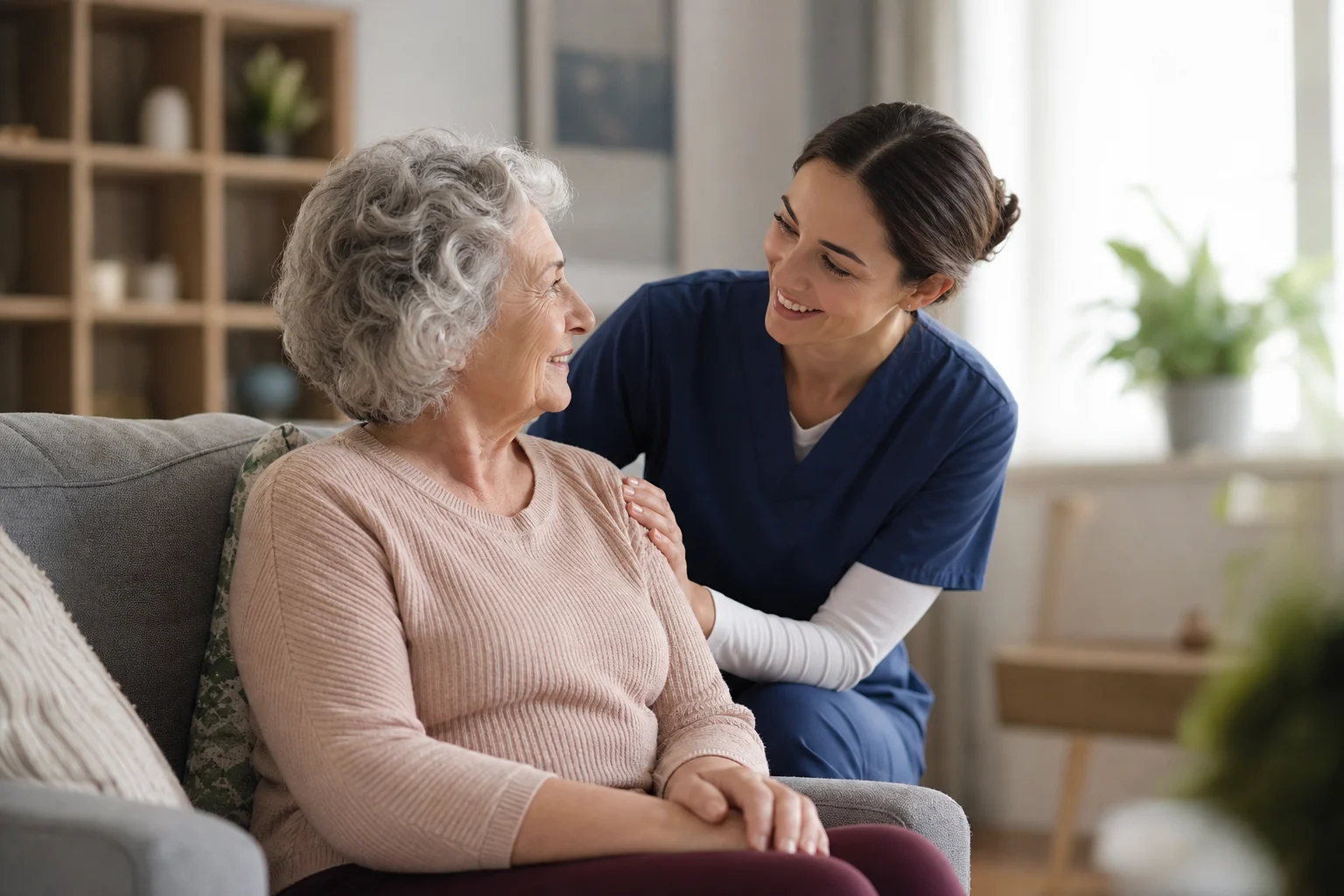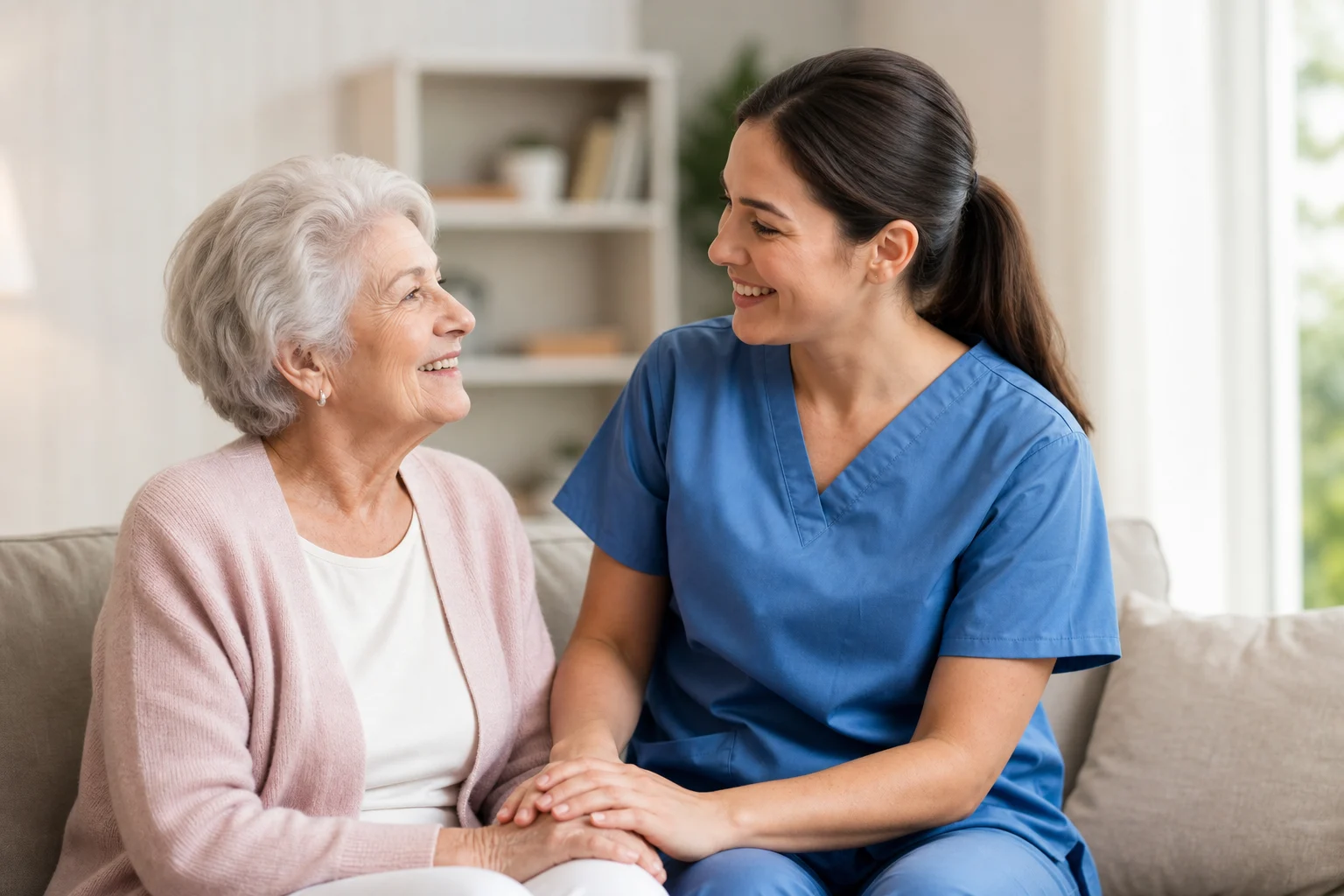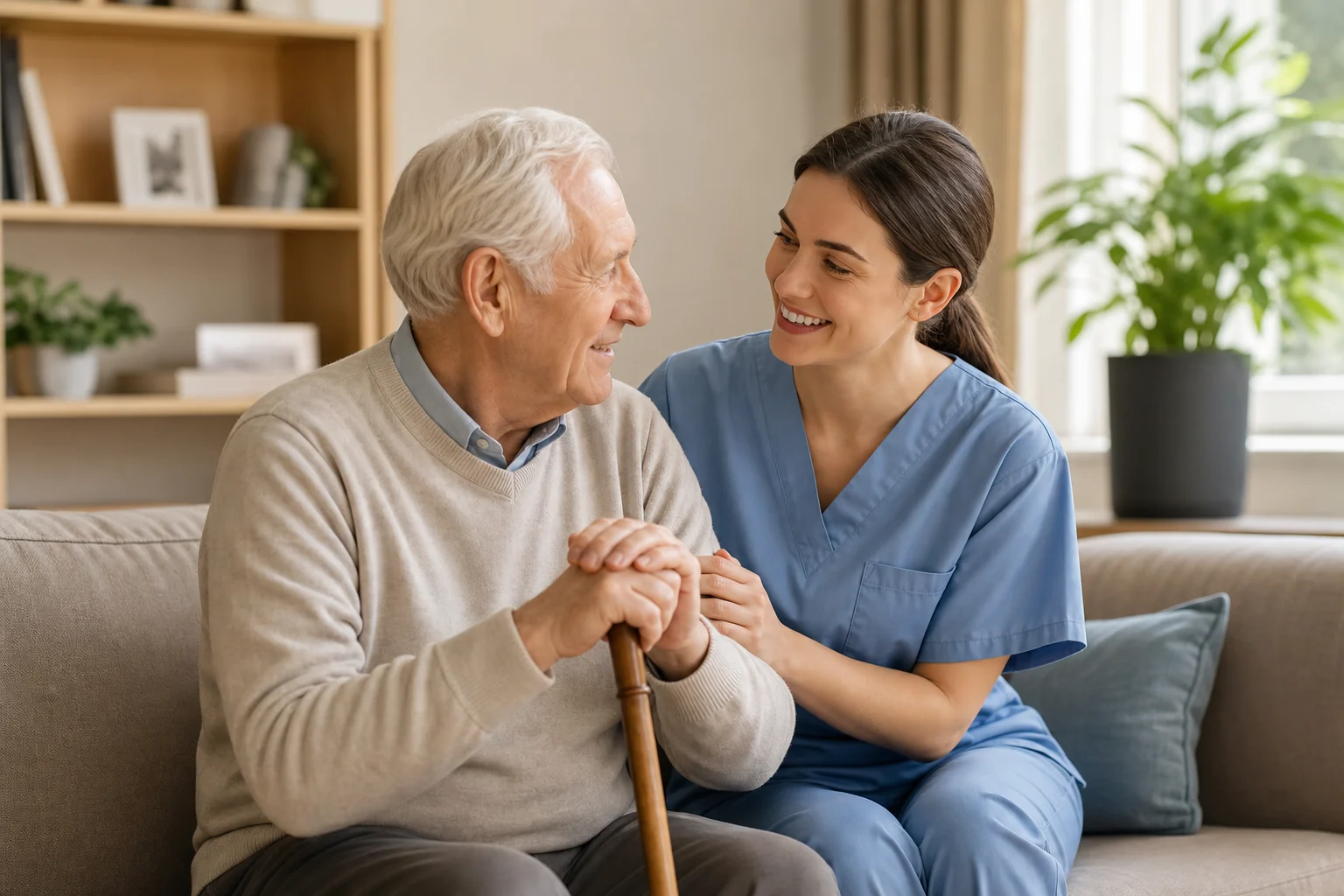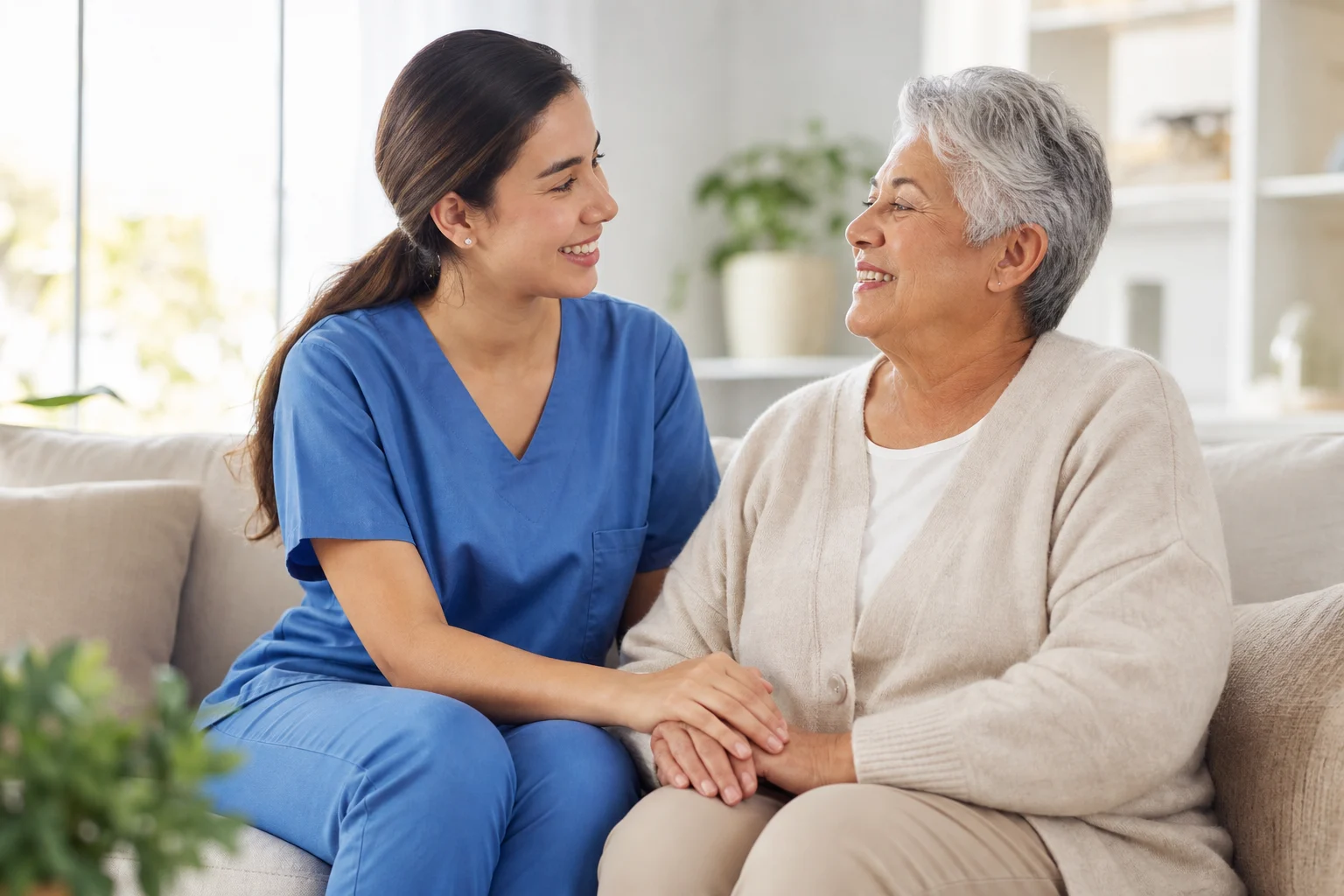
The Role of Skilled Nursing at Home in Recovery
In today's fast-paced world, the need for effective recovery solutions has become increasingly important. Many individuals, particularly seniors and those with chronic illnesses, require dedicated support during their recovery processes. This is where skilled nursing at home plays a vital role. At Ability Homes, we understand the importance of comprehensive recovery strategies, which is why we offer exceptional private duty nursing services to meet the unique needs of our clients in Brooklyn Park, MN.
Understanding Skilled Nursing at Home
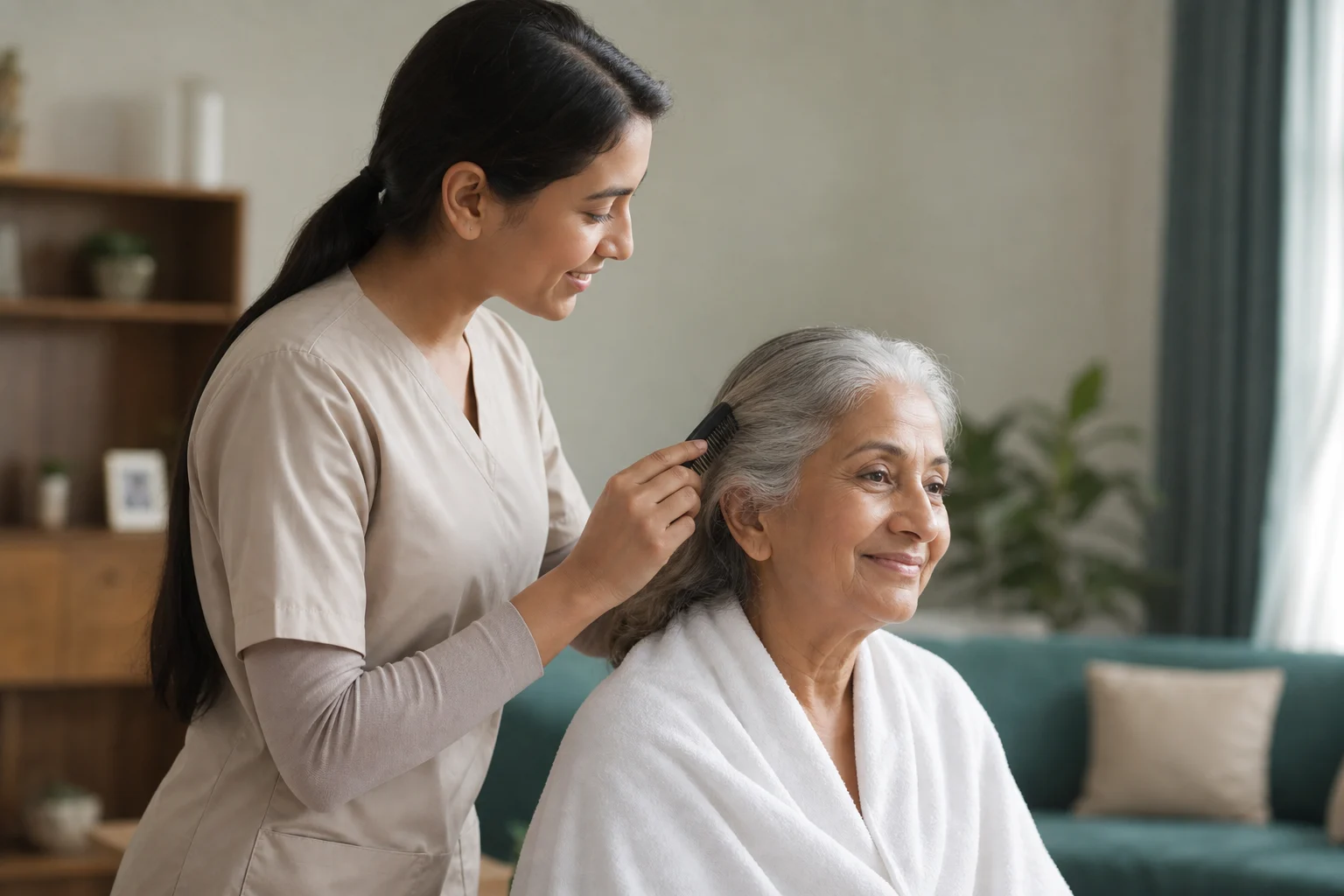
Skilled nursing at home involves professional medical care provided by registered nurses or licensed practical nurses in the comfort of the patient's home. This service is essential for individuals recovering from surgery, managing chronic illnesses, or needing assistance with daily activities. The primary goal of skilled nursing at home is to promote healing and enhance the quality of life for clients while allowing them to remain in a familiar environment.
The Importance of Skilled Nursing in Recovery
Recovery is a multifaceted process that often requires more than just medical attention. Skilled nursing at home plays a pivotal role in this journey, providing not only medical care but also emotional support and practical assistance. Here are several key ways in which skilled nursing at home contributes to effective recovery:
- Personalized Care Plans: Each recovery journey is unique. Skilled nurses at home work closely with patients and their families to develop individualized care plans tailored to specific needs. This approach ensures that all aspects of recovery are addressed, including physical therapy, medication management, and emotional support. For example, a patient recovering from hip surgery may require a care plan that incorporates physical therapy sessions, assistance with daily activities, and education on safe mobility practices.
- Medication Management: Proper medication management is critical during recovery. Skilled nurses ensure that medications are taken as prescribed, monitor for side effects, and communicate any concerns to the healthcare provider. They also educate patients and families about the medications, explaining the purpose of each drug, potential side effects, and the importance of adherence. This education can empower patients, making them active participants in their recovery process.
- Wound Care: For those recovering from surgery or injuries, skilled nursing services include expert wound care. This not only promotes healing but also reduces the risk of infection. Skilled nurses are trained to assess wounds, clean and dress them properly, and recognize signs of infection early. For instance, a patient with a post-operative incision may require daily dressing changes and monitoring for redness or discharge, which skilled nurses can provide with precision and care.
- Physical Rehabilitation: Many patients require physical therapy as part of their recovery. Skilled nurses can assist with exercises and mobility training, helping patients regain strength and independence. They often collaborate with physical therapists to ensure that exercises are performed correctly and safely. For example, a skilled nurse might guide a patient through specific exercises designed to improve range of motion after knee surgery, focusing on proper techniques to prevent re-injury.
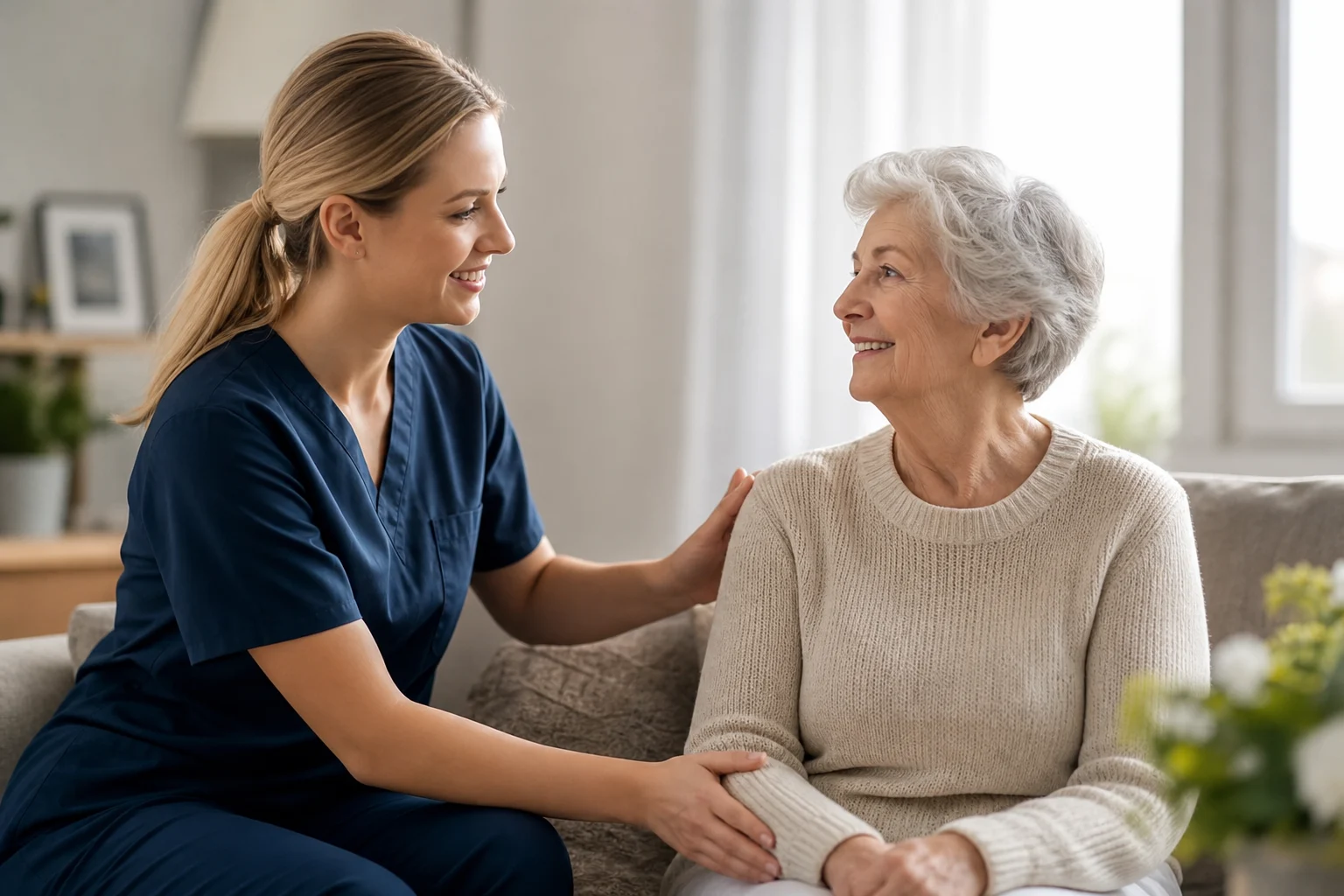
- Emotional Support: Recovery can be a challenging emotional journey. Compassionate nursing services provide not only physical care but also emotional support, helping patients cope with the psychological aspects of healing. Skilled nurses are trained to recognize signs of anxiety, depression, or frustration in patients. They can offer comforting words, encourage open communication about feelings, and provide resources for counseling or support groups when needed. For instance, a nurse might engage a patient in discussion about their feelings regarding recovery, helping them feel heard and understood.
- Education and Guidance for Family Caregivers: Family members often take on the role of caregivers during a loved one’s recovery. Skilled nurses can educate these family members on how to care for their loved one effectively. This includes training on mobility assistance, medication administration, and recognizing signs of complications. Providing this education not only empowers family caregivers but also helps to ensure the patient’s safety and comfort at home. For example, a skilled nurse might demonstrate proper techniques for helping a patient transfer from a bed to a wheelchair, ensuring that family members feel confident in their ability to assist.
- Coordination with Healthcare Providers: Skilled nurses act as a bridge between patients and their healthcare providers. They maintain communication with doctors, therapists, and other professionals involved in a patient’s care, ensuring that everyone is informed of the patient’s progress and any changes in their condition. This coordination is vital for optimizing recovery. For instance, if a skilled nurse notices a patient is experiencing increased pain or limited mobility, they can promptly relay this information to the physician, facilitating timely adjustments to the treatment plan.
- Nutrition and Dietary Support: Proper nutrition is essential for recovery, and skilled nurses can provide guidance on dietary needs that support healing. They may assess the patient’s nutritional status, help plan balanced meals, and monitor food intake to ensure that the patient receives adequate nutrients. For example, a patient recovering from surgery may need to focus on high-protein foods to promote healing, and skilled nurses can assist in meal planning and preparation to meet these needs.
- Monitoring and Assessment: Skilled nurses conduct regular assessments to monitor the patient’s overall health status. This includes checking vital signs, assessing pain levels, and evaluating the effectiveness of the care plan. By closely monitoring the patient’s condition, skilled nurses can identify potential issues before they escalate, ensuring timely intervention. For example, if a nurse detects changes in a patient’s vital signs, they can take immediate action, such as contacting a physician or adjusting medications.
- Encouragement of Independence: One of the goals of skilled nursing at home is to promote independence in patients. Skilled nurses encourage patients to participate in their care as much as possible, helping them regain confidence in their abilities. This may involve teaching patients how to manage daily tasks safely or guiding them through exercises designed to build strength. For instance, a skilled nurse might work with a patient recovering from a stroke on simple tasks such as dressing or grooming, gradually increasing their level of independence.
Skilled nursing at home is an invaluable resource during the recovery process. It combines medical expertise with personalized care, emotional support, and practical assistance, creating a holistic approach to healing. By understanding the importance of skilled nursing, patients and families can better navigate the complexities of recovery and ensure a smoother transition back to health.
24/7 Nursing Support for Continuous Care
One of the significant advantages of skilled nursing at home is the availability of 24/7 nursing support. This round-the-clock care ensures that patients have access to medical assistance whenever they need it. Whether it is a late-night concern or a need for immediate attention, having a skilled nurse available can make a substantial difference in a patient's recovery experience.
Enhancing Independence Through Skilled Nursing
At Ability Homes, our mission is to enhance the independence of our clients in Brooklyn Park, MN. We believe that skilled nursing at home is not just about providing care; it is about empowering individuals to take an active role in their recovery. Our expert team of nurses is trained to provide support while encouraging patients to engage in their care actively, fostering a sense of autonomy and dignity.
Choosing the Right Home Health Care Provider
When selecting a home health care provider, it is essential to consider several factors to ensure the best possible care for your loved ones. The decision-making process can be overwhelming, but understanding the nuances of skilled nursing at home can significantly ease your concerns and lead to a better outcome for your family member's recovery.
Here are some critical considerations to keep in mind:
- Qualifications and Experience: The first step in your search should be to verify the qualifications of the nursing staff. Look for a provider with registered nurses (RNs) and licensed practical nurses (LPNs) who have specialized training in skilled nursing. Experience in your loved one's specific condition—such as post-operative care, chronic illness management, or rehabilitation after a stroke—can make a significant difference. For example, a nurse experienced in post-surgical recovery will understand pain management protocols and mobility exercises tailored to that phase of healing.
- Personalized Approach: Every patient's needs are unique, and the best home health care services recognize that. Inquire about how the provider develops personalized care plans. A good provider will conduct a thorough assessment of the patient’s medical history, current health status, and personal preferences. This assessment should lead to a tailored care plan that includes specific goals, treatment strategies, and methods for monitoring progress. For instance, a patient recovering from hip surgery may need a care plan that includes not only medication management but also physical therapy exercises to regain mobility.
- Reputation: Researching a provider's reputation is critical. Start by asking for recommendations from healthcare professionals, friends, or family who have used home health services. Online reviews and testimonials can also provide valuable insights. Look for feedback on factors such as punctuality, professionalism, and the quality of care provided. Check if the provider has any recognitions or certifications from reputable healthcare organizations. For example, accreditation from the Joint Commission can indicate that a provider meets high standards of care.
- Comprehensive Services: The range of services offered by a home health care provider can greatly influence the level of care your loved one receives. Ideally, you want a provider that offers a holistic approach to health care, which includes not only skilled nursing but also physical, occupational, and speech therapy when necessary. Also, consider if they provide assistance with daily living activities such as bathing, dressing, and meal preparation, which can be crucial for patients recovering at home. This comprehensive approach ensures that all aspects of a patient’s well-being are addressed.
- Availability and Accessibility: Another critical factor is the availability of care, especially if your loved one requires regular visits. Confirm that the provider can accommodate your schedule and that they have a sufficient number of staff to ensure timely and consistent care. Consider their communication protocols. A good provider should have clear channels for you to reach out with questions or concerns, and they should be responsive to changes in your loved one's condition.
- Insurance and Payment Options: Understanding the financial aspects of home health care is essential. Inquire about the payment options available, including whether they accept Medicare, Medicaid, or private insurance. Some providers may offer payment plans or financial assistance programs to help ease the burden. Be sure to get a clear understanding of what services are covered and any out-of-pocket expenses you might incur.
- Staff Training and Supervision: It’s also important to assess the ongoing training and supervision of the staff. A reputable provider should have protocols in place for regular staff training to keep nurses updated on the best practices and new developments in patient care. Inquire about how the provider supervises its staff. Regular assessments and feedback can ensure that your loved one receives consistent and quality care.
- Emergency Procedures: Lastly, understanding the provider’s emergency procedures is crucial. Ask how they handle medical emergencies and what protocols are in place for reaching physicians or emergency services if needed. Knowing that your loved one is in capable hands during an emergency can provide peace of mind.
In your search for the right home health care provider, take the time to interview potential candidates. Prepare a list of questions based on the factors outlined above. This will not only help you assess their capabilities but also give you a sense of their approach to care. Trust your instincts; a provider that communicates openly and seems genuinely interested in your loved one's well-being is often a good choice.
Remember that the transition to skilled nursing at home can be a significant adjustment for both the patient and the family. It's vital to maintain open lines of communication with the provider and to be involved in the care process. Regularly reviewing the care plan and staying engaged in your loved one's recovery can help ensure the best outcomes.