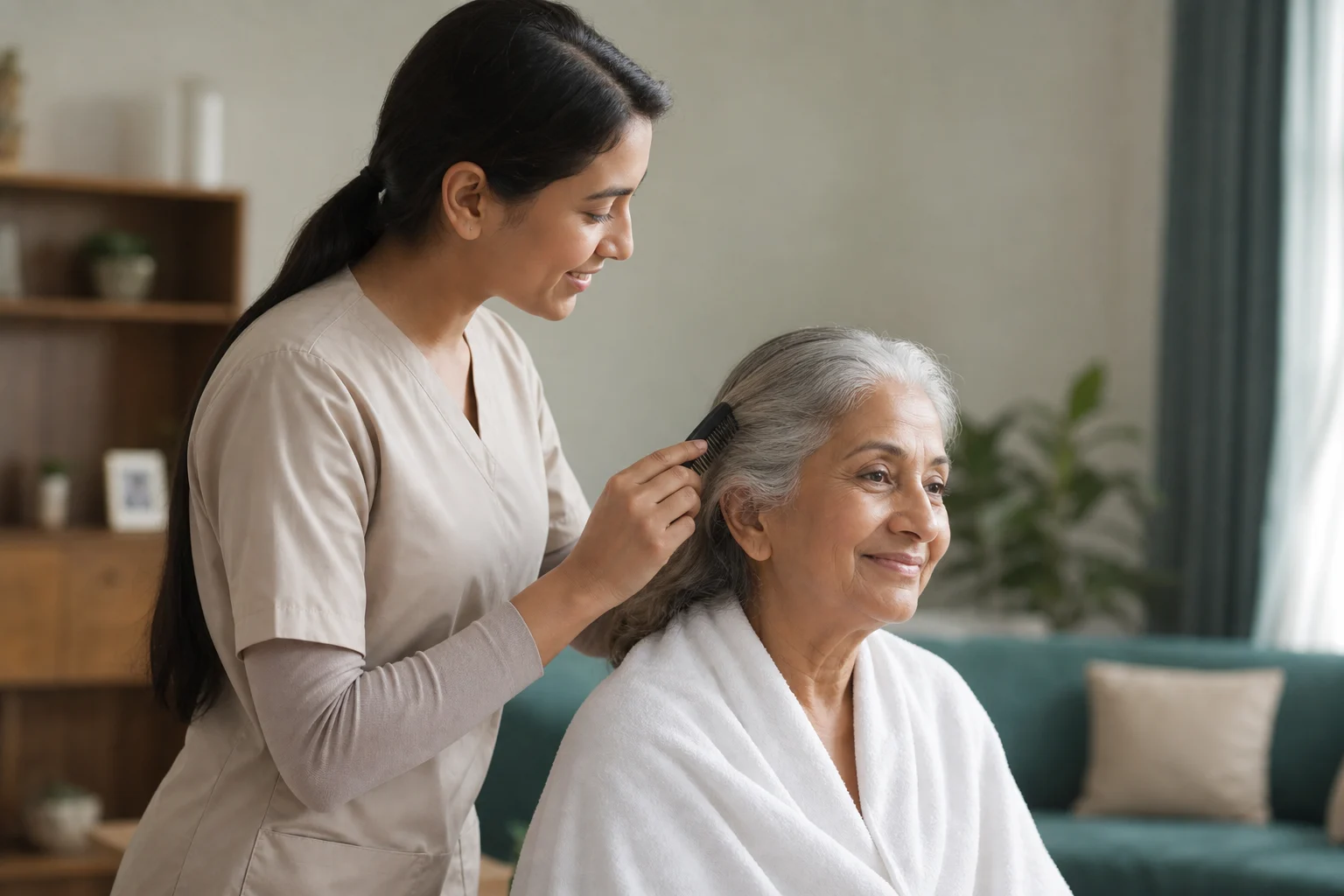
The Role of Private Duty Nursing in Rehabilitation
When it comes to recovery from surgery or illness, the journey can often be daunting. The road to regaining independence and health is paved with challenges that require not just medical attention, but also compassionate support and skilled care. This is where private duty nursing services step in, playing a crucial role in the rehabilitation process. At Ability Homes, we understand the importance of personalized care in enhancing recovery rates for our clients in Brooklyn Park, MN.
Understanding Private Duty Nursing
Private duty nursing involves personalized, one-on-one care provided by licensed nursing professionals. Unlike traditional nursing care, which may focus on multiple patients in a hospital or clinical setting, private duty nursing is tailored to the individual needs of patients in the comfort of their own homes. This service not only ensures that patients receive high-quality medical care but also offers emotional and psychological support during a vulnerable time.
Private duty nursing services are essential for individuals recovering from surgery, managing chronic illnesses, or requiring assistance with daily living activities. These services can include everything from wound care and medication management to personal hygiene assistance and mobility support. The flexibility and customization of private duty nursing make it a vital option for those seeking rehabilitation at home.
One of the primary advantages of private duty nursing is the one-on-one attention that patients receive. This individualized care allows nurses to develop a deep understanding of each patient's specific health needs, preferences, and routines. For example, a private duty nurse can create a tailored care plan that aligns with the patient's recovery goals, taking into account their medical history, current medications, and any other relevant factors.
Private duty nurses often serve as advocates for their patients within the healthcare system. They can help coordinate care among various healthcare providers, ensuring that everyone involved is on the same page regarding the patient's treatment plan. This is particularly important for patients with complex medical needs, as it helps to prevent miscommunication and ensures that care is consistent and comprehensive.
Private duty nursing services can also play a critical role in supporting family caregivers. Many families find themselves in a challenging position when a loved one requires extensive care, leading to feelings of stress, burnout, and uncertainty. A private duty nurse can alleviate some of this burden by taking over certain tasks, allowing family members to focus on spending quality time with their loved ones instead of managing their care. This can improve the overall well-being of both the patient and their family.
Examples of private duty nursing services include:
- Post-surgical care: Nurses can assist with wound care, medication administration, and monitoring for complications following surgery.
- Chronic disease management: Nurses can help patients manage conditions such as diabetes, heart disease, or COPD by providing education, monitoring vital signs, and adjusting treatment plans as necessary.
- Personal care assistance: This includes help with bathing, dressing, grooming, and other activities of daily living.
- Therapeutic services: Many private duty nurses are trained in specialized therapies such as physical therapy, occupational therapy, or speech therapy, allowing them to provide comprehensive rehabilitative care.
- Companionship and emotional support: Nurses can offer companionship to patients who may feel isolated or anxious, helping to improve their overall mental health.
When considering private duty nursing, it’s important to assess the qualifications and experience of the nursing professionals providing care. Look for agencies that employ registered nurses (RNs) or licensed practical nurses (LPNs) who are certified and have undergone background checks. Inquire about the agency's protocols for training and continuing education, as this can significantly impact the quality of care provided.
Another consideration is the cost of private duty nursing services. While these services can be an investment, many families find that the peace of mind and quality of care they receive justifies the expense. It's crucial to discuss payment options with the nursing agency, as some insurance plans may cover part of the costs, or there may be financial assistance programs available.
To ensure the best possible experience with private duty nursing, clear communication between the patient, their family, and the nursing team is essential. Setting expectations from the outset, discussing care preferences, and providing feedback can help create a positive and effective care environment. Regular check-ins with the nursing agency can also help address any concerns or adjustments needed in the care plan.
Private duty nursing services are designed to empower patients on their road to recovery. By receiving personalized care in a familiar environment, individuals can experience a greater sense of control over their health and well-being. Whether it’s recovering from a major surgery, managing a chronic condition, or simply needing assistance with daily activities, private duty nursing offers a compassionate and professional solution that supports both patients and their families during challenging times.
Private duty nursing is a powerful resource for individuals in need of rehabilitation and recovery. It provides not only medical support but also emotional and psychological assistance, helping patients regain their independence and improve their quality of life. As healthcare continues to evolve, the importance of personalized care at home will only grow, making private duty nursing an increasingly valuable option for many families.
The Importance of Rehabilitation
Rehabilitation is a critical phase in the recovery process, particularly following surgery or serious illness. It involves a range of therapies and support mechanisms designed to help individuals regain their strength, mobility, and independence. The role of private duty nursing in this context cannot be overstated. Here’s how our skilled nursing at home services can facilitate effective rehabilitation:
1. Personalized Care Plans
Every individual’s recovery needs are unique. Private duty nurses at Ability Homes work closely with healthcare providers to create personalized nursing assistance plans. These plans take into account the specific medical history, type of surgery or illness, and individual goals of the patient. This tailored approach ensures that the care provided aligns perfectly with the patient's recovery objectives.
For instance, a patient recovering from hip replacement surgery may have different rehabilitation goals than someone recovering from a stroke. The private duty nursing team assesses the patient's current abilities and what is needed to achieve their specific recovery milestones. By regularly updating these plans based on progress, private duty nursing services can adjust care as needed, ensuring that patients stay on track toward their recovery goals.
2. Medication Management
Effective rehabilitation often requires a strict medication schedule. Private duty nurses are trained to manage and administer medications, ensuring that patients take their medications as prescribed. This reduces the risk of complications and helps to streamline the recovery process.
Private duty nurses can help educate patients about their medications, including potential side effects and interactions. This knowledge can empower patients to be active participants in their recovery. Nurses can coordinate with pharmacists to ensure the right medications are available and to resolve any issues that may arise, such as allergies or intolerances. By providing comprehensive medication management, private duty nursing services mitigate potential health risks and enhance the overall rehabilitation experience.
3. Monitoring Health Status
Continuous monitoring of vital signs and overall health is essential during rehabilitation. Private duty nurses are equipped to perform regular assessments, identifying any changes that may require immediate medical attention. This proactive approach can prevent setbacks and ensure a smoother recovery.
Private duty nurses not only check vital signs such as blood pressure, pulse, and temperature, but they also assess the patient's pain levels and functional abilities. By maintaining close communication with physicians, nurses can report any concerning changes promptly, allowing for timely interventions. For example, if a patient begins to experience increased pain or swelling, the nurse can alert the healthcare provider, who may decide to adjust the treatment plan accordingly.
4. Assistance with Daily Living Activities
Rehabilitation can be physically taxing, and many patients may struggle with daily living tasks such as bathing, dressing, or meal preparation. Private duty nursing services provide the necessary support to help individuals manage these activities, allowing them to focus on their recovery. Some of the assistance offered includes:
- Help with bathing and personal hygiene
- Support with dressing and grooming
- Meal planning and preparation
- Mobility assistance to prevent falls
To these tasks, private duty nurses are trained to encourage patients to engage in their own care as much as possible. For example, they may assist patients with dressing by providing adaptive tools that allow them to be more independent. This not only fosters a sense of autonomy but also builds confidence, which is crucial for recovery.
Meal preparation can be tailored to meet specific dietary needs, promoting optimal nutrition during the recovery phase. For instance, a nurse may prepare low-sodium meals for a patient with heart concerns or ensure adequate protein intake for those healing from surgery. By addressing nutritional requirements, private duty nursing services can significantly influence the rehabilitation process.
5. Emotional Support and Companionship
Recovering from surgery or illness can be isolating and emotionally challenging. Private duty nurses not only provide physical care but also offer companionship, helping to alleviate feelings of loneliness and anxiety. This emotional support is vital in promoting a positive mindset, which can significantly impact recovery outcomes.
Private duty nurses are trained to recognize signs of emotional distress and can engage patients in conversations that encourage them to express their feelings. They can also involve family members in care discussions, fostering a supportive environment. For example, a nurse might facilitate family meetings to discuss progress, set goals, and celebrate successes, no matter how small. This holistic approach to care ensures that patients feel valued and understood throughout their rehabilitation journey.
Private duty nurses can introduce patients to relaxation techniques such as deep breathing exercises, guided imagery, or gentle yoga, which can further alleviate anxiety and promote mental well-being. By addressing both physical and emotional needs, private duty nursing services create a comprehensive support system that enhances the rehabilitation experience.
6. Coordination with Other Healthcare Professionals
The role of private duty nursing extends beyond direct patient care; it also involves collaboration with a multidisciplinary team to ensure comprehensive rehabilitation. This may include physical therapists, occupational therapists, speech therapists, and social workers. Effective communication between these professionals is essential for coordinated care.
Private duty nurses often serve as the point of contact for the patient’s care team, relaying information about the patient’s progress and any challenges they may face. This collaboration ensures that all aspects of the patient's health and recovery are addressed holistically. For instance, if a physical therapist recommends specific exercises, the private duty nurse can help implement these at home and monitor the patient’s response, providing feedback to the therapist for adjustments as needed.
Private duty nurses can assist in scheduling follow-up appointments and ensuring that patients have transportation to necessary therapies, further enhancing the continuity of care. This level of organization alleviates stress for both the patient and their family, allowing them to focus more on recovery.
The importance of rehabilitation cannot be overstated, as it plays a pivotal role in the recovery process. By providing personalized care, effective medication management, continuous health monitoring, daily living assistance, emotional support, and coordination with other healthcare professionals, private duty nursing services significantly enhance the rehabilitation experience. This comprehensive approach not only addresses the physical aspects of recovery but also supports the emotional and psychological well-being of patients, laying the foundation for a successful return to independence and quality of life.
Enhancing Recovery Rates with Private Duty Nursing
Research indicates that patients who receive private duty nursing services during their rehabilitation tend to have better recovery rates compared to those who do not. The combination of personalized care, skilled nursing expertise, and emotional support creates a conducive environment for healing. At Ability Homes, our dedicated team is committed to helping clients in Brooklyn Park, MN regain their independence and improve their overall quality of life.