Choosing the Right In-Home Nursing Care for Your Loved Ones
When it comes to ensuring the well-being of our aging loved ones, selecting the right in-home nursing care can be one of the most critical decisions we face. With the growing demand for private nursing for elderly individuals, families often find themselves navigating a complex landscape of care options. At Ability Homes, we understand that choosing the right service is essential for maintaining the independence and quality of life of your loved ones in Brooklyn Park, MN.
Understanding In-Home Nursing Care
In-home nursing care encompasses a range of services provided by trained professionals in the comfort of a patient's home. This type of care is particularly beneficial for seniors who may need assistance with daily living tasks or require skilled nursing services. At Ability Homes, we offer compassionate nursing services tailored to meet the unique needs of each client, ensuring they receive the support they deserve.
In-home nursing care can be divided into several categories, including personal care, skilled nursing care, rehabilitation services, and palliative care. Understanding these categories can help families make informed decisions about the type of care their loved ones may need.
Types of In-Home Nursing Care
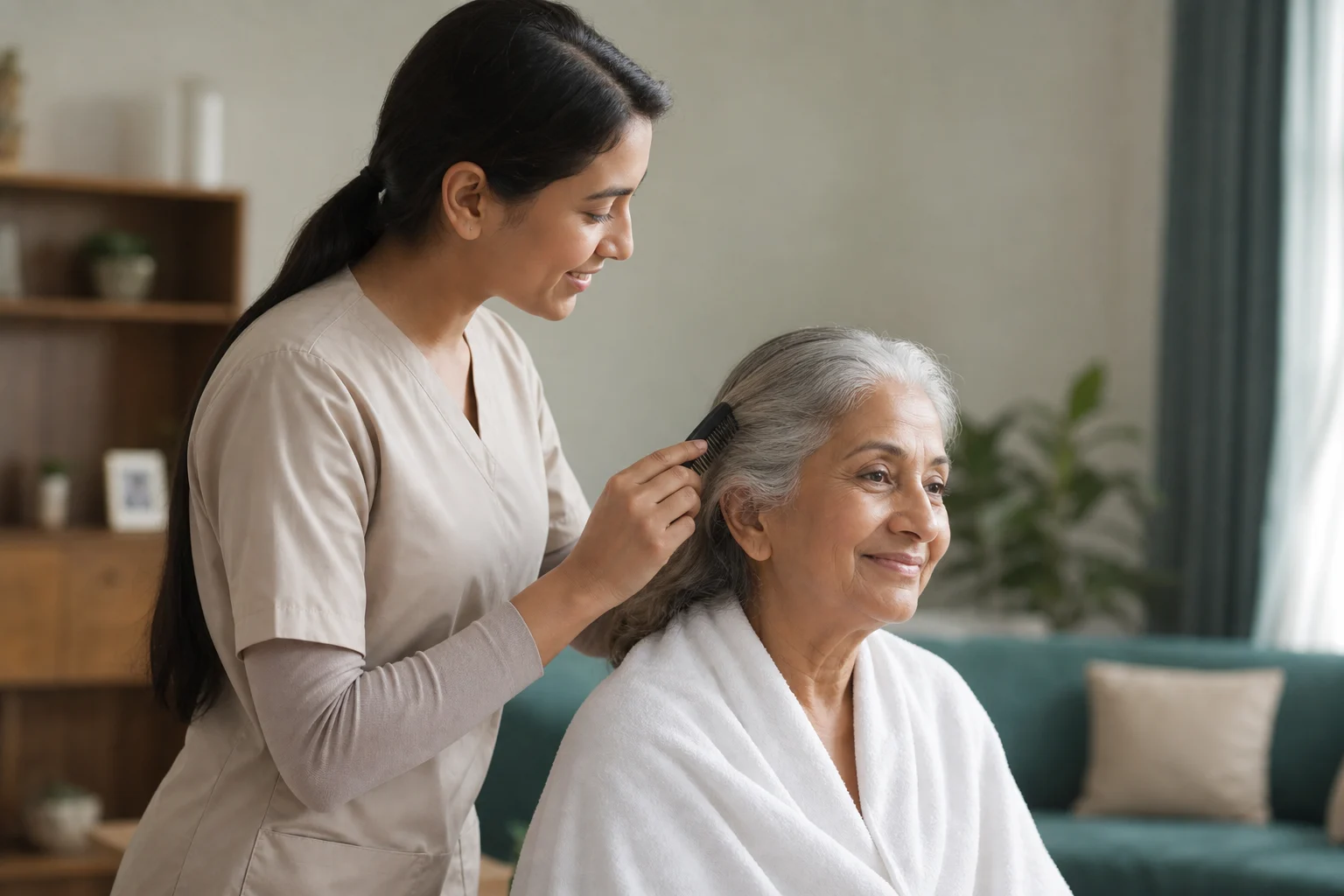
- Personal Care: This type of care includes assistance with daily activities such as bathing, dressing, grooming, and meal preparation. Personal care aides can help patients maintain their dignity and independence while providing essential support.
- Skilled Nursing Care: Skilled nursing care involves medical services provided by licensed nurses. This can include medication management, wound care, and monitoring of chronic conditions. Skilled nurses work closely with physicians to ensure that patients receive the appropriate medical attention.
- Rehabilitation Services: In-home rehabilitation services are designed for patients recovering from surgery, illness, or injury. Physical therapists, occupational therapists, and speech therapists can provide tailored therapy plans to help patients regain their strength and abilities in a familiar environment.
- Palliative Care: Palliative care focuses on providing relief from symptoms and stress associated with serious illnesses. This type of care is appropriate at any stage of a disease and can be provided alongside curative treatments. Palliative care specialists address the physical, emotional, and spiritual needs of patients and their families.
Benefits of In-Home Nursing Care
Choosing in-home nursing care offers numerous advantages for both patients and their families. Some of the key benefits include:
- Comfort and Familiarity: Receiving care at home allows patients to stay in a familiar environment, which can significantly enhance their emotional well-being. Being surrounded by personal belongings and family can provide a sense of security and comfort.
- Personalized Care: In-home nursing services can be tailored to meet the unique needs of each individual. Care plans are developed based on the patient’s specific health conditions, preferences, and daily routines, ensuring they receive the most appropriate care.
- Increased Independence: In-home nursing care supports patients in maintaining their independence by allowing them to perform daily activities with assistance rather than complete reliance on others.
- Family Involvement: In-home care encourages family involvement in the care process, fostering strong relationships and allowing family members to participate actively in their loved one’s care journey.
- Cost-Effectiveness: In many cases, in-home nursing care can be more cost-effective than long-term care facilities or hospital stays. Families can choose services based on their budget and needs, making it a financially viable option.
How to Choose the Right In-Home Nursing Care
Selecting the right in-home nursing care can feel overwhelming, but breaking the process down into manageable steps can help. Here are some practical guidelines to consider:
- Assess Needs: Evaluate the specific care needs of your loved one. Consider their medical conditions, level of independence, and any assistance they may require with daily activities.
- Research Providers: Look for reputable in-home nursing care agencies in your area. Check online reviews, ask for referrals from friends or healthcare professionals, and investigate the agency's accreditation and licensing.
- Interview Caregivers: Once you have shortlisted potential agencies, arrange interviews with caregivers. This will give you an opportunity to assess their qualifications, experience, and compatibility with your loved one.
- Discuss Care Plans: Have a detailed conversation with the agency about care plans and services offered. Ensure that they can customize the care according to your loved one’s needs and preferences.
- Check References: Don’t hesitate to ask for references from other families who have used the agency’s services. Personal experiences can provide valuable insights into the quality of care provided.
- Monitor Care: After selecting a provider, maintain open communication with the caregivers and regularly check in on the care being provided. This ensures that your loved one continues to receive the necessary support and allows for adjustments to be made if needed.
Conclusion
In-home nursing care is a vital resource for families seeking to provide the best possible support for their loved ones. With a variety of services available, understanding the options and benefits can empower families to make informed decisions. By following the outlined steps to choose the right care provider, families can ensure their loved ones receive the compassionate and skilled support they need to thrive at home.
Key Factors to Consider When Choosing In-Home Nursing Care
As you begin your search for the right in-home nursing care, there are several key factors to keep in mind. Selecting the best care for your loved one can be overwhelming, but understanding these critical components can simplify the decision-making process and ensure that your family member receives the compassionate and skilled support they deserve.
1. Assess the Needs of Your Loved One
Before you begin evaluating different care options, it is crucial to assess the specific needs of your loved one. Consider the following:
- Are they recovering from surgery or illness?
- Do they have chronic health conditions that require ongoing monitoring?
- Do they need assistance with daily activities such as bathing, dressing, or meal preparation?
- Do they have cognitive impairments, such as dementia or Alzheimer's, that may require specialized care?
Understanding these needs will help you determine the level of care required, whether it’s basic personal care or more complex skilled nursing at home. For instance, if your loved one is dealing with a post-operative recovery, they may require wound care and medication management, which necessitates a skilled nurse rather than a caregiver who provides only personal assistance. Conducting a comprehensive assessment may involve consulting with their physicians or specialists to gain a clearer picture of the support they need.
2. Research Available Services
Different agencies offer varying levels of service. At Ability Homes, we provide a comprehensive range of home health care options, including:
- 24/7 support and supervision
- Nursing services for medical needs
- Daily personal care assistance
- Physical therapy and rehabilitation support
- Specialized care for chronic diseases, such as diabetes management or heart health
Make sure to ask potential care providers about the specific services they offer and how those services align with your loved one’s needs. For example, if your family member requires physical therapy, confirm that the agency employs licensed physical therapists who can design and implement a tailored rehabilitation program within the home setting. Inquire about the flexibility of services; some agencies may allow you to adjust the care plan as your loved one's condition changes, which can be crucial for optimal health outcomes.
3. Check Qualifications and Experience
It’s essential to ensure that any in-home nursing care provider has the necessary qualifications and experience. Look for:
- Licenses and certifications of nursing staff
- Experience in providing care for seniors or individuals with similar health conditions
- Background checks and training programs for caregivers
- Special training in areas relevant to your loved one’s needs, such as geriatric care or palliative care
At Ability Homes, our team is comprised of qualified professionals dedicated to delivering high-quality care. When interviewing potential agencies, ask about the training programs caregivers undergo and how often they receive continuing education. This not only ensures that they are up to date with the latest care practices but also demonstrates the agency's commitment to maintaining high standards. Don’t hesitate to request references from families who have used their services, as firsthand experiences can provide valuable insights into the quality of care provided.
4. Evaluate Communication and Compatibility
The relationship between your loved one and their caregiver is vital for effective care. It’s important to evaluate:
- The caregiver’s communication style
- Their ability to establish rapport with your loved one
- How well they listen to both your loved one’s and your concerns
- The agency’s policy on caregiver continuity—will the same caregiver be assigned consistently, or will there be frequent changes?
Consider arranging a meet-and-greet with potential caregivers to assess compatibility before making a decision. During this meeting, observe how the caregiver interacts with your loved one. Are they patient and respectful? Do they engage in conversation and show genuine interest? Compatibility can significantly affect your loved one's comfort and emotional well-being, making it essential to prioritize this aspect in your selection process.
5. Review Costs and Payment Options
Caring for seniors can be a significant financial commitment. Understand the costs associated with the in-home nursing care services you are considering:
- What is the hourly or daily rate?
- Are there additional fees for specific services?
- What payment options are available, including insurance coverage?
- Does the agency offer any financial assistance programs or sliding scale fees based on income?
At Ability Homes, we believe in transparency regarding costs and are here to help you navigate your options. To avoid surprises, request a detailed breakdown of costs and inquire about any potential increases in fees as care needs change. Explore whether your loved one’s health insurance, Medicare, or Medicaid can cover certain aspects of in-home care, as this can alleviate some of the financial burdens. It’s also wise to review the agency's cancellation policy, as unexpected changes in care may occur, and understanding the financial implications can help you make informed decisions.
6. Consider the Agency’s Reputation and Reviews
In today’s digital age, gathering information about an agency’s reputation is easier than ever. Look for online reviews, testimonials, and ratings to gauge the experiences of other families. Websites like Yelp, Google Reviews, and even social media platforms can provide insights into the agency’s strengths and weaknesses. Consider reaching out to local healthcare professionals or community organizations for recommendations. A positive reputation in the healthcare community can be a strong indicator of quality care.
Consider scheduling a visit to the agency’s office. This allows you to meet the administrative staff, ask questions, and get a feel for their professionalism and dedication to client care. A well-organized and responsive agency is often a reflection of the quality of care they provide.
7. Trust Your Instincts
Trust your instincts. After gathering all the necessary information and meeting with potential caregivers, take time to reflect on your options. Your intuition about the caregiver’s demeanor, the agency’s responsiveness, and the overall feel of the environment can play a crucial role in your decision-making process. Remember that this is a significant step in ensuring your loved one receives the best care possible, and your comfort with the choice is paramount.
Questions to Ask Potential Care Providers
When interviewing potential in-home nursing care agencies or caregivers, consider asking the following questions:
- What types of training do your caregivers receive?
- How do you match caregivers with clients?
- What is your process for handling emergencies?
- Can you provide references from other families?
- What measures do you have in place to ensure the safety and well-being of clients?
These questions will provide insight into the agency’s practices and help you make an informed decision.
Why Choose Ability Homes for In-Home Nursing Care?
At Ability Homes, we are committed to providing compassionate home health care solutions tailored to meet the unique needs of seniors and individuals requiring assistance. Our expert team is dedicated to enhancing the independence and quality of life of our clients in Brooklyn Park, MN. We offer:
- Comprehensive assessments to create personalized care plans
- Trained and compassionate caregivers who prioritize your loved one’s comfort and dignity
- Flexible scheduling to accommodate the needs of your family
Choosing the right in-home nursing care can be overwhelming, but you don’t have to navigate this journey alone. We are here to assist you every step of the way.