Skilled Nursing at Home: A Comprehensive Guide
As families navigate the complexities of health care for their loved ones, the option of skilled nursing at home has emerged as a compassionate and effective solution. This guide aims to provide detailed insights into what skilled nursing entails, the types of services available, and the qualifications of skilled nurses, particularly for those considering private duty nursing services in their own homes.
Understanding Skilled Nursing at Home
Skilled nursing at home involves professional medical care provided by licensed nurses in a patient's residence. This type of care is essential for individuals who require ongoing medical attention but prefer the comfort and familiarity of their own home. The services are particularly beneficial for seniors or individuals recovering from surgery, illness, or chronic conditions.
One of the primary advantages of skilled nursing at home is the personalized care that it offers. Unlike hospitals or nursing facilities, where care can often feel impersonal due to high patient volume, home nursing allows for a more tailored approach. Nurses can focus on the specific needs of the patient, taking into account their medical history, preferences, and emotional well-being. This personalized care not only enhances the quality of medical treatment but also fosters a stronger bond between the nurse and the patient, which can lead to improved health outcomes.
When considering skilled nursing at home, it's important to understand the range of services that can be provided. These services typically include:
- Medication Management: Nurses can help manage complex medication regimens, ensuring that patients take the correct dosages at the right times. This is particularly important for individuals with multiple prescriptions, as it reduces the risk of medication errors and adverse interactions.
- Wound Care: For patients recovering from surgery or managing chronic wounds, skilled nurses can provide specialized care to promote healing and prevent infections.
- Monitoring Vital Signs: Skilled nurses are trained to monitor vital signs such as blood pressure, heart rate, and oxygen levels. Regular monitoring can help detect potential health issues early, allowing for timely intervention.
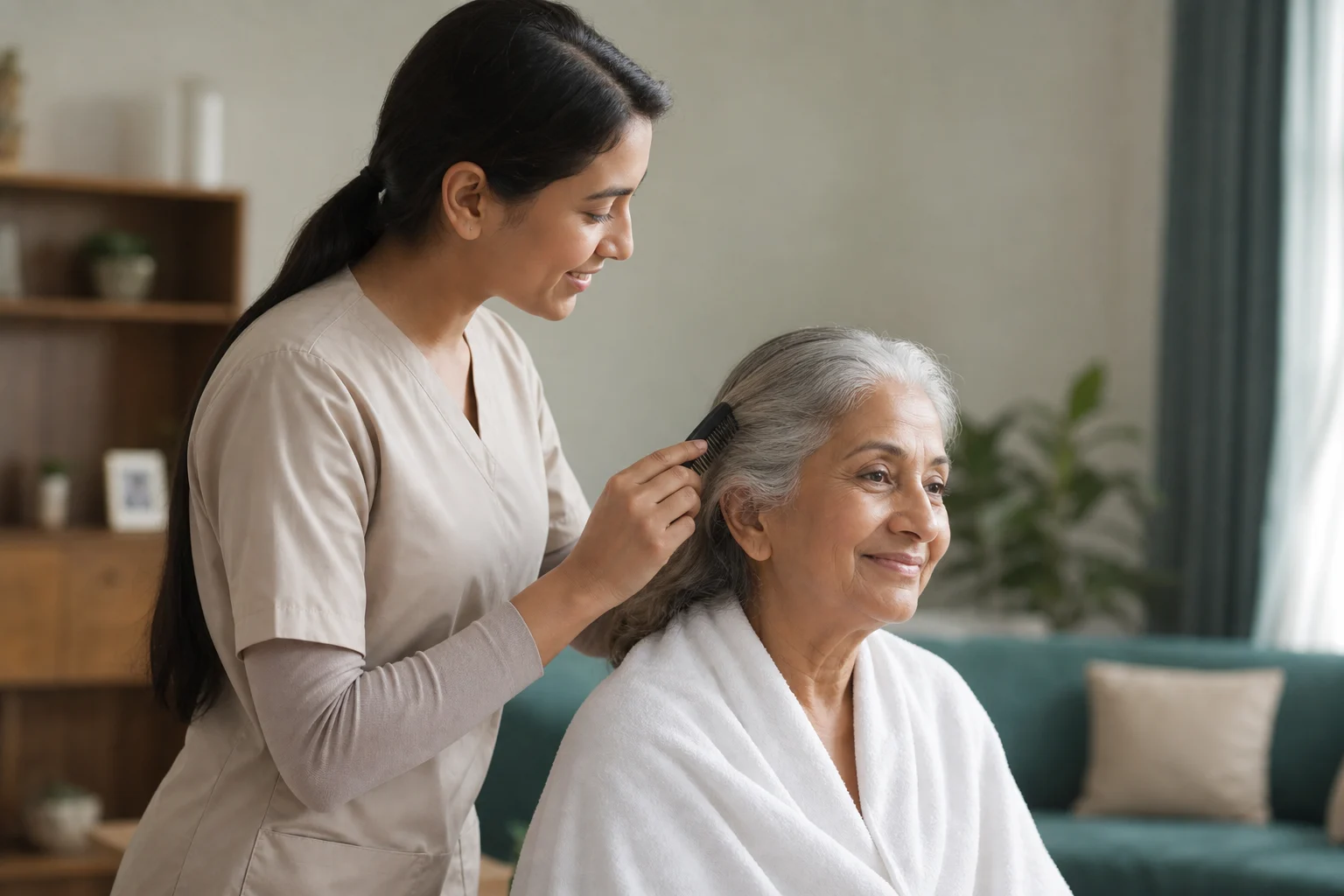
- Assistance with Activities of Daily Living (ADLs): Nurses can assist patients with personal care tasks, including bathing, dressing, and eating, ensuring that individuals maintain their dignity and comfort.
- Physical and Occupational Therapy: Some skilled nursing services may include therapy sessions to help patients regain mobility and independence after an illness or injury.
- Education and Support: Nurses can provide education to patients and their families about managing health conditions, lifestyle changes, and preventive care strategies.
To ensure that you receive the best possible care, it's crucial to choose a reputable agency that specializes in skilled nursing at home. Here are some tips for selecting the right provider:
- Check Credentials: Ensure that the nursing agency is licensed and accredited. Look for certifications that indicate the agency meets specific standards of care.
- Read Reviews: Research online reviews and testimonials from other families who have used the agency's services. Personal experiences can provide valuable insights into the quality of care provided.
- Ask About Staffing: Inquire about the qualifications and experience of the nursing staff. It's important that nurses are not only skilled but also compassionate and patient-focused.
- Assess Care Plans: A good agency will develop a personalized care plan based on the patient’s individual needs. Ask how they assess and adjust care plans over time.
- Availability and Support: Confirm that the agency can provide support when needed, including on-call services for emergencies or unexpected changes in the patient’s health.
Insurance coverage for skilled nursing at home can vary widely, so it’s essential to verify what services are covered under your insurance plan. Medicare, for example, may cover skilled nursing services if certain criteria are met, such as being homebound and needing skilled care on a part-time basis. Understanding your insurance benefits will help you make informed decisions about the type of care that is affordable and accessible.
To the practical aspects of skilled nursing at home, it’s important to consider the emotional impact on both the patient and their family. Many patients feel more comfortable and secure in their own environment, which can significantly enhance their mental well-being. Home is often associated with positive memories and a sense of control over one’s surroundings, which can be vital during recovery.
Family members also play a crucial role in the skilled nursing process. Encouraging open communication between nurses and family can lead to better-coordinated care. Family members should feel empowered to ask questions, express concerns, and participate in care planning. This collaborative approach can help ensure that everyone is on the same page regarding the patient's care, leading to better outcomes.
Skilled nursing at home can significantly reduce hospital readmissions. Studies indicate that patients who receive skilled nursing care at home are less likely to return to the hospital compared to those who do not receive such services. This is primarily due to the constant monitoring and proactive management of health conditions, which can prevent complications that often lead to hospital visits.
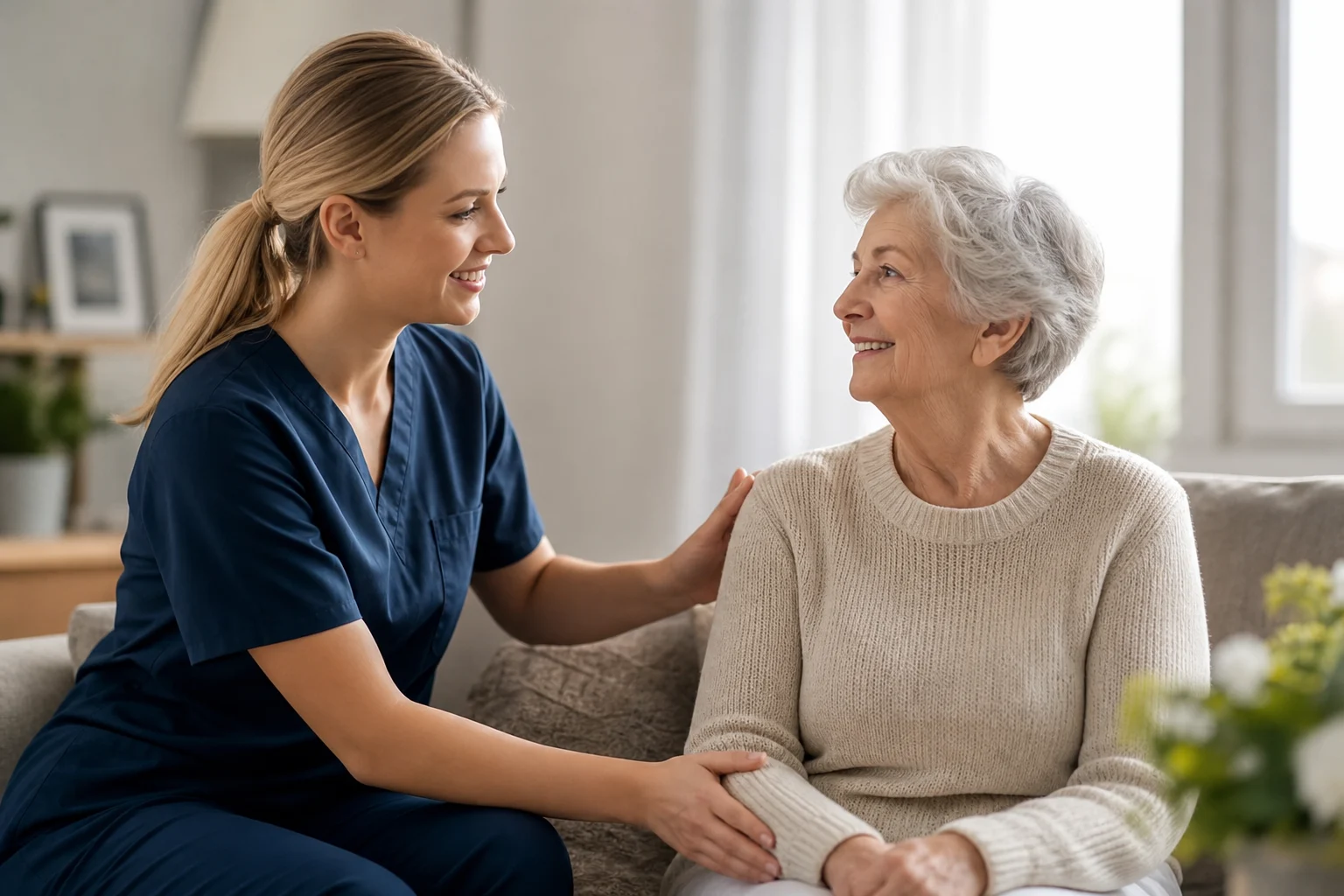
It is essential to recognize that skilled nursing at home is not just about medical care; it is also about enhancing the quality of life for patients. Nurses are trained to provide companionship and emotional support, helping to combat feelings of isolation that can occur, especially among elderly individuals. Engaging patients in conversation, encouraging hobbies, and providing mental stimulation can greatly contribute to their overall happiness and well-being.
Skilled nursing at home represents a vital service for those who need medical care while wishing to maintain their independence. By understanding the benefits, services offered, and how to choose the right provider, families can make informed decisions that lead to improved health outcomes and enhanced quality of life for their loved ones.
Types of Services Provided
Skilled nursing services encompass a wide range of medical and personal care tasks. At Ability Homes, our in-home nursing care includes, but is not limited to:
- Medication Management: Administering medications, managing prescriptions, and ensuring compliance with treatment plans.
- Wound Care: Professional treatment for wounds, including dressing changes and monitoring for signs of infection.
- Vital Signs Monitoring: Regular checks of blood pressure, heart rate, and other vital signs to track health status.
- Rehabilitation Services: Assistance with physical therapy, occupational therapy, or speech therapy as prescribed by a physician.
- Personal Care Assistance: Help with daily living activities such as bathing, grooming, and meal preparation.
- Patient Education: Providing information and support for patients and families to better understand health conditions and care needs.
These services are tailored to meet the individual needs of each client, ensuring a comprehensive approach to health and wellness.
Qualifications of Skilled Nurses
Skilled nurses are highly trained professionals with specific qualifications that enable them to provide exceptional care. In general, qualified skilled nurses possess the following:
- Licensure: Registered Nurses (RNs) or Licensed Practical Nurses (LPNs) must hold valid licenses issued by their respective state boards of nursing.
- Education: A degree in nursing from an accredited institution, along with clinical training experience.
- Specialized Training: Additional certifications in areas such as wound care, medication management, or geriatric care can enhance their expertise.
- Experience: Practical experience in providing care in various settings, including hospitals and home health care.
- Soft Skills: Strong communication, empathy, and problem-solving abilities are essential for effective patient interaction and care delivery.
These qualifications ensure that families can trust the care their loved ones receive at home, knowing it is delivered by competent and compassionate professionals.
The Benefits of Skilled Nursing at Home
Choosing skilled nursing at home offers numerous advantages, particularly for families seeking to balance professional care with the comfort of home. Some of the key benefits include:
- Comfort and Familiarity: Patients recover better in a familiar environment, surrounded by loved ones and personal belongings. The psychological benefits of being at home cannot be overstated; familiar sights, sounds, and even smells can significantly enhance a patient's mood and overall well-being. For example, a patient recovering from surgery may find solace in their own bed, surrounded by family photos and cherished items, which can facilitate a quicker recovery process.
- Personalized Care: Skilled nursing services are tailored to meet the unique needs of each individual, ensuring focused attention on their health concerns. Unlike the one-size-fits-all approach often found in hospitals or nursing homes, home care providers conduct thorough assessments to create customized care plans. This could include medication management, physical therapy, or even assistance with daily activities such as bathing and dressing. For instance, a skilled nurse can help a diabetic patient manage their blood sugar levels through tailored nutritional advice and regular monitoring, which is often more effective in a home setting.
- Flexibility: Care can be scheduled based on the patient’s needs, allowing for more adaptable arrangements than traditional nursing facilities. Families can choose specific times for care services, accommodating other life responsibilities such as work or school. This flexibility not only alleviates stress for family members but also allows patients to engage in social activities or family gatherings, enhancing their overall quality of life. For example, a caregiver can adjust their schedule to ensure they are available during family meals or events, promoting social interaction which is crucial for emotional health.
- Enhanced Independence: In-home care promotes autonomy, helping individuals maintain their independence while receiving necessary support. Patients often feel more empowered when they can make choices about their care and daily routines. Skilled nurses can assist with mobility and daily tasks while encouraging patients to participate actively in their recovery, which can be incredibly motivating. For instance, a skilled nurse might assist a patient with exercises that improve their strength and mobility, allowing them to regain independence in their own home, which is essential for their mental and emotional health.
- Cost-Effectiveness: In many cases, receiving care at home can be more affordable than extended stays in hospitals or nursing homes. Home health care services can be billed hourly, allowing families to pay only for the care they need, which can lead to significant savings. Many insurance plans cover skilled nursing at home, making it a financially viable option for many families. By avoiding the high costs associated with institutional care, families can allocate funds toward other essential needs, such as therapy or medications.
To these key benefits, skilled nursing at home also provides a unique opportunity for families to engage in the care process actively. Families can participate in care planning and decision-making, which fosters a supportive environment for the patient. This collaborative approach not only helps families feel more in control but also enhances communication between caregivers and family members, ensuring everyone is on the same page regarding the patient's health and care strategies.
Another significant advantage is the continuity of care that skilled nursing at home offers. Patients often see the same nurse or caregiver regularly, which builds trust and rapport. This relationship can lead to better health outcomes as the caregiver becomes familiar with the patient's medical history, preferences, and specific needs. For example, a caregiver who understands a patient’s unique response to medication can make timely adjustments to treatment plans, potentially avoiding hospital readmissions and other complications.
Skilled nursing at home also allows for an integrated approach to care. Home health care providers often collaborate with physicians, therapists, and other health professionals to create a holistic care plan. This coordination ensures that all aspects of a patient's health are considered, from physical to emotional well-being. For instance, a home health nurse may work alongside a physical therapist to develop an exercise regimen tailored to a patient's recovery goals, leading to more comprehensive care.
Skilled nursing at home can be particularly beneficial for individuals with chronic illnesses or complex medical conditions. Nurses trained in specialized areas can provide advanced care, such as wound care, intravenous therapy, or chronic disease management, directly in the patient's home. This level of specialized care is often not feasible in traditional settings, and it can lead to improved health outcomes and enhanced quality of life for patients.
Skilled nursing services can also support family members who may feel overwhelmed by the demands of caregiving. By providing respite care, skilled nursing at home allows family caregivers to take a much-needed break, reducing burnout and stress. This not only benefits the caregivers but also ensures that patients receive attentive and quality care, as family members can return to their caregiving roles refreshed and more capable of providing support.
The benefits of skilled nursing at home extend far beyond basic health care. From promoting comfort and familiarity to enhancing independence and providing personalized, flexible care, home health services offer a comprehensive solution that meets the diverse needs of patients and their families. As the demand for home health care continues to grow, understanding these benefits can empower families to make informed decisions about their loved ones' health care needs.
How to Choose the Right Home Health Care Provider
Selecting a home health care provider is a critical decision that requires careful consideration. Here are some factors to keep in mind when looking for skilled nursing services:
- Reputation: Research providers in your area and read reviews or testimonials from other families.
- Services Offered: Ensure that the provider offers the specific skilled nursing services your loved one requires.
- Staff Qualifications: Verify the credentials and experience of the nursing staff to ensure they meet professional standards.
- Availability: Check if the provider can accommodate your schedule and provide care as needed, including 24/7 support if necessary.
- Communication: Choose a provider that maintains open lines of communication with patients and families, fostering a collaborative care environment.
Why Choose Ability Homes for Skilled Nursing at Home
At Ability Homes, we pride ourselves on delivering exceptional home health care services tailored to the needs of our clients in Brooklyn Park, MN. Our skilled nursing team is dedicated to enhancing the independence and well-being of our clients, providing compassionate care that prioritizes their individual needs.
With our commitment to quality and personalized service, families can trust that their loved ones are in capable hands. We understand that every client is unique, and we work closely with families to develop customized care plans that promote health and comfort.