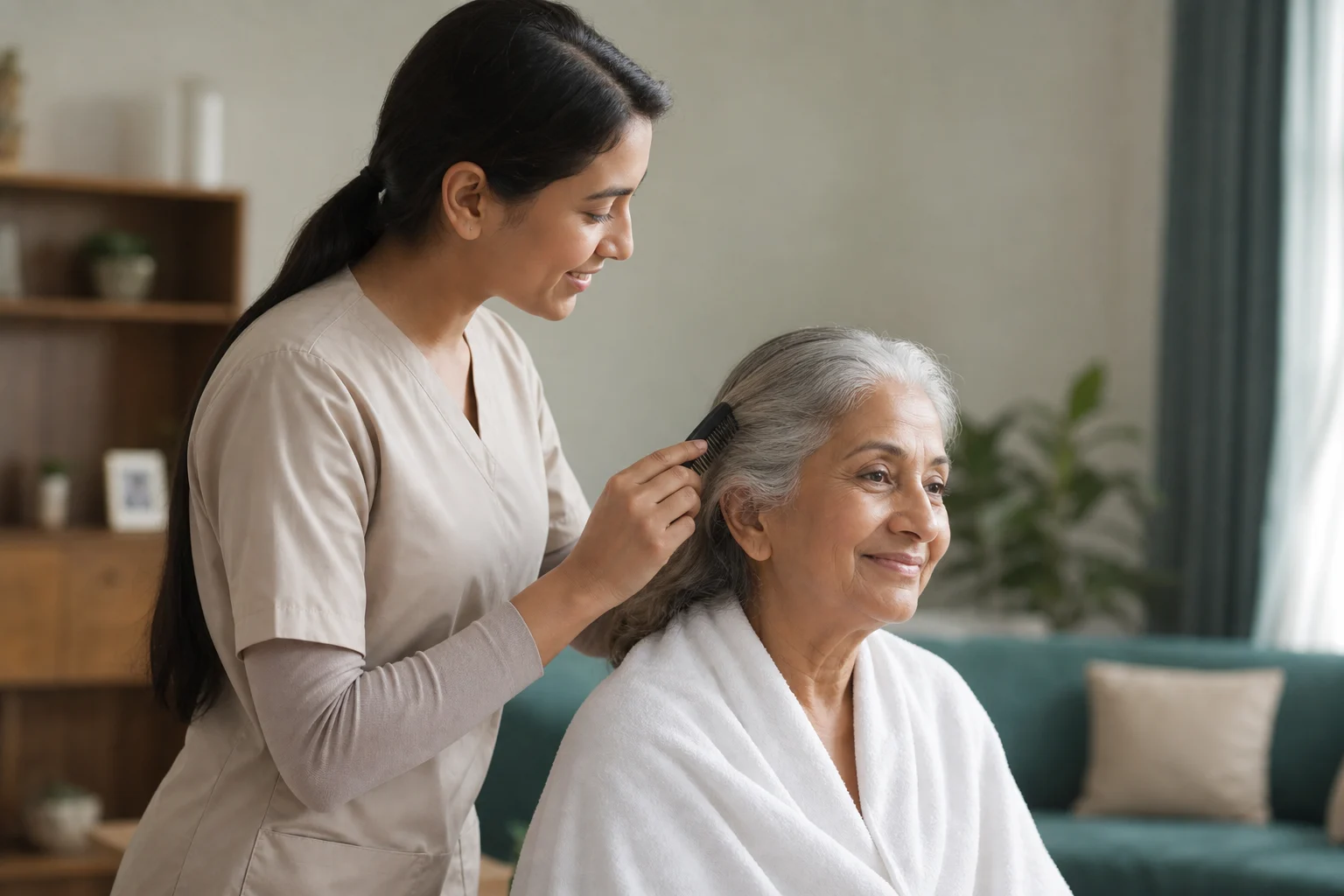
Affordable Senior Care: Making Quality Care Accessible
As families navigate the complexities of caring for aging loved ones, the search for affordable senior care becomes a vital concern. The balance between quality and cost is often challenging to achieve, especially when it comes to finding the right support for seniors. At Ability Homes, we understand that every family desires exceptional care for their elderly relatives without the burden of exorbitant costs. Our mission is to provide tailored home health care solutions that enhance the independence and well-being of seniors in Brooklyn Park, MN.
Understanding Affordable Senior Care
Affordable senior care does not mean compromising on quality. It refers to a range of elder care services designed to meet the unique needs of seniors at a price point that is manageable for families. This can include in-home elder support, which allows seniors to receive assistance in the comfort of their own homes. It can also encompass various levels of care, from basic support to comprehensive 24/7 elderly care.
Types of Affordable Senior Care Services
When considering elder care services, it’s essential to explore the different options available that cater to various needs and budgets. Here are some common types of services that Ability Homes offers:
- In-home elder support: This service provides seniors with assistance in daily living tasks such as bathing, dressing, and meal preparation. Our caregivers work to ensure that seniors maintain their dignity and independence while receiving the help they need.
- Nursing services: For seniors with medical needs, our licensed nurses provide essential health care, including medication management, wound care, and health monitoring. This service is crucial for families seeking professional medical support at home.
- 24/7 elderly care: Some seniors require round-the-clock attention. Our 24/7 care services ensure that someone is always available to assist with any needs that may arise, providing peace of mind for families.
- Companionship services: Loneliness can significantly impact a senior’s quality of life. Our caregivers provide companionship, engaging seniors in conversation, and activities to help them feel connected and valued.
The Importance of Quality in Care
While affordability is critical, the quality of care should never be overlooked. Quality care is characterized by several key factors that ensure seniors receive the support they need in a dignified and compassionate manner. Investing in quality senior care not only enhances the lives of the elderly but also provides peace of mind for their families.
One of the primary components of quality care is the presence of trained professionals. At Ability Homes, we prioritize hiring skilled caregivers who possess not just the technical skills necessary for physical assistance, but also the empathy and understanding required to nurture the emotional well-being of seniors. Caregivers undergo extensive training that covers a variety of essential areas, including:
- Personal Care Skills: From assisting with daily activities like bathing and dressing to ensuring proper nutrition, caregivers are trained to help seniors maintain their independence while providing support as needed.
- Communication Techniques: Effective communication is crucial in senior care. Our caregivers learn how to engage with seniors, listen actively, and respect their wishes, which helps in building trust and rapport.
- Emergency Response: Caregivers are trained in first aid and CPR, enabling them to act swiftly and effectively in case of emergencies, thus ensuring the safety of seniors.
The development of personalized care plans is a cornerstone of quality care. Each senior is unique, with distinct needs, preferences, and medical histories. At Ability Homes, our approach involves creating individualized care plans that cater specifically to these factors. To achieve this, we take the following steps:
- Initial Assessment: We begin with a comprehensive assessment of the senior's physical health, mental health, social needs, and personal preferences. This helps us understand the specific challenges they face and what their ideal care looks like.
- Involving Family Members: Family input is invaluable. We encourage families to share their insights and concerns, which helps us create a well-rounded care plan that respects the senior’s lifestyle and values.
- Ongoing Evaluation: Care plans are not static. We regularly revisit and revise care plans based on the senior's evolving needs, ensuring that they continue to receive the most appropriate support as their circumstances change.
Another vital aspect of quality care is the implementation of regular assessments. Monitoring a senior’s health and well-being is essential for providing effective care. At Ability Homes, our caregivers conduct routine check-ins and assessments to keep track of any changes in health status, medication adherence, and overall emotional state. These evaluations are crucial for:
- Identifying Health Issues Early: Regular assessments allow us to catch potential health problems before they escalate, facilitating timely interventions that can prevent hospitalizations.
- Adjusting Care Plans: As seniors’ conditions change, their care plans must be updated accordingly. This flexibility ensures that they are always receiving the right type and level of care.
- Enhancing Quality of Life: By understanding and addressing the changing needs of seniors, we can implement strategies that enhance their quality of life, such as introducing new activities or therapies that cater to their interests.
Quality care encompasses holistic approaches that address not only physical health but also emotional and social well-being. At Ability Homes, we believe in the importance of a well-rounded care strategy that includes:
- Social Engagement: We encourage caregivers to engage seniors in social activities, whether in group settings or one-on-one interactions. This could involve playing games, organizing outings, or simply having meaningful conversations, all of which combat loneliness and promote mental health.
- Physical Activities: Keeping seniors physically active is essential for maintaining their health. Our caregivers are trained to incorporate appropriate exercises into daily routines, tailored to each senior's capabilities and preferences.
- Emotional Support: Caregivers are trained to recognize signs of depression or anxiety in seniors. They provide emotional support through active listening, companionship, and encouraging seniors to express their feelings.
It is also important to consider family involvement in the care process. Quality care extends beyond just the senior; it involves the family, too. We emphasize the importance of communication between caregivers and family members. Regular updates and consultations allow family members to stay informed and involved in their loved one's care, fostering a collaborative environment. This partnership is crucial for:
- Building Trust: When families feel included in the care process, it builds trust in the caregivers and the care provided.
- Sharing Knowledge: Family members often have valuable insights into the senior's preferences and history, which can enhance the effectiveness of the care plan.
- Providing Emotional Support: Families can offer additional emotional support to seniors, which complements the care they receive from professionals.
While affordable senior care is a priority, the importance of quality in that care cannot be overstated. At Ability Homes, we are committed to providing affordable solutions without compromising on the quality of care. By focusing on trained professionals, personalized care plans, regular assessments, holistic approaches, and family involvement, we ensure that seniors receive the dignified, respectful, and compassionate care they deserve.
How to Choose Affordable Senior Care
When selecting an affordable senior care option, consider the following steps:
- Assess needs: Identify the specific needs of your loved one. Are they looking for companionship, personal care, or medical support? Understanding their requirements will guide your selection. For instance, if your loved one requires assistance with daily activities such as bathing, dressing, or meal preparation, you may want to explore in-home care services that provide personal care aides. Alternatively, if they need medical assistance, such as medication management or physical therapy, consider home health care services or skilled nursing care.
- Research providers: Look into local home health care providers like Ability Homes. Read reviews, check credentials, and ask for recommendations from other families. It can be helpful to visit their websites to learn more about their services and approach to care. Don’t hesitate to contact local senior centers or community organizations, as they often have resources and can provide valuable insights into reputable providers in your area. Consider scheduling interviews with potential providers to get a feel for their approach and philosophy toward senior care.
- Evaluate costs: Discuss pricing structures with potential providers. Some may offer flexible payment options or financial assistance programs to help families manage costs. Be aware of the different types of fees that may be involved, such as hourly rates for caregivers, flat fees for specific services, or costs associated with additional services like transportation or meal delivery. It's also important to inquire about payment methods accepted, including insurance coverage, Medicaid, or private pay options. Understanding the full financial picture will help you make an informed decision.
- Request a consultation: A meeting with the care provider allows you to ask questions, gauge compatibility, and see how they interact with your loved one. During this consultation, it’s essential to address any specific concerns you may have, such as the caregiver's training, experience, and approach to care. Observe the interaction between the caregiver and your loved one to ensure that there’s a good rapport. Ask about their policies regarding caregiver turnover, backup support, and how they handle emergencies. A trustworthy provider will be transparent about their practices and willing to answer all your questions.
Beyond these initial steps, it’s important to consider the long-term implications of your choice. Here are additional factors to keep in mind when choosing affordable senior care:
Understand the Levels of Care
Senior care is not a one-size-fits-all solution. Familiarize yourself with the various levels of care available and how they align with your loved one’s needs. Senior care can range from independent living communities to assisted living facilities and in-home care services. Each option has its own cost structure and level of support. For instance:
- Independent Living: Ideal for seniors who are relatively healthy and active but may need assistance with certain tasks. These communities often offer social activities and meal services.
- Assisted Living: Provides a higher level of support for daily activities, including personal care and medication management, while still promoting independence.
- In-Home Care: Offers personalized care in the comfort of your loved one’s home. This option can be tailored to their specific needs, whether that’s companionship, housekeeping, or medical assistance.
- Nursing Homes: Designed for individuals who require constant medical care and supervision. This option is typically more expensive but is necessary for those with significant health issues.
Check for Accreditation and Licensing
Before making a decision, ensure that the care provider is properly accredited and licensed. In the United States, home health care agencies must meet state-specific requirements to operate legally. You can verify their credentials through your state’s health department or regulatory agency. Accreditation from organizations such as The Joint Commission or the National Institute for Home Care can also indicate a commitment to quality standards.
Consider the Caregiver’s Qualifications
The quality of care your loved one receives will largely depend on the caregiver. Inquire about the qualifications of the caregivers employed by the agency. Are they trained in CPR, first aid, and specialized care techniques? Do they receive ongoing education and training? Many agencies also conduct background checks on their employees; ensure that this is part of their hiring process. A well-trained caregiver who is compassionate and patient can significantly enhance your loved one’s quality of life.
Involve Your Loved One in the Decision-Making Process
Including your loved one in the decision-making process can make a significant difference in their comfort and satisfaction with the care they receive. Discuss their preferences and concerns about different types of care, and encourage them to express what they want in a caregiver. Their input can help ensure that they feel respected and valued, making the transition to receiving care much smoother.
Trial Periods and Flexibility
Many care agencies offer trial periods or flexible arrangements, allowing you to assess whether the caregiver is a good fit for your loved one. Take advantage of these opportunities to observe how well the caregiver meets your loved one’s needs and how they interact. If issues arise, a good agency should be willing to accommodate changes and find a different caregiver if necessary.
Utilize Community Resources
Many communities offer resources and support for families seeking affordable senior care. Organizations such as Area Agencies on Aging can provide information on local services, financial assistance options, and support groups for caregivers. Local non-profits may offer programs that provide care at reduced costs or volunteer services to help seniors remain independent.
Choosing affordable senior care requires thorough research and careful consideration. By following these steps and utilizing available resources, you can find a solution that meets your loved one’s needs while also being budget-friendly. Remember to prioritize open communication with both your loved one and the care provider, as this will foster a supportive environment that promotes well-being and quality of life.
The Role of Ability Homes in Affordable Senior Care
At Ability Homes, we pride ourselves on offering a range of home health care services that are both affordable and high-quality. Our dedicated team is committed to enhancing the independence of our clients in Brooklyn Park, MN. We recognize that each family’s situation is unique, and we work diligently to provide solutions that fit their specific needs and budget.
Our approach is built on trust, compassion, and professionalism. We ensure that our caregivers are not only skilled but also genuinely care about the well-being of those they serve. With our services, families can rest assured that their loved ones are in good hands.