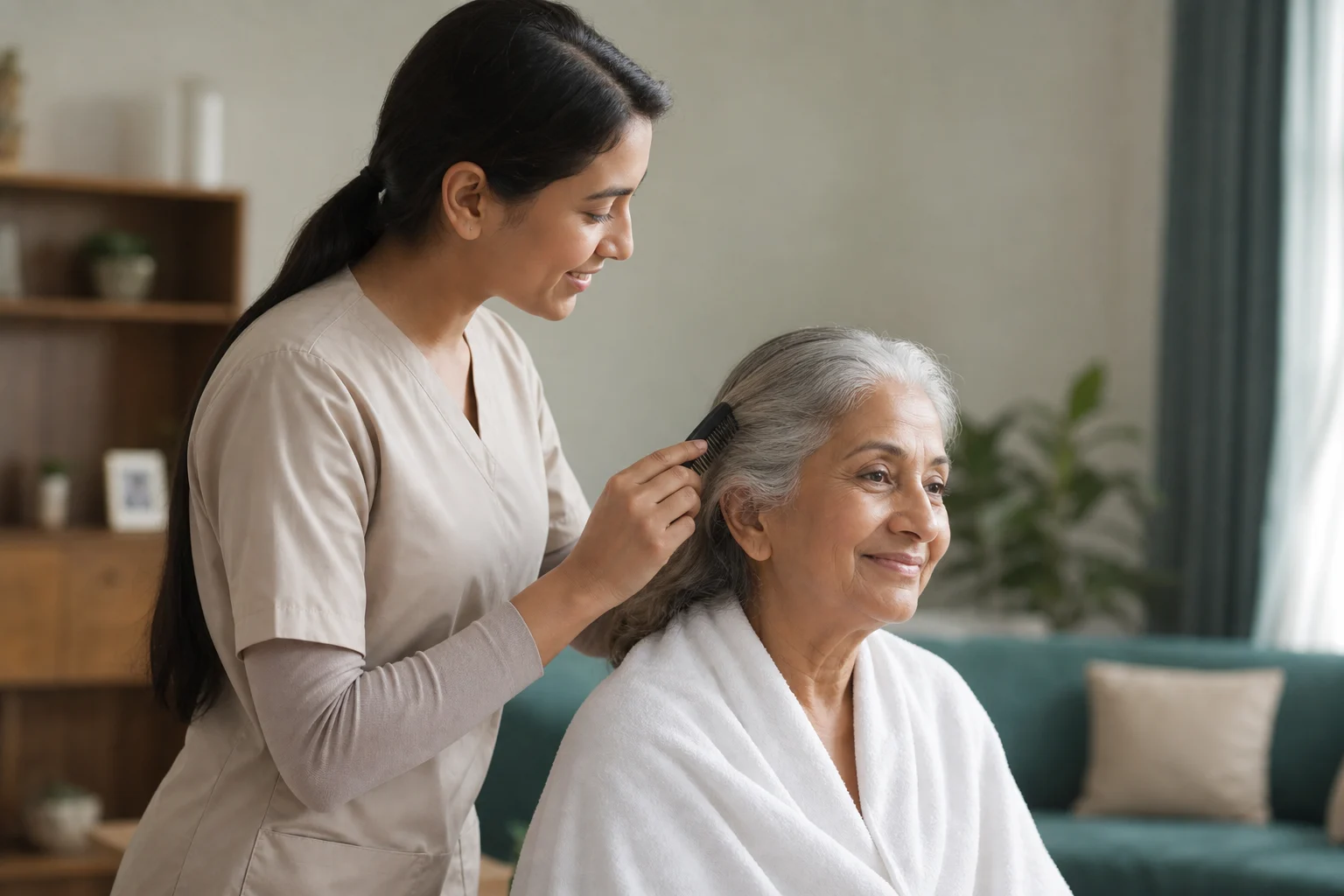
Understanding the Importance of Elder Care Services for Your Loved Ones
As our loved ones age, their needs evolve, and it becomes increasingly important to ensure they receive the right support and care. The journey of providing care for seniors can be a challenging one, filled with emotional and practical considerations. Understanding the importance of elder care services is crucial for families seeking to enhance the quality of life for their aging relatives. At Ability Homes, we specialize in home health care services that are tailored to meet the unique needs of seniors, ensuring they receive the personalized assistance they deserve.
The Benefits of Elder Care Services
Choosing elder care services for your loved ones can significantly impact their health, happiness, and overall well-being. Here are some key benefits that underline the importance of these services:
- Enhanced Quality of Life: Elder care services focus on improving the quality of life for seniors. By providing personalized care, seniors can engage in activities they enjoy, maintain social connections, and experience a sense of independence.
- Safety and Security: Many seniors face challenges that can lead to accidents or injuries, such as mobility issues or cognitive decline. Professional elder assistance ensures that your loved ones are safe at home, with caregivers available to assist with daily tasks.
- Health Management: Elder care services often include health monitoring and management. Caregivers can help manage medications, schedule medical appointments, and ensure that seniors adhere to their healthcare plans.
- Emotional Support: Loneliness and isolation can be significant issues for seniors. Having professional caregivers who provide companionship can help alleviate these feelings, leading to better emotional health.
- Customized Care Plans: One of the standout features of elder care services is the ability to create personalized care plans. This means care can be tailored to meet the specific needs and preferences of each senior.
Types of Elder Care Services Offered
Elder care encompasses a wide range of services designed to support seniors in various aspects of their daily lives. Here are some common types of elder care services provided by organizations like Ability Homes:
- Personal Care Services: This includes assistance with daily activities such as bathing, dressing, grooming, and mobility support. Personalized elder care ensures that seniors maintain their dignity and independence.
- Companionship Services: Companionship is vital for emotional well-being. Caregivers provide social interaction, engage in meaningful conversations, and accompany seniors on outings, fostering a sense of connection.
- Medical and Nursing Care: For seniors with more complex health needs, professional nursing services can be crucial. Registered nurses can administer medications, manage chronic conditions, and provide rehabilitation support.
- Respite Care: Family caregivers often experience burnout. Respite care provides temporary relief, allowing family members to take a break while ensuring their loved ones continue to receive quality care.
- 24/7 Support and Supervision: For seniors who require constant care, round-the-clock support is essential. This ensures that help is always available, providing peace of mind for families.
Choosing the Right Elder Care Provider
Selecting the right elder care provider can be a daunting task, but it is one of the most important decisions you can make for your loved ones. Here are some factors to consider when choosing an elder care service:
- Reputation and Experience: Research the provider’s reputation in the community. Look for reviews, testimonials, and any relevant credentials. Experience in the field can also indicate the quality of care they provide.
- Personalized Care Plans: Ensure the provider is willing to create a customized care plan that meets the specific needs of your loved one. A one-size-fits-all approach is rarely effective in elder care.
- Qualified Staff: Check the qualifications and training of the caregivers. They should be well-trained, compassionate, and equipped to handle various situations that may arise.
- Range of Services: Consider what services are offered. A provider that offers a wide range of services can better accommodate changing needs over time.
- Communication: Open communication is vital. Choose a provider that promotes transparency and keeps you informed about your loved one’s care.
The Role of Ability Homes in Elder Care
At Ability Homes, we understand the complexities and emotional weight involved in caring for aging loved ones. Our mission is to provide compassionate home health care services that enhance the independence and well-being of seniors in Brooklyn Park, MN. Our expert team is dedicated to offering a variety of services, including:
- 24/7 Support: We ensure that our clients receive round-the-clock support, providing peace of mind for families.
- Nursing Services: Our skilled nursing staff is equipped to handle medical needs, from medication management to post-surgery care.
- Daily Personal Care: We assist with everyday activities, ensuring that seniors maintain their dignity and comfort at home.
Our commitment to personalized elder care means that we work closely with families to develop care plans that reflect the unique preferences and needs of each individual. We believe that every senior deserves to thrive in an environment that supports their independence and well-being.
Take the Next Step for Your Loved Ones
Understanding the importance of elder care services is the first step towards ensuring that your loved ones receive the support they need. By choosing professional assistance, you are not only enhancing their quality of life but also alleviating the stress and burden on family caregivers. At Ability Homes, we are here to help you navigate this journey with compassion and expertise.
If you are looking for reliable home health care solutions in Brooklyn Park, MN, we invite you to reach out to us. Our dedicated team is ready to provide the personalized elder care your loved ones deserve. Contact us today to learn more about our services and how we can assist you and your family.
Understanding Different Types of Elder Care Services
When considering elder care services, it's essential to understand the different types available and how they can be tailored to meet the specific needs of your loved ones. Each service has its unique focus and can significantly enhance the quality of life for seniors. Here’s a more detailed breakdown of various elder care services:
1. Home Health Care
Home health care is a popular option for many families. It allows seniors to remain in the comfort of their own homes while receiving the medical and personal care they need. This service often includes:
- Skilled Nursing Care: This involves medical professionals providing care such as wound care, medication administration, and monitoring vital signs.
- Physical and Occupational Therapy: Therapists can work with seniors to improve mobility, strength, and daily functioning.
2. Adult Day Care Services
Adult day care centers provide social and recreational activities for seniors during the day. This option is beneficial for families who may work during the day but want their loved ones to engage socially and receive care. Features of adult day care include:
- Structured Activities: These can include arts and crafts, games, and exercise classes, all designed to keep seniors active and engaged.
- Meal Services: Many centers provide nutritious meals, which can be tailored to meet dietary needs.
3. Memory Care
For seniors experiencing cognitive decline or diseases such as Alzheimer’s, memory care facilities offer specialized environments and trained staff to support their unique needs. Characteristics include:
- Safe Environments: Memory care units are designed to be secure, reducing the risk of wandering.
- Specialized Activities: Programs tailored to stimulate cognitive function, encouraging reminiscence and engagement.
4. Palliative and Hospice Care
For seniors with terminal illnesses or those needing pain management, palliative and hospice care focus on comfort and quality of life. This type of care includes:
- Symptom Management: Providing relief from pain and other distressing symptoms.
- Emotional and Spiritual Support: Helping families cope with the emotional challenges of serious illness.
Deciding on the Right Elder Care Services
Choosing the right elder care services can be a daunting task. Here are some practical steps to guide you through the decision-making process:
Assess Your Loved One’s Needs
Before making any decisions, assess the specific needs of your loved one. Consider factors such as:
- Physical Health: Are there mobility issues or chronic illnesses that need to be addressed?
- Cognitive Abilities: Does your loved one require memory care or assistance with daily tasks?
- Emotional Well-being: How important is companionship and social interaction for them?
Consider Your Family's Situation
Your family's situation plays a crucial role in determining the type of elder care services required. Factors to consider include:
- Availability of Family Caregivers: Are family members available to assist, or do you need full-time professional care?
- Financial Resources: What is your budget for elder care services? Some services may be more affordable than others.
Research Local Providers
Once you have a clear understanding of your loved one’s needs and your family’s situation, research local elder care providers. Look for:
- Licensing and Accreditation: Ensure that the service providers are licensed and have a good standing in the community.
- Reviews and Testimonials: Read reviews from other families to gauge the quality of care provided.
Schedule Consultations
Before settling on a provider, schedule consultations to ask questions and gauge compatibility. Important questions to consider include:
- What services do you offer?
- How do you handle emergencies?
- What training do your caregivers receive?
Cost Considerations for Elder Care Services
The costs associated with elder care services can vary widely based on the type of care, location, and level of service required. Here are some factors to consider:
Understanding Pricing Models
Elder care services can be billed in different ways, including:
- Hourly Rates: Many in-home care services charge by the hour, which can be economical for part-time care.
- Flat Fees: Some facilities, such as assisted living or memory care, may charge a monthly fee covering all services.
- Per Diem Rates: Adult day care services usually charge a daily rate, which can be a cost-effective solution for daytime support.
Financial Assistance Options
Many families are concerned about the financial implications of elder care. Here are some options to explore:
- Medicare: While not all elder care services are covered, some in-home health care services may qualify for Medicare reimbursement.
- Medicaid: For those with limited income and assets, Medicaid can provide assistance with long-term care services.
- Long-term Care Insurance: If your loved one has a long-term care insurance policy, check the benefits and coverage available.
Finding Emotional Support as a Caregiver
Caring for an aging loved one can be both rewarding and overwhelming. It's crucial for caregivers to seek emotional support to maintain their well-being. Here are some strategies:
Join Support Groups
Connecting with others in similar situations can provide comfort and practical advice. Look for local or online support groups for caregivers.
Prioritize Self-Care
It's essential for caregivers to take time for themselves. This can include:
- Regular Exercise: Physical activity can reduce stress and improve mood.
- Hobbies and Interests: Engaging in activities that you enjoy can provide a much-needed break.
Seek Professional Help
If feelings of stress or burnout become overwhelming, consider speaking with a mental health professional. They can provide coping strategies and support tailored to your situation.