Understanding the Benefits of In-Home Elder Care
As our loved ones age, the decision regarding their care becomes one of the most significant considerations families face. In-home elder care has emerged as a compassionate and practical solution that not only supports seniors in maintaining their independence but also offers peace of mind to families. At Ability Homes, we understand the complexities of these decisions and are committed to providing exceptional home health care services tailored to meet the unique needs of each individual. In this article, we will explore the emotional, physical, and financial benefits of in-home elder care, helping you make informed choices for your loved ones in Brooklyn Park, MN.
The Emotional Benefits of In-Home Elder Care
One of the most compelling reasons families opt for in-home elder care is the emotional well-being it fosters in seniors. Aging can often bring feelings of loneliness, loss of independence, and anxiety about the future. In-home care addresses these concerns in several ways:
- Familiar Surroundings: Staying in a familiar environment helps seniors feel secure and comfortable, reducing the stress that can accompany transitions to unfamiliar settings, such as nursing homes or assisted living facilities.
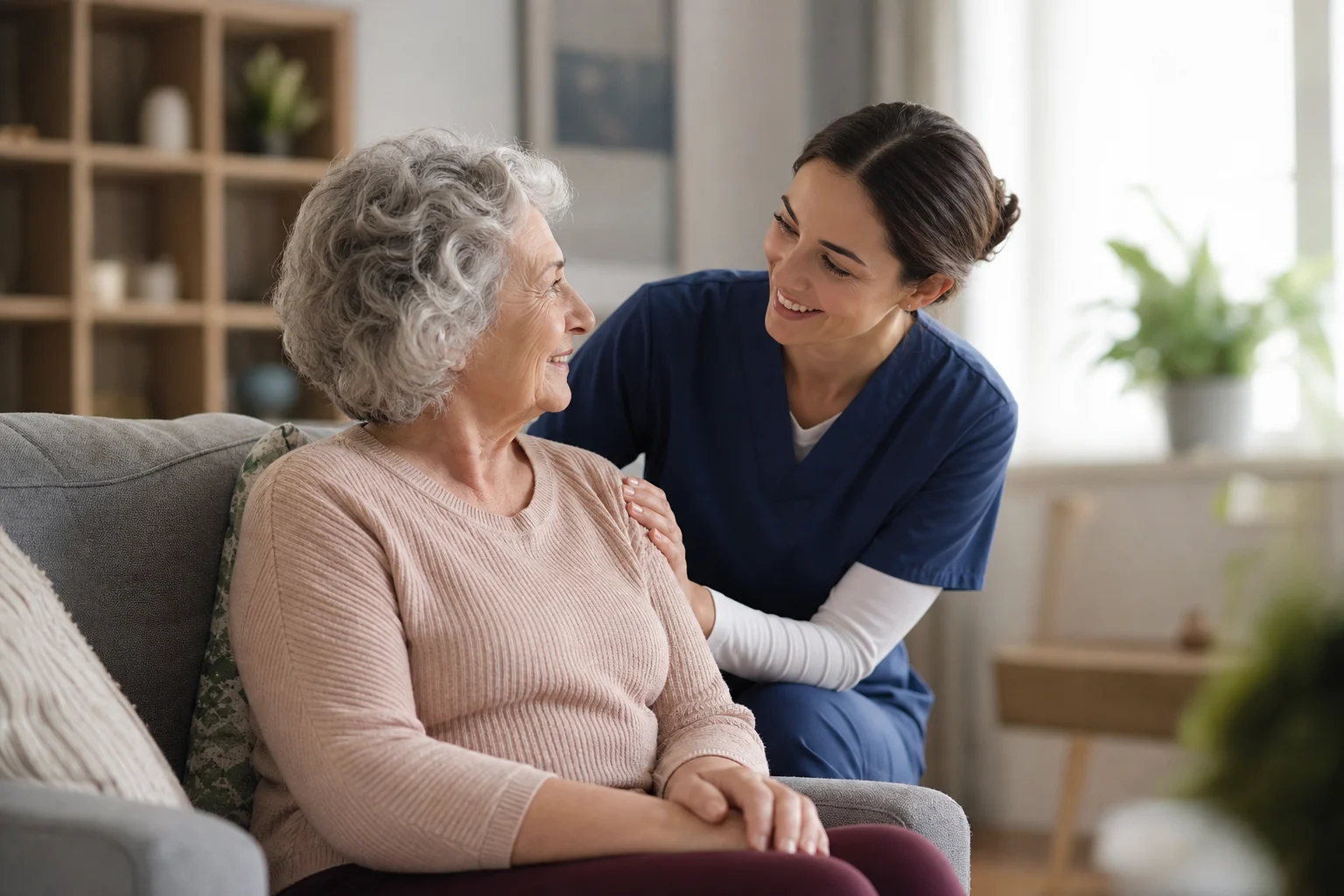
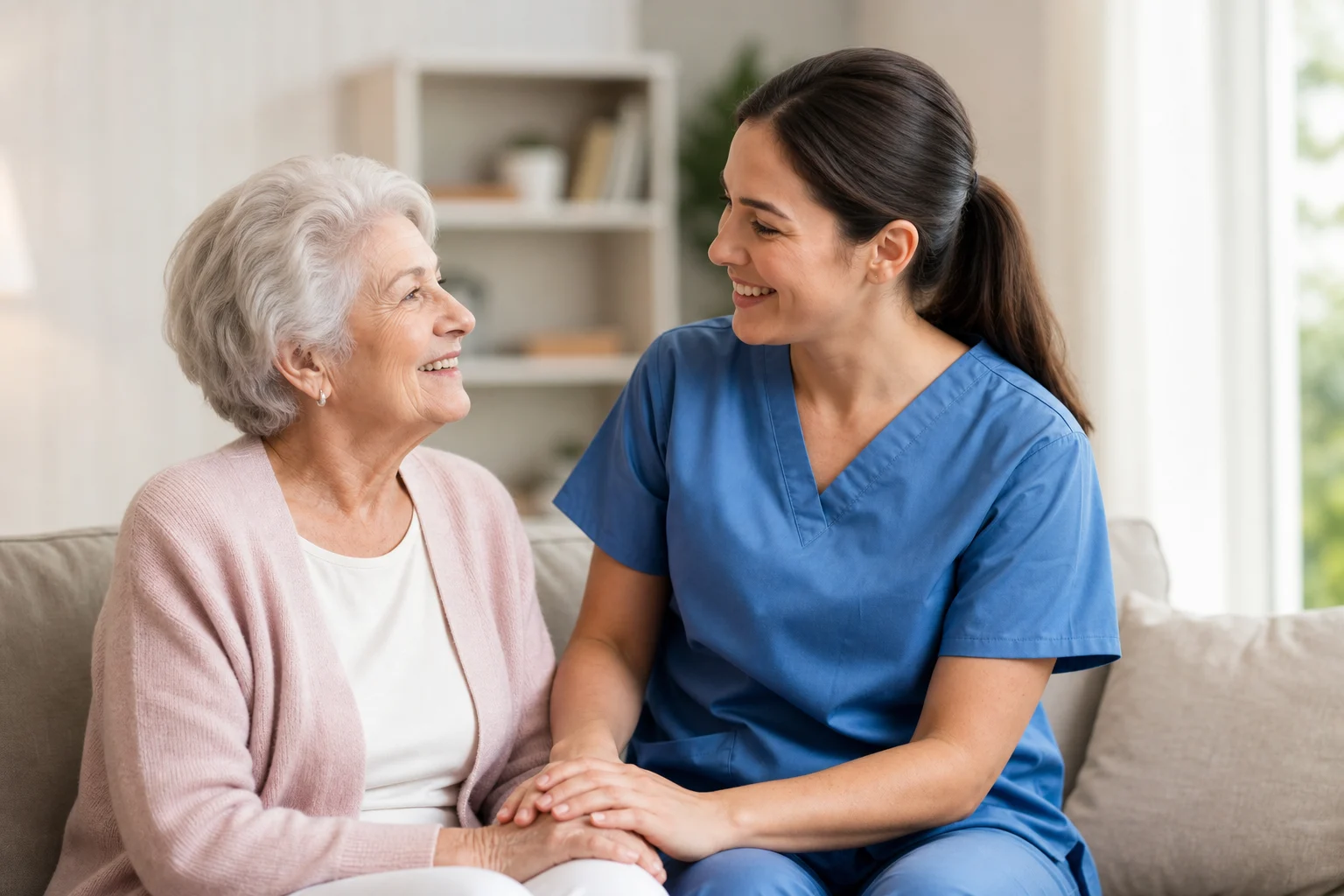
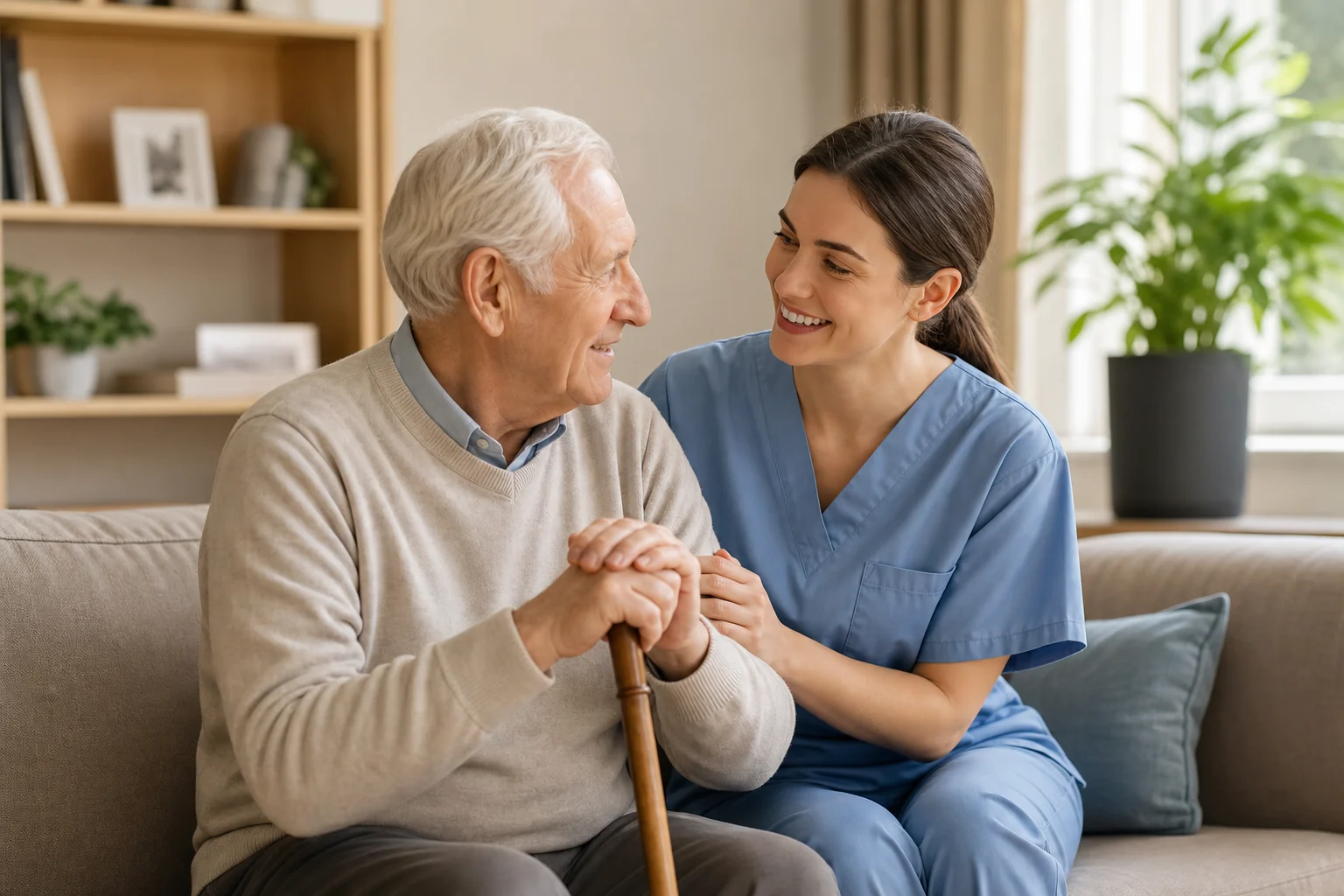
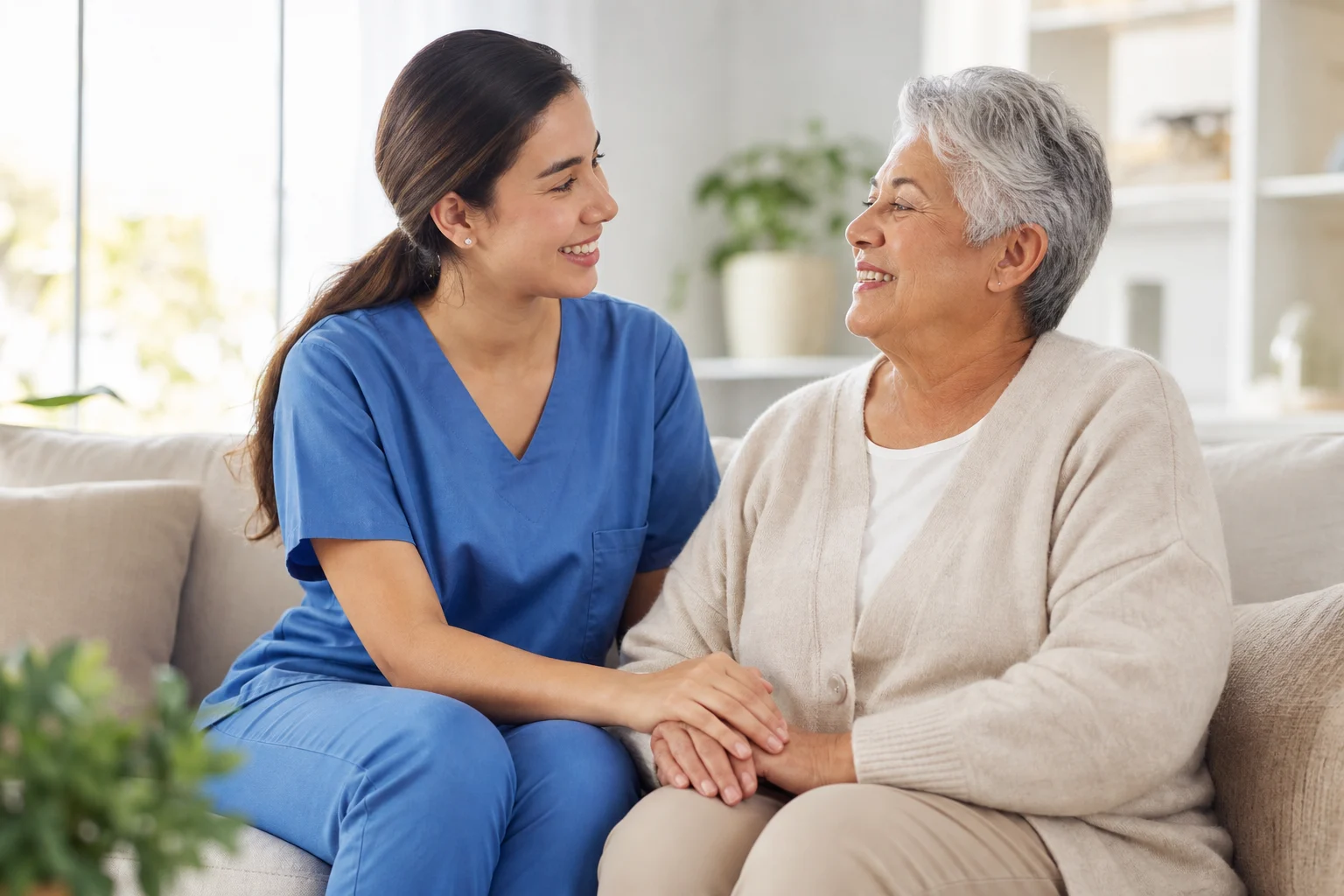
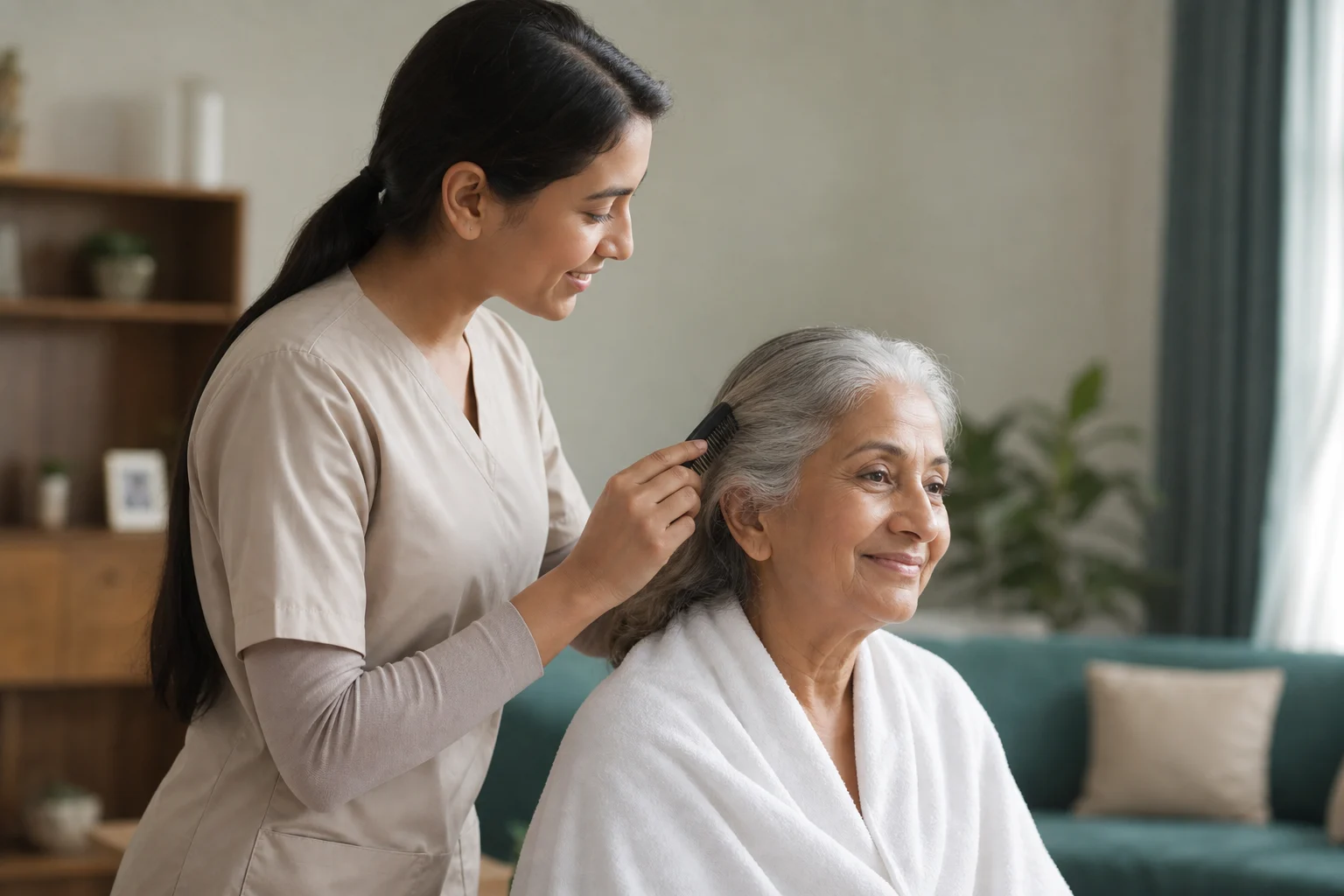
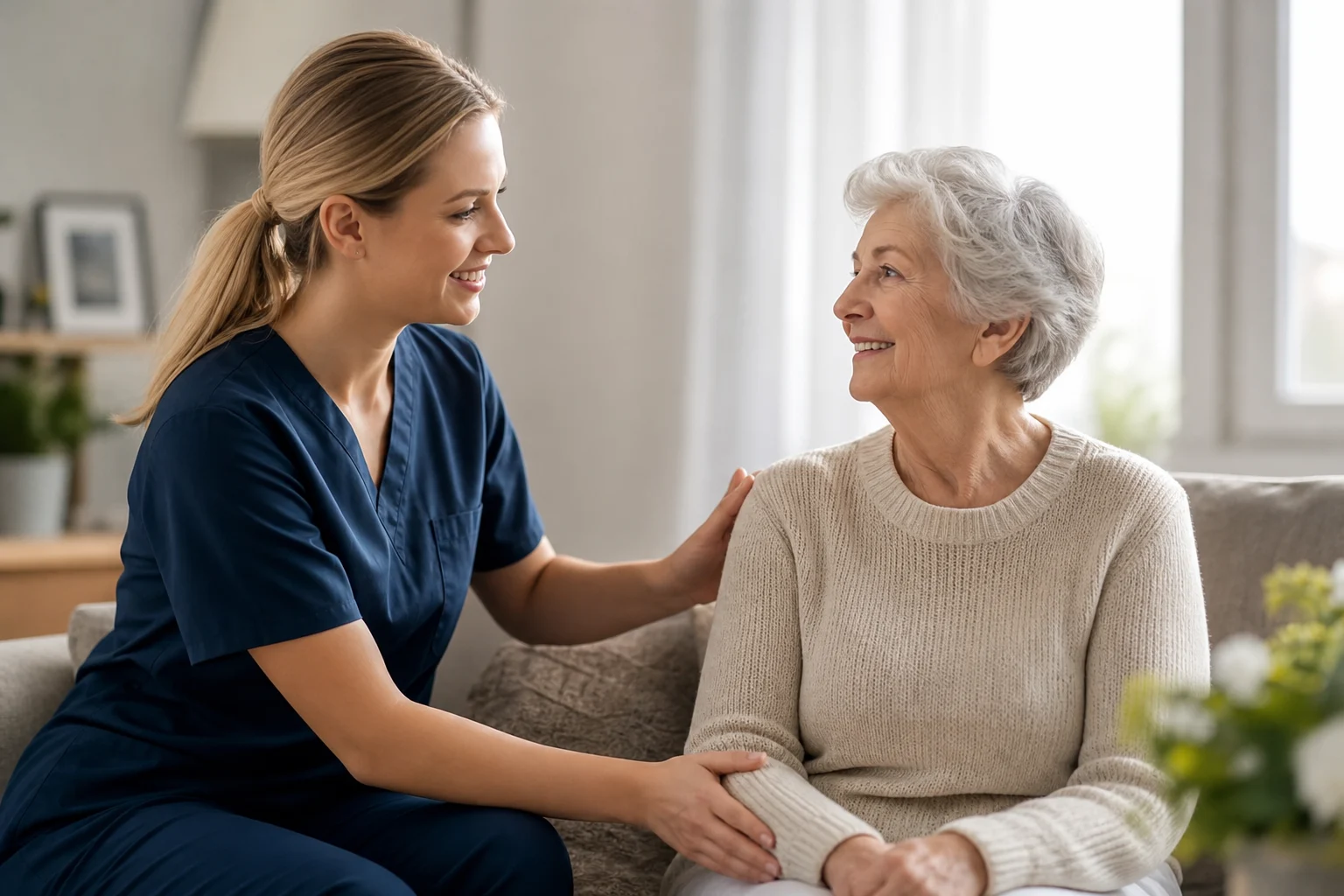
- Personalized Companionship: In-home care provides not just physical assistance but also companionship. Caregivers from Ability Homes are trained to engage with clients, offering conversation and activities that cater to their interests, which significantly alleviates feelings of isolation.
- Family Involvement: In-home elder care allows families to remain closely involved in their loved one’s care. This involvement can enhance the emotional bond and provide reassurance that their family member is receiving the best possible support.
- Maintaining Dignity: Seniors often feel a loss of control in institutional settings. In-home care allows them to maintain their routine and lifestyle, helping to preserve their dignity and sense of self-worth.
The Physical Benefits of In-Home Elder Care
Beyond emotional support, in-home elder care provides numerous physical benefits that contribute to the overall health and well-being of seniors. Here are some key advantages:
- Customized Care Plans: At Ability Homes, our caregivers develop personalized care plans that address the specific needs of each client. This can include assistance with daily tasks such as bathing, dressing, meal preparation, and medication management, ensuring that seniors receive the help they need when they need it.
- Promoting Independence: In-home elder care supports seniors in performing tasks they can manage on their own, encouraging independence while providing assistance as required. This balance fosters a sense of achievement and self-reliance.
- Regular Health Monitoring: Caregivers can monitor vital signs and health changes, ensuring that any potential issues are identified and addressed promptly. This proactive approach can significantly improve health outcomes and prevent hospitalizations.
- Safe Environment: Home health care services can help modify the living space to prevent accidents and falls, making it safer for seniors to navigate their homes. This may include installing grab bars, ensuring adequate lighting, and removing tripping hazards.
The Financial Benefits of In-Home Elder Care
While many families initially perceive in-home elder care as a costly option, a deeper analysis reveals several financial advantages:
- Cost-Effective Care: In many cases, in-home care is more affordable than assisted living or nursing homes. Families can tailor the level of care to their budget, opting for part-time or full-time services as needed.
- Insurance and Financial Aid: Many insurance plans and financial aid programs cover in-home elder care services. At Ability Homes, we can help navigate these options to maximize your benefits and reduce out-of-pocket expenses.
- Avoiding Hospitalization: By providing regular monitoring and assistance, in-home care can help prevent health crises that may lead to costly hospitalizations. This proactive approach not only enhances the quality of life but also reduces overall healthcare expenses.
- Preserving Assets: Choosing in-home care allows families to preserve their loved one’s assets, as they can remain in their home rather than moving into facilities that may require significant financial outlay.
Ability Homes: Committed to Quality Care
At Ability Homes, we pride ourselves on the compassionate and professional home health care services we provide. Our team is dedicated to enhancing the independence of our clients in Brooklyn Park, MN. We offer a range of services designed to meet the unique needs of each individual, including:
- 24/7 Support and Supervision: Our caregivers are available around the clock to provide assistance and ensure the safety of your loved ones.
- Nursing Services: Our skilled nursing staff can manage complex medical needs, ensuring that seniors receive the best possible care.
- Daily Personal Care: From help with bathing and grooming to meal preparation and medication reminders, we offer comprehensive support to help seniors maintain their daily routines.
Making the Right Choice for Your Family
Choosing in-home elder care is a significant decision that requires careful consideration. Families must weigh the emotional, physical, and financial implications to determine the best path forward for their loved ones. Here are some steps to assist in making this important choice:
- Assess Needs: Evaluate the specific needs of your loved one, including medical requirements, daily living tasks, and emotional support. This assessment will guide you in determining the level of care necessary.
- Research Options: Investigate local home health care providers, such as Ability Homes, to understand the services they offer, their reputation, and client testimonials.
- Involve Your Loved One: Whenever possible, include your loved one in discussions about their care. Their preferences and comfort are essential in making a decision that respects their autonomy.
- Consult Professionals: Speak to healthcare providers or social workers who can offer insights into the best care options available based on your loved one's health status and needs.
Invest in Compassionate Care
In-home elder care offers a multitude of benefits that can significantly enhance the quality of life for seniors and provide peace of mind for their families. By choosing services from Ability Homes, you are investing in compassionate, personalized care that respects the dignity and independence of your loved ones. We invite you to reach out to us to learn more about how we can support your family in Brooklyn Park, MN. Together, we can ensure your loved ones receive the exceptional care they deserve.
Prove the quality of care and potentially reduce hospital visits.
The Financial Benefits of In-Home Elder Care
In-home elder care can also provide significant financial advantages compared to traditional nursing homes or assisted living facilities. Understanding these benefits can be crucial for families making financial decisions about long-term care.
- Cost-Effective Solutions: In-home care is often more affordable than institutional care. While nursing homes can cost anywhere from $7,000 to $10,000 per month, in-home care services can be tailored to fit various budgets, allowing families to pay only for the services they need.
- Flexible Payment Options: Many in-home care providers, like Ability Homes, offer flexible payment plans and accept various long-term care insurance policies. This flexibility can ease the financial burden and allow families to plan accordingly.
- Reduced Unforeseen Expenses: In-home care can help prevent costly medical emergencies by providing regular health monitoring and immediate assistance. This preventive approach can lead to significant savings in emergency care costs and hospital stays.
Understanding the Costs of In-Home Care
When considering in-home elder care, it's essential to understand how costs can vary based on several factors:
- Level of Care Required: The more intensive the care needed, the higher the cost. For instance, basic companionship services will cost less than skilled nursing care.
- Hours of Service: Families can choose full-time or part-time care, which will dramatically affect the overall cost. Many families opt for a few hours of care each day, which can be a more economical choice.
- Location: Costs may vary significantly based on geographic location. Urban areas tend to have higher rates compared to rural locations.
Choosing the Right In-Home Care Provider
Selecting the right in-home care provider is a pivotal step in ensuring your loved one's needs are met. Here are some critical considerations to guide your decision:
Assessing Qualifications and Experience
It's crucial to choose a provider with qualified and experienced staff. Look for the following:
- Licensing and Accreditation: Ensure the agency is licensed and accredited by relevant state and national organizations.
- Staff Training: Ask about the training and qualifications of caregivers. They should have relevant certifications in areas like first aid, CPR, and specialized training for specific conditions, such as dementia or mobility issues.
- Background Checks: Reputable agencies conduct thorough background checks on their caregivers to ensure safety and reliability.
Understanding Care Plans
Make sure to inquire about how care plans are developed and adjusted over time. A good provider will:
- Conduct a comprehensive assessment of your loved one’s needs.
- Include input from family members and healthcare professionals in the planning process.
- Regularly review and update care plans as conditions change.
Evaluating Communication and Support
Effective communication is essential for a successful caregiving experience. Ensure your chosen provider:
- Offers transparent communication regarding care plans and changes.
- Has a responsive support system for families to address concerns or questions.
- Provides regular updates on your loved one’s condition and care progress.
Real-Life Examples of In-Home Elder Care Success
Many families have experienced the transformative benefits of in-home elder care. Here are a few success stories that illustrate the positive impact:
Case Study: The Johnson Family
The Johnsons opted for in-home care for their father, who had recently suffered a stroke. Initially, they were hesitant about bringing a caregiver into their home, but they soon realized the benefits:
- The caregiver provided not only physical assistance but also emotional support, engaging Mr. Johnson in meaningful conversations and activities.
- Regular monitoring of his health led to timely interventions, preventing further health complications.
- His recovery was significantly enhanced, allowing him to regain some independence while enjoying the comfort of home.
Case Study: Mrs. Thompson's Journey
Mrs. Thompson, an 82-year-old with early-stage dementia, required assistance with daily tasks. Her daughter chose in-home care to maintain her mother’s routine:
- The caregiver helped Mrs. Thompson with cooking, cleaning, and medication management, ensuring she stayed on track with her health.
- Through social engagement and activities tailored to her interests, the caregiver helped Mrs. Thompson maintain cognitive functions and emotional health.
- Mrs. Thompson’s daughter felt reassured knowing a professional was present to provide care and companionship.
Making the Right Choice for Your Loved Ones
In-home elder care presents a holistic approach to senior care that encompasses emotional, physical, and financial benefits. By choosing personalized care, families can ensure their loved ones receive the support they need while maintaining their dignity and independence. As you consider your options, remember the importance of thorough research and open communication with care providers. In-home care is not just a service; it’s a commitment to enhancing the quality of life for seniors, allowing them to thrive in the comfort of their own homes.
At Ability Homes, we are dedicated to providing compassionate and professional in-home care that meets the unique needs of each individual. Contact us today to learn more about how we can support your family during this important time.
Prove health outcomes for seniors by facilitating timely medical interventions.
Financial Considerations of In-Home Elder Care
While the emotional and physical benefits of in-home elder care are significant, it is also essential to consider the financial aspect. Understanding the costs associated with in-home care can help families make informed decisions that align with their budgetary constraints. Here are some financial benefits and considerations:
- Cost-Effectiveness: In many cases, in-home care can be more affordable than nursing homes or assisted living facilities. Families can choose to pay for only the services their loved one needs, which can lead to substantial savings.
- Flexible Payment Options: Many home care agencies, including Ability Homes, offer various payment plans. These can include hourly rates or monthly packages, allowing families to select the option that best suits their financial situation.
- Insurance Coverage: Some health insurance policies and Medicare may cover certain in-home care services. It’s essential for families to check with their insurance provider to understand what services are covered and how they can benefit from these options.
- Reduced Travel Costs: Families often incur significant expenses when traveling to visit loved ones in care facilities. By opting for in-home care, families can save on travel costs, which can add up over time.
Evaluating In-Home Care Services
Choosing the right in-home care service can be a daunting task. Here are some critical decision points to consider when evaluating options:
- Assessing Needs: Begin with a thorough assessment of the senior’s needs. This should include physical health, emotional support, and daily living activities. Understanding these needs can help narrow down the type of services required.
- Researching Providers: Look for reputable in-home care agencies, such as Ability Homes, that have a proven track record. Reading reviews and testimonials can provide insight into the quality of care offered.
- Interviewing Caregivers: It’s essential to meet potential caregivers to assess their compatibility with your loved one. Ask about their experience, training, and approach to care to ensure they align with your expectations.
- Trial Period: Consider arranging a trial period with the caregiver to observe how they interact with your loved one. This can help ensure that everyone is comfortable and that the caregiver is a good fit.