How to Enhance Seniors' Independence at Home
As our loved ones age, maintaining their independence at home becomes a priority for both them and their families. At Ability Homes, we understand that the goal of elder care services is not just to provide care, but to empower seniors to live fulfilling lives while ensuring their safety and well-being. In this article, we will explore effective strategies to enhance seniors' independence at home, focusing on personalized elder care solutions that cater to their unique needs.
Understanding the Importance of Independence
Independence is essential for seniors as it fosters dignity, self-esteem, and overall well-being. When seniors feel capable of managing their daily lives, they are more likely to engage socially, maintain better mental health, and enjoy a higher quality of life. However, achieving this independence requires a delicate balance between support and autonomy.
Independence in older adults is not merely about the absence of assistance; it is about enabling them to make choices, express preferences, and maintain control over their lives. This sense of agency is crucial as it contributes to their emotional and psychological health. Studies have shown that seniors who perceive themselves as independent tend to experience lower levels of anxiety and depression, which can often accompany feelings of helplessness. In this context, elder care services play a vital role in facilitating this balance.
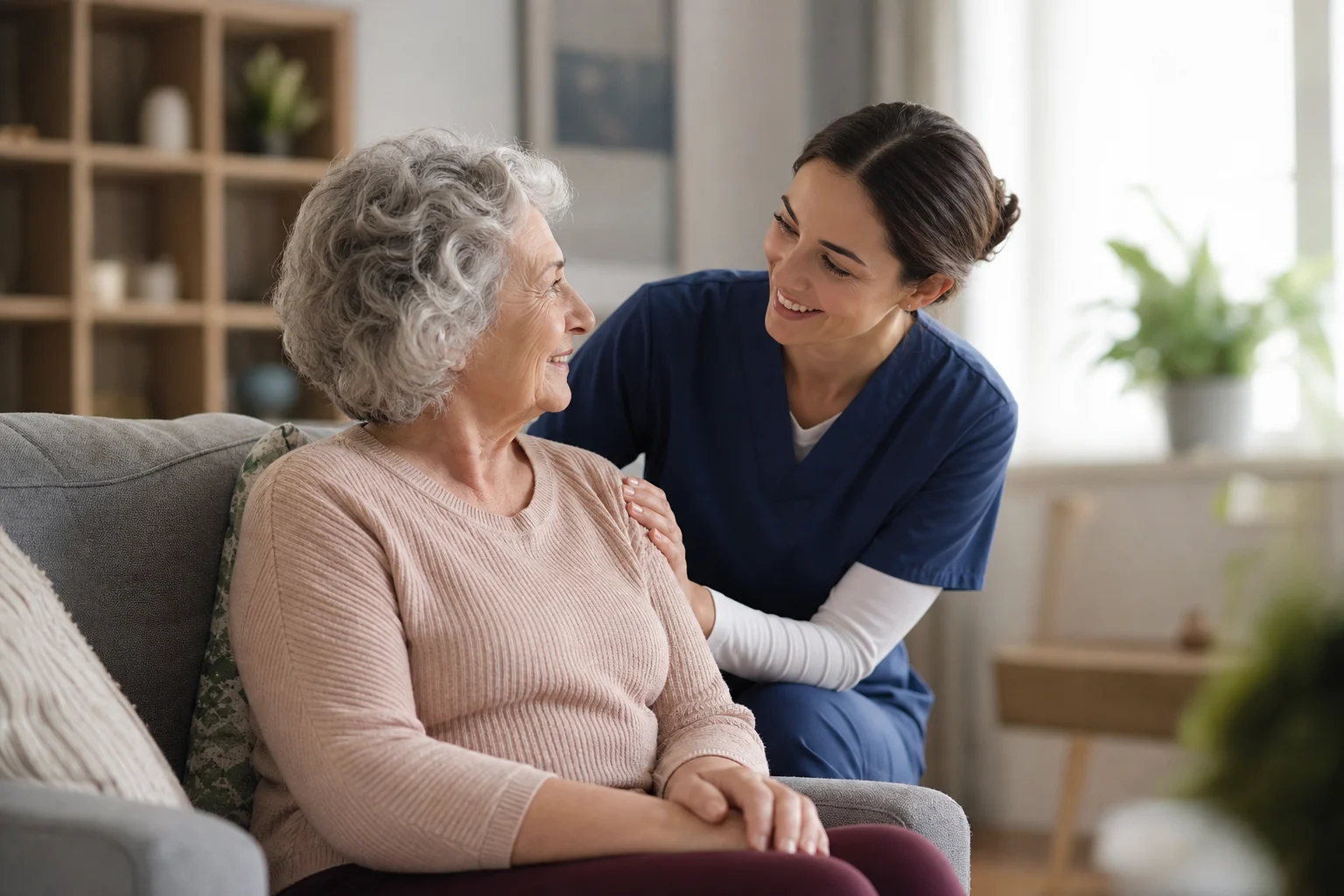
One effective way to enhance seniors' independence is through personalized elder care services. These services are designed to cater to the specific needs and preferences of each individual, ensuring that they receive the right amount of support without compromising their autonomy. For instance, a care provider can assist with meal preparation or medication management, allowing seniors to maintain control over their daily routines while ensuring their health and safety.
Here are several key areas where elder care services can significantly enhance seniors' independence:
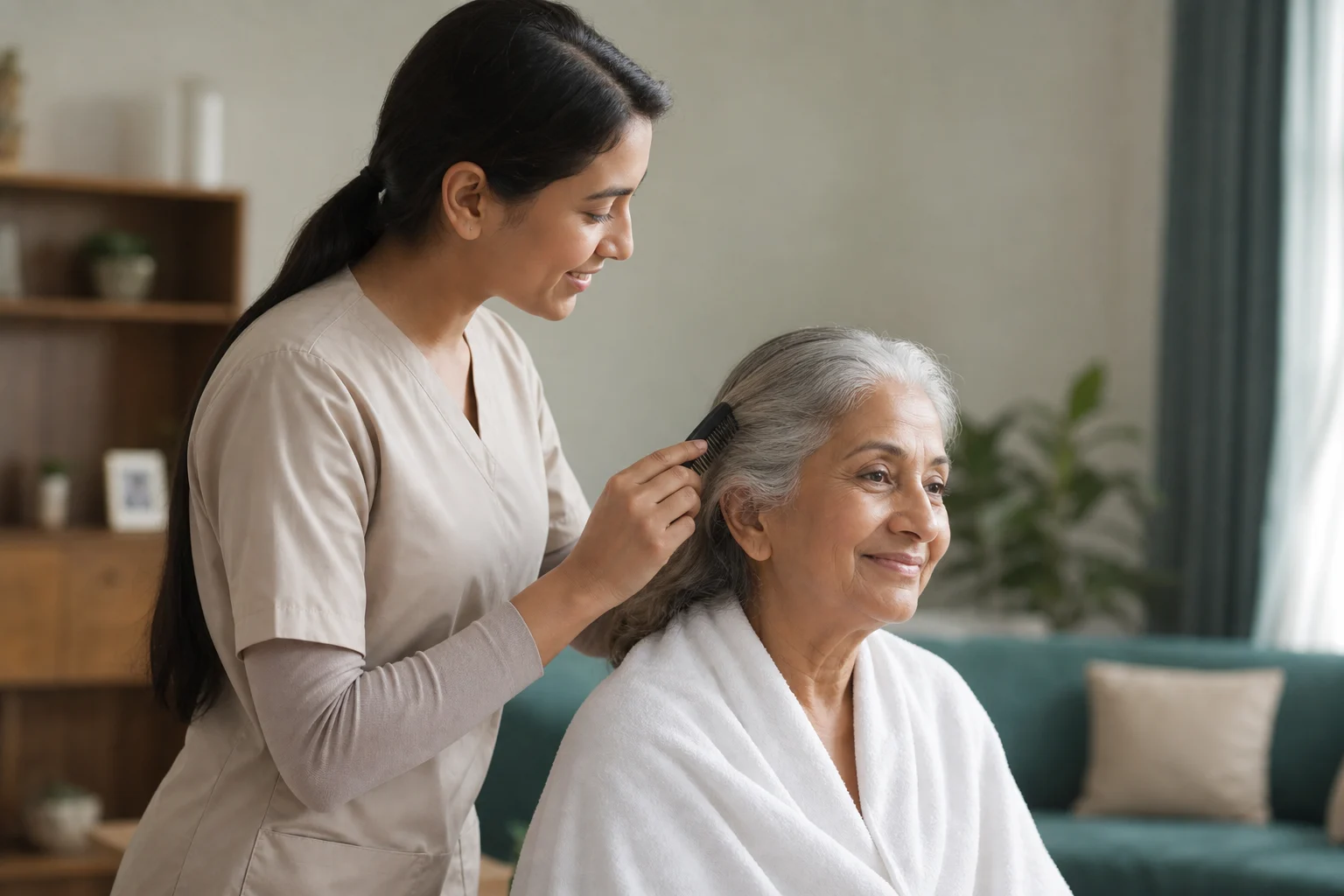
- Personal Care Assistance: Many seniors require help with activities of daily living (ADLs) such as bathing, dressing, and grooming. By providing assistance in a respectful and unobtrusive manner, caregivers can help seniors maintain their dignity while promoting independence.
- Home Modifications: Adapting the living space can significantly impact a senior's ability to live independently. Simple modifications, such as installing grab bars in the bathroom, removing tripping hazards, and ensuring adequate lighting, can empower seniors to navigate their homes safely.
- Transportation Services: Access to reliable transportation is crucial for maintaining social connections and accessing essential services. Elder care services often include transportation assistance, enabling seniors to attend appointments, socialize, and participate in community events without feeling isolated.
- Technology Assistance: In today’s digital age, technology can be a powerful tool for promoting independence. Elder care services can provide training and support in using smartphones, tablets, and other devices that help seniors stay connected with family and friends or access telehealth services.
Fostering independence is not solely the responsibility of elder care services; family members and friends also play a pivotal role. Here are some practical ways loved ones can support seniors in maintaining their independence:
- Encourage Decision-Making: Involve seniors in decisions regarding their care, daily activities, and lifestyle choices. This could range from selecting their meals to planning social outings, reinforcing their sense of control.
- Promote Skill Development: Encourage seniors to engage in activities that enhance their skills. This could include cooking classes, exercise programs, or even hobbies that they have always wanted to explore but never had the chance to.
- Regular Communication: Check in with seniors regularly to discuss their needs and preferences. Open lines of communication help seniors feel valued and understood, reinforcing their independence.
- Provide Emotional Support: Sometimes, simply being there to listen can make a significant difference. Emotional support from family and friends can boost a senior's confidence and encourage them to take on new challenges.
Community resources and programs can serve as valuable tools in promoting independence among seniors. Local senior centers often offer various activities, including exercise classes, educational workshops, and social events, which can help seniors stay active and engaged. Many communities also provide volunteer opportunities that allow seniors to contribute to their neighborhoods while fostering a sense of purpose.
As we look at the broader societal implications of senior independence, it becomes clear that promoting autonomy among older adults benefits not only the individuals themselves but also their families and communities. When seniors are empowered to live independently, they often require less intensive care, which can alleviate the burden on family caregivers and reduce healthcare costs. Independent seniors are more likely to contribute positively to their communities, whether through volunteering or simply by being active participants in local events.
To ensure that seniors can achieve and maintain their independence, it is essential to adopt a holistic approach that encompasses physical, emotional, and social aspects of their lives. Elder care services should be viewed as partners in this journey, working collaboratively with seniors and their families to create tailored plans that promote autonomy while providing necessary support.
Understanding the importance of independence for seniors is a critical step in enhancing their quality of life. By recognizing the value of autonomy and implementing strategies that support it, caregivers, family members, and community resources can work together to ensure that seniors not only live longer but also live better, with dignity and respect. As we continue to explore effective ways to enhance seniors' independence at home, it is vital to remember that each individual’s journey is unique, and embracing this individuality is key to fostering true independence.
Strategies to Enhance Independence
At Ability Homes, we believe in a holistic approach to elder care that promotes independence while ensuring safety. Here are several strategies that can help enhance seniors' independence at home:
1. Personalized Care Plans
Every senior has different needs, and a one-size-fits-all approach is rarely effective. Our team at Ability Homes creates personalized care plans tailored to the individual requirements of each client. This can include:
- Assessing physical and cognitive abilities
- Identifying daily living tasks that may require assistance
- Incorporating preferences and routines into the care plan
By understanding the unique circumstances of each senior, we can foster a sense of control over their care, allowing them to maintain their independence.
2. Companion Care for Seniors
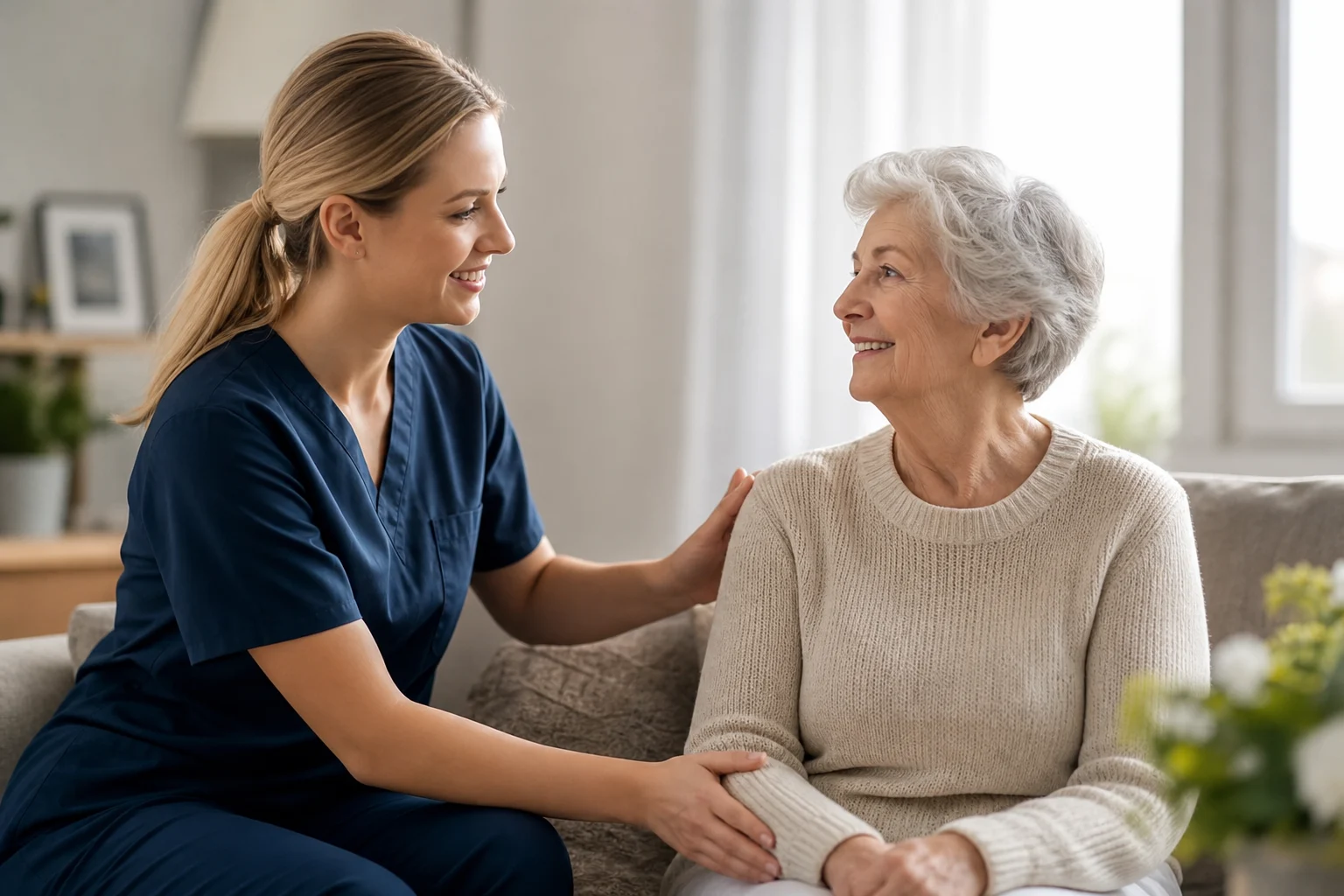
Isolation can significantly impact a senior's mental health and overall well-being. Companion care services provide social interaction and emotional support, which are crucial for maintaining independence. Our caregivers not only assist with daily tasks but also engage in meaningful conversations, hobbies, and activities that seniors enjoy. This support can help them feel less isolated and more connected to the world around them.
3. Home Modifications
Making adjustments to the home environment can greatly enhance a senior's ability to live independently. Consider implementing the following modifications:
- Installing grab bars in bathrooms and hallways
- Removing tripping hazards, such as loose rugs
- Improving lighting in key areas
- Using adaptive equipment, like shower chairs and raised toilet seats
These modifications not only promote safety but also empower seniors to navigate their homes more easily.
4. Encouraging Daily Routines
Establishing a daily routine can provide seniors with structure and a sense of purpose. Encouraging them to participate in household tasks, such as meal preparation or light cleaning, can foster a sense of accomplishment. Our caregivers at Ability Homes can assist in creating routines that are manageable yet fulfilling, allowing seniors to maintain a sense of control over their daily lives.
5. Technology for Independence
In today's digital age, technology can play a significant role in enhancing seniors' independence. From medical alert systems to smart home devices, technology can help seniors manage their health and safety more effectively. Here are some ways technology can assist:
- Using medication management apps to remind seniors to take their medications
- Implementing smart home devices that allow seniors to control lights, temperature, and security systems
- Utilizing video calling platforms to stay connected with family and friends
By embracing technology, seniors can feel more empowered and connected while living independently at home.
Balancing Independence and Safety
While promoting independence is essential, it is equally important to ensure the safety of seniors. At Ability Homes, our elder care services are designed to strike this balance. We encourage families to regularly assess their loved ones' capabilities and adapt care plans as necessary. This proactive approach allows seniors to maintain their independence while receiving the support they need.