Elder Care Myths Debunked: What Families Need to Know
When it comes to making decisions about elder care services, families are often faced with a multitude of myths and misconceptions that can cloud their judgment. At Ability Homes, we understand the importance of providing accurate information to help families navigate the complex landscape of home health care. In this article, we will debunk some of the most common myths surrounding elder care services, ensuring that you have the facts you need to make informed decisions for your loved ones.
Myth 1: Elder Care Services Are Only for the Very Ill
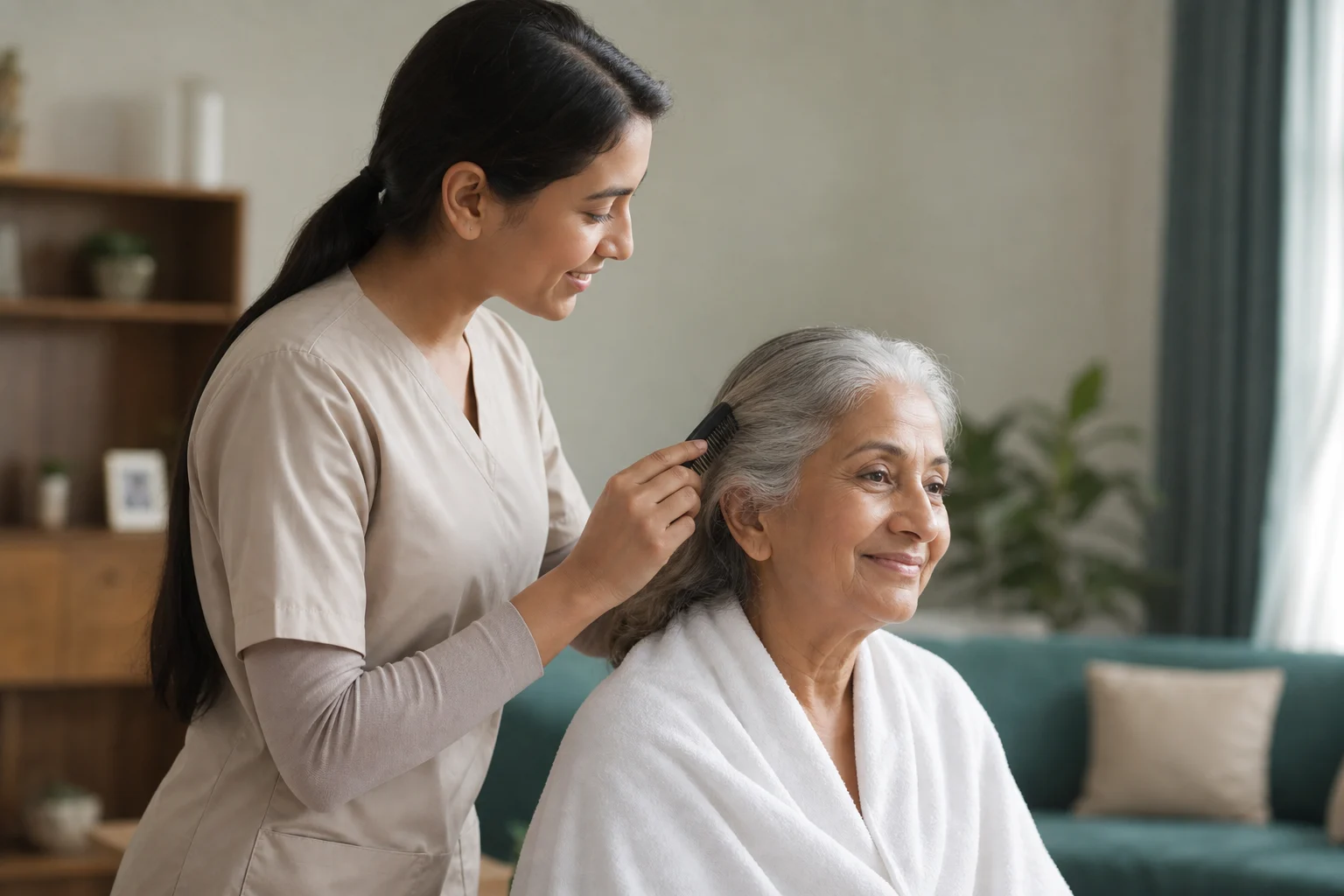
One of the most pervasive myths is that elder care services are only necessary for seniors who are extremely ill or incapacitated. In reality, elder care services are designed to assist individuals at various stages of life, including those who may be relatively healthy but need some help with daily living tasks. This can include assistance with personal care, medication management, and even companionship.
At Ability Homes, we provide senior home care that focuses on enhancing the independence of our clients. Our services are tailored to meet the specific needs of each individual, regardless of their health status. This means that even seniors who are managing well on their own can benefit from our support in maintaining their quality of life.
Myth 2: Home Health Care Is Too Expensive
Another common misconception is that home health care is prohibitively expensive. Many families assume that the costs associated with affordable senior care will be beyond their means. However, this is not necessarily the case.
Home health care can often be more cost-effective than alternative options, such as assisted living facilities or nursing homes. With services like those offered by Ability Homes, families can choose the level of care that best fits their budget. We provide a range of services, from occasional visits to 24/7 support, allowing families to customize their care plans based on their financial situation.
Myth 3: Elder Care Services Mean Losing Independence
Many seniors fear that accepting help through elder care services will mean losing their independence. This myth can prevent individuals from seeking the assistance they need. In truth, the goal of home health care is to enhance independence, not diminish it.
Our team at Ability Homes is dedicated to promoting the dignity and autonomy of our clients. By providing support with daily activities, we empower seniors to live comfortably in their own homes for as long as possible. Our nurturing approach allows clients to maintain their routines and preferences while receiving the assistance they require.
Myth 4: Family Members Can Provide All the Care Needed
While family members often play a crucial role in the care of their loved ones, many underestimate the challenges involved in providing adequate support. Caregiving can be physically and emotionally exhausting, and it may not be sustainable in the long run. In fact, the demands of caregiving can sometimes lead to burnout, which not only impacts the caregiver's health but can also affect the quality of care provided to the elder.
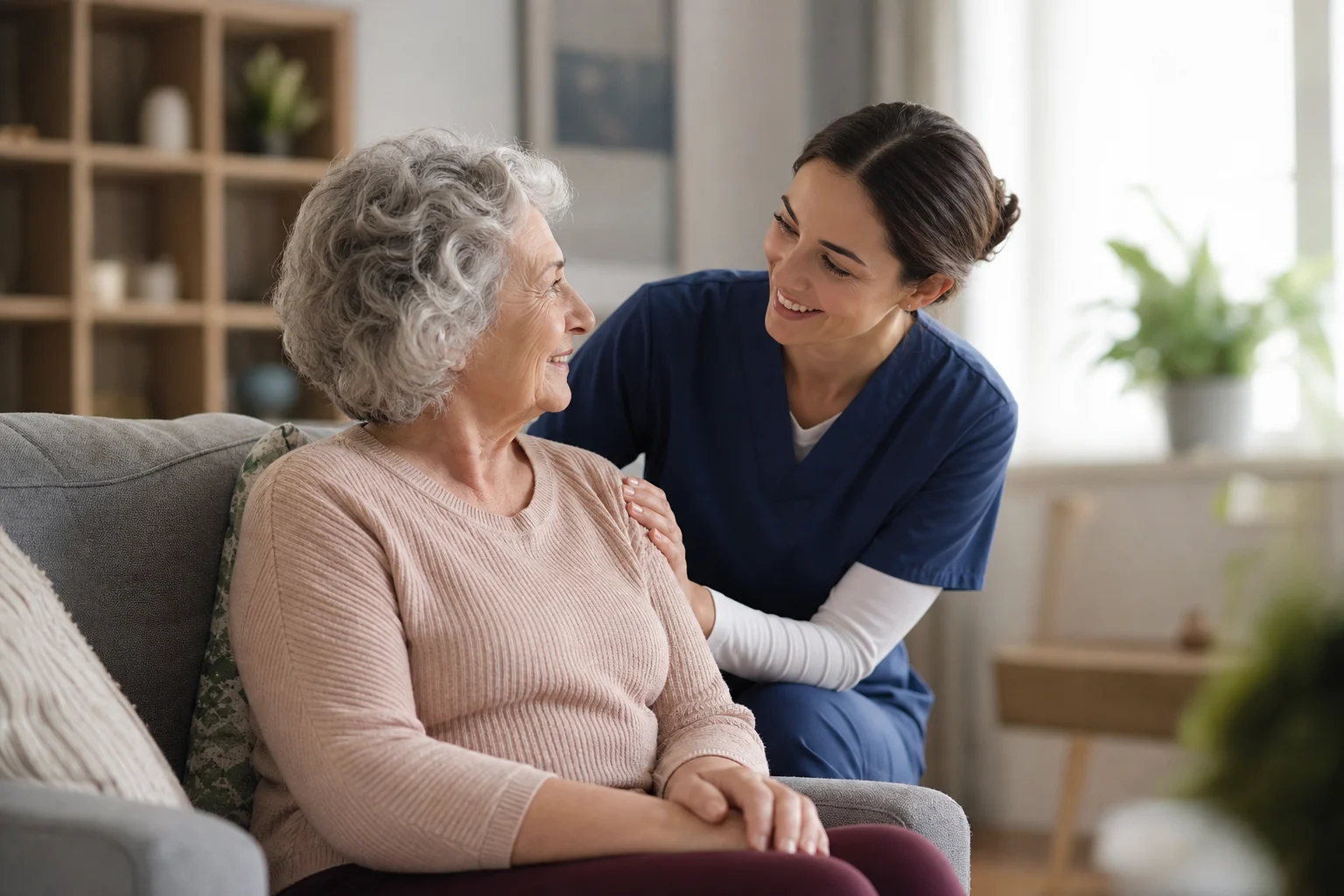
The truth is that professional elder care services can alleviate some of the pressure on family caregivers. At Ability Homes, our trained staff can step in to provide respite for family members, ensuring that seniors receive the high-quality care they deserve while allowing families to recharge. Understanding the nuances of caregiving can help families make informed decisions about the best care arrangements for their loved ones.
One of the key reasons families may believe they can provide all the necessary care is the emotional connection they share with their loved ones. While this bond is invaluable, it does not automatically equip family members with the skills needed to handle the complex health and personal care needs of seniors. Here are some common challenges family caregivers face:
- Medical Knowledge: Many seniors require specialized care for chronic conditions, medications, and mobility issues. Family members may lack the medical training necessary to manage these needs effectively, leading to potential health risks.
- Physical Demands: Providing care often involves heavy lifting, assistance with bathing, and other physically demanding tasks. This can lead to injuries for caregivers who are not physically prepared for such responsibilities.
- Emotional Toll: Watching a loved one decline can take a significant emotional toll on family caregivers, leading to stress, anxiety, and feelings of isolation.
- Time Constraints: Balancing caregiving with jobs, children, and other responsibilities can become overwhelming, making it difficult to provide consistent, quality care.
To ensure that both the elder and the caregiver are well-supported, professional elder care services can provide a structured approach to caregiving. Here are some ways these services can be beneficial:
1. Professional Training and Expertise
Professional caregivers are trained to handle a wide variety of situations that may arise while caring for seniors. They understand the complexities of aging and are equipped to manage chronic health issues, administer medications, and provide assistance with daily living activities. Their training also includes knowledge of safety protocols, which can help prevent accidents and injuries.
2. Customized Care Plans
Every senior has unique needs, and professional elder care services can create customized care plans tailored to those needs. This means that care can be adjusted based on changes in the elder's health or personal preferences. For example, if a senior develops new medical conditions, the care plan can be updated to include additional assistance or specialized care, ensuring that the elder receives the appropriate support.
3. Respite for Family Caregivers
Caregiving can often lead to burnout. Professional elder care services provide respite care, allowing family caregivers to take breaks and attend to their own health and well-being. This can include short-term assistance during the day or longer-term care arrangements that give family members peace of mind while they recharge. Taking a break is not just beneficial for the caregiver; it also allows them to return to their caregiving role with renewed energy and focus.
4. Emotional Support
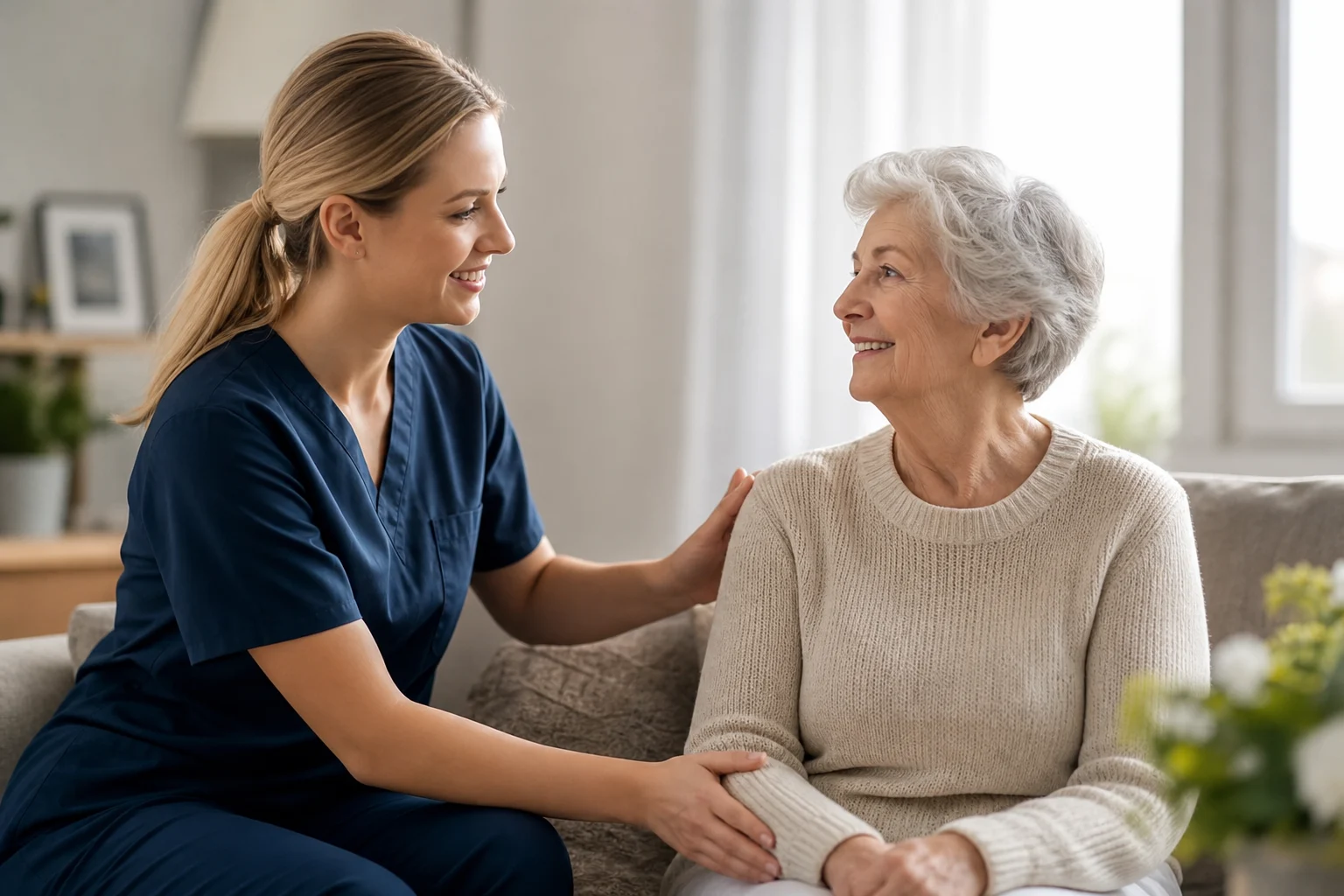
Professional caregivers can also provide emotional support to seniors. They often have training in communication and empathy, enabling them to engage meaningfully with the elderly, who may feel lonely or isolated. This social interaction is crucial for mental health, as it helps seniors feel valued and connected. Family members may not always have the time or emotional bandwidth to provide this level of engagement, especially if they are juggling multiple responsibilities.
5. Access to Resources
Professional elder care services often have connections to additional resources that can benefit both the elder and the family. This can include access to support groups, counseling services, or community programs that promote social interaction and engagement. Caregivers can provide guidance on navigating the complexities of healthcare, insurance, and legal matters related to elder care, making the process less daunting for families.
6. Peace of Mind
Perhaps one of the most significant benefits of utilizing professional elder care services is the peace of mind it offers families. Knowing that a trained professional is providing care can reduce anxiety and worry, allowing family members to focus on their own lives and responsibilities without feeling guilty about their loved one's care. This assurance that their loved one is in good hands can lead to improved relationships and communication within the family.
It is essential for families to recognize that asking for help is not a sign of weakness but rather a proactive step towards ensuring the best care for their loved ones. Engaging professional elder care services can lead to a more balanced, healthier approach to caregiving that benefits everyone involved. By understanding the realities of caregiving and the resources available, families can make informed decisions that promote the well-being of their loved ones, ultimately fostering a supportive environment conducive to both care and family harmony.
Myth 5: Elder Care Services Are Only for Seniors
Another common misconception is that elder care services are exclusively for seniors. While the majority of our clients are older adults, many of our services are also beneficial for individuals with disabilities or those recovering from surgery or illness. This misunderstanding often leads families to overlook valuable resources that could significantly enhance the quality of life for a range of individuals.
At Ability Homes, our home health care services cater to a broader audience, including younger individuals who require assistance with daily living tasks. This flexibility allows us to support families in various circumstances, ensuring that everyone receives the care they need. Here, we will explore the various scenarios in which elder care services can play a crucial role, dispelling the myth that these services are solely for seniors.
One of the primary reasons elder care services are misperceived as only for seniors is the term "elder." However, this term can encompass a wider demographic, including anyone in need of assistance due to health challenges or disabilities. Here are some key groups that can benefit from elder care services:
- Individuals with Disabilities: Many adults of various ages live with physical or intellectual disabilities that make daily tasks challenging. Elder care services can provide personal care, mobility assistance, and companionship, helping individuals maintain their independence and improve their quality of life.
- Post-Surgical Patients: Recovering from surgery can be a daunting task, especially when mobility is limited. Home health care services can offer essential support during recovery, from medication management to physical therapy, allowing individuals to heal comfortably in their own homes.
- Chronic Illness Patients: Individuals managing chronic illnesses such as diabetes, heart disease, or cancer may require ongoing assistance. Elder care services can provide regular monitoring, help with medication adherence, and support with dietary needs, essential for maintaining health and preventing complications.
- Individuals with Mental Health Conditions: Mental health challenges, including depression and anxiety, can affect people of all ages. Care services can offer emotional support, companionship, and assistance with daily routines, ensuring those facing mental health issues receive the holistic care they need.
- Young Adults Transitioning to Independence: Some young adults may need support to transition from living with family to living independently, especially if they have disabilities or other challenges. Elder care services can provide guidance and assistance with daily living skills, fostering a smoother transition.
To addressing various needs across different age groups, elder care services also offer a range of specialized programs tailored to specific requirements. For instance:
- Respite Care: Family caregivers often need a break to recharge. Respite care services provide temporary relief, allowing caregivers to rest while ensuring their loved ones receive professional care in their absence.
- Companion Services: Companionship is a critical aspect of mental well-being. Elder care services can provide trained companions who engage individuals in meaningful activities, reducing feelings of isolation and loneliness.
- Rehabilitation Services: For individuals recovering from injuries or surgeries, rehabilitation services offered through elder care can include physical, occupational, and speech therapy, tailored to each person's recovery goals.
- Chronic Disease Management: Many elder care services focus on helping individuals manage chronic conditions effectively, providing education, resources, and support that empower them to take control of their health.
Understanding the full scope of elder care services is crucial for families seeking the best support for their loved ones. Here are some practical steps families can take to explore elder care options:
- Assess Individual Needs: Before seeking services, families should evaluate the specific needs of their loved ones. This assessment could include medical conditions, daily living challenges, and emotional or social support requirements.
- Research Available Services: Look into various elder care services in your area. Many organizations, like Ability Homes, offer a range of services that cater to diverse needs, from personal care to therapy and companionship.
- Consult with Healthcare Providers: Speak with doctors, therapists, or social workers who can provide recommendations on appropriate care options based on medical history and current health status.
- Inquire About Customization: Many elder care services can tailor their offerings to meet individual needs. Don’t hesitate to ask how services can be adjusted to better suit the specific circumstances of your loved one.
- Get Feedback from Other Families: Connect with other families who have utilized elder care services. Their experiences can provide valuable insights into which services are most effective and how to navigate the process.
Elder care services are not limited to seniors; they encompass a wide range of support for individuals of all ages facing various challenges. By recognizing this, families can better advocate for their loved ones, ensuring that they receive the appropriate care and assistance tailored to their unique situations. Whether it’s a young adult with a disability or an older adult recovering from surgery, elder care services can make a significant difference in enhancing their quality of life and promoting independence.
Myth 6: All Home Health Care Services Are the Same
Not all home health care services are created equal. Families may think that any provider will offer the same level of care, but this is a misconception that can lead to disappointment or unmet needs.
When choosing a home health care provider, it's essential to consider the quality of services offered. At Ability Homes, we pride ourselves on our compassionate approach and our commitment to personalized care. Our expert team is dedicated to understanding the unique needs of each client in Brooklyn Park, MN, and we tailor our services accordingly.
Myth 7: Elder Care Services Are Only for a Short Term
Many families believe that elder care services are only needed for a brief period, such as during recovery from surgery or a temporary illness. However, the reality is that many seniors benefit from ongoing support throughout their later years.
Home health care is not a one-size-fits-all solution; it can be adjusted over time to meet the changing needs of clients. Whether your loved one requires short-term assistance or long-term care, Ability Homes is here to provide the necessary support every step of the way.