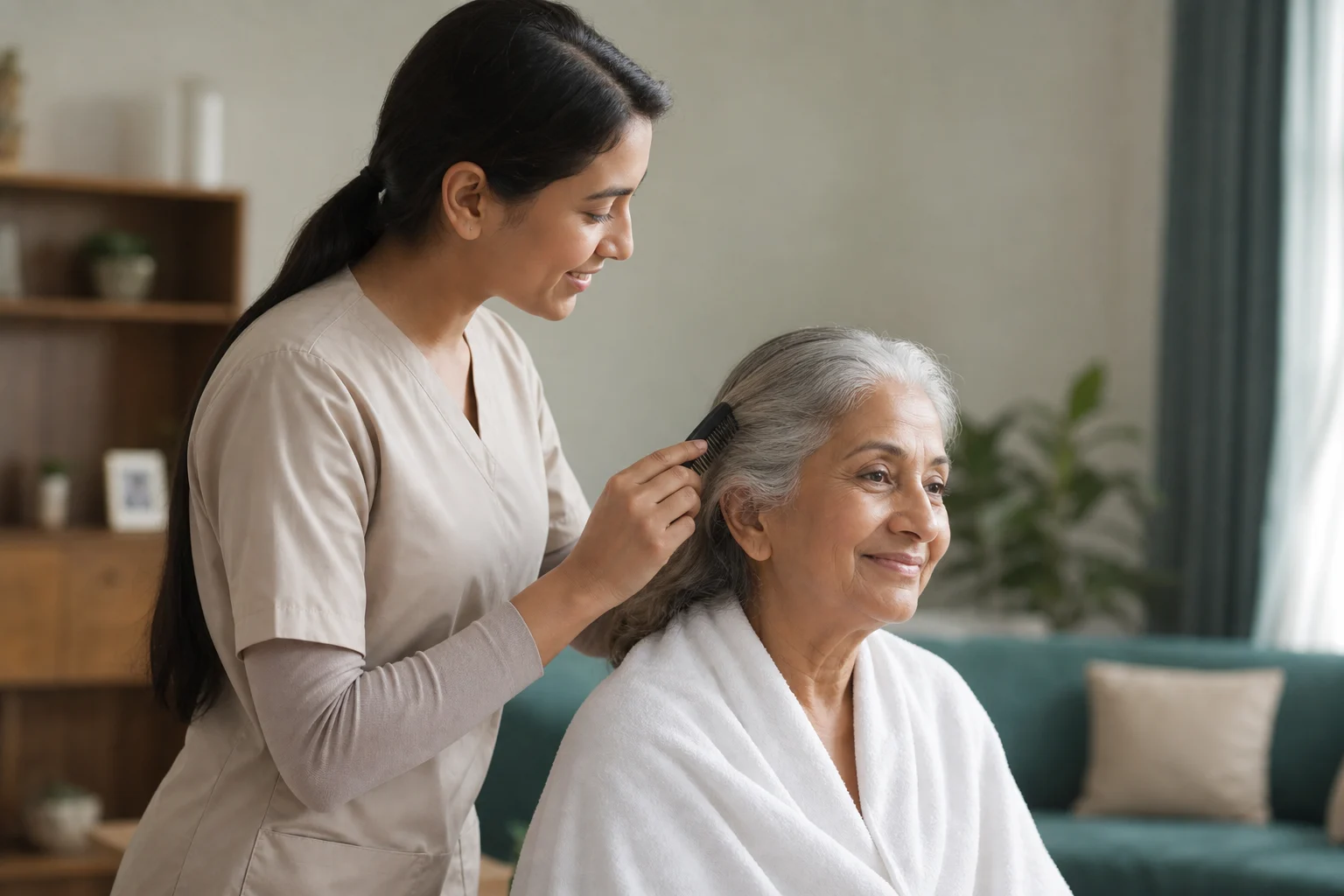
Recognizing When Your Loved One Needs Elder Care
As our loved ones age, it can sometimes be challenging to recognize when they require additional support. Understanding the signs that indicate the need for elder care services is crucial for ensuring their safety, health, and well-being. At Ability Homes, we specialize in providing compassionate home health care services, including 24/7 support, nursing services, and daily personal care tailored to the unique needs of seniors and individuals requiring assistance with daily living tasks. This article aims to help families in Brooklyn Park, MN identify the common signs that may suggest it's time to consider elder care.
Common Signs of Decline
Observing changes in your loved one’s behavior or health can be the first step in recognizing the need for elder care. This is a sensitive topic, and understanding the signs of decline requires a compassionate approach. Here are some common signs that may indicate a decline in their ability to live independently, along with practical guidance on what to do if you notice these changes:
- Difficulty with Daily Activities: If your loved one is struggling with basic tasks such as bathing, dressing, grooming, or preparing meals, it may be time to consider in-home elder support. For example, if they frequently wear the same clothes or appear unkempt, this could indicate they are having trouble with self-care routines. If they express frustration or anxiety about these tasks, it might be worth discussing the possibility of hiring a caregiver who specializes in elder care. This support can provide not only assistance but also companionship, which is equally essential.
- Frequent Falls or Injuries: Increased incidents of falls or unexplained bruises can be a significant indicator that they need assistance to ensure their safety. It’s crucial to take these signs seriously, as falls can lead to severe complications in older adults. Consider conducting a home safety assessment to identify potential hazards such as loose rugs, poor lighting, or cluttered walkways. If your loved one has already experienced a fall, consulting with a healthcare professional for a fall risk assessment may help determine the best course of action, which could include physical therapy or modifications to their living environment.
- Neglecting Personal Hygiene: A noticeable decline in personal grooming and hygiene can suggest that your loved one may be having difficulty managing their daily care. This might manifest as body odor, unbrushed teeth, or unwashed hair. Engage them in a gentle conversation about their daily routine and express your concerns lovingly. You can also offer to help them establish a schedule for personal care or suggest a professional caregiver who can assist them in maintaining their hygiene. Sometimes, simply having someone else there can make the process feel less overwhelming.
- Changes in Mobility: If they are experiencing difficulty walking or moving around the house, this may indicate a need for additional support. Look for signs such as hesitancy to move, needing assistance to stand up, or reliance on furniture for support. Encourage your loved one to speak with their physician about their mobility issues, as there may be underlying medical conditions that need to be addressed. It might also be beneficial to explore assistive devices like walkers or canes, which can help restore some independence while ensuring safety.
- Memory Loss: Frequent forgetfulness about recent events, appointments, or important dates can be a sign of cognitive decline, which may necessitate elder care services. While occasional forgetfulness is normal, consistent memory issues may indicate conditions such as dementia or Alzheimer’s disease. If you notice this pattern, it’s essential to approach the topic delicately. Encourage your loved one to undergo a cognitive assessment with a healthcare professional. Early intervention can lead to better outcomes, and it may be helpful to involve them in discussions about memory aids or technology that can assist in keeping them organized.
- Social Withdrawal: If your loved one has become increasingly isolated or withdrawn from family and friends, it may be a sign of emotional or cognitive decline. Social connections are vital for mental health, and their withdrawal might stem from feelings of embarrassment about their declining abilities or a lack of motivation. Encourage them to participate in social activities, whether it’s joining a local senior center, attending community events, or even simple family gatherings. Consider accompanying them to these activities; your presence can provide comfort and encourage them to re-engage with their social circle.
- Changes in Mood or Behavior: Pay attention to any significant shifts in your loved one’s mood or behavior, such as increased irritability, anxiety, or depression. These emotional changes can be linked to feelings of helplessness or fear regarding their declining independence. Open a dialogue about their feelings and let them know that it’s okay to seek help. Mental health is just as important as physical health, and professional counseling or therapy may be beneficial in helping them cope with their emotions.
- Poor Nutrition: A decline in appetite or changes in eating habits can lead to significant health issues. If your loved one is skipping meals, consuming unhealthy foods, or losing weight unexpectedly, it could be a sign that they need assistance with meal planning and preparation. Offer to cook together or help them explore meal delivery services tailored for seniors. Ensuring they receive proper nutrition is critical for maintaining their health and energy levels.
- Increased Confusion or Disorientation: If your loved one seems confused about time, place, or people, this could indicate a serious decline in cognitive function. It’s essential to approach this situation with care, as it can be distressing for both you and your loved one. Keep a close eye on these episodes and document them to discuss with a healthcare professional. They may suggest cognitive therapies or adjustments to medication that could help improve their condition.
Recognizing these signs of decline in your loved one is crucial in determining the need for elder care. While it may be challenging, addressing these issues early can lead to better outcomes and greatly improve their quality of life. Remember, approaching the subject with empathy and understanding can foster a supportive environment, making it easier for your loved one to accept the help they need.
The goal of elder care is to enhance the well-being of your loved ones while maintaining their dignity and independence for as long as possible. If you notice multiple signs of decline, consider discussing your observations with family members and health care providers to explore the best options available.
Health Issues to Consider
To the physical signs of decline, various health issues can also indicate the need for elder care. It's essential to be vigilant about any changes in your loved one's health, as these can significantly impact their ability to live independently:
- Chronic Illnesses: Conditions such as diabetes, heart disease, or arthritis may require ongoing management that can be challenging without support.
- Medication Management: If your loved one has difficulty remembering to take their medications or managing prescriptions, they may benefit from assistance.
- Changes in Appetite or Weight: Significant weight loss or gain may indicate health problems or depression, both of which can necessitate elder care.
- Frequent Hospital Visits: If your loved one has been hospitalized multiple times in a short period, it may be an indication that they need more consistent care at home.
Emotional Changes and Mental Health
Emotional well-being is just as important as physical health. Changes in mood or behavior can often be overlooked, but they are critical indicators of your loved one's overall condition:
- Increased Isolation: If your loved one is withdrawing from social activities or avoiding contact with family and friends, this could indicate feelings of loneliness or depression.
- Changes in Mood: Sudden mood swings, irritability, or anxiety may suggest that they are struggling emotionally and could benefit from support.
- Confusion or Disorientation: If they appear confused about their surroundings or have difficulty concentrating, it may be time to seek help.
Assessing the Need for Elder Care
When evaluating whether your loved one needs elder care services, understanding their overall quality of life is crucial. Several factors may indicate a need for additional support, including compromised safety, emotional distress, and declining health. Recognizing these signs early can lead to timely intervention and improved wellbeing. Here are some comprehensive steps to assess their needs effectively:
- Communicate: Have open and honest conversations with your loved one about their feelings and concerns. Listening actively is vital; it helps them feel valued and respected. Ask specific questions about their daily routines and any challenges they may face. For example, inquire about their ability to manage household tasks, medication schedules, or even their social interactions. Encourage them to express their fears and preferences regarding care, which can provide insights into their readiness for assistance.
- Consult Professionals: Engage with healthcare providers, including primary care physicians, geriatric specialists, and social workers. They can help assess your loved one’s health issues or changes that may require additional support. During these consultations, it’s beneficial to prepare a list of observations regarding your loved one’s behavior, mobility, and overall health. For instance, if you notice frequent forgetfulness or confusion, share these observations with the healthcare professional, as they may indicate cognitive decline.
- Explore Options: Research various elder care services available in your area, such as senior home care, in-home elder support, adult day care facilities, and assisted living communities. Each option has its unique advantages. For example, in-home care allows your loved one to remain in a familiar environment while receiving personalized assistance. On the other hand, adult day care provides social interaction and structured activities, which can be beneficial for those experiencing loneliness or social withdrawal. Create a list of local services, and consider visiting them to assess the environments and services offered.
- Involve Family Members: Engage in discussions with other family members to ensure everyone is on the same page regarding your loved one’s care. Often, family members may have different perspectives or insights that can help in forming a comprehensive care plan. Schedule a family meeting to openly discuss your concerns, share observations, and brainstorm solutions. This collaborative approach not only eases decision-making but also reinforces the support network for your loved one.
It's essential to observe changes in daily living activities. This includes their ability to perform basic tasks such as bathing, dressing, cooking, and managing medications. If you notice that your loved one is struggling with these activities, it may be a clear sign that they need assistance. For example, if they frequently skip meals or forget to take their medications, this can lead to significant health complications.
Another critical factor to consider is their emotional wellbeing. Social isolation can impact mental health, leading to feelings of loneliness and depression. Assess how often your loved one interacts with family and friends. If they’ve withdrawn from social activities or seem less engaged in conversations, this could be a sign that they need more support and companionship. Encouraging regular visits from family members or arranging social outings can help alleviate feelings of isolation.
The environment in which your loved one resides also plays a significant role in their overall safety and wellbeing. Inspect their living space for potential hazards, such as loose rugs, inadequate lighting, or cluttered pathways that could lead to falls. If modifications are necessary, consider options such as installing grab bars in the bathroom, improving lighting, or even rearranging furniture to create a safer living space. These changes can significantly enhance their ability to live independently while ensuring their safety.
To physical safety, monitor their financial situation. If your loved one is struggling to manage their finances, it could lead to unpaid bills, missed medications, or insufficient care. Discuss their financial health openly and consider involving a financial advisor who specializes in elder care if necessary. Understanding their financial capabilities can help in selecting the right type of elder care services that fit within their budget.
Consider the long-term implications of your assessments. The need for elder care can evolve over time, and it’s essential to have a flexible plan that can adapt as your loved one’s needs change. Regular check-ins with healthcare providers, family discussions, and reassessments of their living situation can help ensure that they receive the appropriate level of care. As you navigate this journey, remember that involving your loved one in decision-making can empower them and enhance their quality of life.
By taking these steps to assess the need for elder care, you can become a crucial advocate for your loved one’s wellbeing. This proactive approach can significantly improve their quality of life and provide peace of mind for both you and your family. Remember, recognizing the need for help is not a sign of weakness but rather an essential step towards maintaining dignity and independence in the later stages of life.
Why Choose Ability Homes for Elder Care?
At Ability Homes, we understand that each individual has unique needs. Our dedicated team is committed to enhancing the independence and quality of life for our clients through personalized home health care services. Whether your loved one requires 24/7 support or assistance with daily tasks, we are here to provide compassionate care in the comfort of their own home.
Our services include:
- Personal care, including bathing, dressing, and grooming
- Medication management and health monitoring
- Companionship and social interaction to combat isolation
- Meal preparation and nutritional support
- Transportation assistance to appointments and social activities
Recognizing when your loved one needs elder care is the first step toward ensuring their safety and well-being. If you notice any of the signs discussed in this article, we encourage you to reach out to us at Ability Homes. Our expert team is ready to help you navigate the care options available in Brooklyn Park, MN. Experience exceptional care tailored to your needs and give your loved one the support they deserve.