Understanding the Role of Nursing Services in Elder Care
As our loved ones age, the need for specialized support becomes increasingly important. This is where nursing services play a pivotal role in the realm of elder care. At Ability Homes, we understand that every senior has unique needs, and our nursing services are designed to provide professional elder assistance that caters to those needs. In this article, we will explore the essential functions of nursing services in elder care and how they contribute to the well-being and independence of seniors.
The Importance of Nursing Services in Elder Care
Nursing services encompass a wide range of responsibilities that are crucial for maintaining the health and comfort of seniors. These services are not only about medical care; they are about enhancing quality of life. Here are some key aspects of nursing services in elder care:
- Health Monitoring: Nurses are trained to monitor vital signs, manage medications, and assess health status regularly. This proactive approach helps in identifying potential health issues before they escalate.
- Personalized Care Plans: Each senior’s health care needs are different. Nursing services develop personalized care plans that address specific medical conditions, preferences, and lifestyle choices.
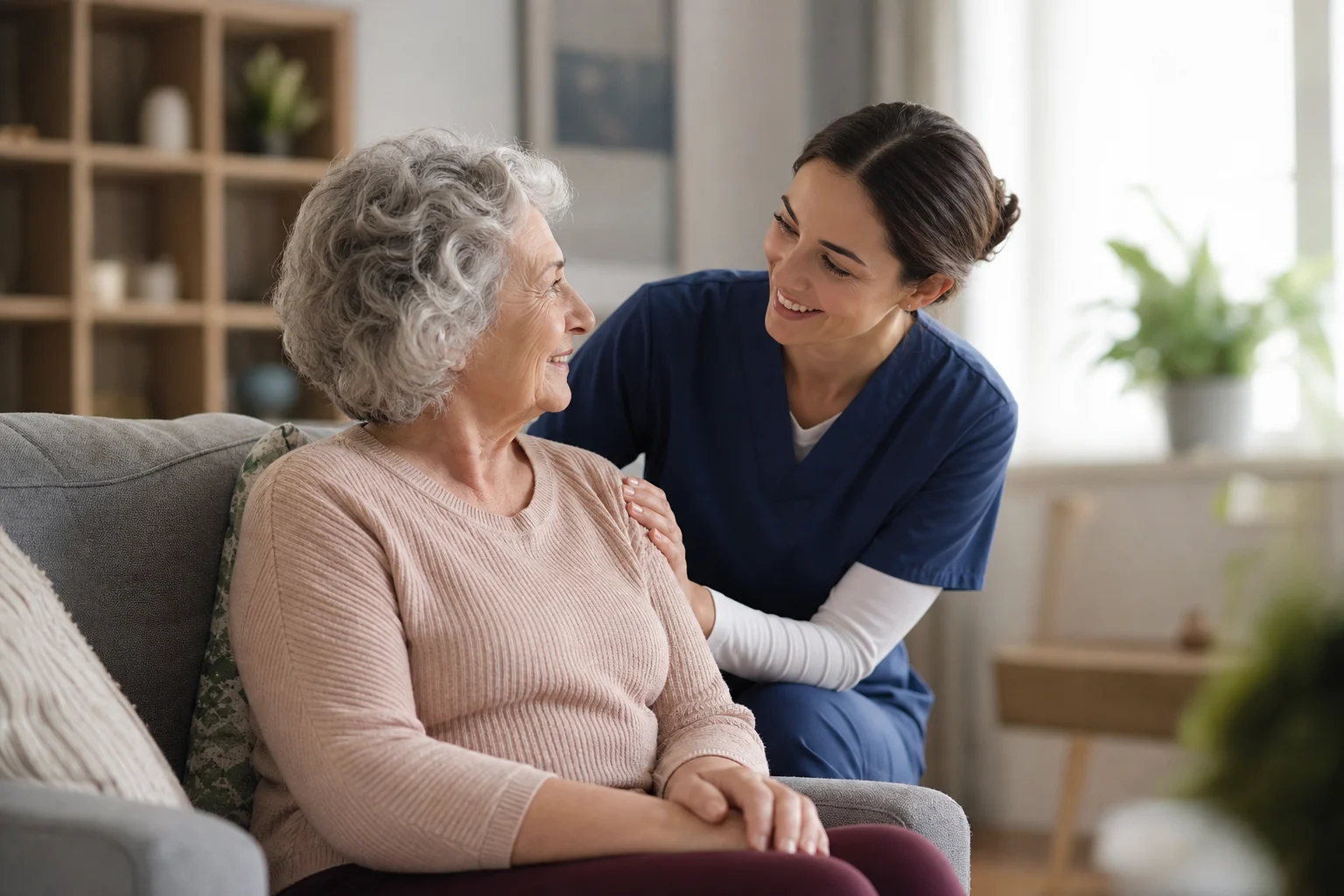
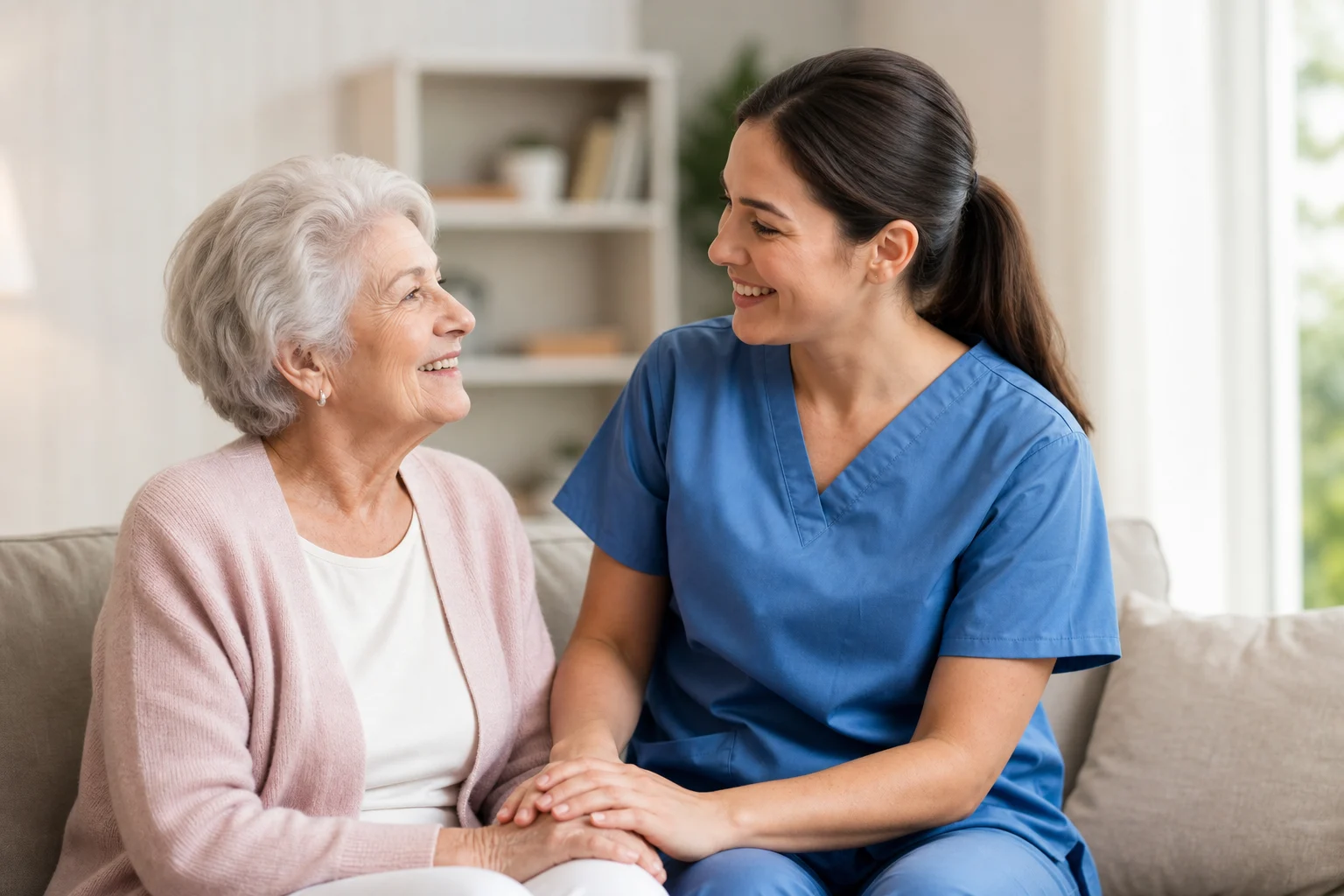
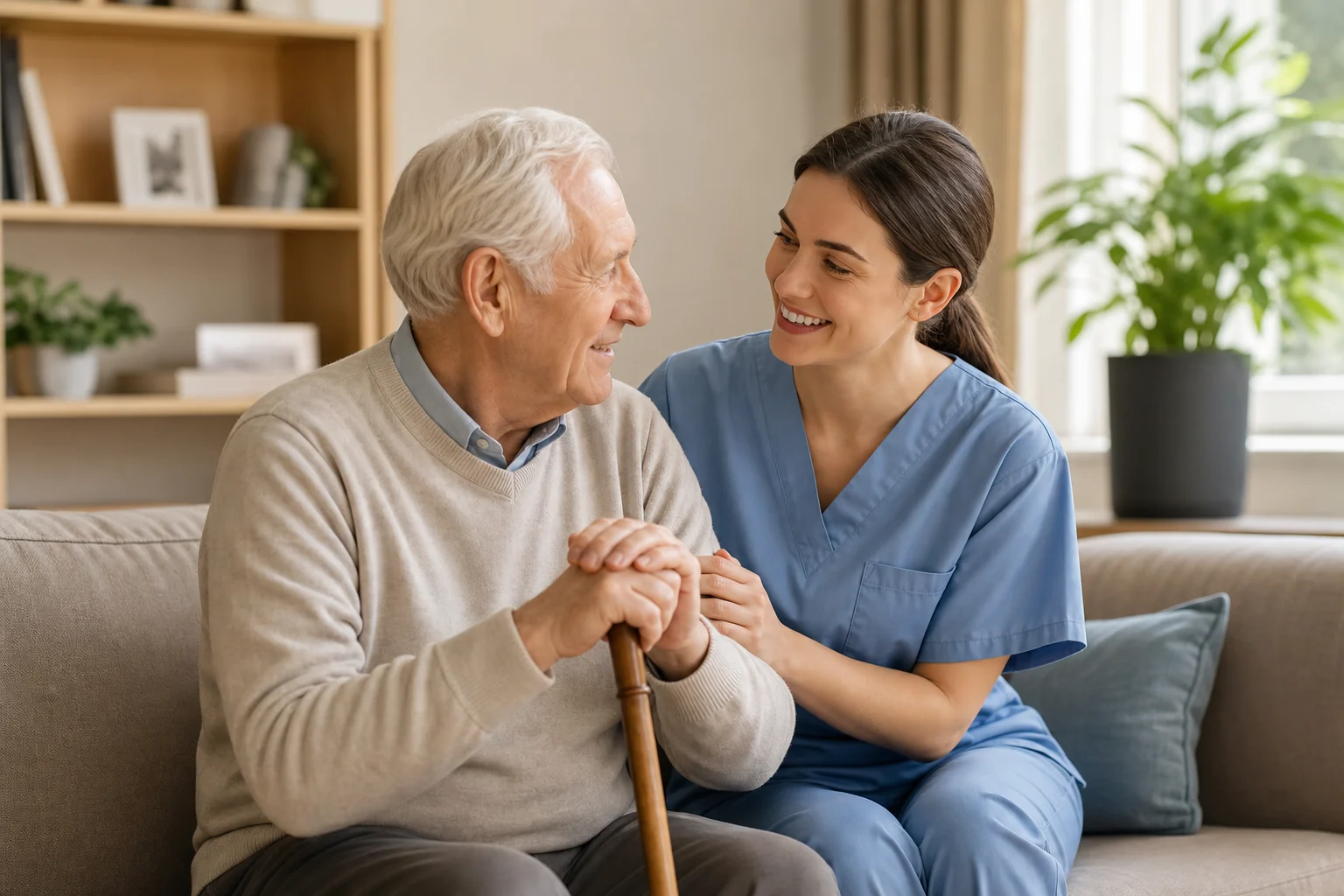
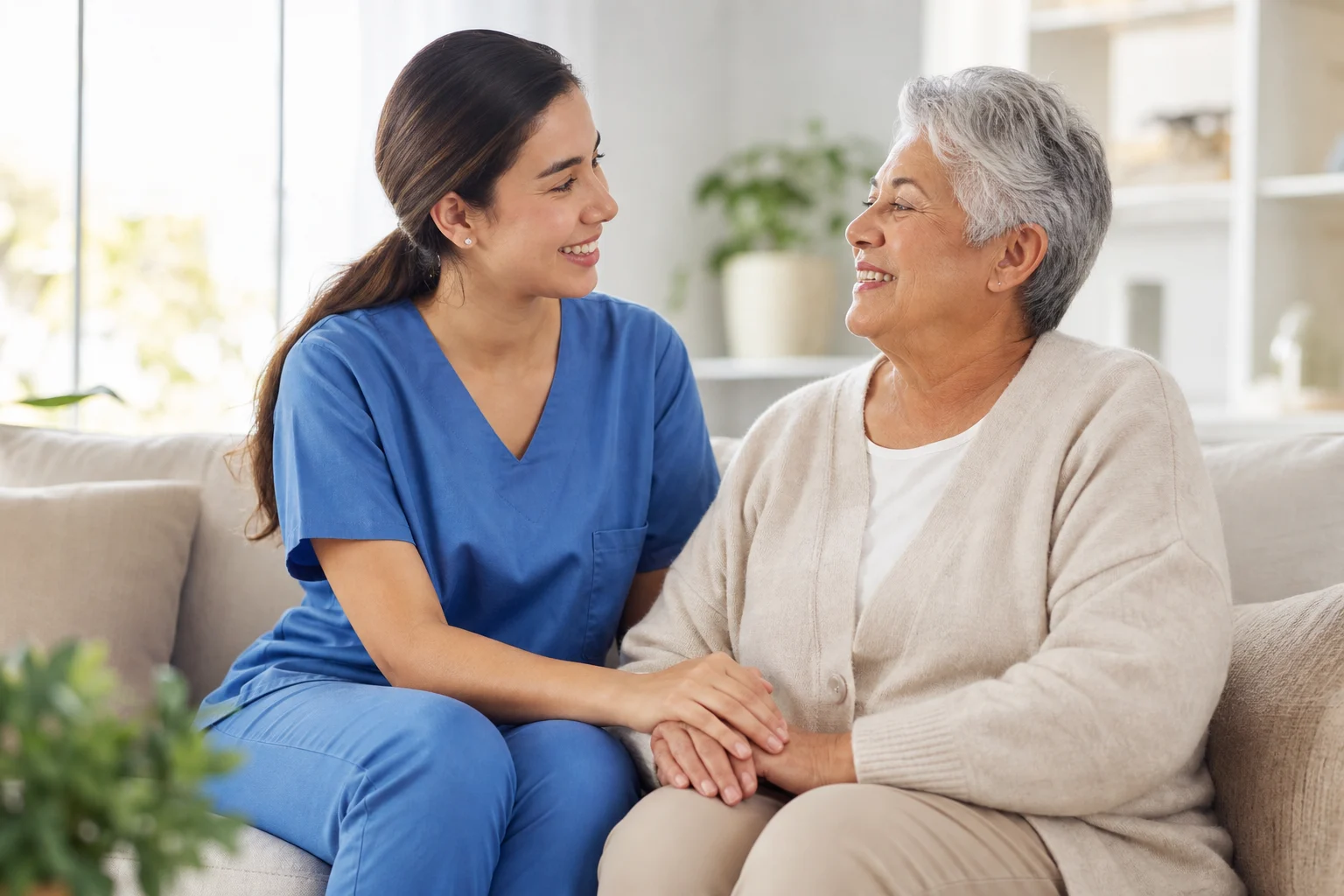
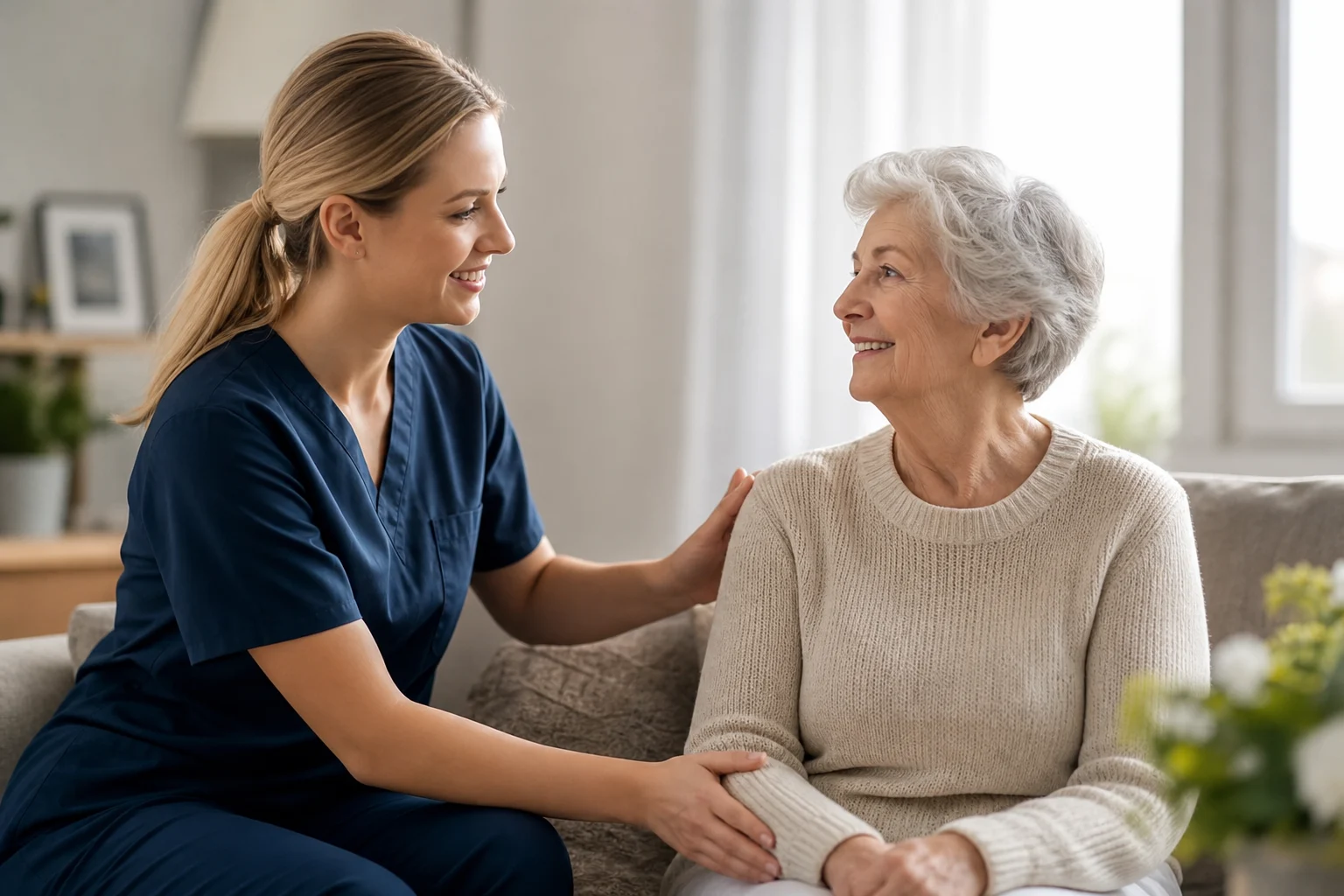
- Emotional Support: Beyond physical health, nurses provide emotional support, fostering a sense of security and companionship for seniors who may feel isolated.
- Education and Advocacy: Nurses educate families about health conditions and care options, empowering them to make informed decisions. They also advocate for the needs of seniors within the healthcare system.
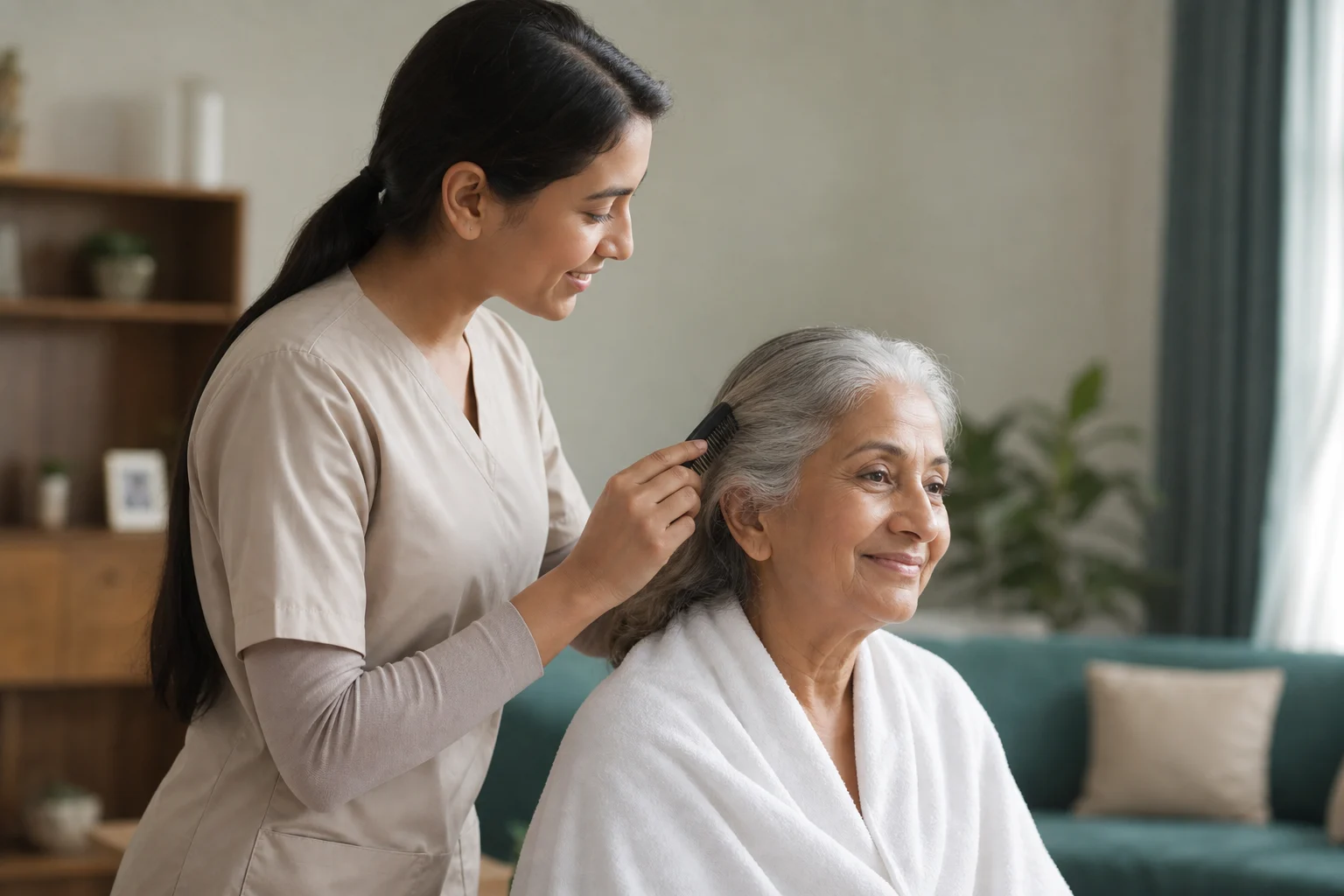
- Assistance with Daily Activities: Nursing services often include help with daily living tasks such as bathing, dressing, and meal preparation, ensuring that seniors can maintain their dignity and independence.
What Sets Ability Homes Apart
At Ability Homes, our commitment to providing exceptional home health care services is unwavering. We pride ourselves on offering comprehensive nursing services that go beyond basic care. Our skilled nursing team is dedicated to enhancing the independence of our clients in Brooklyn Park, MN. Here’s how we stand out:
- 24/7 Support: Our nursing services are available around the clock, ensuring that our clients receive the care they need whenever they need it. This availability is particularly crucial for seniors who may experience health emergencies or require assistance during the night. By offering 24/7 support, we provide peace of mind not only to our clients but also to their families, knowing that help is always just a call away.
- Compassionate Care: We believe in treating our clients with kindness and respect, fostering a trusting relationship that makes our clients feel valued and understood. Our nursing staff is trained to listen actively and communicate effectively, which helps in understanding the emotional and physical needs of each senior. This compassionate approach extends beyond mere tasks—it involves creating a warm and friendly environment where seniors can express their concerns and wishes freely.
- Tailored Solutions: We recognize that every senior has different needs. Our personalized elder care solutions are crafted to align with individual preferences and health requirements. For example, we conduct comprehensive assessments to evaluate medical history, current conditions, and personal preferences. Based on this assessment, we create a customized care plan that may include medication management, physical therapy, meal preparation, and companionship services, ensuring that each client receives the right support for their unique situation.
- Professional Expertise: Our nursing staff is highly trained and experienced in geriatric care, ensuring that clients receive the best possible support. Each nurse on our team undergoes rigorous training in elder care, including the management of chronic illnesses, mobility issues, and cognitive impairments. This expertise enables our nurses to recognize early signs of potential health issues and respond appropriately, which can significantly improve outcomes for our clients.
To these core services, Ability Homes is dedicated to fostering a holistic approach to elder care. We understand that health is not solely defined by physical well-being but also encompasses mental and emotional health. To address this, we incorporate several complementary services:
- Engagement Activities: To promote mental wellness, we offer various social and recreational activities designed to engage seniors. These activities range from arts and crafts to group exercises, helping to stimulate cognitive function and social interaction, which are crucial for maintaining mental health.
- Nutritional Guidance: Good nutrition plays a vital role in the health of seniors. Our nursing team collaborates with dietitians to create meal plans that cater to the dietary needs of our clients, ensuring they receive balanced nutrition that supports their health and well-being.
- Family Involvement: We believe that involving family members in the care process is essential. Our team encourages open communication with families, providing regular updates on their loved one's health and well-being. We also offer resources and support for family caregivers, helping them navigate the challenges of caring for seniors.
Another aspect that sets Ability Homes apart is our commitment to continuous improvement and education. We regularly conduct training sessions and workshops for our nursing staff to keep them updated on the latest advancements in elder care and nursing practices. This ongoing education ensures our team remains at the forefront of best practices, allowing them to provide the highest quality of care to our clients.
We utilize technology to enhance the quality of our nursing services. Our team employs advanced care management software that streamlines communication among team members and tracks client health metrics effectively. This technology allows our nurses to monitor vital signs, medication schedules, and other essential health indicators in real time, which is crucial for timely interventions and adjustments to care plans.
At Ability Homes, we also focus on creating a safe living environment for our clients. Our nursing services include home safety assessments to identify and mitigate potential hazards, such as fall risks, which are prevalent among seniors. We provide recommendations for modifications, such as installing grab bars, improving lighting, and removing tripping hazards, ensuring that our clients can navigate their homes safely.
Our commitment to transparency ensures that clients and their families are fully informed about the care being provided. We encourage feedback and actively seek input from clients regarding their care plans. This approach not only empowers seniors but also fosters a collaborative relationship between clients, families, and our nursing team.
Ability Homes stands out in the realm of nursing services for elder care due to our unwavering commitment to compassionate, personalized, and professional support. By prioritizing the unique needs of each client and fostering an environment of trust, we aim to enhance the quality of life for seniors, enabling them to live with dignity and independence in the comfort of their own homes.
The Impact of Nursing Services on Seniors' Well-being
The impact of nursing services on the overall well-being of seniors cannot be overstated. Research has shown that seniors who receive professional elder assistance experience improved health outcomes, enhanced quality of life, and greater satisfaction with their care. Here are some significant benefits of having nursing services integrated into elder care:
- Enhanced Health Outcomes: Regular monitoring and professional medical care can lead to better management of chronic conditions and quicker recovery from illnesses. For instance, a senior with diabetes can have their blood sugar levels closely monitored by a nurse, who can adjust medications as necessary, thereby preventing complications and hospitalizations.
- Increased Independence: With the right support, seniors can continue to live in their homes, maintaining their independence and dignity. Nursing services can help with activities of daily living (ADLs), such as bathing, dressing, and meal preparation, allowing seniors to remain in familiar environments where they feel comfortable and secure.
- Improved Emotional Well-being: The presence of caring professionals can alleviate feelings of loneliness and depression, promoting a more positive outlook on life. Studies indicate that seniors who regularly interact with healthcare professionals report lower levels of anxiety and an improved sense of belonging. This emotional support can be as crucial as physical health interventions.
- Family Peace of Mind: Knowing that a skilled nurse is looking after their loved one allows family members to focus on their own lives without constant worry. Families can engage in their work and personal responsibilities while trusting that their elders are receiving the care they need.
Beyond these immediate benefits, the role of nursing services extends to several critical areas that directly influence seniors' overall well-being:
Comprehensive Care Coordination
Nursing services act as a vital link between various healthcare providers. This coordination is essential, especially for seniors who may be dealing with multiple health issues. Nurses can assist in managing appointments, ensuring that all specialists are aware of the patient’s medical history and current medications. This prevents potentially dangerous drug interactions and ensures that all aspects of the senior's health are considered.
For example, a nurse may coordinate between a primary care physician, a cardiologist, and a physical therapist, ensuring that each professional is on the same page regarding the senior’s treatment plan. This holistic approach not only enhances the quality of care but also streamlines the healthcare process, reducing stress for both the senior and their family.
Personalized Care Plans
Every senior has unique needs, and nursing services are adept at creating personalized care plans that reflect those individual requirements. This approach considers medical history, lifestyle, and personal preferences, allowing for tailored interventions that enhance a senior's quality of life.
For instance, a nurse may develop a care plan that includes dietary recommendations, exercise routines, and social activities that align with the senior’s interests. By focusing on their specific preferences, nurses can motivate seniors to participate actively in their care, which is crucial for maintaining both physical and mental health.
Education and Empowerment
Nursing services also play a pivotal role in educating seniors and their families about health management. Knowledge is a powerful tool in promoting health and preventing disease. Nurses can provide critical information about medication management, nutrition, and the importance of regular medical check-ups.
This educational component empowers seniors to take an active role in their health. For example, a nurse might teach a senior how to recognize the signs of potential health issues, such as stroke symptoms or heart attack warning signs. This awareness can lead to earlier intervention and improved outcomes.
Support for Families
Nursing services not only benefit seniors but also provide essential support for their families. Caregiving can be overwhelming, and family members often face emotional and physical strain. Nurses can offer guidance on how to provide care effectively and manage the complexities of elder care, reducing caregiver burnout.
Many nursing services offer respite care, giving family caregivers a much-needed break. This allows them to recharge and tend to their own health and well-being, which is crucial for sustaining long-term caregiving.
Access to Resources
Nurses are often well-connected with community resources that can support seniors in various aspects of their lives. From transportation services to meal delivery programs, nursing services can help seniors tap into these resources, enhancing their quality of life.
For example, a nurse may connect a senior with local meal programs that provide nutritious food options, or they might find transportation services that allow seniors to attend social events or medical appointments. This access to resources fosters independence and social engagement, both of which are vital for mental and emotional well-being.
Preventive Care and Health Promotion
Preventive care is a significant focus of nursing services, helping seniors maintain their health and avoid potential issues before they arise. Regular health screenings, vaccinations, and lifestyle counseling are all part of a proactive approach to health management.
A nurse can ensure that seniors receive their annual flu shots, screenings for hypertension, or cholesterol checks. By prioritizing preventive care, nursing services can contribute to longer, healthier lives for seniors, allowing them to enjoy their golden years with vitality.
The impact of nursing services on seniors' well-being is profound and multifaceted. From enhancing health outcomes and increasing independence to providing emotional support and education, nursing services are indispensable in elder care. As the population ages, the importance of these services will only continue to grow, underscoring the need for quality nursing care tailored to the unique needs of our senior community.
How to Choose the Right Nursing Services
When it comes to selecting nursing services for elder care, families should consider several factors to ensure they make the right choice:
- Experience and Qualifications: Look for nursing services with qualified professionals who have experience in geriatric care.
- Reputation: Research reviews and testimonials from other families to gauge the quality of care provided.
- Personalized Approach: Choose a service that prioritizes personalized care plans tailored to your loved one’s specific needs.
- Availability: Ensure that the nursing services can provide the level of support required, whether it’s full-time or part-time care.