Understanding Elder Care Services: A Comprehensive Guide
As our loved ones age, it often becomes necessary to explore various elder care services that can assist them in maintaining their independence and improving their quality of life. Families in Brooklyn Park, MN who are seeking reliable home health care solutions for their seniors will find an array of options designed to meet the specific needs of each individual. This comprehensive guide aims to shed light on the different types of elder care services available, emphasizing the compassionate care provided by Ability Homes.
The Importance of Elder Care Services
Finding the right elder care services is crucial for several reasons:
- Enhanced Independence: Quality elder care services promote independence, allowing seniors to live in their own homes while receiving the support they need. This independence is vital for their self-esteem and overall well-being. Many elder care services offer assistance with daily activities, such as bathing, dressing, and meal preparation, enabling seniors to maintain a sense of normalcy and autonomy in their lives.
- Personalized Care: Each individual has unique needs; tailored care plans ensure that those needs are met effectively. Elder care services often conduct comprehensive assessments to determine the specific requirements of each senior. For example, a senior with mobility issues may need physical therapy, while another might require help managing medications. By customizing care plans, providers can deliver targeted support that enhances the quality of life for seniors.
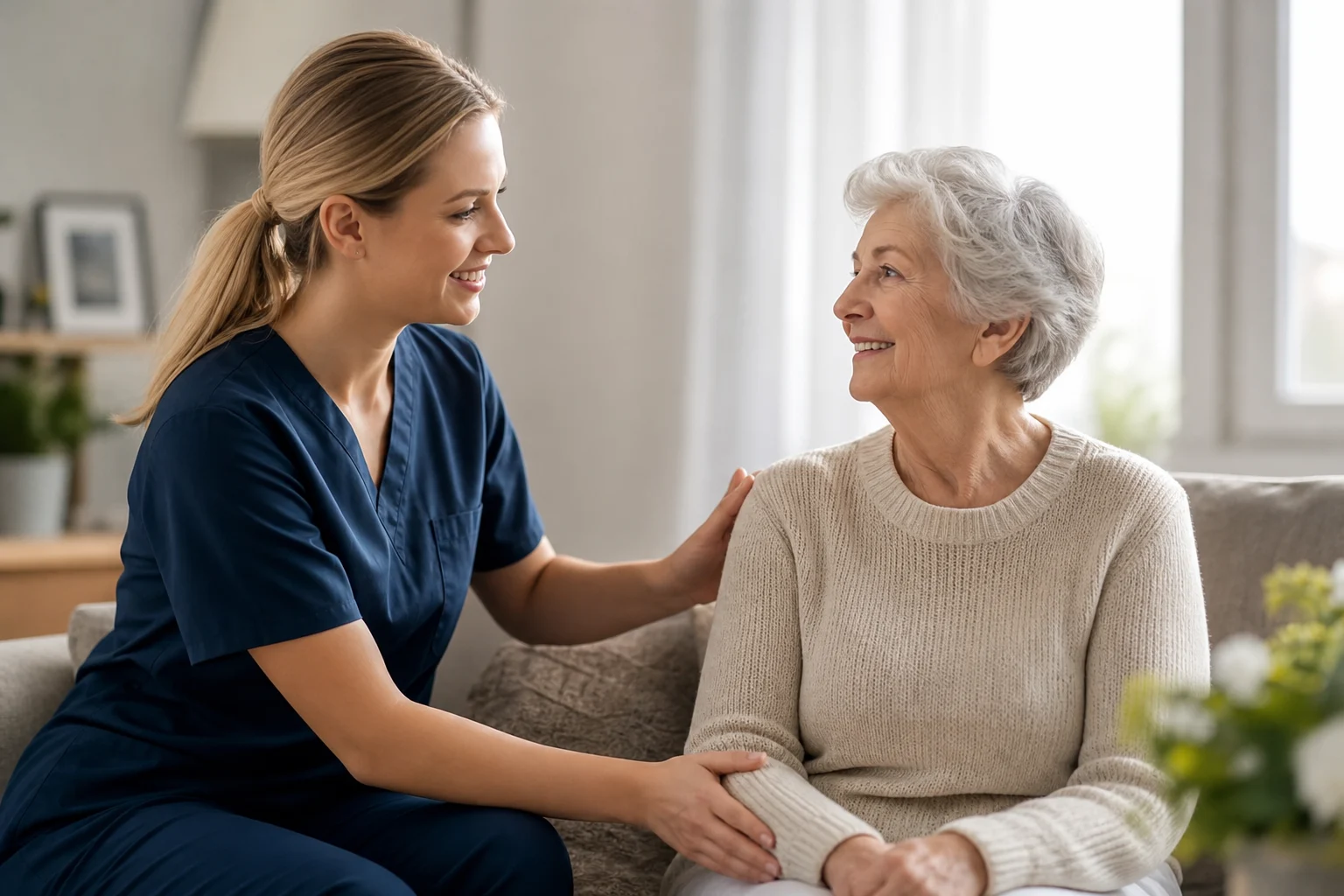
- Emotional Support: Many seniors experience feelings of isolation. Care services often include companionship, which is vital for mental health. Caregivers can engage seniors in meaningful conversations, assist with hobbies, or even accompany them on outings. This social interaction helps combat loneliness and depression, which are common issues among the elderly. Many elder care services organize group activities, such as arts and crafts, games, or exercise classes, fostering a sense of community and belonging.
- Safety and Security: Professional caregivers provide supervision and assistance, ensuring a safe living environment. Falls are one of the leading causes of injury among older adults, and having a caregiver present can significantly reduce this risk. Caregivers are trained to recognize hazards in the home and can implement changes to create a safer space, such as removing tripping hazards or installing grab bars in bathrooms. Many elder care services offer emergency response systems, providing families peace of mind that help is just a button press away.
To these benefits, elder care services also play a pivotal role in supporting families. Caregiving can be a demanding and stressful task for family members, and hiring professional elder care services can alleviate some of this burden. By entrusting the care of their loved ones to trained professionals, family members can focus on spending quality time with their seniors rather than feeling overwhelmed by caregiving responsibilities.
Elder care services can offer respite care, allowing family caregivers to take essential breaks to recharge. This is especially important for those who may be juggling other responsibilities, such as work or caring for children. Respite care can be arranged for a few hours, days, or even weeks, providing family caregivers with the opportunity to rest and attend to their own needs without feeling guilty.
Another significant advantage of elder care services is access to medical care and health monitoring. Many elder care providers have trained healthcare professionals on staff, which allows them to offer services such as medication management, health assessments, and coordination with medical providers. For instance, caregivers can help seniors keep track of their medications, ensure they are taken properly, and monitor any side effects. This proactive approach to health management can significantly improve health outcomes and prevent complications.
Elder care services can assist in managing chronic conditions, which is particularly important as seniors often face multiple health challenges. Conditions such as diabetes, heart disease, and arthritis require ongoing management and monitoring. Caregivers can help seniors adhere to their treatment plans, attend medical appointments, and maintain a healthy lifestyle through exercise and nutrition. By providing this level of care, elder care services can help seniors maintain their health and potentially reduce hospitalizations.
When considering elder care services, families should also be aware of the variety of options available. Different types of elder care services cater to various needs, including:
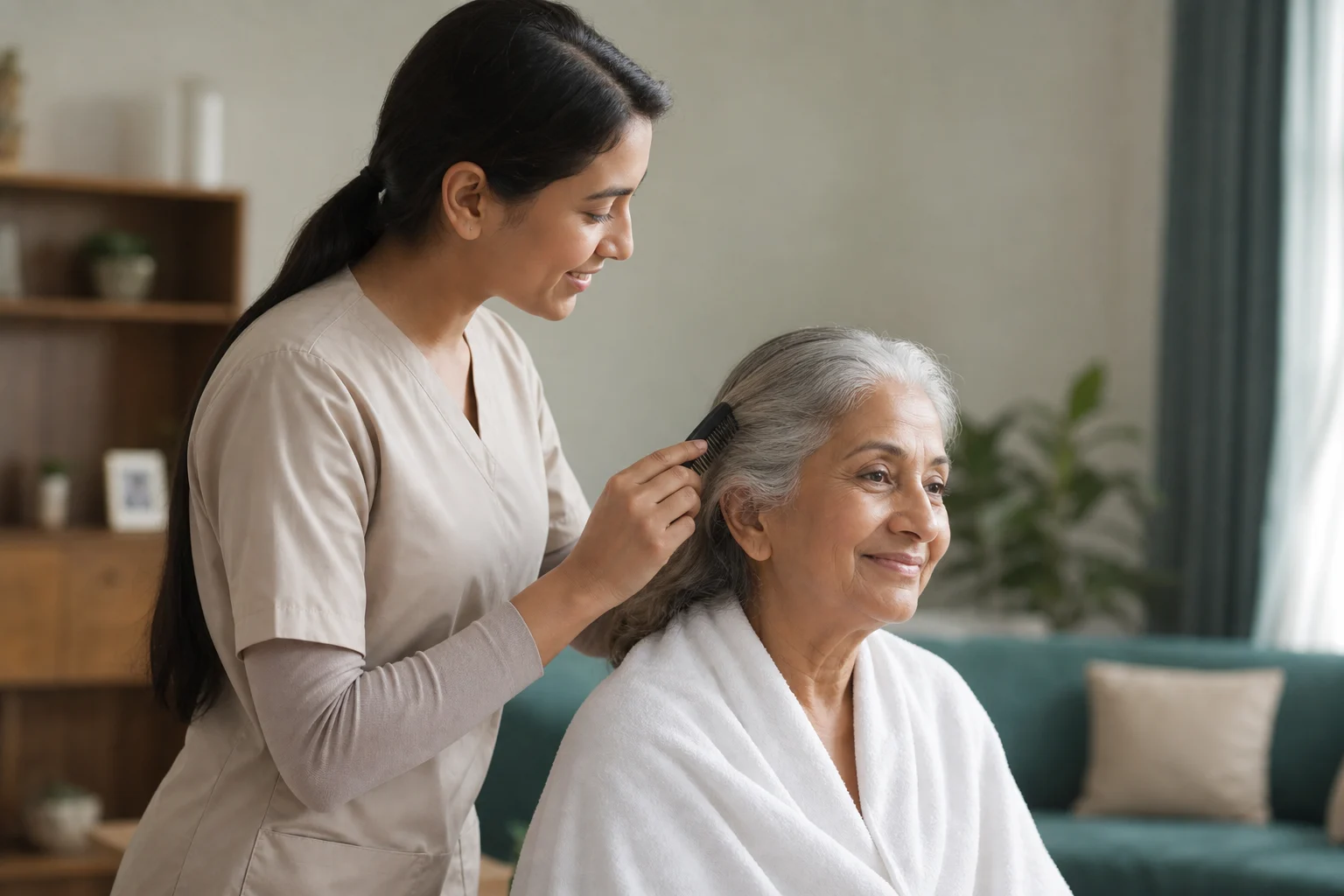
- In-Home Care: This service allows seniors to receive care in the comfort of their own homes. Caregivers can assist with daily activities, health monitoring, and companionship.
- Assisted Living Facilities: For seniors who require more support, assisted living facilities provide a community setting with access to care staff, meals, and social activities.
- Nursing Homes: These facilities offer comprehensive medical care for seniors with significant health issues or disabilities who need round-the-clock supervision.
- Adult Day Care: Adult day care centers provide a safe environment for seniors during the day, offering activities, meals, and social interaction while giving caregivers a break.
Choosing the right elder care service can be a daunting task, but several factors can guide families in making an informed decision:
- Assess Needs: Understanding the specific needs of the senior is the first step. Families should evaluate the level of assistance required, whether it be personal care, medical needs, or social interaction.
- Research Options: Investigating local elder care services, reading reviews, and seeking recommendations from healthcare providers can help families identify reputable services.
- Visit Facilities: For those considering assisted living or nursing homes, visiting the facilities in person can provide insight into the environment, staff interactions, and overall atmosphere.
- Ask Questions: Families should not hesitate to ask potential service providers about their qualifications, staff training, and care protocols. Understanding how they handle emergencies and what their policies are regarding caregiver turnover can also be beneficial.
Elder care services are vital for enhancing the quality of life for seniors and providing support to families. By offering personalized care, emotional support, and promoting safety, these services ensure that older adults can live with dignity and independence. As the population ages, the importance of these services will only continue to grow, making it essential for families to understand their options and choose the best care solutions for their loved ones.
The Importance of Elder Care Services
Finding the right elder care services is crucial for several reasons:
- Enhanced Independence: Quality elder care services promote independence, allowing seniors to live in their own homes while receiving the support they need.
- Personalized Care: Each individual has unique needs; tailored care plans ensure that those needs are met effectively.
- Emotional Support: Many seniors experience feelings of isolation. Care services often include companionship, which is vital for mental health.
- Safety and Security: Professional caregivers provide supervision and assistance, ensuring a safe living environment.
Choosing the Right Elder Care Service
When selecting the right elder care service for your loved one, it is crucial to approach the decision with a thorough understanding of their unique needs and the various options available. This process can be overwhelming, but by breaking it down into manageable steps, you can ensure that you choose a service that provides the best care for your family member.
Here are several key factors to consider when making this important decision:
- Assess Needs: Begin by evaluating the specific needs of your loved one. This assessment should include a comprehensive look at their physical health, mental well-being, and emotional requirements. For instance, if your loved one suffers from dementia or another cognitive impairment, they may need specialized care that focuses on memory support. Alternatively, if they are mostly independent but require assistance with daily living tasks such as bathing, medication management, or meal preparation, a home care aide might be sufficient. In some cases, families may also consider moving their loved one into an assisted living facility, which provides a broader range of services in a community setting.
- Research Options: After understanding the needs of your loved one, it’s time to explore local elder care services. Start by gathering information from various sources, including online reviews, community forums, and recommendations from friends or healthcare professionals. Websites like Caring.com or A Place for Mom can provide insights into local options and allow you to read testimonials from other families. Pay attention to the overall ratings and any recurring themes in the reviews, such as staff professionalism, quality of care, and responsiveness to family concerns. Consider visiting the facilities in person if you are looking at residential options. This will give you a better sense of the environment and the staff’s interaction with residents.
- Meet Caregivers: Once you have narrowed down your list of potential elder care services, arrange meetings with caregivers or staff members. This is an essential step as it allows you to gauge compatibility and comfort levels. Prepare a list of questions to ask during these meetings, such as their training and experience, how they handle emergencies, and their approach to care. Observe how they interact with your loved one and whether they demonstrate patience, empathy, and respect. It’s also a good idea to involve your loved one in these meetings, as their comfort with the caregiver is paramount. If your loved one feels uneasy or uncomfortable, it may be a sign to look for someone else.
- Discuss Costs: Understanding the pricing structure of the elder care services you are considering is vital to ensure they fit within your budget. Elder care can be costly, and it’s essential to know what services are included in the quoted price. Ask for a detailed breakdown of costs, including any additional fees for specialized services, transportation, or activities. Some facilities might have tiered pricing based on the level of care required, so be sure to clarify what is covered in each tier. Check if the elder care service accepts long-term care insurance or other forms of financial assistance, which could alleviate some financial burdens.
- Evaluate Location: The location of the elder care service can significantly impact your decision. Ideally, you want a service that is conveniently located near family members or friends who can frequently visit. Proximity can enhance your loved one's quality of life, as regular visits from family can help prevent feelings of isolation. If considering residential options, think about how far you are willing to travel and the accessibility of the facility. If your loved one has mobility issues, ensure that the facility is easily reachable and has appropriate accommodations.
- Check for Licensing and Accreditation: Before making a final decision, verify that the elder care services you are considering are properly licensed and accredited. Each state has specific regulations governing elder care facilities, and it’s important to ensure that the service complies with local laws and standards. Accreditation from recognized organizations can also be a positive indicator of quality care. Look for facilities that are accredited by the Joint Commission or the Commission on Accreditation of Rehabilitation Facilities (CARF).
- Review Care Plans: Inquire about the care planning process at the elder care service. A reputable facility will create a personalized care plan tailored to your loved one's unique needs and preferences. This plan should be regularly reviewed and updated, and family members should be involved in discussions about care goals and adjustments. Understanding how care is delivered and how progress is monitored can provide peace of mind.
- Visit Frequently: If you choose a residential elder care service, plan to visit regularly. Frequent visits can help you stay informed about your loved one's well-being and ensure that they are receiving the level of care promised. These visits also allow you to build relationships with the staff and other residents, fostering a supportive community for your loved one.
- Trust Your Instincts: Ultimately, trust your instincts when choosing an elder care service. If something feels off during your research or meetings, don’t hesitate to explore other options. The well-being of your loved one is paramount, and it’s essential to find a service that feels right for both them and your family.
Choosing the right elder care service is a significant decision that requires careful consideration and planning. By thoroughly assessing needs, researching options, meeting caregivers, discussing costs, and staying involved in your loved one’s care, you can make an informed choice that enhances their quality of life. Remember, the goal is to find a service that not only meets their physical needs but also supports their emotional and social well-being.
Choosing the Right Elder Care Service
When selecting the right elder care service for your loved one, consider the following factors:
- Assess Needs: Evaluate the specific needs of your loved one. Do they require assistance with daily living tasks or more specialized medical care?
- Research Options: Look into local elder care services, checking reviews and testimonials to understand their reputation.
- Meet Caregivers: Arrange meetings with potential caregivers to gauge compatibility and comfort levels.
- Discuss Costs: Understand the pricing structure of the services offered to ensure they fit within your budget.
Why Choose Ability Homes?
At Ability Homes, we pride ourselves on providing compassionate, high-quality home health care services to seniors in Brooklyn Park, MN. Our expert team is dedicated to enhancing the independence of our clients through personalized care plans that cater to their unique needs. We understand that entrusting someone with the care of your loved one is a significant decision, and we aim to build trust through our commitment to excellence and empathy.