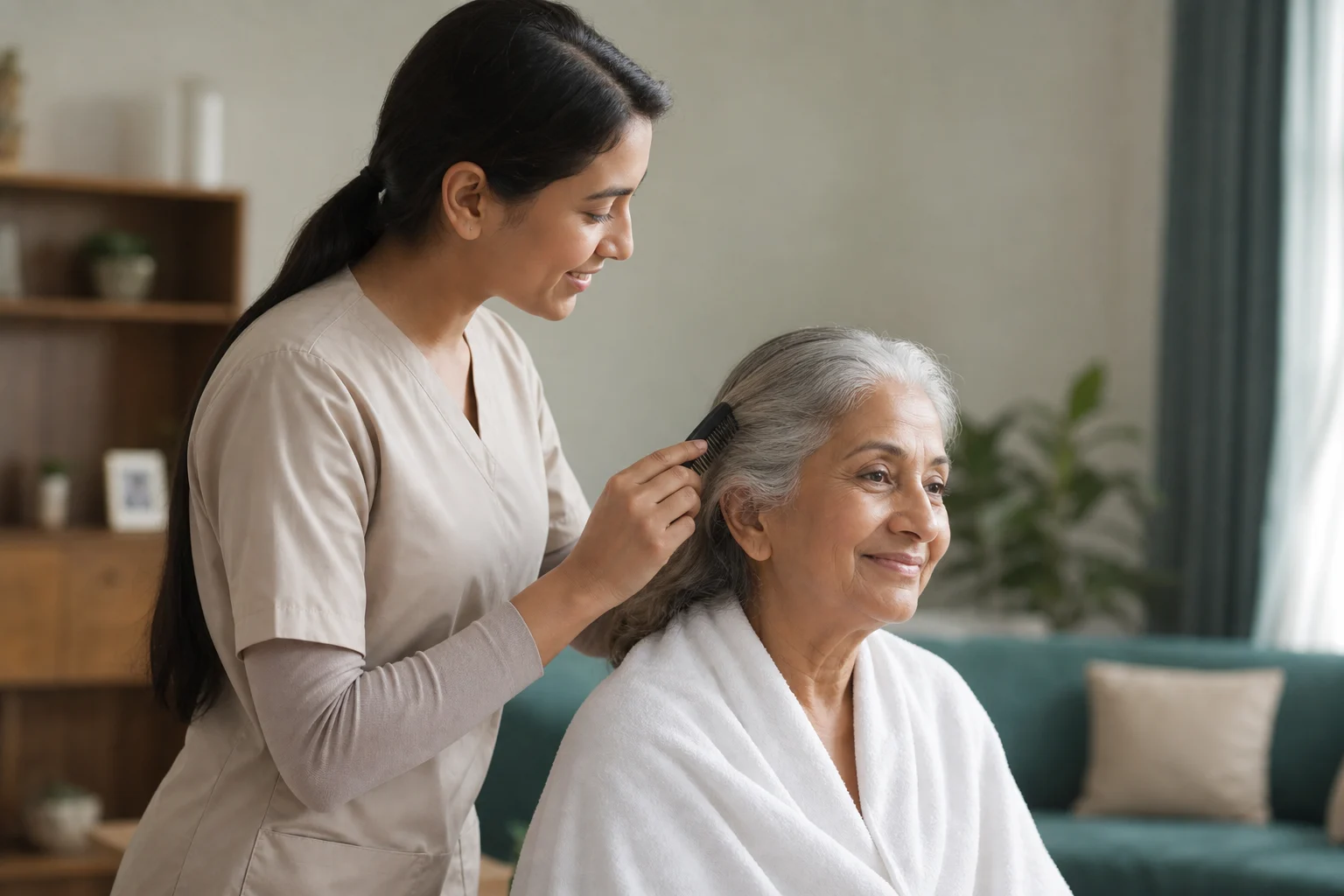
The Benefits of Companion Care for Seniors
As our loved ones age, their needs evolve, and so does their desire for companionship. For many seniors, the transition into later stages of life can be a challenging journey, often accompanied by feelings of loneliness and isolation. This is where companion care for seniors plays a vital role, providing emotional and physical support that can significantly enhance their quality of life. At Ability Homes, we understand the importance of companionship in senior care, and we are dedicated to offering personalized senior care solutions that cater to the unique needs of each individual.
The Physical Benefits of Companion Care
Beyond emotional support, companion care can also contribute significantly to the physical health of seniors. Engaging in activities and maintaining a routine with the help of a caregiver can lead to enhanced physical well-being. The role of companion care for seniors extends far beyond mere companionship; it encompasses a holistic approach to health that integrates physical, nutritional, and medical aspects of care. Consider the following benefits:
- Encouragement for Physical Activity: Companions can motivate seniors to engage in light exercises, walks, or other physical activities that promote mobility and strength. Regular physical activity is crucial for maintaining muscle mass, flexibility, and overall mobility. For example, a caregiver might accompany a senior on daily walks in the park, which not only provides exercise but also exposes them to fresh air and nature, enhancing both physical and mental health.
- Healthy Eating Habits: Companion caregivers can assist with meal preparation, ensuring that seniors receive nutritious meals tailored to their dietary needs. Proper nutrition is vital for senior health, impacting everything from energy levels to immunity. A companion can help plan balanced meals that are rich in vitamins and minerals. For instance, they might prepare a colorful plate filled with leafy greens, lean proteins, and whole grains, making meals not only healthy but also visually appealing. Caregivers can help with grocery shopping, ensuring that seniors have access to fresh and healthy food options.
- Medication Management: Having a companion helps seniors stay on track with their medications, reducing the risk of health complications. Companions can set reminders for medication times and help organize pills in a way that makes it easy for seniors to manage their prescriptions. This can be particularly helpful for those with multiple medications, as it reduces the chances of missed doses or accidental overdoses. Caregivers can help seniors understand the purpose of each medication, which can enhance compliance and encourage a proactive approach to their health.
To these key benefits, companion care can significantly impact seniors' overall physical health in other ways:
- Social Engagement and Its Health Impacts: Social interaction is essential for physical health. Studies have shown that seniors who engage socially experience lower rates of chronic diseases and better health outcomes. A companion can facilitate social activities, such as joining community groups, attending local events, or simply enjoying conversations at home. These interactions can help reduce feelings of isolation and depression, which are often linked to physical health decline.
- Support for Rehabilitation: For seniors recovering from surgery or illness, companion care can play a crucial role in rehabilitation. Caregivers can assist with physical therapy exercises, ensuring that seniors adhere to their rehabilitation programs. They can also provide encouragement and motivation, which is often critical during recovery phases. For example, if a senior has undergone hip replacement surgery, a caregiver can help them practice walking with a walker or cane, promoting gradual and safe recovery.
- Monitoring Vital Signs: Companion caregivers can help monitor vital signs, such as blood pressure and heart rate, especially for seniors with chronic health issues. Keeping track of these metrics can help catch potential health issues early. If a caregiver notices unusual changes, they can alert family members or healthcare providers promptly, ensuring that the senior receives timely medical attention.
Companion care encourages a structured daily routine, which can greatly benefit seniors’ physical health. Establishing a routine can help seniors maintain a sense of normalcy and stability, which is especially important as they age. Here’s how a daily routine can be structured:
- Morning Routine: A caregiver can assist seniors in starting their day with light stretching or yoga, aiding in flexibility and reducing stiffness. Following this, they can enjoy a nutritious breakfast together, setting a positive tone for the day.
- Midday Activities: Midday can include more physical activities, such as gardening, walking, or even light household chores. These activities provide gentle exercise while also facilitating a sense of accomplishment. Seniors can be encouraged to participate in hobbies that involve physical movement, like dance or chair aerobics.
- Afternoon Relaxation: After engaging in physical activities, it’s essential to include periods of rest. A caregiver can help create a comfortable space for relaxation, perhaps with guided meditation or light reading, which can also promote mental well-being.
- Evening Wind Down: As the day winds down, caregivers can assist seniors in preparing a healthy dinner, followed by a calming evening routine that may include gentle stretches or a leisurely walk, ensuring that seniors end their day on a positive note.
The physical benefits of companion care for seniors extend far beyond simple support—it's about creating a lifestyle that promotes longevity and vitality. By focusing on physical activity, nutrition, medication management, and social engagement, companion care can significantly enhance the quality of life for seniors. As families consider options for their loved ones, understanding the multifaceted benefits of companion care is essential for making informed decisions that prioritize their health and happiness.
Activities That Promote Engagement and Well-being
Engaging in activities is essential for maintaining both mental and physical health, especially for seniors who may experience isolation or loneliness. Companion care for seniors can significantly enhance their quality of life by facilitating a variety of enriching activities that promote engagement and well-being. Here are some detailed activities that companions can facilitate, each designed to stimulate different areas of health and happiness:
- Arts and Crafts: Creative activities such as painting, knitting, or scrapbooking can stimulate cognitive function and provide a sense of accomplishment. For instance, seniors can participate in guided painting sessions, which not only allow for self-expression but also encourage fine motor skills. Crafting can be tailored to individual interests; for example, making greeting cards for family members can foster a connection with loved ones. Art therapy has been shown to reduce anxiety and depression among seniors, making it a powerful tool for companion caregivers to implement.
- Games and Puzzles: Engaging in games such as card games, board games, or puzzles can enhance cognitive abilities while providing a fun way to socialize. Games like Scrabble or crossword puzzles challenge the mind, improve vocabulary, and boost memory. Organizing regular game nights can create a sense of community and routine, which is beneficial for seniors. Many online platforms now offer virtual games that seniors can play with friends or family members who may not live nearby, further extending their social interactions.
- Reading Together: Whether it’s books, newspapers, or magazines, reading can spark conversations and keep seniors connected to current events. Companions can read aloud to seniors, which can be particularly beneficial for those with visual impairments. Choosing a book series or a magazine that aligns with the senior's interests can lead to engaging discussions. Establishing a mini book club among peers can encourage social interaction and critical thinking. This activity not only keeps the mind active but also provides an opportunity to share thoughts and opinions, fostering deeper connections.
- Outdoor Activities: Spending time outside, whether in a garden or on a walk, can improve mood and provide physical benefits. Companions can organize nature walks or gardening sessions, which are excellent for physical fitness and mental clarity. For those with mobility issues, creating a small garden area that is accessible or using raised garden beds can be a wonderful way to connect with nature. Even simple activities like birdwatching or picnicking in a local park can provide fresh air and a change of scenery, which is vital for overall well-being.
- Music and Dance: Music has a profound impact on emotions and can evoke powerful memories. Companions can create personalized playlists featuring the senior's favorite songs or music from their youth. Organizing dance sessions, even in a seated position, can boost mood and encourage physical activity. Music therapy sessions can also be a wonderful way to engage seniors, as it can improve cognitive function and reduce feelings of isolation.
- Cooking and Baking: Involving seniors in cooking or baking activities can be both enjoyable and rewarding. Companions can assist them in preparing their favorite meals or trying out new recipes. This not only promotes healthy eating but also encourages sensory engagement through smell, taste, and touch. Cooking together can also spark conversations about family traditions and cultural heritage, which can enhance emotional well-being and foster a sense of identity.
- Exercise and Movement: Physical activity is crucial for maintaining health in seniors. Companions can lead gentle exercise sessions, such as chair yoga, stretching, or tai chi, which are designed to improve flexibility and strength without putting too much strain on the body. Engaging in regular physical activity can also alleviate symptoms of anxiety and depression. Joining a local senior exercise class can provide social opportunities and motivate seniors to stay active.
- Technology and Virtual Connections: In today's digital age, technology can bridge the gap between seniors and their loved ones. Companions can help seniors learn to use video calling platforms to stay connected with family and friends, which is particularly important for those who may be homebound. Teaching them how to use social media or send emails can also empower them to communicate with others and share their experiences. Engaging with technology can stimulate cognitive function and reduce feelings of loneliness.
- Mindfulness and Meditation: Introducing mindfulness practices can greatly benefit seniors' mental health. Companions can guide them through simple meditation exercises, breathing techniques, or even gentle guided imagery sessions. These practices can reduce stress and promote relaxation, making them a valuable addition to a senior's daily routine. Creating a peaceful environment for these sessions, perhaps with soft music or calming scents, can enhance the experience.
- Volunteering Opportunities: Encouraging seniors to participate in community service can provide a sense of purpose and fulfillment. Companions can help identify local organizations that welcome senior volunteers, whether it’s reading to children, assisting in animal shelters, or participating in community clean-up days. Contributing to the community not only benefits others but also enriches the volunteer’s life, fostering a sense of belonging and accomplishment.
Companion care for seniors encompasses a wide range of activities that can significantly enhance their engagement and overall well-being. By incorporating a variety of stimulating and enjoyable activities into their daily lives, companions can help seniors maintain a positive outlook, foster social connections, and improve their mental and physical health. It’s essential for caregivers to remain attuned to the individual interests and needs of the seniors they support, ensuring that each activity is both enjoyable and beneficial. Through these thoughtful engagements, companions can play a crucial role in enhancing the quality of life for seniors, making each day a little brighter.
Activities That Promote Engagement and Well-being
Engaging in activities is essential for maintaining both mental and physical health. Here are a few activities that companions can facilitate:
- Arts and Crafts: Creative activities can stimulate cognitive function and provide a sense of accomplishment.
- Games and Puzzles: Engaging in games can enhance cognitive abilities and provide a fun way to socialize.
- Reading Together: Whether it’s books, newspapers, or magazines, reading can spark conversations and keep seniors connected to current events.
- Outdoor Activities: Spending time outside, whether in a garden or on a walk, can improve mood and provide physical benefits.
How Ability Homes Can Help
At Ability Homes, we specialize in home health care services designed to enhance the independence and well-being of our clients. Our compassionate team is dedicated to providing personalized senior care that meets the unique needs of each individual. Here’s how we can assist:
- 24/7 Support and Supervision: Our caregivers are available around the clock, ensuring that seniors have access to support whenever they need it.
- Nursing Services: We offer professional nursing services to address medical needs, complemented by our companion care.
- Daily Personal Care: We assist with personal care tasks, allowing seniors to maintain dignity and comfort in their daily routines.