The Importance of Daily Personal Care for Seniors
As we age, the need for daily personal care becomes increasingly vital for maintaining health, dignity, and overall well-being. For many seniors, daily personal care encompasses a range of activities that support their independence and quality of life. At Ability Homes, we understand the significance of this aspect of elderly care assistance, especially for families seeking reliable in-home senior care solutions in Brooklyn Park, MN.
Understanding Daily Personal Care
Daily personal care refers to the various tasks and routines that help seniors maintain their hygiene, nutrition, and overall health. This care includes activities such as bathing, grooming, meal preparation, medication management, and mobility assistance. These tasks, while seemingly simple, play a crucial role in the daily lives of seniors, impacting not just their physical health, but their emotional and mental well-being as well.
As we age, the ability to perform daily personal care activities can diminish due to various factors, including physical limitations, cognitive decline, or chronic health conditions. Recognizing the importance of these activities is essential for caregivers and family members who wish to support their loved ones in maintaining independence and dignity. In this section, we will explore each aspect of daily personal care in greater detail, emphasizing its significance and offering practical guidance for implementation.
Bathing and Hygiene
Bathing is one of the most fundamental aspects of daily personal care. It not only promotes physical cleanliness but also plays a vital role in preventing infections and skin issues. For seniors, maintaining hygiene can become challenging due to mobility issues or fear of falling. Here are some strategies to facilitate safe and effective bathing:
- Assess Mobility: Determine the senior's mobility level. If they require assistance, consider using a shower chair or grab bars to enhance safety.
- Choose the Right Time: Schedule bathing during times when the senior feels most energetic, often during the morning.
- Use Gentle Products: Opt for mild soaps and shampoos to prevent skin irritation. Moisturizing products can also help maintain skin health.
- Maintain a Comfortable Temperature: Ensure the bathroom is warm and comfortable to avoid chills, which can deter seniors from bathing regularly.
Caregivers can provide companionship during bathing, which not only enhances safety but also fosters emotional support. Gentle conversation or music can make the experience more enjoyable.
Grooming and Personal Appearance
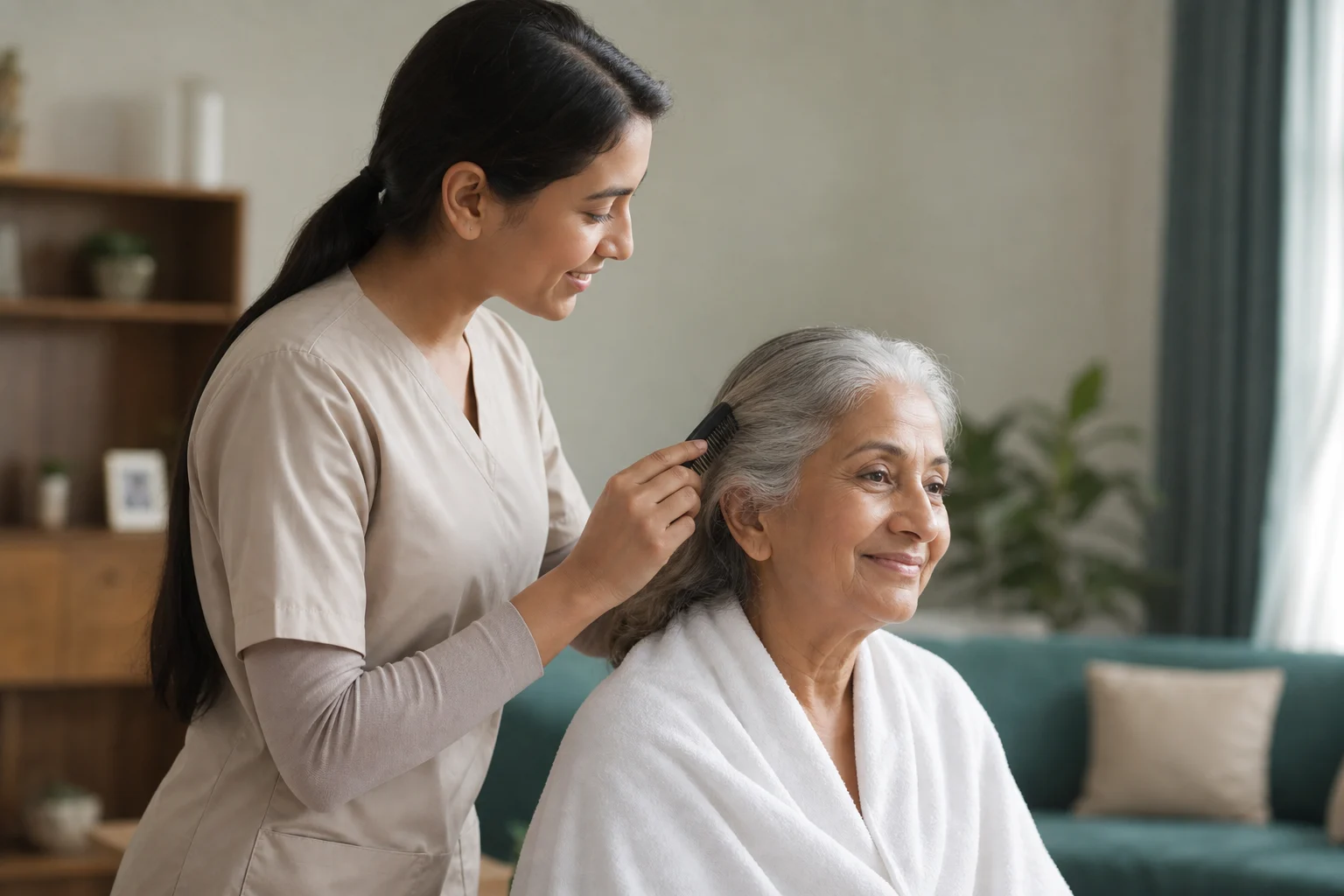
Grooming encompasses a range of activities, including hair care, dental hygiene, and nail care. These activities are vital not only for physical appearance but also for self-esteem and mental health. Here are some grooming tips:
- Hair Care: Regular hair washing and styling can boost confidence. Consider hiring a professional hairstylist if mobility is an issue.
- Oral Hygiene: Encourage regular brushing and flossing. If manual dexterity is a concern, electric toothbrushes can be beneficial.
- Nail Care: Regular trimming and cleaning of nails can prevent discomfort and infections. Consider professional pedicure services for seniors with limited mobility.
Encouraging seniors to engage in grooming routines can significantly enhance their sense of dignity and self-worth. Personal appearance can influence mood, and feeling good often translates to better overall health.
Nutrition and Meal Preparation
Nutrition plays a crucial role in maintaining health, especially for seniors. A balanced diet can help manage chronic conditions, boost the immune system, and improve mood. However, preparing nutritious meals can be overwhelming for some seniors. Here are some practical tips:
- Plan Balanced Meals: Focus on incorporating fruits, vegetables, whole grains, lean proteins, and healthy fats into daily meals.
- Pre-Prepare Meals: Cook larger portions and freeze individual servings. This can save time and ensure that nutritious meals are readily available.
- Use Simple Recipes: Encourage using easy-to-follow recipes with minimal ingredients to make cooking less daunting.
- Consider Meal Delivery Services: Many services cater specifically to seniors, offering nutritious meals that require little preparation.
Involving seniors in meal preparation, even in small ways, can foster a sense of accomplishment and independence. Simple tasks such as stirring ingredients or setting the table can make them feel more engaged.
Medication Management
Proper medication management is essential for seniors, particularly those with multiple prescriptions. Mismanagement can lead to serious health complications. Here are some strategies for effective medication management:
- Create a Medication Schedule: Use a pill organizer and set reminders for each medication. This can help prevent missed doses.
- Regularly Review Medications: Schedule regular appointments with healthcare providers to review medications and discuss any potential side effects.
- Educate on Medications: Ensure that seniors understand the purpose of each medication, including how and when to take them.
- Involve Family Members: Encourage family members to participate in medication management, providing additional oversight and support.
Empowering seniors to take an active role in their medication management can improve adherence and promote a greater sense of control over their health.
Mobility Assistance
Mobility issues can significantly impact a senior's quality of life, leading to feelings of isolation and dependence. Assisting with mobility is a critical component of daily personal care. Here are some practical tips:
- Assess the Home Environment: Remove obstacles, ensure adequate lighting, and consider the use of mobility aids like walkers or canes.
- Encourage Physical Activity: Engage seniors in gentle exercises that promote strength and flexibility, such as stretching or chair yoga.
- Use Technology: Consider using devices that can alert caregivers in case of falls or emergencies.
- Take Walks Together: Encourage regular walks in safe environments, which can boost both physical health and mood.
Mobility assistance not only enhances physical health but also fosters social interaction and emotional well-being. Encouraging seniors to remain active can significantly improve their quality of life.
Understanding and implementing daily personal care routines is vital for the well-being of seniors. By focusing on hygiene, grooming, nutrition, medication management, and mobility, caregivers can help seniors maintain their independence and dignity while promoting overall health. Recognizing the unique challenges faced by seniors and providing empathetic support can create a positive environment that enhances their quality of life.
Health Benefits of Daily Personal Care
Providing daily personal care to seniors yields numerous health benefits. Here are some key aspects to consider:
- Hygiene Maintenance: Regular bathing and grooming help prevent infections and skin issues, which are particularly important for seniors with limited mobility.
- Nutritional Support: Meal preparation ensures that seniors receive balanced diets that are crucial for their health, aiding in weight management and preventing malnutrition.
- Medication Management: Daily personal care includes reminders and assistance with medications, which is essential for those managing chronic conditions.
- Physical Activity: Assistance with mobility encourages seniors to stay active, which can help reduce the risk of falls and other health complications.
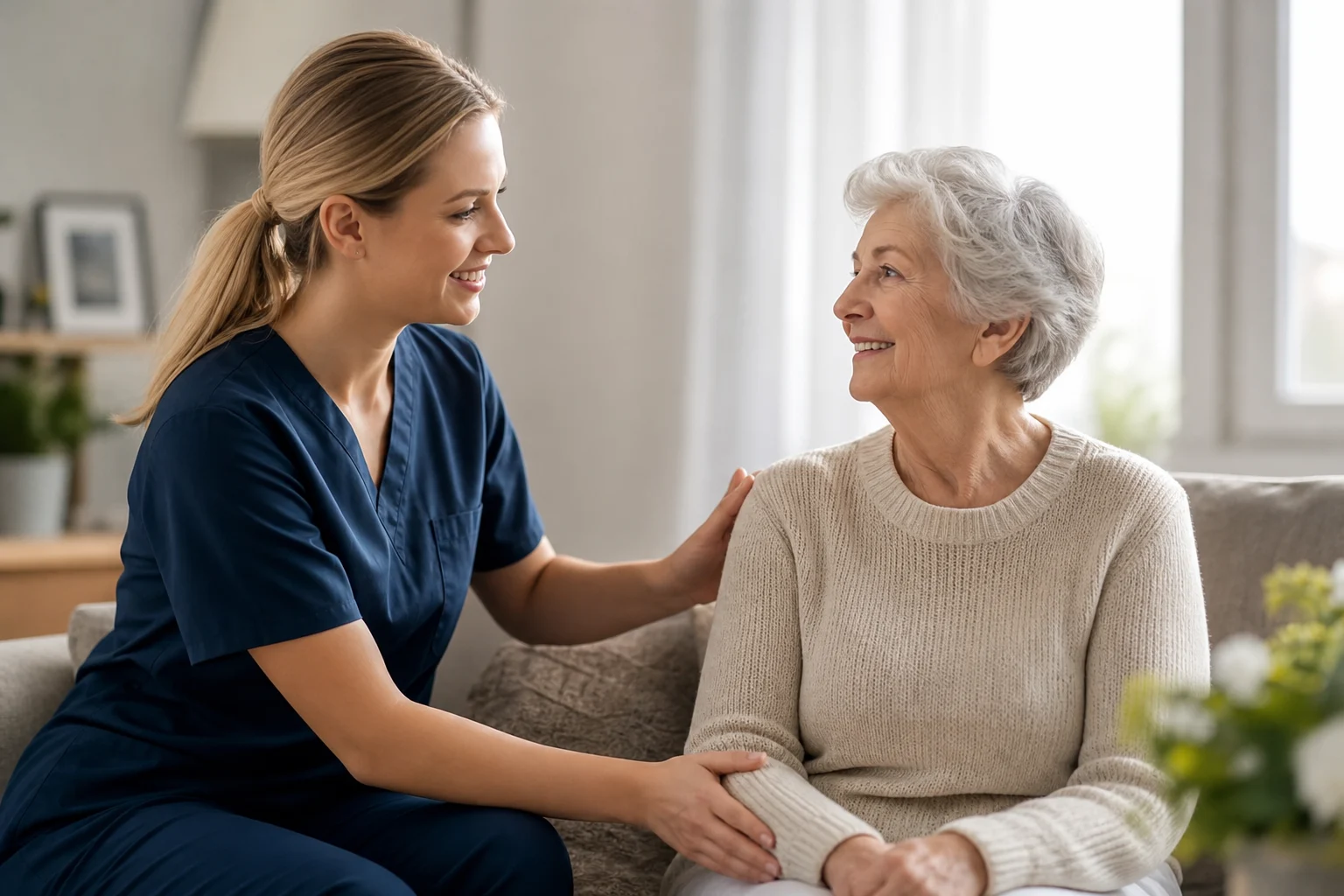
- Emotional Well-being: Daily interactions with caregivers can combat feelings of loneliness and isolation, promoting mental health.
Challenges in Daily Personal Care
While daily personal care is essential, there are several challenges that families may face when providing this care themselves. Understanding these challenges can help families prepare better and seek appropriate support when necessary. The following are some of the most common obstacles:
- Time Constraints: Family members often have work and personal commitments that limit their ability to provide the necessary care. Juggling a full-time job while managing the daily personal care of a senior can lead to feelings of being overwhelmed. For instance, a caregiver may need to coordinate morning routines, prepare meals, and assist with medication management, all within a limited timeframe. This can be particularly challenging for those who do not have flexible work schedules. To address this issue, families may consider creating a structured daily schedule that allocates specific times for personal care tasks, allowing for better time management and ensuring that seniors receive the care they need without overwhelming family members.
- Skill Level: Not everyone is trained to handle the complexities of elderly care, including understanding medical needs and managing medications. For example, a caregiver may struggle with administering the correct dosage of medication or may not be familiar with the specific dietary restrictions that their loved one requires. It is crucial for family caregivers to educate themselves about the specific needs of their senior family members. Resources such as local workshops, online courses, and support groups can provide valuable information and training. Consulting with healthcare professionals can help caregivers feel more confident in their abilities and ensure that they are meeting the needs of their loved ones effectively.
- Emotional Stress: Caring for an elderly loved one can be emotionally taxing, especially when dealing with health challenges and changes in behavior. Caregivers may experience feelings of anxiety, guilt, or frustration, particularly if they feel that they are not providing adequate care. It’s important for caregivers to acknowledge these feelings and seek support. Joining a caregiver support group can provide a safe space to share experiences and coping strategies. Regular self-care is essential; caregivers should prioritize their own health by ensuring they take breaks, engage in hobbies, and seek professional counseling when necessary. This not only benefits the caregiver but also improves the quality of care they provide.
To these challenges, there are other factors that can complicate daily personal care:
- Physical Limitations: As seniors age, they may face physical limitations that make it difficult for them to perform daily tasks independently. Conditions such as arthritis, mobility issues, or cognitive decline can hinder their ability to dress, bathe, or eat without assistance. To address these challenges, families can invest in adaptive equipment such as grab bars in the bathroom, shower chairs, or mobility aids. These tools can promote independence and enhance safety, allowing seniors to engage in personal care routines with less assistance.
- Communication Barriers: Seniors with hearing impairments, cognitive decline, or language barriers may struggle to communicate their needs effectively. This can lead to misunderstandings or frustration for both the caregiver and the senior. To improve communication, caregivers should practice active listening, maintain eye contact, and be patient. Simple techniques such as speaking slowly, using clear language, and confirming understanding can significantly enhance interactions. Using visual aids or written instructions can help bridge communication gaps.
- Resistance to Assistance: Many seniors value their independence and may resist help from family members, leading to conflicts. For instance, a senior may refuse to accept help with bathing or dressing, insisting that they can do it themselves despite safety concerns. In such cases, it’s essential for caregivers to approach the situation with empathy and understanding. Open conversations about the importance of safety and maintaining dignity can help seniors feel more comfortable accepting assistance. Providing choices, such as allowing them to choose their clothing or the time of day for personal care, can empower them and reduce resistance.
Creating a supportive environment is critical in overcoming these challenges. Here are some practical strategies for families to consider:
- Engage Professional Help: If the challenges of daily personal care become too overwhelming, families should consider hiring professional caregivers or home health aides. These trained professionals can assist with daily tasks and provide medical care, allowing family members to focus on emotional support and companionship. This can also reduce stress and help maintain a healthy balance between caregiving and personal life.
- Utilize Technology: Technology can play a significant role in enhancing daily personal care. From medication management apps to telehealth services, utilizing technology can streamline care and improve communication with healthcare providers. Wearable devices can help monitor vital signs and detect falls, providing peace of mind for both seniors and their families.
- Plan for Emergencies: Preparing for emergencies can alleviate anxiety for caregivers. Having a clear plan in place for medical emergencies, including emergency contacts and a list of medications, can ensure that families can act quickly and effectively when needed. Regular check-ins with healthcare providers can help prevent crises from arising.
While daily personal care is vital for maintaining the health and dignity of seniors, it does come with its set of challenges. By being aware of these obstacles and proactively seeking solutions, families can provide better care while also ensuring their own well-being. By prioritizing communication, education, and support, families can navigate the complexities of daily personal care with confidence and compassion.
Challenges in Daily Personal Care
While daily personal care is essential, there are challenges that families may face when providing this care themselves. These can include:
- Time Constraints: Family members often have work and personal commitments that limit their ability to provide the necessary care.
- Skill Level: Not everyone is trained to handle the complexities of elderly care, including understanding medical needs and managing medications.
- Emotional Stress: Caring for an elderly loved one can be emotionally taxing, especially when dealing with health challenges and changes in behavior.
How Ability Homes Can Help
At Ability Homes, we are committed to alleviating these challenges through our comprehensive home health care services. Our team is trained to provide:
- Personalized Care Plans: We create tailored care plans that address the specific needs of each senior, ensuring they receive appropriate support.
- Compassionate Caregivers: Our caregivers are not only skilled but also compassionate, understanding the emotional aspects of care.
- Flexible Scheduling: We offer flexible scheduling to accommodate the varying needs of families, providing care when it’s needed most.
- 24/7 Availability: Our services are available around the clock, ensuring that seniors have access to help whenever they need it.