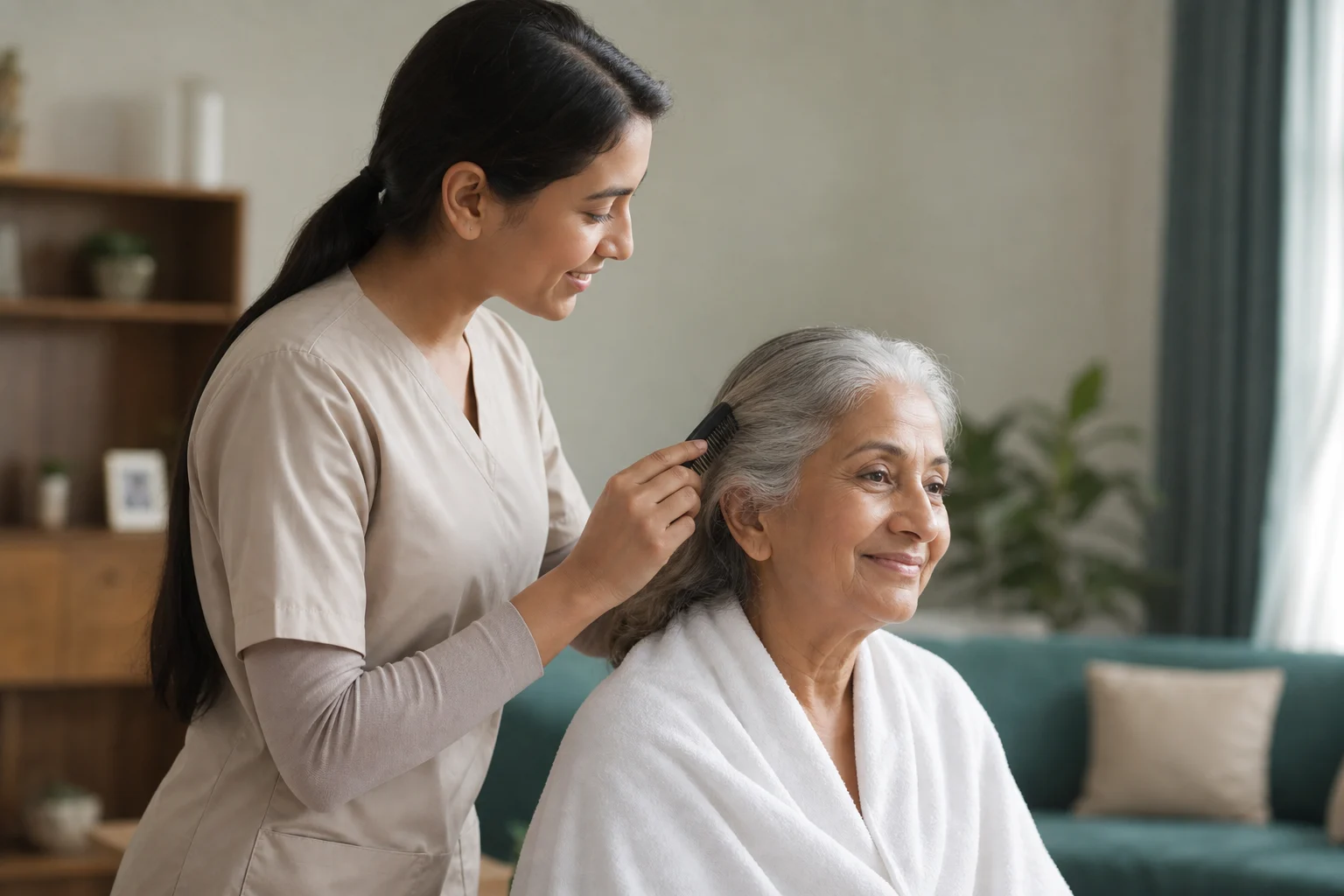
How Respite Care Can Support Family Caregivers
Family caregivers play an essential role in our society, providing invaluable support to seniors and individuals with disabilities. However, the demands of caregiving can be overwhelming, leading to physical and emotional fatigue. This is where respite care steps in as a lifeline. At Ability Homes, we understand the unique challenges faced by family caregivers in Brooklyn Park, MN, and offer compassionate home health care services designed to provide the necessary breaks that caregivers need.
What is Respite Care?
Respite care refers to temporary care services designed to give primary caregivers a much-needed break. This type of support can take many forms, including in-home assistance, adult day care, or short-term stays in a care facility. The primary goal of respite care is to relieve caregivers from their responsibilities, allowing them to recharge and focus on their well-being without sacrificing the quality of care their loved ones receive.
The Benefits of Respite Care for Family Caregivers
For many family caregivers, the responsibilities can become overwhelming. The emotional and physical demands of caregiving can take a toll on one’s health, relationships, and overall well-being. Here are some significant benefits that respite care can provide:
- Prevention of Caregiver Burnout: Continuous caregiving can lead to fatigue and stress. Respite care allows caregivers to take time off, reducing the risk of burnout and maintaining their mental health. According to studies, caregivers who regularly engage in respite care report lower levels of stress and higher levels of emotional well-being. By taking scheduled breaks, caregivers can recharge, allowing them to return to their duties with renewed energy and focus.
- Improved Quality of Life: Taking a break can improve overall life satisfaction. Caregivers who have time for themselves are more likely to return to their duties feeling refreshed and more capable. This time away can also provide opportunities for caregivers to reconnect with friends, engage in hobbies, or simply relax. A caregiver who feels fulfilled in their personal life is often more effective in their caregiving role.
- Enhanced Support System: Utilizing respite care can allow caregivers to access additional resources and support, connecting them with other caregivers and professionals who understand their situation. Many respite care programs offer support groups and workshops, providing caregivers with valuable information on managing stress, coping strategies, and building community connections.
- Increased Focus on Personal Health: With respite care, caregivers can dedicate time to their health, attend medical appointments, or simply relax and engage in activities they enjoy. Prioritizing one’s own health is crucial, as caregivers often neglect their own needs while focusing on their loved one's care. Engaging in regular exercise, attending therapy sessions, or participating in wellness activities can significantly enhance a caregiver’s physical and mental state.
- Better Care for Seniors: When caregivers are well-rested, they can provide better care for their loved ones. Respite care ensures that seniors receive consistent, high-quality assistance. Studies have shown that when caregivers take breaks, the quality of care they provide improves, resulting in better health outcomes for seniors. Seniors often benefit from the interaction with different caregivers, preventing them from becoming overly dependent on one person.
To these key benefits, respite care also plays a critical role in fostering a healthier family dynamic. Caregiving can sometimes strain relationships among family members, leading to feelings of resentment or guilt. By incorporating respite care, family caregivers can share responsibilities more equitably, allowing for better communication and cooperation among family members. This teamwork can lead to a more harmonious home environment, where everyone feels valued and supported.
Respite care can offer practical assistance that allows caregivers to step away from their duties without worrying about their loved one's safety and well-being. Professional respite care providers are trained to handle various needs, from personal care to companionship, ensuring that seniors are well cared for in the absence of their primary caregiver. This not only alleviates the stress on the caregiver but also enhances the quality of life for the senior receiving care.
For those considering respite care, there are several options available, including in-home respite services, adult day care centers, and short-term residential care facilities. In-home respite care allows caregivers to take a break while their loved one remains in the comfort of their home. This option is often preferred as it minimizes disruption in the senior's routine. Adult day care centers offer a structured environment where seniors can engage in social activities and receive care during the day, while caregivers can use this time for errands, self-care, or relaxation. Short-term residential care facilities provide a temporary living situation for seniors, allowing caregivers to take extended breaks when needed.
When exploring respite care options, it’s essential for caregivers to consider their loved one’s specific needs and preferences. Some seniors may feel more comfortable receiving care in their own home, while others may thrive in a social setting with peers. It’s also important to assess the qualifications and training of respite care providers to ensure they can meet the needs of the individual requiring care.
Financial considerations should be taken into account when seeking respite care. While some insurance plans may cover certain types of respite care, others may not. Caregivers should inquire about costs and potential funding options, such as government programs, non-profit organizations, or community resources that may offer financial assistance for respite care services. Understanding the financial aspect can help caregivers make informed decisions and reduce the stress associated with caregiving.
Caregivers should be proactive in communicating their needs and expectations to respite care providers. Clear communication can ensure that caregivers feel comfortable and confident in the care their loved one is receiving. It’s beneficial to create a care plan that outlines specific routines, preferences, and medical needs, ensuring that respite caregivers can provide the best possible support.
The benefits of respite care for family caregivers are profound and multifaceted. By prioritizing self-care and utilizing respite care services, caregivers can maintain their health, improve their quality of life, and ultimately provide better care for their loved ones. It’s essential for caregivers to recognize the importance of taking breaks, as this not only benefits them but also enhances the overall caregiving experience for everyone involved. Embracing respite care can transform the caregiving journey into a more sustainable and fulfilling experience, where both caregivers and seniors can thrive.
Services Offered by Ability Homes
At Ability Homes, we pride ourselves on offering a range of home health care services tailored to meet the unique needs of seniors and their families in Brooklyn Park, MN. Our respite care services include:
- 24/7 Support and Supervision: Our trained caregivers are available around the clock, ensuring your loved ones receive assistance whenever they need it.
- Nursing Services: We offer skilled nursing care to manage medical needs, administer medications, and provide health monitoring, which can be particularly beneficial for seniors with chronic conditions.
- Daily Personal Care: Our caregivers assist with daily living tasks such as bathing, grooming, and meal preparation, enhancing the dignity and comfort of those we serve.
Quality Care That Fits Your Lifestyle
Respite care is a vital resource for family caregivers, offering them the opportunity to take necessary breaks and maintain their health while ensuring their loved ones receive the care they need. The role of respite care cannot be overstated, as it provides crucial support for caregivers who often face physical, emotional, and financial strains while caring for their loved ones. By utilizing respite care services, caregivers can recharge, focus on their well-being, and return to their caregiving roles with renewed energy and perspective.
One of the primary benefits of respite care is the flexibility it offers. Caregivers can choose from a variety of options tailored to their specific needs and circumstances. This can range from in-home respite care, where trained professionals come to the caregiver's home to provide assistance, to short-term stays in assisted living or nursing facilities. Each option allows caregivers to take a break that fits their schedule, whether it's for a few hours, a day, or even longer. This flexibility is essential in helping caregivers manage their time and responsibilities effectively.
Respite care services can provide a safe and supportive environment for the elderly. Many facilities equipped for respite care have trained staff who understand the unique needs of seniors, including those with specific medical conditions like Alzheimer's, dementia, or mobility issues. This professional care ensures that seniors are not only safe but also engaged in activities that promote their physical and mental well-being. For example, many respite care facilities offer social activities, exercise programs, and therapeutic options that help seniors stay active and engaged, directly benefiting their health and happiness.
Respite care can significantly reduce caregiver burnout, a common issue faced by many family caregivers. Burnout can lead to feelings of frustration, exhaustion, and resentment, which can negatively impact the quality of care provided to the loved one. By taking regular breaks through respite care, caregivers can alleviate stress, improve their mental health, and enhance their overall quality of life. It's essential for caregivers to recognize the signs of burnout and understand that taking time for themselves is not selfish but a necessary part of maintaining their caregiving responsibilities.
Another important aspect of respite care is its role in fostering a support system. Through respite care services, caregivers can connect with other individuals in similar situations, sharing experiences, advice, and emotional support. Many respite care programs offer support groups or counseling services, allowing caregivers to express their feelings and gain insights from others who understand their challenges. This community aspect can be incredibly beneficial, as it helps caregivers feel less isolated and more empowered in their roles.
For those who may be hesitant about utilizing respite care due to concerns about cost, it's essential to explore the various funding options available. Many insurance plans cover respite care services, and there are also government programs and nonprofit organizations that provide financial assistance. It's worth investigating these options to ensure that families can access the support they need without undue financial burden. Some respite care services offer sliding scale fees based on income, making it more accessible for families from diverse economic backgrounds.
When considering respite care, it's crucial for families to communicate openly about their needs and preferences. Caregivers should feel empowered to express their concerns and expectations to the respite care provider. This conversation can help ensure that the services provided align with the caregiver's and the loved one's needs. For instance, if a senior has specific dietary restrictions or requires assistance with mobility, the care provider should be informed in advance to prepare appropriately.
Choosing the right respite care service is another critical step in ensuring a positive experience. Families should conduct thorough research, read reviews, and, if possible, visit facilities or interview in-home care providers. Asking questions about staff qualifications, the types of activities offered, and the level of individualized care can help families find a service that best fits their situation. Checking for accreditations and licenses can provide peace of mind regarding the quality of care being offered.
Respite care is not just about providing a break for caregivers; it’s about enhancing the overall quality of life for both caregivers and their loved ones. By prioritizing self-care and seeking respite care services, family caregivers can ensure they are physically and emotionally equipped to provide the best care possible. At Ability Homes, we are committed to providing exceptional senior living assistance and elderly care assistance in Brooklyn Park, MN. If you or a loved one are in need of respite care services, don’t hesitate to contact Ability Homes today for more information on how we can support your family. Together, we can create a sustainable caregiving environment that benefits everyone involved.