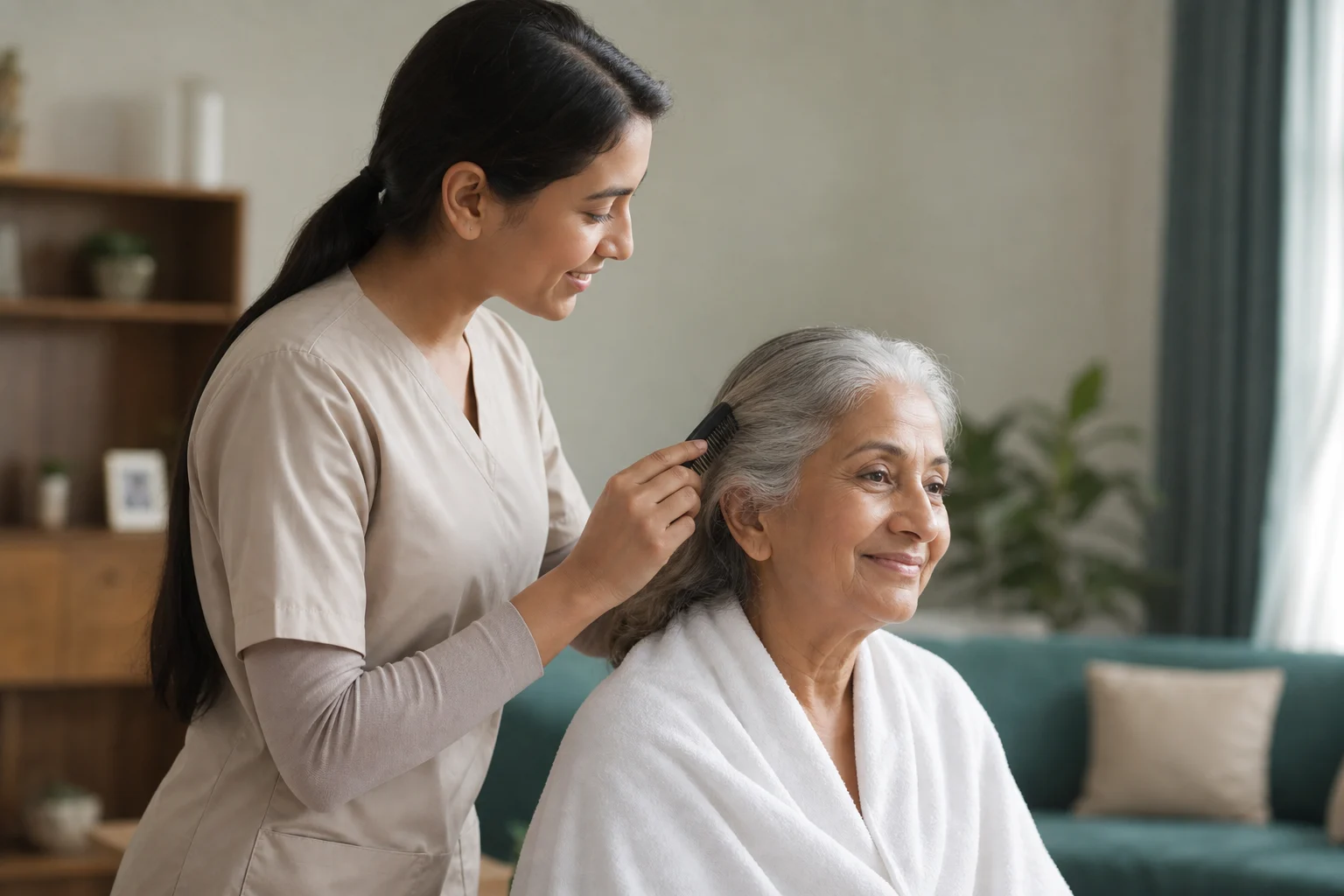
Navigating the Challenges of Caring for Seniors at Home
Caring for seniors at home is a rewarding yet challenging responsibility. As families step into the role of caregivers, they often encounter various obstacles that can make the experience overwhelming. At Ability Homes, we understand these challenges and aim to provide effective senior care solutions tailored to the unique needs of each family. This article will explore common difficulties faced by caregivers and offer practical solutions to overcome them, ensuring a positive caregiving experience for both seniors and their families.
Understanding the Challenges of Caring for Seniors
The landscape of senior care has shifted significantly, with more families opting to provide in-home care for their loved ones. While this choice allows for a more personalized approach, it also presents several challenges. Here are some of the most common issues that caregivers face:
- Physical Demands: Assisting seniors with daily tasks, such as bathing, dressing, and moving around, can be physically taxing for caregivers.
- Emotional Stress: The emotional weight of caring for a loved one can lead to feelings of isolation, anxiety, and depression.
- Lack of Knowledge: Many caregivers may not have the necessary training or knowledge to manage specific health conditions or medications.
- Time Constraints: Balancing caregiving with other responsibilities, such as work and family, can create significant time pressures.
- Financial Strain: The costs associated with home health care can add up quickly, leading to financial stress for families.
Practical Solutions for Caregivers
While the challenges of caring for seniors at home can be daunting, there are numerous strategies that caregivers can implement to make the experience more manageable. Here are some practical solutions:
1. Prioritize Self-Care
One of the most important aspects of caregiving is ensuring that you take care of yourself. Caregivers often neglect their own health and well-being while focusing on their loved ones. Here’s how to prioritize self-care:
- Schedule Regular Breaks: Taking short breaks throughout the day can help recharge your energy and reduce stress.
- Engage in Physical Activity: Regular exercise, even short walks, can boost your mood and improve your physical health.
- Seek Emotional Support: Joining a support group or talking to a friend can help alleviate feelings of isolation and provide valuable coping strategies.
2. Establish a Routine
Creating a structured daily routine can provide a sense of stability for both the caregiver and the senior. A consistent schedule helps seniors feel secure and can minimize confusion. Here are some tips for establishing a routine:
- Plan Daily Activities: Include meals, medication times, exercise, and leisure activities in the daily schedule.
- Involve the Senior: Encourage the senior to contribute to the planning process to empower them and ensure their needs are met.
- Stay Flexible: While routines are essential, be prepared to adapt to changing circumstances or unexpected needs.
3. Educate Yourself
Knowledge is a powerful tool in caregiving. Familiarizing yourself with your loved one’s health conditions, medications, and care requirements can make a significant difference. Consider the following:
- Research Health Conditions: Understanding specific illnesses can help you manage symptoms and anticipate needs.
- Attend Workshops: Look for local workshops or online courses focused on senior care topics.
- Consult Healthcare Professionals: Don’t hesitate to ask doctors or nurses for advice or resources to aid in caregiving.
4. Utilize Home Health Care Services
Engaging professional home health care services can alleviate some of the burdens on family caregivers. At Ability Homes, we offer a range of services designed to support families in caring for seniors at home. These include:
- 24/7 Support and Supervision: Our trained staff can provide around-the-clock assistance, ensuring that seniors receive the care they need at all times.
- Nursing Services: Our skilled nurses can manage medical needs, administer medications, and coordinate care with physicians.
- Daily Personal Care: Our caregivers can assist with daily living tasks, providing companionship and support to enhance the quality of life for seniors.
Creating a Support Network
No one should have to navigate the challenges of caregiving alone. Building a support network can provide invaluable assistance and encouragement. Here are some ways to create a robust support system:
- Involve Family and Friends: Don’t hesitate to ask other family members or friends for help. Sharing responsibilities can lighten the load.
- Connect with Local Resources: Look for local senior centers, community organizations, or churches that offer support services or social activities.
- Online Communities: Join online forums or social media groups where caregivers share experiences, advice, and encouragement.
Dealing with Financial Strain
Financial concerns are a common challenge for families caring for seniors at home. The costs associated with in-home senior care can be overwhelming, but there are ways to manage expenses effectively:
- Explore Insurance Options: Check if your loved one’s health insurance or Medicare covers any home health care services.
- Look for Financial Assistance Programs: Various non-profit organizations offer financial aid for families in need of senior care services.
- Budget Wisely: Create a detailed budget that accounts for all care-related expenses to help manage finances more efficiently.
Addressing Emotional Challenges
Emotional stress can significantly impact caregivers, making it essential to address mental health needs proactively. Here are some strategies to cope with emotional challenges:
- Practice Mindfulness: Incorporating mindfulness techniques, such as meditation or yoga, can help reduce anxiety and improve emotional well-being.
- Maintain Social Connections: Stay connected with friends and family to foster a sense of belonging and support.
- Consider Professional Counseling: If feelings of stress or depression become overwhelming, seeking help from a mental health professional can be beneficial.
The Role of Technology in Senior Care
Technology can play a significant role in enhancing the caregiving experience. From health monitoring devices to communication tools, technology can help streamline care and improve quality of life. Here are some ways technology can assist caregivers:
- Health Monitoring Devices: Wearable devices can track vital signs, medication schedules, and activity levels, providing valuable information for caregivers and healthcare providers.
- Communication Tools: Video calling platforms can help seniors stay connected with family and friends, reducing feelings of loneliness.
- Home Automation: Smart home devices can assist with daily tasks, such as adjusting lighting, controlling temperature, and managing security.
Planning for the Future
As a caregiver, it’s essential to plan for the future and anticipate potential changes in care needs. Consider the following steps to prepare:
- Regular Health Assessments: Schedule regular check-ups to monitor the senior’s health and adjust care plans as needed.
- Discuss Long-Term Care Options: Have open conversations with family members about future care preferences and options, including assisted living or nursing facilities if necessary.
- Create an Emergency Plan: Develop a plan for emergencies, including contacts for medical professionals, nearby family members, and local emergency services.
Embracing the Journey of Caregiving
Caring for seniors at home can be both a fulfilling and challenging journey. By understanding the common challenges and implementing practical solutions, families can create a supportive and nurturing environment for their loved ones. At Ability Homes, we are dedicated to providing compassionate home health care services that enhance the independence and quality of life for seniors in Brooklyn Park, MN. If you are struggling with caregiving responsibilities or seeking professional assistance, we invite you to reach out to us. Together, we can navigate the challenges of caring for seniors at home and ensure the best possible care for your loved ones.
3. Utilize Technology to Enhance Care
In today’s digital age, technology can significantly ease the burden of caregiving. From health monitoring devices to communication tools, leveraging technology can improve the quality of care provided to seniors. Here are some ways to integrate technology into your caregiving routine:
- Health Monitoring Devices: Wearable devices, such as smartwatches, can track vital signs, medication adherence, and even fall detection. These tools can alert caregivers to potential health concerns in real-time.
- Telehealth Services: Virtual doctor visits allow seniors to receive medical consultations without the need for transportation. This can be especially beneficial for those with mobility issues.
- Medication Management Apps: Apps can help caregivers track medication schedules, send reminders, and ensure that seniors take their medications as prescribed.
- Communication Tools: Video calling platforms like Zoom or Skype can help seniors stay connected with family and friends, reducing feelings of loneliness and isolation.
4. Seek Professional Help When Needed
It’s important for caregivers to recognize when they need assistance. Professional help can alleviate some of the burdens and provide specialized care that may be necessary for seniors. Here are some options for professional support:
- Home Health Aides: These trained professionals can assist with daily activities and personal care, allowing family caregivers to take a much-needed break.
- Physical or Occupational Therapists: These specialists can provide rehabilitation services and exercises tailored to the senior’s needs, improving their mobility and quality of life.
- Respite Care Services: Temporary care services allow caregivers to take time off while ensuring their loved ones are well cared for.
- Geriatric Care Managers: These professionals can help coordinate care, manage health issues, and navigate the complexities of the healthcare system.
5. Create a Safe Home Environment
Ensuring a safe living space is crucial for seniors. Falls and accidents can lead to serious injuries, making home safety a top priority. Here are steps to create a safer environment:
- Remove Hazards: Clear pathways of clutter, secure loose rugs, and ensure that all areas are well-lit to prevent trips and falls.
- Install Grab Bars: Adding grab bars in the bathroom and near stairs can provide seniors with support as they move around the home.
- Use Non-Slip Mats: Placing non-slip mats in the bathroom and kitchen can reduce the risk of slipping on wet surfaces.
- Consider Medical Alert Systems: These devices can provide seniors with immediate access to help in case of an emergency, giving both seniors and caregivers peace of mind.
6. Foster Independence in Seniors
Encouraging independence can improve the self-esteem and quality of life for seniors. While caregivers may feel the urge to do everything for their loved ones, allowing them to participate in their own care can be beneficial. Here are some approaches to promote independence:
- Encourage Participation: Involve seniors in daily activities, such as meal preparation or light cleaning, to foster a sense of accomplishment.
- Adapt Tasks: Modify tasks to make them easier for seniors, such as using adaptive utensils for those with limited dexterity.
- Set Achievable Goals: Work with seniors to set realistic goals for their daily activities. Celebrate their successes to motivate them further.
7. Understand the Importance of Nutrition
Proper nutrition plays a vital role in maintaining a senior’s health. As caregivers, it’s essential to ensure that loved ones receive balanced meals that meet their dietary needs. Here are some tips to enhance nutrition:
- Plan Nutritious Meals: Focus on creating a variety of meals that include fruits, vegetables, whole grains, and lean proteins. This can help seniors maintain their energy levels and overall health.
- Stay Hydrated: Encourage seniors to drink plenty of fluids throughout the day, as dehydration can lead to serious health issues.
- Consider Dietary Restrictions: Be mindful of any dietary restrictions or preferences that seniors may have, such as low-sodium diets or allergies.
- Involve Seniors in Meal Preparation: Letting seniors help with meal planning and cooking can increase their interest in food and improve their appetite.
8. Manage Caregiver Stress
As a caregiver, it’s crucial to be aware of the stress that comes with the role. Finding effective ways to manage stress is essential for your well-being and the quality of care you provide. Here are some strategies:
- Practice Mindfulness: Engaging in mindfulness practices, such as meditation or deep breathing exercises, can help reduce anxiety and improve focus.
- Stay Organized: Keeping a detailed calendar of appointments, medication schedules, and caregiving tasks can reduce feelings of overwhelm.
- Connect with Other Caregivers: Sharing experiences with fellow caregivers can provide emotional support and practical tips for managing stress.
- Seek Professional Counseling: If stress becomes unmanageable, consider speaking with a mental health professional who can provide coping strategies and support.
9. Educate Yourself and Your Family
Knowledge is a powerful tool in caregiving. The more informed you are about the specific needs and conditions of your senior loved one, the better care you can provide. Here’s how to educate yourself:
- Attend Workshops or Classes: Many organizations offer workshops on caregiving skills, health conditions common among seniors, and effective communication techniques.
- Read Relevant Books and Articles: There are numerous resources available that cover various aspects of senior care, from managing chronic illnesses to emotional support strategies.
- Consult Healthcare Professionals: Regularly communicating with doctors, nurses, and specialists can provide insights into the best care practices and treatment options.