The Importance of Personalized Senior Care Plans
In the ever-evolving landscape of senior care services, understanding the significance of personalized senior care plans is paramount. As families seek the best elderly care assistance for their loved ones, it becomes crucial to recognize that each individual has unique needs and preferences. At Ability Homes, we are committed to providing compassionate home health care that enhances the independence and quality of life for seniors in Brooklyn Park, MN. This article will explore the benefits of personalized senior care plans, how to create them, and how our approach at Ability Homes ensures exceptional care tailored specifically to your needs.
Benefits of Personalized Senior Care Plans
Personalized senior care plans offer a myriad of advantages that cater to the distinctive requirements of each senior. Here are some of the most significant benefits:
- Enhanced Quality of Life: By focusing on individual needs, personalized care plans can significantly improve the overall well-being of seniors. Tailoring activities and support based on personal preferences fosters a sense of dignity and happiness.
- Increased Independence: A custom care plan encourages seniors to maintain their independence while receiving the necessary support. This balance allows them to engage in daily activities with confidence.
- Better Health Outcomes: Personalized plans often lead to improved health outcomes. By addressing specific medical needs and preferences, caregivers can monitor health more effectively and adjust care as necessary.
- Stronger Family Involvement: When families are involved in the care planning process, it fosters better communication and understanding between caregivers and loved ones. This collaboration ensures that everyone is on the same page regarding care expectations.
- Flexibility and Adaptability: Personalized care plans are not static; they can evolve as the needs of the senior change. This adaptability is essential in providing ongoing support that aligns with the senior's current condition.
How to Create a Personalized Senior Care Plan
Creating a personalized senior care plan involves several steps aimed at ensuring that the care provided meets the specific needs of the individual. A well-structured plan not only enhances the quality of care but also fosters a sense of independence and dignity for the senior. Here’s how to get started:
1. Assessment of Needs
The first step in developing a personalized senior care plan is to conduct a thorough assessment of the senior’s physical, emotional, and social needs. This comprehensive evaluation should encompass various aspects of their life, including:
- Medical history and current health status: Gather detailed information about any chronic conditions, medications, allergies, and recent hospital visits. This will help in understanding the medical interventions required.
- Daily living activities: Evaluate the senior's ability to perform daily tasks such as bathing, dressing, eating, and managing medications. Identify any challenges they face and areas where they might need assistance.
- Preferences for daily routines: Understand what activities the senior enjoys and their preferred daily schedule. This can include mealtimes, favorite hobbies, and social interactions.
- Support systems: Assess the involvement of family members, friends, and community resources. This includes understanding who can provide emotional support and practical help.
Consider using standardized assessment tools or checklists to ensure a thorough evaluation. It may also be beneficial to involve healthcare professionals, such as geriatricians or social workers, in this assessment phase.
2. Setting Goals
Once the assessment is complete, it’s essential to set clear, achievable goals that align with the senior’s needs and preferences. Goals should be SMART: Specific, Measurable, Achievable, Relevant, and Time-bound. Here are some examples of goals you might consider:
- Improving physical health: This could include goals like increasing mobility through physical therapy sessions three times a week or managing diabetes through a structured diet plan.
- Enhancing social interactions: Encourage participation in community activities or family gatherings at least twice a month to combat feelings of isolation.
- Developing daily routines: Establish a morning routine that includes bathing, dressing, and breakfast by 9 AM to promote a sense of normalcy and independence.
Involve the senior and their family in the goal-setting process to ensure that the objectives resonate with their values and lifestyle preferences. This collaborative approach can significantly enhance motivation and commitment to the care plan.
3. Developing the Care Plan
With the goals established, the next step is to develop a detailed care plan. A personalized senior care plan should be comprehensive and adaptable to the senior's evolving needs. Key components to include are:
- Types of services needed: Identify the specific services required, such as in-home nursing care, physical therapy, personal care assistance, or companionship. Specify who will provide these services, whether it's family members, professional caregivers, or volunteers.
- Scheduling and frequency of care visits: Create a schedule that outlines when caregivers will visit, how long each visit will last, and the frequency of services. Flexibility is crucial, so ensure there’s room for adjustments as needed.
- Involvement of family members: Clearly define the roles of family members in the care plan. This could range from providing emotional support to assisting with transportation or meal preparation.
- Emergency protocols: Establish emergency contact information, including healthcare providers and family members. Outline the steps to take in case of a medical emergency, including the nearest hospital and preferred healthcare providers.
The care plan should be documented clearly and shared with all involved parties. Consider using digital tools or apps that allow family members and caregivers to access and update the plan in real time.
4. Implementation
Once the plan is developed, it’s time to put it into action. This involves coordinating with caregivers and ensuring that everyone involved understands their roles and responsibilities. Effective communication is key during this phase. Here are some practical steps to ensure a smooth implementation:
- Conduct a kickoff meeting: Gather all caregivers and family members to review the care plan together. This meeting should clarify roles, expectations, and any concerns that might arise.
- Provide training: If necessary, offer training sessions for family members and caregivers on specific tasks they will be responsible for, such as administering medications or using mobility aids.
- Establish communication channels: Set up a system for regular check-ins among caregivers, family members, and the senior. This could be through phone calls, emails, or dedicated family meetings.
At Ability Homes, our expert team is dedicated to providing seamless and compassionate care, ensuring that the plan is executed effectively. Regular assessments during the implementation phase can help identify any issues early on, allowing for quick resolutions.
5. Regular Review and Adjustment
A personalized senior care plan is a living document. It should be reviewed regularly to assess its effectiveness and make any necessary adjustments based on changes in the senior’s health or lifestyle. This review process can involve:
- Scheduled evaluations: Set specific times to review the care plan, such as every three months, or more frequently if needed. These evaluations should consider the senior’s health changes, feedback from caregivers, and any new preferences that may arise.
- Feedback from the senior: Actively seek input from the senior about what’s working well and what isn’t. Their perspective is invaluable in adjusting the care plan to better suit their needs.
- Incorporating new resources: As new services or support systems become available, consider integrating them into the care plan. This could be new technology for monitoring health or community resources for social engagement.
Regular communication between family members and caregivers is vital in this phase. Keeping everyone informed and involved ensures that the senior receives the best possible care tailored to their needs.
Ability Homes’ Approach to Personalized Senior Care
At Ability Homes, we understand that personalized senior care goes beyond just following a plan; it's about building trusting relationships and providing compassionate care tailored to each individual. Our approach centers on understanding the unique needs, preferences, and lifestyles of each senior we serve. This individualized strategy not only enhances the quality of life for our clients but also fosters a sense of dignity and independence. Here’s a deeper look into our comprehensive approach:
- 24/7 Support and Supervision: We offer round-the-clock care, ensuring that our clients receive the support they need whenever they need it. Our caregivers are trained to respond swiftly to emergencies while also being available for non-urgent needs, providing peace of mind to families. Whether it's a late-night call for assistance or help with morning routines, our seniors know they are never alone.
- Expert Nursing Services: Our skilled nursing staff is trained to handle a variety of health conditions, ensuring that medical needs are met with the highest standards of care. We work closely with healthcare providers to develop personalized care plans that address specific medical conditions, from chronic illnesses to post-operative care. For example, if a senior is recovering from surgery, our nursing team will create a tailored recovery plan that includes medication management, wound care, and physical therapy exercises, ensuring optimal recovery in a familiar and comforting environment.
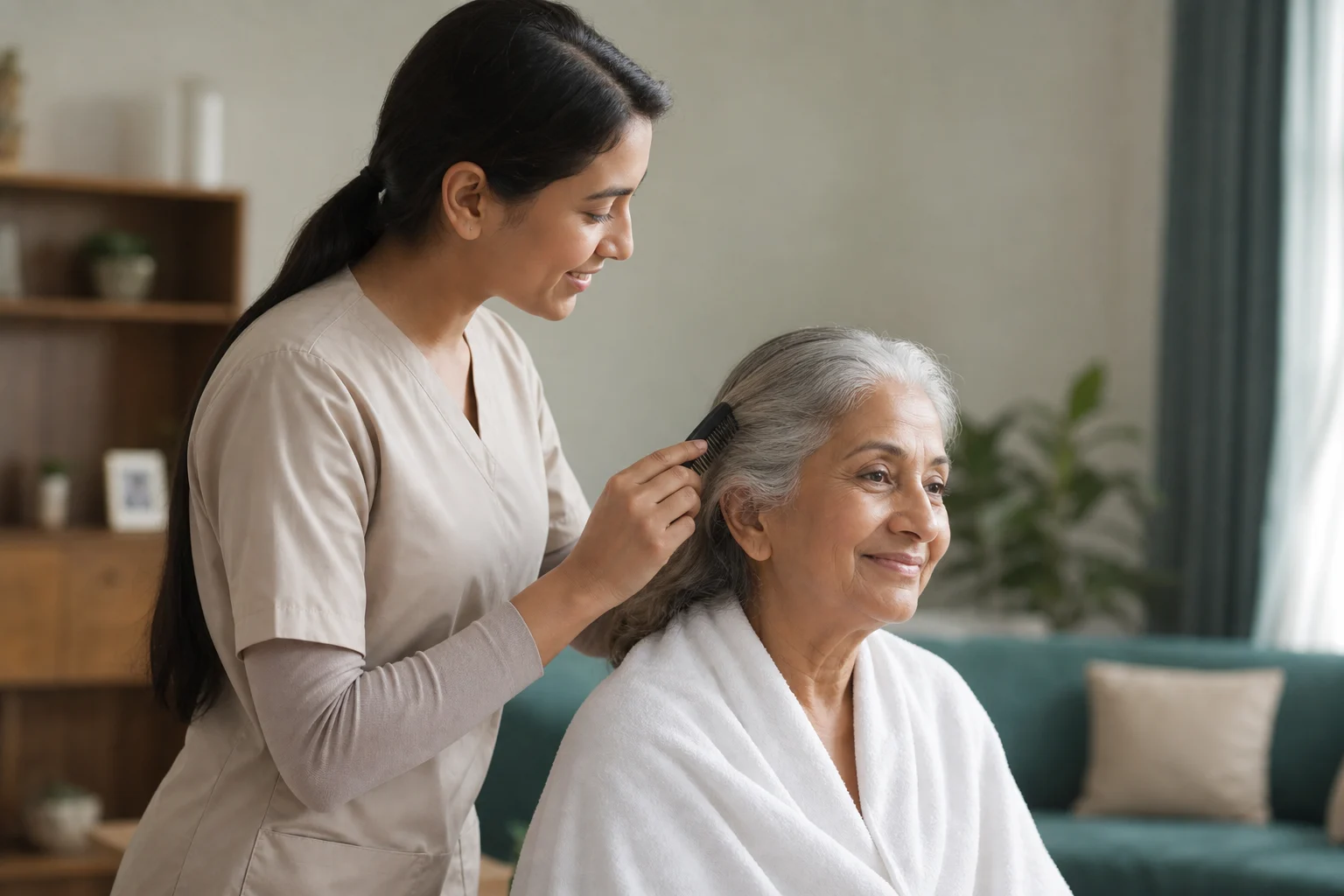
- Daily Personal Care: We assist with daily living tasks, from grooming to meal preparation, allowing seniors to enjoy their routines with dignity. Our caregivers take the time to understand each client’s preferences, whether it’s the way they like their coffee in the morning or their favorite meals. This attention to detail helps seniors maintain a sense of normalcy and personal choice in their lives. For instance, if a client enjoys gardening, our caregivers might assist them in tending to their plants, integrating personal interests into daily care routines.
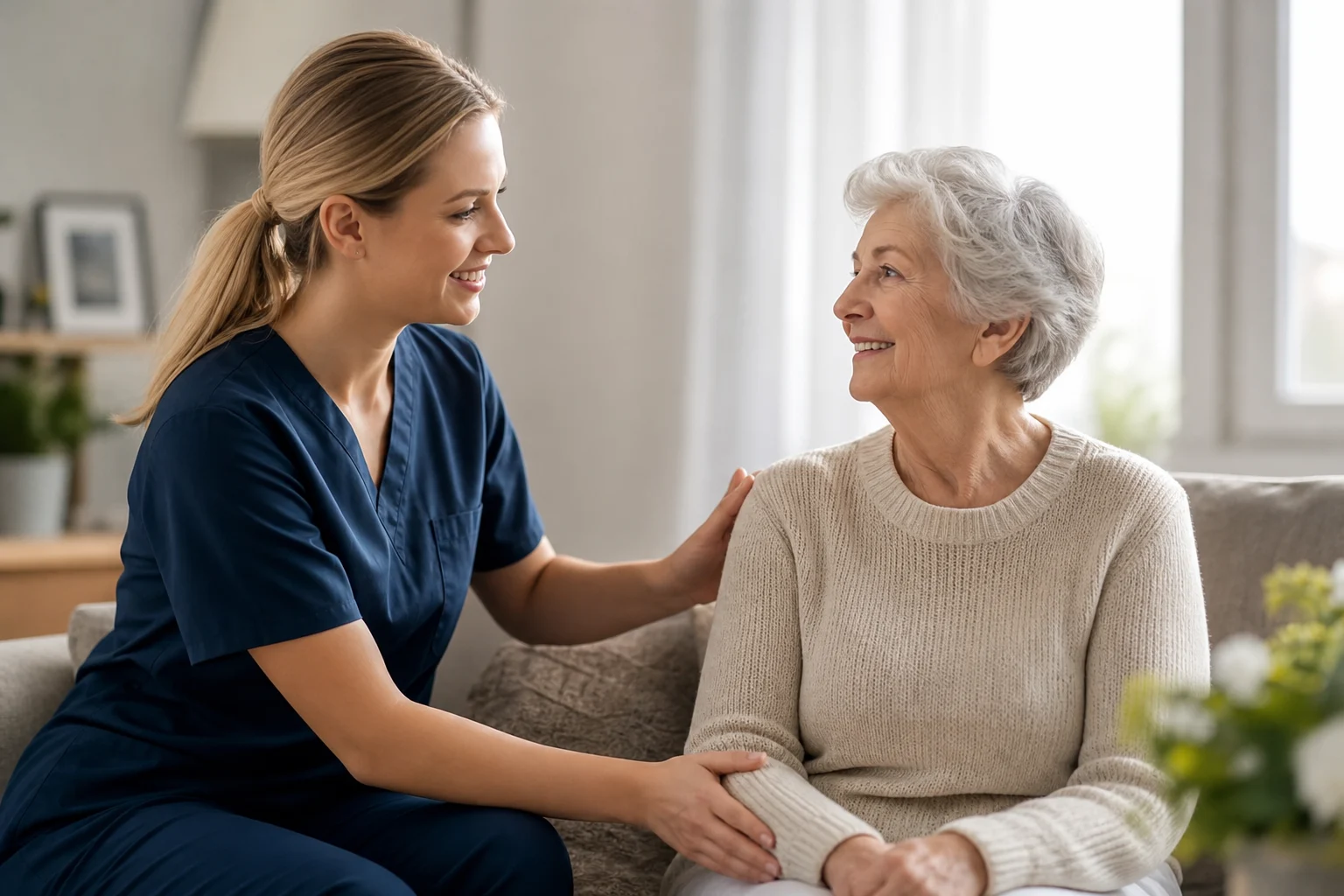
- Companionship and Social Interaction: We recognize the importance of social connections, and our caregivers are not just providers but companions who engage in meaningful interactions. We encourage social activities, whether it’s playing games, reading together, or going for walks in the neighborhood. Our team is trained to foster relationships that can alleviate feelings of loneliness and isolation, which is crucial for mental health. For example, we might organize small group activities or outings to local parks and community events, allowing our clients to enjoy life beyond their homes.
To further enhance our personalized senior care approach, we also incorporate several additional elements:
- Customized Care Plans: Each client begins their journey with us by undergoing a comprehensive assessment that helps us understand their medical history, lifestyle, and personal preferences. From this assessment, we create a customized care plan that evolves as their needs change. For instance, if a senior's mobility declines, our plan may incorporate more physical therapy sessions or modifications to their living space to promote safety.
- Family Involvement: We believe that family plays a crucial role in the care of seniors. Our team actively involves family members in the care planning process, ensuring that they are informed and engaged. Regular communication helps families feel connected and reassured about the care their loved ones are receiving. We provide updates and encourage family visits, which can be a source of comfort and familiarity for our clients.
- Holistic Approach: In addition to physical care, we address emotional and mental well-being. Our team is trained to recognize signs of anxiety, depression, or cognitive decline, and we work to provide appropriate support or referrals to specialists when necessary. Activities that stimulate cognitive function, such as puzzles and memory games, are integrated into our daily routines to keep our clients engaged.
- Technology Integration: We leverage technology to enhance our personalized senior care services. This includes using health monitoring devices that can track vital signs and alert caregivers to any changes that may require attention. We provide our clients with easy-to-use tablets and smartphones, encouraging them to connect with family and friends, access entertainment, or engage in online communities.
- Feedback Mechanism: At Ability Homes, we value feedback from both clients and their families. We conduct regular check-ins to assess satisfaction with our services and to identify any areas for improvement. This proactive approach allows us to adapt our care strategies promptly, ensuring that we are always meeting the evolving needs of our clients.
By focusing on a personalized approach to care, we at Ability Homes strive to enhance the independence of our clients in Brooklyn Park, MN. Our commitment to delivering exceptional home health care services ensures that every senior receives the individualized attention they deserve. We believe that personalized senior care is not just about meeting physical needs but also about nurturing the spirit and fostering connections that enrich lives.
Our goal is to create a supportive environment that empowers seniors to live their best lives. We invite families to reach out and learn more about how Ability Homes can provide personalized senior care that truly makes a difference.