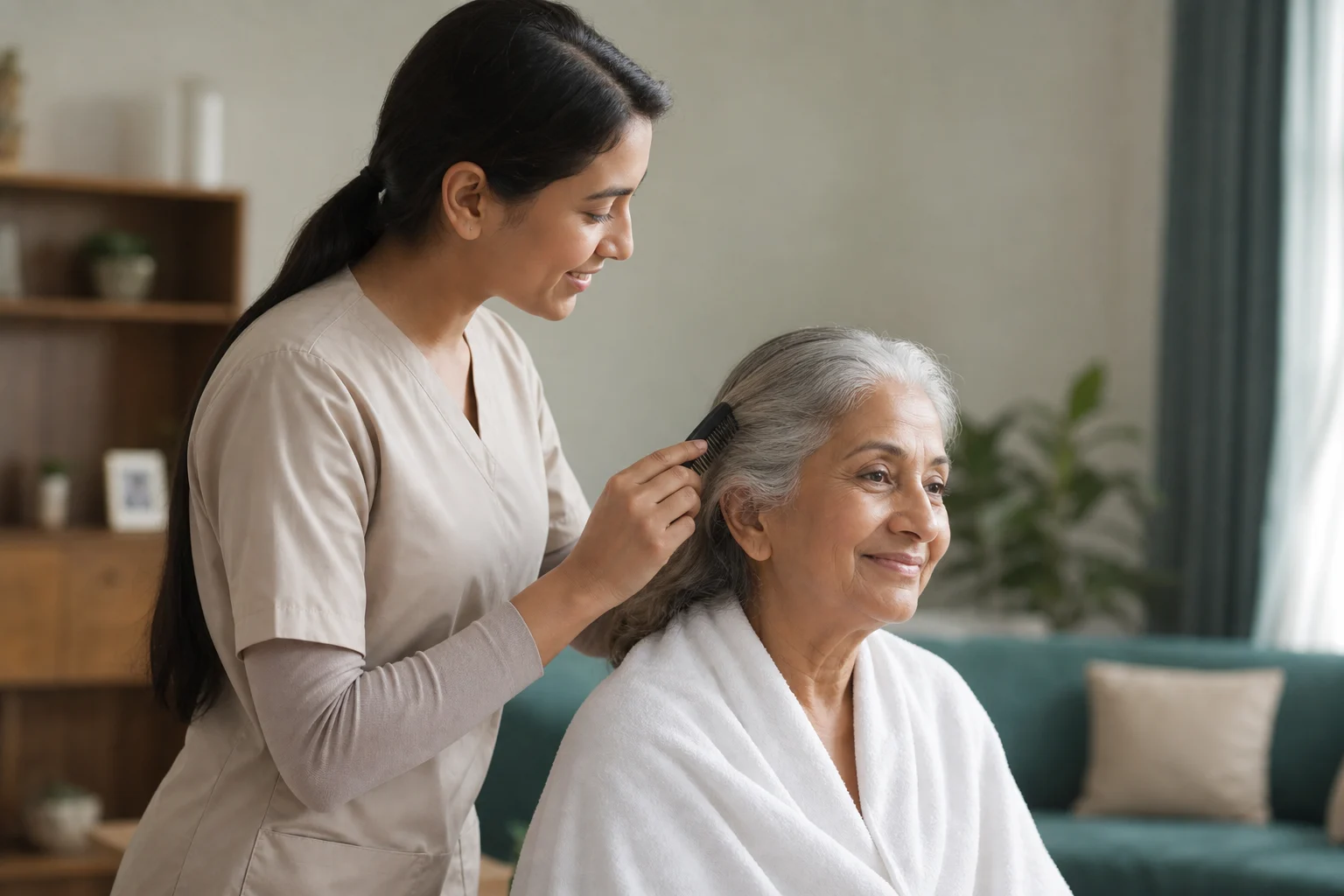
The Impact of Home Health Care on Senior Quality of Life
As our loved ones age, ensuring they maintain a high quality of life becomes a top priority for families. One effective solution to support seniors in this journey is home health care. This approach not only caters to their medical needs but also enhances their overall well-being, allowing them to live more comfortably and independently in their own homes. At Ability Homes, we understand the unique challenges faced by seniors and their families. Our dedicated services aim to improve senior health support through personalized care tailored to individual needs.
Understanding Home Health Care
Home health care refers to a range of medical and non-medical services delivered in a senior's home. This can include everything from nursing care and therapy to assistance with daily living tasks. The primary goal is to support seniors in maintaining their independence while ensuring they receive the necessary care. By offering services such as 24/7 support, nursing services, and daily personal care, Ability Homes empowers seniors to thrive in a familiar environment.
The Benefits of Home Health Care on Quality of Life
The impact of home health care on the quality of life for seniors is profound. Here are some key benefits:
- Personalized Care: Every senior is unique, and their care should reflect that. Home health care providers, like Ability Homes, offer personalized senior care plans that cater to the specific needs and preferences of each individual. This tailored approach fosters a sense of dignity and respect. For instance, caregivers can take into account not only medical needs but also lifestyle preferences, such as dietary restrictions or preferred activities. This level of customization ensures that seniors feel valued and understood, significantly enhancing their overall quality of life.
- Enhanced Independence: One of the most significant advantages of receiving care at home is the ability to remain in a familiar environment. Seniors can engage in their daily routines, participate in hobbies, and maintain social connections, which are crucial for emotional well-being. For example, a senior who enjoys gardening can continue to tend to their plants with the help of a caregiver, promoting both physical activity and mental satisfaction. Remaining at home allows seniors to have their family and friends visit more easily, further reinforcing their social networks and emotional support systems.
- Improved Health Outcomes: With regular health monitoring and professional support, seniors can experience better health outcomes. Home health care services can help manage chronic conditions, reduce hospital readmissions, and promote recovery after surgery or illness. For instance, caregivers can assist in medication management, ensuring that seniors take their prescriptions correctly and on time. This proactive approach can prevent complications and lead to an improved quality of life. Home health agencies often provide access to a team of professionals, including physical therapists and nutritionists, who can create comprehensive care strategies tailored to individual needs.
- Emotional Support: Loneliness and isolation are common issues among seniors. Home health care providers not only assist with physical needs but also offer companionship and emotional support, contributing to improved mental health. Caregivers can engage seniors in meaningful conversations, help them reminisce about cherished memories, or even participate in activities like reading or playing games. This social interaction is vital; studies have shown that seniors who maintain strong social ties are less likely to experience depression and anxiety. Caregivers can help seniors connect with community resources, such as local support groups or clubs, to further enhance their social engagement.
- Family Peace of Mind: Knowing that a loved one is receiving quality care can ease family worries. Home health care allows families to stay involved in their loved one's care while providing professional assistance that they may not be able to offer themselves. Family members can focus on spending quality time with their loved ones rather than worrying about day-to-day caregiving tasks. This support structure not only strengthens family bonds but also improves the overall emotional landscape for both seniors and their families. Home health care providers often encourage family involvement through regular updates and meetings, ensuring that everyone is on the same page regarding the senior's health and well-being.
To these core benefits, home health care can also facilitate a smoother transition from hospital to home after a medical procedure. This transition period is critical for recovery, and having professional assistance can make all the difference. Caregivers can provide essential post-operative care, such as wound management and physical therapy, which can significantly reduce the risk of complications and promote faster healing. They can help seniors adapt their home environments for safety and comfort, such as removing tripping hazards or installing grab bars in bathrooms, making it easier for seniors to navigate their homes safely.
Home health care services can play a vital role in nutrition management. Many seniors struggle with maintaining a balanced diet due to various reasons, including physical limitations or lack of knowledge about nutritional needs. Home health care providers can assist in meal planning and preparation, ensuring that seniors receive the necessary nutrients to support their health. For example, a caregiver might prepare meals that cater to specific dietary restrictions, such as low-sodium or diabetic-friendly options, while also incorporating the senior's favorite foods to make mealtime enjoyable.
Home health care can significantly reduce the financial strain on families. While the costs of in-home care vary, they are often more affordable than extended stays in assisted living facilities or nursing homes. Families can tailor the level of care based on their budget, whether they require full-time assistance or just a few hours of support each week. This flexibility allows families to make informed decisions about their loved one’s care without compromising on quality. By investing in home health care, families not only enhance their loved one's quality of life but also gain peace of mind knowing they are receiving compassionate, professional support.
Home health care offers a multitude of benefits that significantly enhance the quality of life for seniors. From personalized care plans and improved health outcomes to emotional support and family peace of mind, the advantages are clear. By choosing home health care, families can ensure their loved ones receive the best possible care while maintaining their independence and dignity in the comfort of their own homes.
Choosing the Right Home Health Care Provider
When considering home health care for a loved one, it is essential to choose a provider that aligns with their specific needs and preferences. The decision can significantly impact their quality of life, ensuring they receive the support they need in the comfort of their own home. With an increasing number of options available, it can be overwhelming to navigate through the choices. To aid in your selection, here are some factors to consider in greater detail:
- Experience and Qualifications: Ensure that the home health care agency has qualified staff with the necessary training and experience to provide the required services. Look for agencies that employ licensed professionals such as registered nurses (RNs) or licensed practical nurses (LPNs), as they are typically required to have completed rigorous training programs and passed licensing exams. Inquire about the agency's hiring process to understand how they vet their caregivers. For example, do they conduct background checks? Do they provide ongoing training for their staff? These factors can greatly influence the quality of care your loved one receives.
- Personalized Care Plans: Look for providers that offer customized care plans tailored to the individual's needs, rather than a one-size-fits-all approach. A reputable home health care provider should conduct a comprehensive assessment of the senior’s health, lifestyle, and preferences before developing a care plan. This plan should be flexible and adaptable, allowing for adjustments as the senior's condition or needs change. For instance, if your loved one experiences a decline in mobility, the care plan should include additional support for physical therapy or assistance with daily activities like bathing and dressing. Discussing the potential for adjustments upfront can help ensure that the provider is proactive in meeting changing needs.
- Communication: A good home health care provider should maintain open lines of communication with both the senior and their family, providing updates and being responsive to concerns. Effective communication is vital for establishing trust and ensuring that everyone involved feels informed and connected. Ask potential providers how they communicate with families and how frequently they provide updates. Some agencies may offer family meetings or regular check-ins to discuss the care plan and address any issues. Consider whether they have a system in place for emergency communication. Knowing that you can reach out easily in case of emergencies can provide peace of mind.
- Reputation: Research the agency's reputation through reviews and testimonials from other families who have used their services. Online platforms, such as Google, Yelp, or specialized senior care websites, can provide valuable insights into the experiences of others. Look for patterns in the reviews—are there consistent praises or complaints? You may also want to ask the agency for references from current or past clients to get a firsthand account of their experiences. Investigate whether the agency is accredited by recognized organizations, as this can indicate a higher standard of care.
- Range of Services: Different home health care providers offer varying levels of care and services. Consider what specific services your loved one may require. For instance, some seniors may need only companionship and assistance with daily tasks, while others may require more specialized medical care, such as wound care, medication management, or rehabilitation services. Make sure the provider can cater to your loved one’s unique needs now and in the future. It may also be beneficial to choose a provider that can offer a continuum of care, allowing for seamless transitions if the level of care needs to change.
- Compatibility: The personal compatibility between the caregiver and the senior can greatly influence the overall satisfaction with home health care. Ask potential providers about their caregiver matching process and whether they take into consideration personality traits, interests, and preferences. If possible, arrange for a meet-and-greet between the caregiver and your loved one before making a final decision. This can help ensure that both parties feel comfortable, which is crucial for building a trusting relationship.
- Cost and Insurance: Understanding the cost of services and how they fit into your budget is another critical aspect of choosing a home health care provider. Inquire about the pricing structure—do they charge hourly, or is there a flat rate for certain services? Check whether they accept insurance or offer payment plans. Many home health care services may be covered by Medicare or Medicaid, depending on the specifics of the care needed. It’s essential to clarify what is covered and what out-of-pocket expenses you might incur.
- Emergency Preparedness: Inquire about the provider's emergency preparedness protocols. Home health care should include plans for unexpected situations, such as sudden health declines or natural disasters. Understanding how the agency prepares for emergencies can give you confidence in their ability to handle crises and ensure your loved one's safety.
- Trial Period: Some home health care agencies offer a trial period for their services, allowing you and your loved one to assess the quality of care and fit before committing long-term. If available, this option can be invaluable in determining if the provider meets your expectations and if your loved one feels comfortable with the caregiver. Use this time to evaluate all aspects of the service, including communication, caregiver interaction, and responsiveness to needs.
By taking the time to thoroughly evaluate potential home health care providers using these criteria, you can make an informed decision that enhances your loved one’s quality of life. The right provider can offer not only medical assistance but also companionship and support, allowing seniors to maintain their independence while still receiving the care they need. Remember, choosing a home health care provider is not just about finding someone to assist with daily tasks; it's about ensuring that your loved one feels safe, valued, and respected in their own home.
Choosing the Right Home Health Care Provider
When considering home health care for a loved one, it is essential to choose a provider that aligns with their specific needs and preferences. Here are some factors to consider:
- Experience and Qualifications: Ensure that the home health care agency has qualified staff with the necessary training and experience to provide the required services.
- Personalized Care Plans: Look for providers that offer customized care plans tailored to the individual's needs, rather than a one-size-fits-all approach.
- Communication: A good home health care provider should maintain open lines of communication with both the senior and their family, providing updates and being responsive to concerns.
- Reputation: Research the agency's reputation through reviews and testimonials from other families who have used their services.