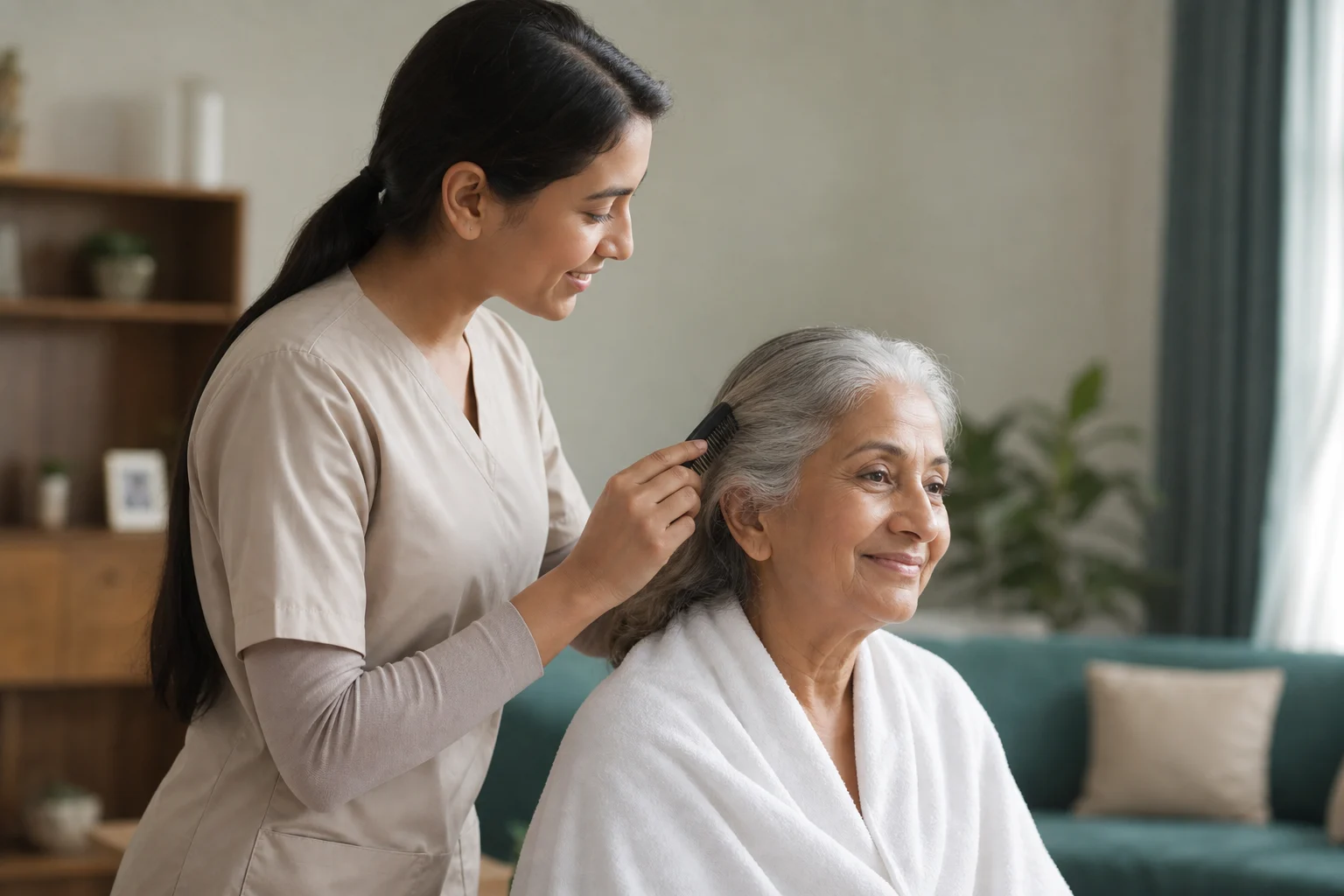
How Respite Care Can Benefit Family Caregivers
Caring for a loved one can be a rewarding experience, but it is also one of the most challenging roles a person can take on. Family caregivers often find themselves stretched thin, juggling their responsibilities while trying to provide the best possible care for their aging relatives. This is where respite care for families comes into play, offering vital support that can alleviate stress and improve the quality of life for both caregivers and their loved ones.
Understanding Respite Care
Respite care is a short-term service designed to provide temporary relief for family caregivers. It can take various forms, including in-home care, adult day care programs, or even short-term stays in residential facilities. The primary goal of respite care is to allow caregivers to take a break, recharge, and attend to their personal needs, all while ensuring that their loved ones continue to receive quality care.
At Ability Homes, we specialize in providing home health care services tailored to meet the unique needs of seniors and their families in Brooklyn Park, MN. Our dedicated team understands the challenges faced by family caregivers and is committed to offering compassionate support through our respite care services.
The Importance of Respite Care for Families
Family caregivers often experience high levels of stress due to the demands of caregiving. This can lead to burnout, health issues, and emotional fatigue. Respite care can significantly alleviate these pressures in several ways:
- Time for Self-Care: Caregivers need time to focus on their own health and well-being. Respite care provides them with the opportunity to rest, pursue personal interests, or simply take a break from their caregiving duties.
- Improved Quality of Care: When caregivers are well-rested and healthy, they are better equipped to provide high-quality care to their loved ones. This leads to improved outcomes for seniors, who benefit from attentive and engaged caregivers.
- Emotional Support: Many caregivers feel isolated in their role. Respite care allows them to connect with others, share experiences, and receive emotional support from professionals who understand their challenges.
- Building a Support Network: Utilizing respite care can help families learn about other resources and support systems available in their community, strengthening their overall caregiving network.
How Respite Care Works
Respite care can be arranged in various ways, depending on the needs of the caregiver and the senior receiving care. Here are a few common options:
- In-Home Respite Care: A professional caregiver can come to the home to provide care for a few hours or days, allowing family members to take a break while ensuring their loved ones receive the attention they need.
- Adult Day Care Programs: These programs offer structured activities and care during the day, giving caregivers time to work or rest while their loved ones engage in social and recreational activities.
- Short-Term Residential Stays: Some families choose to have their loved ones stay in a residential facility for a short period. This option can provide intensive care and support while giving family caregivers a much-needed respite.
The Benefits of Respite Care
To alleviating stress for family caregivers, respite care for families offers numerous benefits that enhance the overall caregiving experience. As the demands of caregiving can be overwhelming, respite care provides a much-needed break, allowing family caregivers to recharge physically and mentally. Here, we delve deeper into the multifaceted benefits of respite care, each contributing to improved quality of life for both seniors and their caregivers.
- Enhanced Independence: Respite care allows seniors to maintain their independence while receiving the care they need. For example, when a family caregiver takes a short break, the senior can stay in a familiar environment or a facility where they can engage with new caregivers and peers. This interaction not only boosts their mood but also helps them develop new social connections, reducing feelings of isolation. Studies have shown that social engagement can lead to better mental health outcomes for seniors, making respite care a vital component in their overall well-being.
- Tailored Care Plans: At Ability Homes, we prioritize working with families to create individualized care plans that address the specific needs of each senior. This personalized approach ensures that the care provided aligns with the preferences and requirements of the individual. For instance, if a senior has specific dietary restrictions or requires assistance with mobility, a tailored plan can address these needs directly. This not only enhances the quality of care but also gives family members peace of mind, knowing that their loved ones are receiving appropriate support even in their absence.
- Affordable Senior Care: Respite care can be a cost-effective solution for families, allowing them to access quality care without the financial burden of full-time care services. By utilizing respite care on an as-needed basis, families can manage their budgets more effectively. For example, instead of paying for a full-time caregiver, they can schedule respite services during particularly busy periods or when they need a break. This flexibility can significantly alleviate financial stress, allowing families to invest in other important areas of their lives.
- Improved Caregiver Health: One of the most significant benefits of respite care is the positive impact it has on the health and well-being of family caregivers. Caregiving can lead to physical and emotional strain, often resulting in burnout. Respite care gives caregivers the opportunity to take time for themselves, engage in self-care activities, and attend to their own health needs. Whether it's a weekend getaway, pursuing a hobby, or simply catching up on sleep, these breaks can rejuvenate caregivers, ultimately making them more effective in their roles.
- Support for Caregiver Relationships: Caregiving can strain relationships, particularly between spouses or siblings. Respite care allows caregivers to step back and reconnect with family members or friends without the constant pressure of caregiving responsibilities. This time away can help rekindle relationships and foster better communication among family members, as caregivers return with renewed energy and perspective. For instance, a couple might use respite care to go on a short vacation together, strengthening their bond and providing both partners with a more balanced experience.
- Access to Professional Care: Respite care services often include trained professionals who understand the complexities of senior care. This access to skilled caregivers means that family members can trust that their loved ones are in capable hands. Professionals are equipped to handle various medical and personal needs, from administering medications to providing companionship. This level of expertise can be especially beneficial for families who may not feel confident in their ability to manage specific care tasks on their own.
- Flexible Care Options: Respite care comes in various forms, allowing families to choose the most suitable option based on their needs. Whether it's in-home care, adult day care, or short-term residential care, families can select a service that aligns with their preferences and schedules. For example, if a caregiver needs just a few hours of support each week to run errands or attend appointments, in-home respite care can provide that relief. Alternatively, if a longer break is required, a short-term stay in a care facility may be the ideal solution.
- Peace of Mind: Knowing that a loved one is receiving quality care can provide significant peace of mind for family caregivers. Respite care services often include regular updates and communication, keeping family members informed about their loved one’s well-being. This transparency helps reduce anxiety and allows caregivers to focus on their own needs, knowing that their loved one is in good hands.
- Community Resources and Support: Engaging with respite care services often opens up access to a broader network of community resources. Many respite care providers offer additional services, such as support groups for caregivers, educational workshops, and information about local resources. This can be invaluable for families seeking guidance, advice, or emotional support in their caregiving journey. Connecting with others who share similar experiences can foster a sense of community and shared understanding.
The benefits of respite care for families extend beyond just providing a break for caregivers. It enhances the quality of life for seniors, supports caregivers’ health and relationships, and offers access to professional care and community resources. By integrating respite care into the caregiving routine, families can create a more sustainable and fulfilling caregiving experience that ultimately benefits everyone involved.
Transforming Lives With Home Health Care
Respite care is an invaluable resource for family caregivers, providing essential support that can help alleviate stress and improve the quality of care for seniors. The demands of caregiving can be overwhelming, and many family caregivers find themselves juggling multiple responsibilities, including work, family obligations, and their own personal needs. This can lead to caregiver burnout, which not only affects the caregiver's well-being but can also impact the quality of care provided to seniors. By utilizing respite care services, caregivers can take a much-needed break, recharge, and ultimately become more effective in their caregiving roles.
One of the key benefits of respite care for families is the opportunity it provides for caregivers to step away from their responsibilities and focus on their own health and well-being. This could mean taking a short vacation, spending time with friends, or simply enjoying a quiet afternoon at home. Respite care services can be tailored to fit the specific needs of each family, whether that means having a professional caregiver come to the home for a few hours, arranging for overnight care, or even utilizing a specialized respite care facility for a longer stay.
Here are some specific ways respite care can benefit family caregivers:
- Reduction of Stress: Caregiving can be physically and emotionally exhausting. Respite care provides caregivers with time away to decompress, engage in self-care activities, and manage their stress levels. This break can lead to improved mental health, allowing caregivers to return to their roles with renewed energy and focus.
- Improved Quality of Care: When caregivers are well-rested and supported, they can provide better care for their loved ones. Respite care allows caregivers to maintain a higher level of patience, compassion, and attentiveness, which is crucial in ensuring that seniors receive the best possible care.
- Strengthened Family Relationships: Taking time for oneself can also help caregivers reconnect with other family members and friends. This social support is essential for maintaining a healthy balance in life, and it can lead to stronger family bonds. When caregivers nurture their relationships outside of caregiving, they often find that it positively impacts their overall happiness and resilience.
- Skill Development: Utilizing respite care services can expose caregivers to new skills and strategies for managing their caregiving responsibilities. Many respite care providers offer training and resources that can help caregivers learn more about specific conditions affecting their loved ones or effective caregiving techniques.
- Flexibility: Respite care can be arranged for as little as a few hours or as long as several days, depending on the needs of the caregiver and the senior. This flexibility means that caregivers can choose the type of respite care that best fits their schedule and requirements, whether it's a regular weekly respite or an emergency situation.
When considering respite care, it’s essential for family caregivers to evaluate their specific needs and those of their loved ones. Here are some practical steps to help you get started:
- Assess Your Needs: Take some time to reflect on what you need most. Are you feeling drained and in need of a short break, or are you looking for a more extended respite? Understanding your needs will guide you in choosing the right type of respite care.
- Research Options: Look for local respite care services in Brooklyn Park, MN. Reach out to community resources, senior care agencies, and local support groups. Reading reviews and testimonials can also provide insight into the quality of care offered by various services.
- Communicate with Your Loved One: It’s important to involve the senior in discussions about respite care. Explain the benefits and reassure them that they will receive quality care while you take a short break. This helps to alleviate any anxiety they may have about being cared for by someone else.
- Trial and Adjustment: Once you’ve selected a respite care provider, consider starting with a trial period. This allows both you and your loved one to adjust to the new caregiving arrangement. Evaluate how the experience went and make any necessary adjustments for future respite care.
- Stay Engaged: While taking a break is vital, staying engaged with your loved one's care is also important. Regularly check in with the respite caregiver to ensure that everything is going smoothly and to discuss any observations or concerns.
If you are a family caregiver in Brooklyn Park, MN, and are looking for reliable and compassionate senior care services, contact Ability Homes today. Our expert team is here to help you navigate the challenges of caregiving and provide the support you need through our comprehensive respite care services. We understand the unique challenges faced by family caregivers and are dedicated to providing tailored solutions that enhance the independence of your loved ones while giving you the much-needed time to rest and rejuvenate.
Remember, taking care of yourself is just as important as taking care of your loved one. Embracing respite care is not only a gift to yourself but also a way to ensure that your loved one continues to receive the highest quality of care. Don’t hesitate to reach out for help; you deserve it.