Understanding In-Home Senior Care: A Comprehensive Guide
As our loved ones age, ensuring they receive the right support while maintaining their independence becomes a priority for families. In-home senior care is an essential service that allows seniors to live comfortably in their own homes while receiving the assistance they need. At Ability Homes, we specialize in providing compassionate home health care services tailored to meet the unique needs of seniors in Brooklyn Park, MN. This guide will explore what in-home senior care entails, its benefits, the various services offered, and tips on how to choose the right provider.
What is In-Home Senior Care?
In-home senior care refers to a range of supportive services provided to seniors in the comfort of their own homes. These services are designed to assist individuals who may struggle with daily living tasks due to age, illness, or disability. Unlike traditional nursing homes or assisted living facilities, in-home care allows seniors to maintain their independence while receiving personalized care that caters to their specific needs.
At Ability Homes, we recognize that each senior has a unique set of requirements. Our in-home senior care services encompass a wide array of assistance, from personal care to nursing services, ensuring that our clients receive the right support at all times.
Benefits of In-Home Senior Care
Choosing in-home senior care offers numerous advantages for both seniors and their families. Here are some of the key benefits:
- Independence: Seniors can remain in their own homes, surrounded by familiar environments and personal belongings, which can significantly enhance their quality of life.
- Personalized Care: In-home care allows for customized care plans tailored to the individual needs of each client, ensuring they receive the right type and level of assistance.
- One-on-One Attention: With in-home care, seniors can enjoy focused attention from caregivers, fostering a strong bond and enhancing emotional well-being.
- Flexibility: In-home care services can be scheduled based on the client's needs, whether it’s a few hours a week or 24/7 support.
- Cost-Effective: In many cases, in-home care can be more affordable than nursing homes or assisted living facilities, providing significant savings while delivering quality care.
Services Offered in In-Home Senior Care
At Ability Homes, we provide a comprehensive range of senior care services designed to meet the diverse needs of our clients. Our in-home senior care services are tailored to promote independence, comfort, and safety for seniors while offering support in their daily lives. Below, we delve deeper into the key services we provide and highlight how they can significantly enhance the quality of life for seniors and their families.
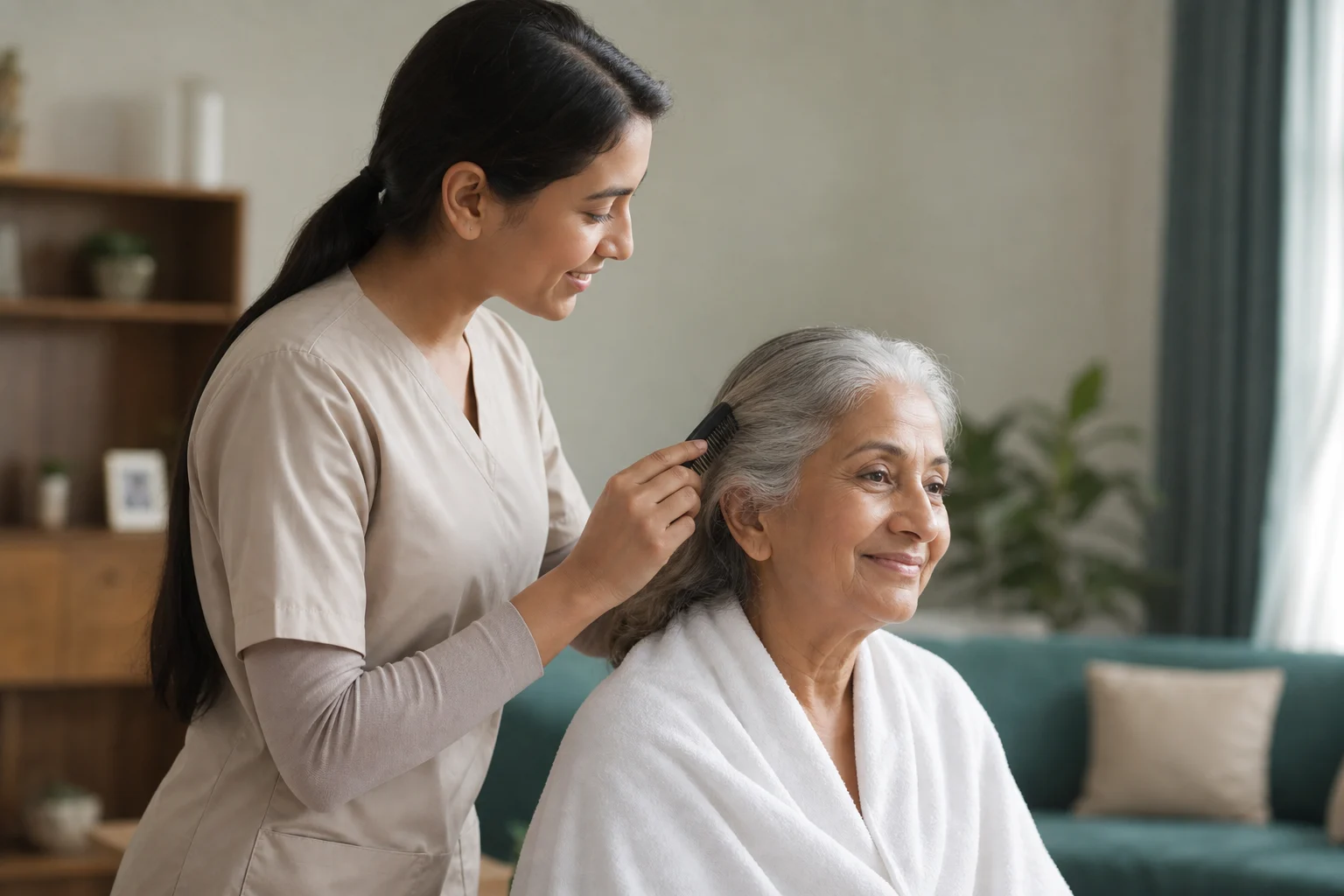
- Personal Care: Assistance with daily living tasks such as bathing, dressing, grooming, and toileting. Personal care services are vital for seniors who may have mobility issues or health conditions that make these tasks challenging. Caregivers not only help with physical tasks but also provide emotional support, fostering dignity and respect. For instance, a caregiver can assist a senior in taking a shower safely, ensuring that grab bars are properly used, and that the environment is free of hazards. This service can be personalized to respect the individual's preferences, such as the use of specific soaps or lotions that they enjoy.
- Medication Management: Support with medication reminders and administration to ensure adherence to prescribed treatments. Medication management is crucial for seniors who often juggle multiple prescriptions. Caregivers are trained to set up pill organizers, provide reminders, and even monitor for side effects or adverse reactions. For example, a caregiver might help a senior take their blood pressure medication in the morning, ensuring they are taking it with food as recommended. This service often includes communication with healthcare providers to update them on the senior’s medication adherence and any concerns that arise.
- Nursing Services: Professional nursing care provided by registered nurses, including wound care, monitoring vital signs, and managing chronic conditions. This service is particularly beneficial for seniors recovering from surgery or dealing with chronic illnesses such as diabetes or heart disease. Nurses can perform assessments to ensure the senior’s health is stable, educating them and their families about managing their conditions. For example, a registered nurse may develop a diabetes management plan, teaching the senior how to monitor their blood sugar levels and adjust their diet accordingly.
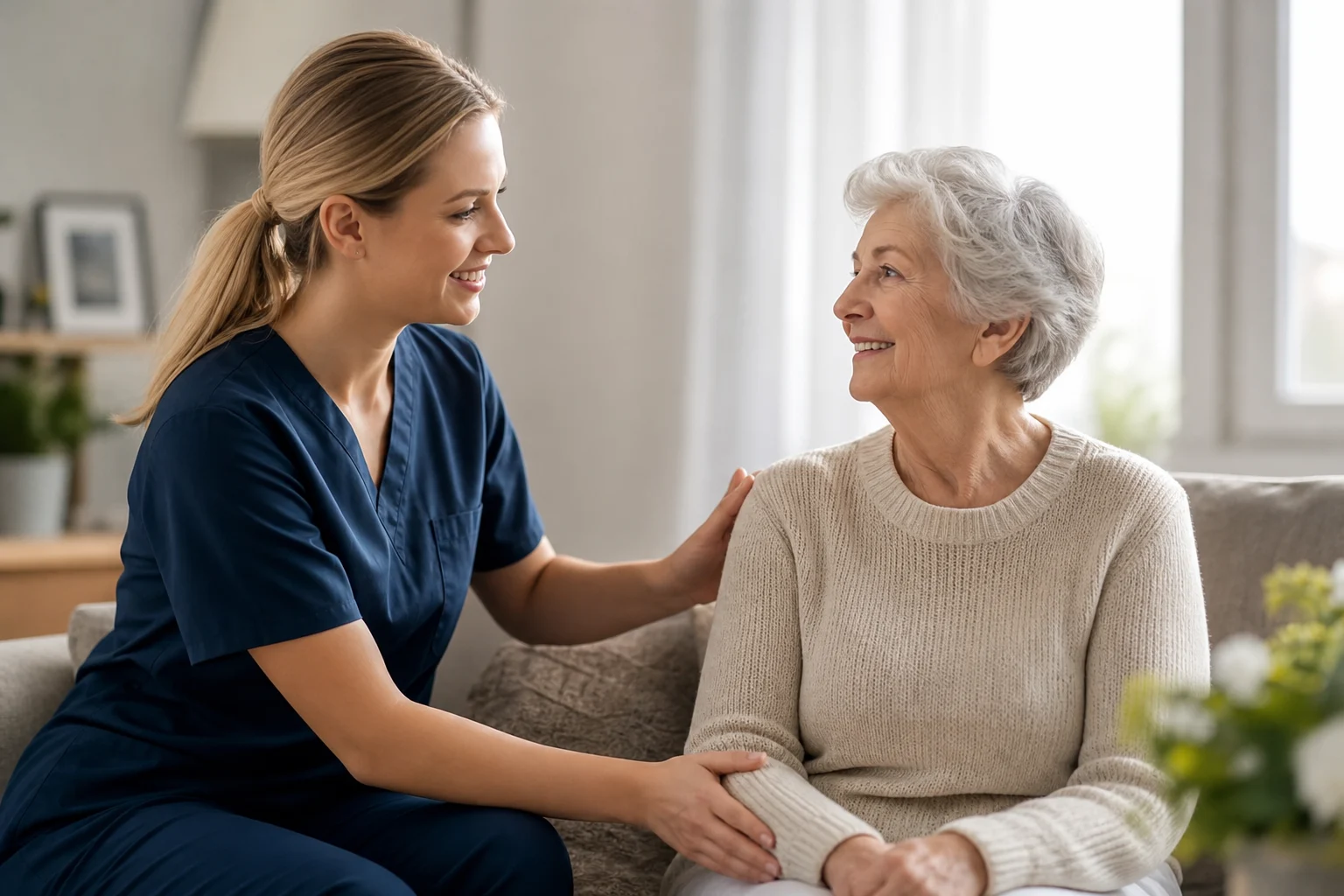
- Companionship: Social interaction and companionship to help reduce feelings of loneliness and isolation. Many seniors experience loneliness, which can lead to depression and a decline in health. Companionship services provide not just a friendly face, but also someone to engage in activities with, whether it’s playing cards, going for walks, or simply chatting about the day. Caregivers can also accompany seniors to community events or family gatherings, helping them stay connected with their loved ones. This social aspect is essential for maintaining mental health and overall well-being.
- Meal Preparation: Planning and preparing nutritious meals that cater to dietary restrictions and preferences. Proper nutrition is crucial for seniors, who may have specific dietary needs due to health conditions. Caregivers can prepare meals that not only meet these needs but are also appealing and enjoyable. For instance, if a senior is on a low-sodium diet, the caregiver can create flavorful dishes that adhere to these restrictions. Caregivers can assist in grocery shopping, ensuring that the senior has access to fresh ingredients and healthy options.
- Household Management: Light housekeeping, laundry, and assistance with errands to ensure a safe and comfortable living environment. Maintaining a clean home can be a challenge for seniors, especially those with mobility issues. Caregivers can help with tasks such as vacuuming, dusting, and laundry, ensuring that the living space remains tidy and safe. This service can also include organizing medications, managing mail, and assisting with bill payments, providing peace of mind for both the senior and their family members.
- Transportation Services: Providing transportation for medical appointments, social events, and other essential outings. Access to reliable transportation is vital for seniors who may no longer drive. Caregivers can provide safe transportation to and from appointments, ensuring that seniors attend necessary medical visits and can engage in social activities. This service can also include planning routes to avoid traffic and ensuring the senior is comfortable during the ride. For instance, a caregiver might take a senior to a doctor’s appointment and stay with them to provide support and take notes on the doctor’s recommendations.
In-home senior care is not just about meeting physical needs; it’s about providing holistic support that enhances the overall quality of life. Each service we offer is designed to empower seniors, allowing them to maintain their independence while receiving the necessary assistance. By choosing in-home senior care, families can feel confident that their loved ones are receiving personalized care tailored to their unique needs.
The flexibility of in-home senior care allows for adjusting services as needs change over time. This adaptability is crucial as seniors may require more assistance as they age or as their health conditions evolve. Our caregivers are trained to recognize these changes and can communicate effectively with families to make necessary adjustments to the care plan.
In-home senior care provides a compassionate and respectful environment where seniors can thrive. By understanding the various services offered, families can make informed decisions that best support their loved ones in maintaining a fulfilling and independent lifestyle.
Compassionate Support For Your Journey
In-home senior care is an invaluable resource for families seeking to provide their loved ones with the support they need while allowing them to maintain their independence. It not only addresses the physical needs of seniors but also significantly enhances their emotional and mental well-being. As we navigate the complexities of aging, it’s crucial to understand how in-home senior care can be tailored to meet individual needs, ultimately fostering a sense of security and comfort in familiar surroundings.
One of the primary benefits of in-home senior care is the personalized approach it offers. Every senior has unique needs, preferences, and health conditions that require customized care plans. For instance, a senior with mobility issues may require assistance with daily living activities such as bathing, dressing, and meal preparation. On the other hand, a senior with cognitive decline may benefit more from companionship and cognitive stimulation activities, such as puzzles, reading, or engaging in conversations. By working closely with families and healthcare professionals, in-home care providers can develop a comprehensive care plan that addresses these individual needs.
In-home senior care promotes independence. Many seniors fear losing their autonomy as they age. However, in-home care allows them to remain in the comfort of their homes while receiving the necessary assistance. This balance can significantly improve their quality of life. For example, a caregiver can help with household chores and errands, allowing seniors to engage in activities they love, such as gardening, painting, or spending time with family and friends. This sense of control over their daily routines can lead to increased happiness and satisfaction.
Another critical aspect of in-home senior care is the emotional support it provides. Loneliness and isolation are common among seniors, which can lead to depression and a decline in health. Caregivers often become companions for those they assist, providing not only physical support but also emotional connection. Regular interactions with caregivers can help alleviate feelings of loneliness and provide seniors with someone to talk to, share stories with, and participate in social activities. This companionship is vital for maintaining mental health and fostering a positive outlook on life.
To companionship, in-home senior care allows for greater family involvement in the care process. Family members can stay engaged and actively participate in their loved one's care, which can be reassuring for both the senior and the family. For example, family members can work with caregivers to create a schedule that accommodates their loved one’s preferences or even share caregiving responsibilities. This collaborative approach not only ensures that the senior receives well-rounded care but also strengthens family bonds during a challenging time.
When considering in-home senior care, it’s essential to choose a reputable provider. Look for agencies that are licensed and accredited, as this ensures they meet specific standards of care. Read reviews and testimonials from other families to gain insight into the quality of service provided. It’s also advisable to arrange for a consultation where you can discuss your loved one's specific needs and ask questions about the caregiver's training, experience, and approach to care.
Cost is often a concern for families exploring in-home senior care options. It's important to understand the pricing structure of the services offered. Some agencies charge hourly rates, while others may offer package deals for longer-term engagements. Inquire about payment options and whether they accept insurance or Medicaid. Many families find that the cost of in-home care can be more affordable than assisted living facilities, especially when considering the personalized nature of the service and the potential for better health outcomes.
As you explore in-home senior care, consider the following practical steps to ensure you select the best option for your loved one:
- Assess Needs: Take the time to evaluate your loved one's specific needs and preferences. This assessment will guide you in choosing the right level of care.
- Consult with Professionals: Engage with healthcare providers or geriatric care managers who can offer insights and recommendations based on your loved one's health status.
- Research Providers: Create a list of potential in-home care agencies and conduct thorough research. Look for reviews, ask for references, and verify their credentials.
- Interview Caregivers: Arrange interviews with potential caregivers to assess their compatibility with your loved one. This interaction can also provide insights into their experience and approach to care.
- Establish a Care Plan: Work with the chosen agency to create a comprehensive care plan that outlines the specific services required, schedules, and any other pertinent details.
- Monitor and Adjust: After care begins, regularly check in on the situation to ensure that your loved one is receiving the best possible care. Be open to adjusting the care plan as needed.
At Ability Homes, we are dedicated to enhancing the quality of life for seniors in Brooklyn Park, MN, through personalized and compassionate home health care services. Our team understands the intricate dynamics of in-home senior care and is committed to providing tailored solutions that meet the evolving needs of our clients. If you are looking for reliable and expert assistance for your loved ones, we invite you to contact Ability Homes for personalized care solutions. Let us help you navigate this journey with confidence and peace of mind.