Understanding the Benefits of In-Home Senior Care
As our loved ones age, ensuring their well-being and happiness becomes a priority for families. In-home senior care has emerged as a vital solution that not only provides essential support but also enhances the quality of life for seniors. With services tailored to meet individual needs, in-home senior care allows older adults to maintain their independence while receiving the assistance they require. At Ability Homes, we specialize in delivering compassionate home health care services, providing families in Brooklyn Park, MN with the peace of mind they seek for their loved ones.
The Key Advantages of In-Home Senior Care
In-home senior care offers numerous benefits that make it an ideal choice for families seeking assistance for their elderly relatives. Here are some of the primary advantages:
- Personalized Care: Every senior has unique needs, and in-home care allows for services tailored specifically to each individual. This personalized approach means that caregivers can focus on the specific health conditions and preferences of their clients. For example, if a senior has mobility issues, caregivers can assist with physical therapy exercises that are recommended by a healthcare professional, ensuring that the care provided aligns perfectly with medical advice. Similarly, dietary preferences or restrictions can be accommodated easily, allowing seniors to enjoy meals that meet their nutritional needs while also being satisfying to them. This level of individualized attention helps in building trust and rapport between the caregiver and the senior, enhancing the overall care experience.
- Comfort of Home: One of the most significant benefits of in-home senior care is that it allows seniors to stay in the comfort of their own homes. Familiar surroundings can significantly reduce anxiety and promote a sense of security and well-being. Research has shown that seniors who remain in their own homes tend to experience lower levels of depression and anxiety compared to those who are placed in assisted living facilities or nursing homes. The ability to maintain daily routines, such as having breakfast in the same kitchen or enjoying a favorite chair in the living room, can significantly boost a senior's mental health. In-home care enables seniors to maintain connections with their community, whether it's through attending local events, visiting friends, or simply enjoying the neighborhood, which fosters a sense of belonging.
- Enhanced Independence: With the right support, seniors can maintain their independence longer. In-home care encourages autonomy, allowing seniors to engage in their daily routines while receiving assistance as needed. For instance, caregivers can help with tasks that may become challenging, such as bathing or dressing, while still allowing seniors to make choices about their day. This empowerment can be incredibly beneficial, fostering a sense of control over their lives. In-home caregivers can assist with transportation to appointments, enabling seniors to manage their schedules and social lives without feeling dependent on family members. This balance between support and independence is crucial for maintaining dignity as seniors age.
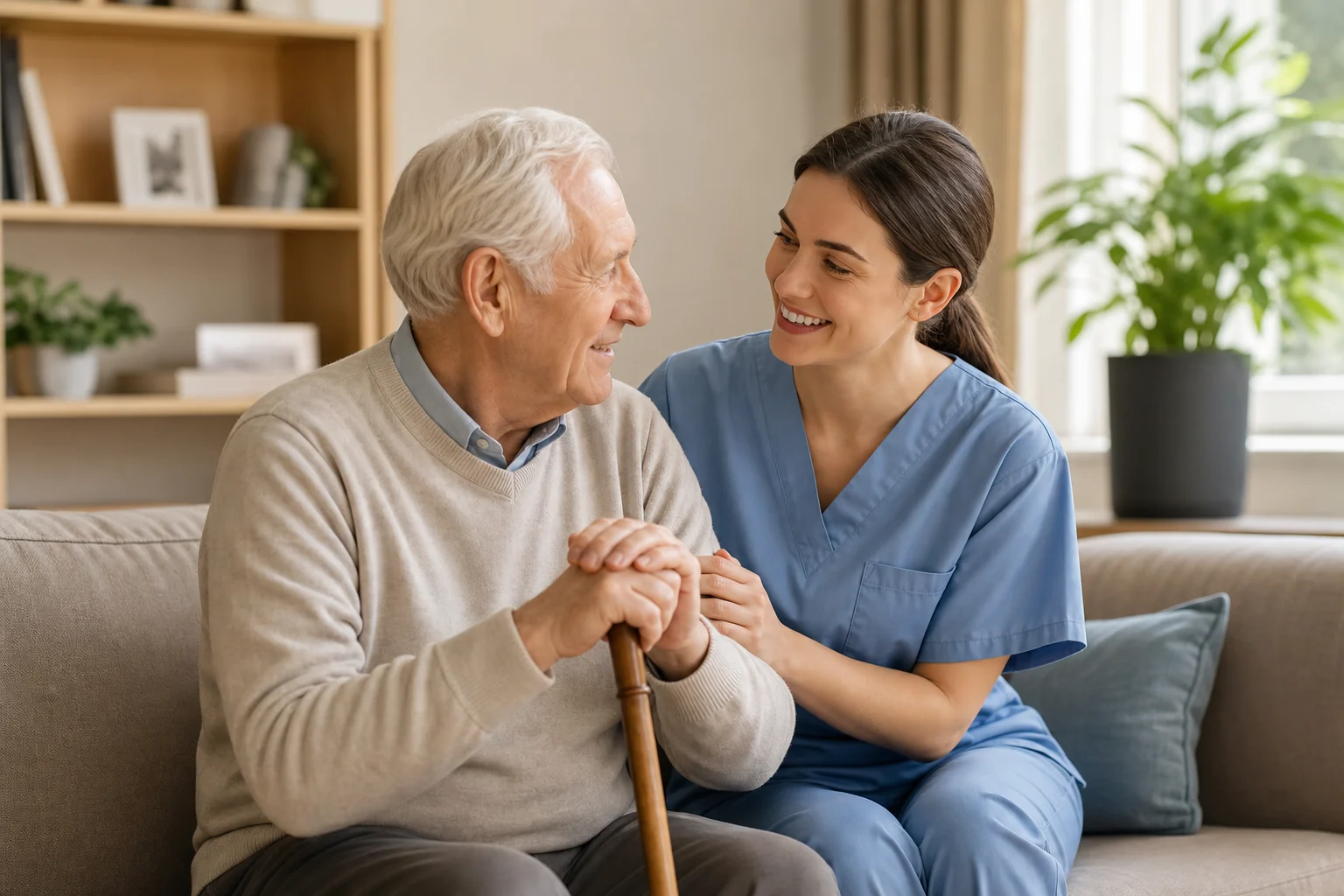
- Emotional and Physical Support: In-home senior care provides not only physical assistance but also emotional support. Companionship from caregivers helps alleviate feelings of loneliness and isolation, improving mental health. Many seniors face social isolation, which can lead to severe consequences, including depression and cognitive decline. Caregivers can engage seniors in meaningful conversations, share activities like reading or playing games, and even accompany them on outings, creating opportunities for social interaction. Caregivers are often trained to recognize signs of emotional distress and can provide the necessary support or alert family members when professional help may be needed. This holistic approach to care ensures that both the emotional and physical well-being of seniors are prioritized.
- Flexible Scheduling: In-home senior care services can be customized to fit your family’s schedule. Whether you need 24/7 support or just a few hours a week, flexibility in scheduling allows for a tailored approach that works for everyone involved. This flexibility can be particularly beneficial for families who may have varying availability due to work or other commitments. For example, if a family member works full-time, they can arrange for caregivers to provide assistance during the day while they are at work, ensuring that their loved one is supported without disrupting their own routines. In-home care allows for adjustments based on changing needs; if a senior’s condition worsens, care can be ramped up as necessary, ensuring that they always receive the level of support they require.
To these key advantages, in-home senior care can also provide significant financial benefits. While the cost of care can vary widely based on services needed and location, many families find that in-home care is more affordable than extended stays in nursing homes or assisted living facilities. This cost-effectiveness allows families to allocate resources more efficiently while ensuring their loved ones receive high-quality care. Many insurance plans and government programs offer assistance for in-home care services, making it a viable option for a broader range of families.
In-home care can serve as a preventive measure, helping seniors avoid hospitalization. With regular monitoring and assistance with medication management, caregivers can help detect health issues early on, allowing for timely intervention. This proactive approach not only enhances seniors' quality of life but can also lead to significant savings on healthcare costs associated with hospital stays and emergency room visits.
When considering in-home senior care, it’s essential to find a reputable agency that prioritizes the well-being and safety of its clients. Look for agencies that conduct thorough background checks on their caregivers, provide ongoing training, and maintain open communication with families. Engaging in discussions about care needs and preferences is crucial to ensuring that the services provided align with the family's expectations and the senior's requirements.
The advantages of in-home senior care go far beyond immediate physical assistance. They encompass emotional support, financial savings, and the preservation of dignity and independence. By choosing in-home care, families can ensure their loved ones receive the highest quality of care in the comfort of their own homes, ultimately enhancing their overall quality of life.
Promoting Independence through In-Home Senior Care
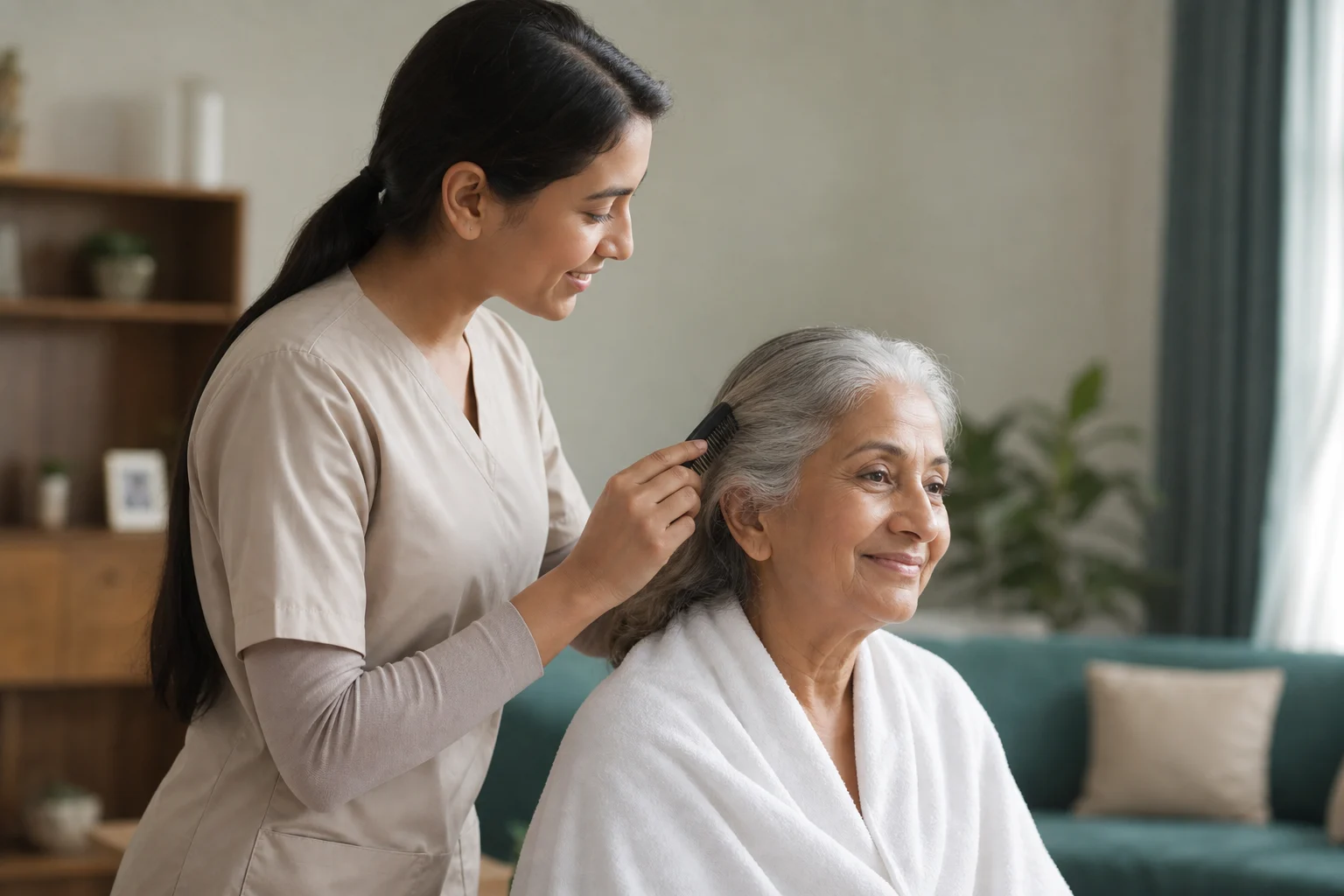
Maintaining independence is crucial for seniors, and in-home senior care plays a pivotal role in this aspect. Caregivers can assist with daily living tasks such as bathing, dressing, meal preparation, and housekeeping, enabling seniors to engage in activities they enjoy without feeling overwhelmed. By providing assistance while encouraging self-sufficiency, caregivers help seniors feel empowered and valued.
In-home senior care not only supports daily tasks but also fosters a sense of autonomy. When seniors are able to make choices about their daily routines, they experience a greater sense of control over their lives. This can include decisions about what to wear, what to eat, and what activities to participate in. Such choices promote mental and emotional well-being, which is just as important as physical health.
Another significant aspect of promoting independence through in-home senior care is the role of caregivers as companions. Caregivers provide social interaction that can combat feelings of loneliness and isolation, which are common among seniors living alone. Engaging in conversations, participating in hobbies together, or even just sharing a meal can significantly enhance a senior's quality of life. For example, a caregiver might help a senior pursue interests like gardening, painting, or playing games, creating opportunities for joy and personal achievement.
To companionship, caregivers can also facilitate connections with the outside world. They can assist seniors in attending community events, visiting friends and family, or participating in local classes and workshops. These interactions not only promote socialization but also help seniors maintain a sense of belonging in their community, reinforcing their independence and self-worth.
In-home senior care helps seniors manage chronic conditions effectively. Caregivers are trained to monitor health and provide necessary medical assistance, ensuring that seniors can continue living at home safely. This proactive approach to health care not only enhances physical well-being but also boosts confidence in seniors, knowing they have support when needed. For instance, caregivers can remind seniors to take medications on time, help them track their symptoms, and report any concerning changes to healthcare providers.
Practical strategies for promoting independence through in-home senior care include:
- Personalized Care Plans: Working with caregivers to develop tailored care plans that reflect the individual needs and preferences of seniors. This may include specific routines, preferred activities, and health management strategies.
- Encouragement of Routine: Establishing a daily routine that incorporates activities the senior enjoys. This could be morning walks, afternoon puzzles, or evening cooking sessions, helping to create a predictable and engaging environment.
- Adaptive Equipment: Utilizing tools and equipment that promote independence, such as grab bars in the bathroom, meal preparation aids, or mobility devices. Caregivers can assist in identifying and implementing these resources to enhance safety and self-sufficiency.
- Skill Development: Encouraging seniors to engage in skill-building activities that promote confidence and independence. This could include learning new technology to stay connected with family or practicing cooking skills to prepare simple meals.
The emotional support that caregivers provide is invaluable. Many seniors face significant life changes, such as the loss of a spouse or friends, which can lead to feelings of grief and sadness. Caregivers are often trained to provide emotional support and companionship, helping seniors navigate these challenges. By actively listening and offering empathy, caregivers can help seniors process their feelings and find healthy coping mechanisms, further strengthening their independence.
Technology also plays a critical role in promoting independence among seniors. Caregivers can introduce seniors to various technologies that enhance their quality of life. For instance, smartphones and tablets can be used for video calls with family members, online shopping, or accessing health resources. Home automation systems can allow seniors to control lighting, heating, and security systems with ease, all of which can enhance their comfort and safety.
Safety is another crucial factor in promoting independence. In-home senior care includes regular safety assessments to identify potential hazards in the home. Caregivers can help rearrange furniture to prevent falls, ensure that pathways are clear, and install safety devices, such as emergency alert systems. This attention to safety can significantly reduce the risk of accidents and give seniors the confidence to move about their homes independently.
The goal of in-home senior care is to enhance the quality of life for seniors while promoting their independence. By providing the right balance of support and encouragement, caregivers help seniors maintain their dignity and autonomy. This not only leads to a more fulfilling life for the seniors themselves but also brings peace of mind to their families, knowing their loved ones are receiving the care they need in the comfort of their own home.
As families consider in-home senior care options, it’s essential to choose a caregiver or agency that aligns with the senior’s values, preferences, and needs. Open communication about expectations and goals can further empower seniors and caregivers alike, creating a partnership that fosters independence and enhances overall well-being.
Emotional Benefits of In-Home Senior Care
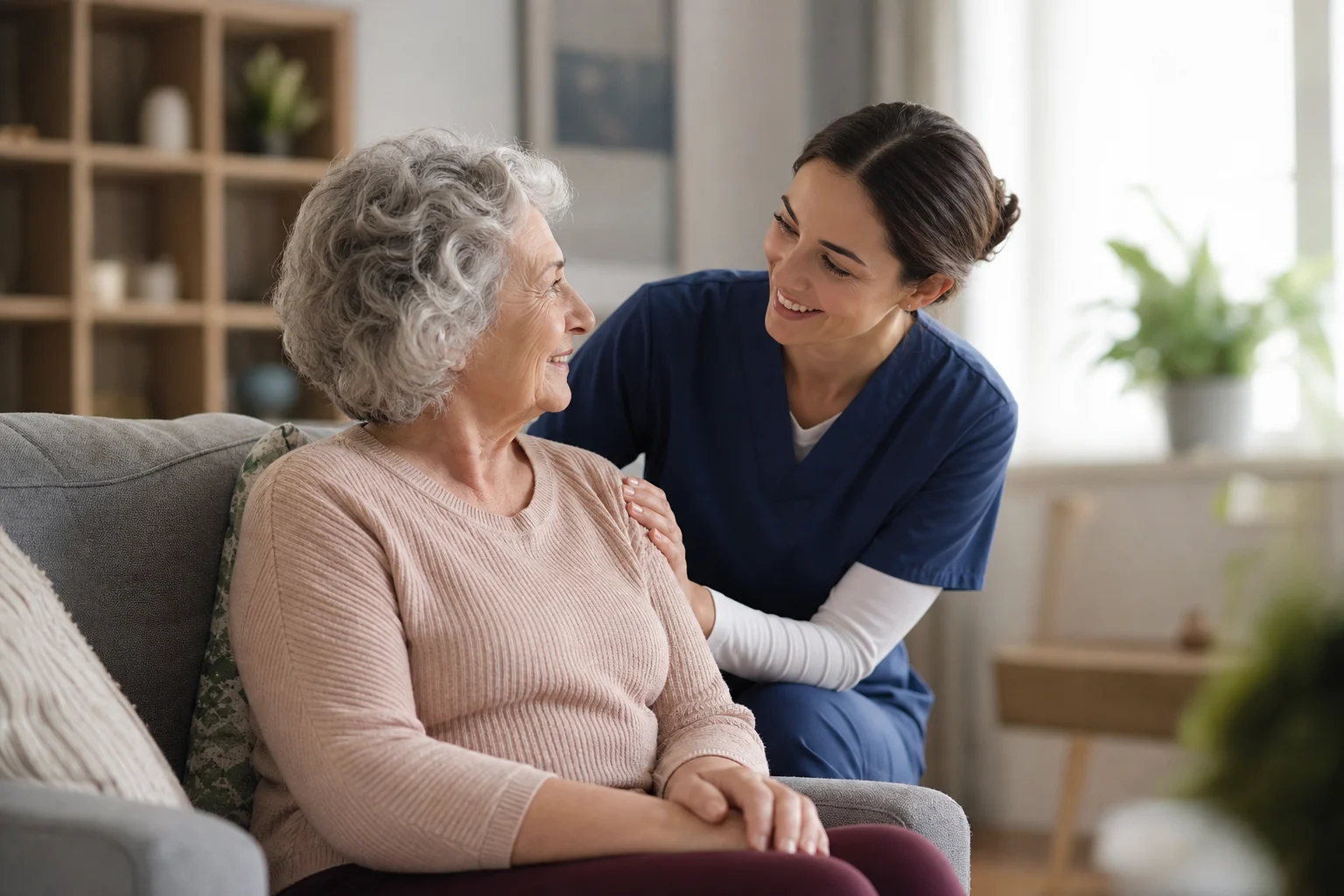
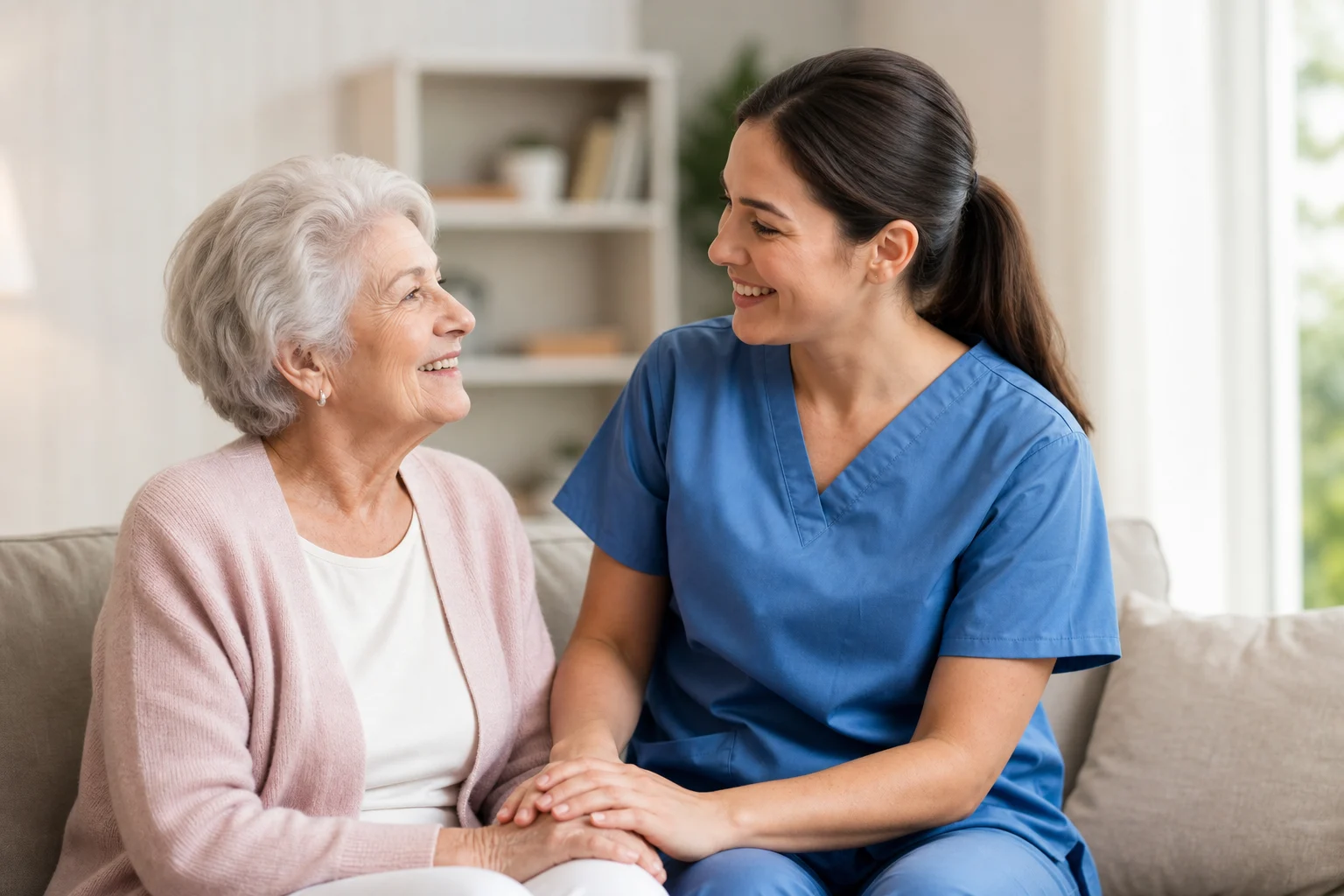
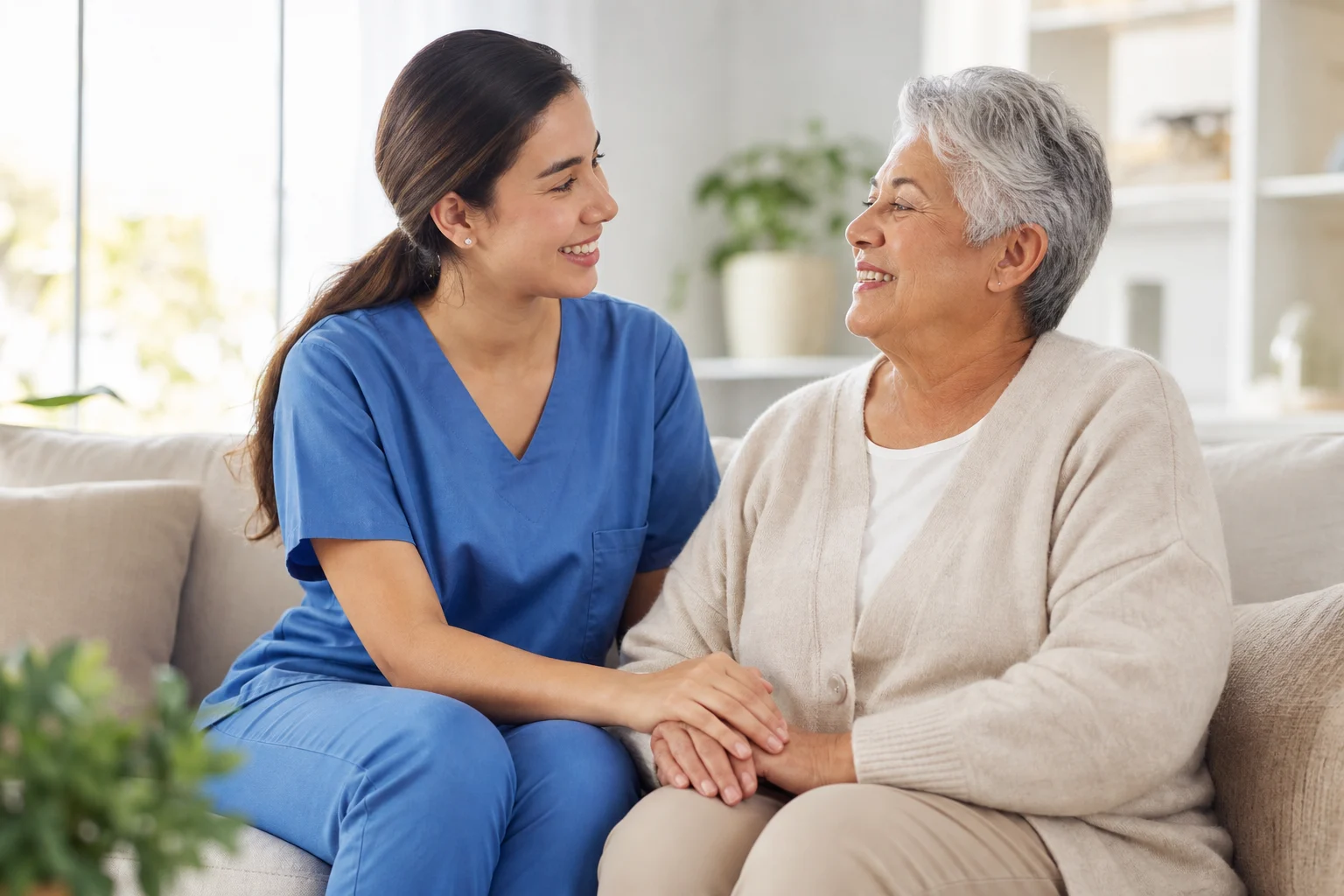
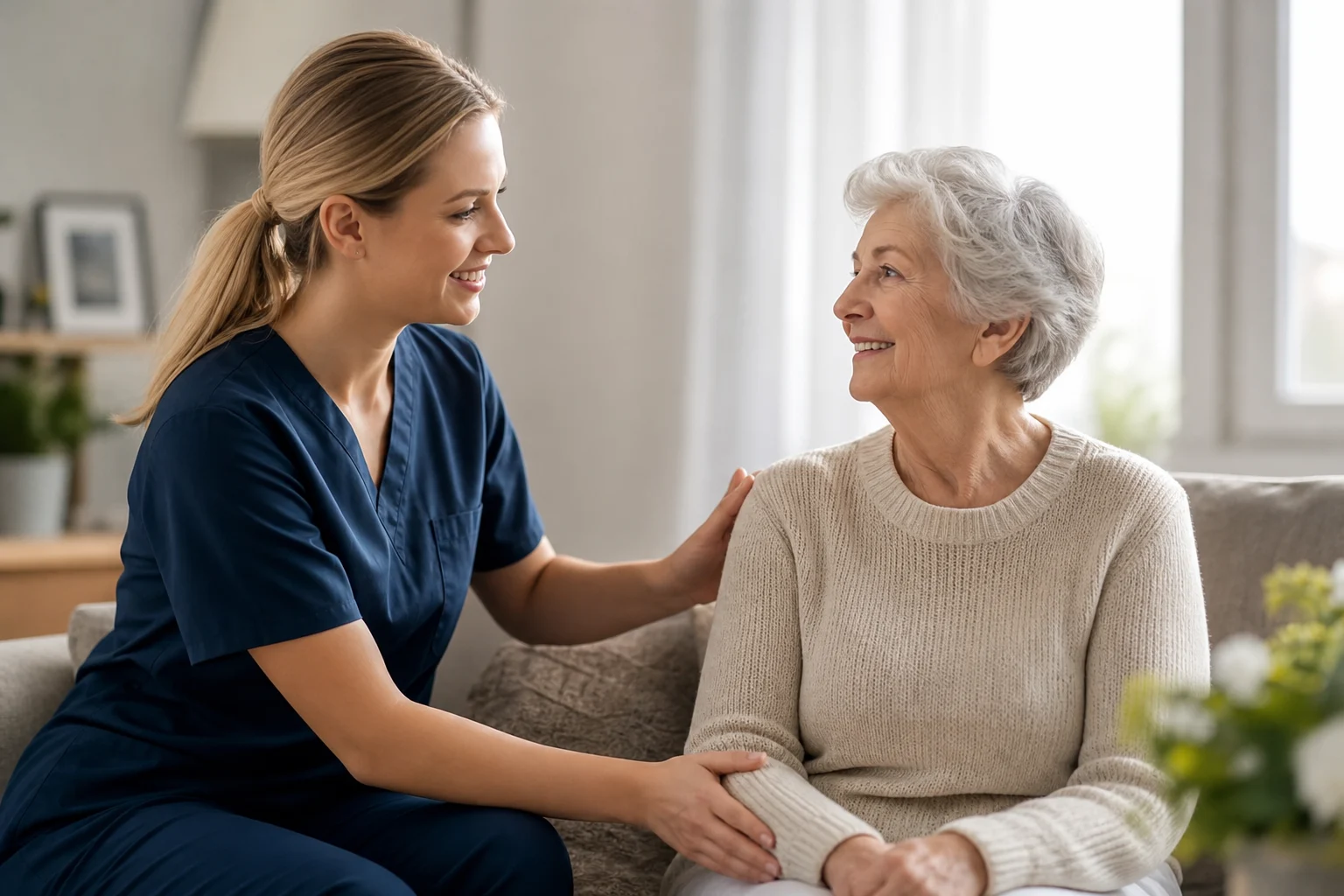
The emotional well-being of seniors is just as important as their physical health. In-home senior care offers companionship, which is vital for mental health. Caregivers develop meaningful relationships with their clients, providing emotional support that can significantly improve the quality of life. Activities such as talking, playing games, or simply sharing meals can foster connection and reduce feelings of isolation.
Having a caregiver present can ease family members' worries about their loved ones’ safety and well-being. Families can rest assured knowing that their elderly relatives are receiving the care and attention they need, allowing for a more relaxed and supportive family dynamic.
The Role of Ability Homes in Providing Quality In-Home Senior Care
At Ability Homes, we understand the importance of reliable and compassionate care for seniors. Our team is dedicated to enhancing the independence of our clients in Brooklyn Park, MN through a range of home health care services. We provide:
- 24/7 Support and Supervision: Our caregivers are available around the clock to ensure that seniors receive the assistance they need at any time.
- Nursing Services: Skilled nursing services are available for seniors with medical needs, ensuring that they receive appropriate care at home.
- Daily Personal Care: From bathing to meal preparation, our caregivers assist with daily tasks, allowing seniors to live comfortably and safely at home.
Our expert team is committed to providing exceptional care tailored to individual needs. We believe that every senior deserves to live with dignity and respect, and we strive to make that a reality through our in-home senior care services.