The Benefits of In-Home Companion Care for Seniors
As our loved ones age, maintaining their independence and emotional well-being becomes increasingly important. In-home companion care offers a solution that not only provides assistance with daily living tasks but also fosters companionship and emotional support. At Ability Homes, we understand the significance of these services and how they enhance the quality of life for seniors. In this article, we will explore the numerous benefits of in-home companion care, real-life examples illustrating its impact, and tips for selecting the right caregiver.
Understanding In-Home Companion Care
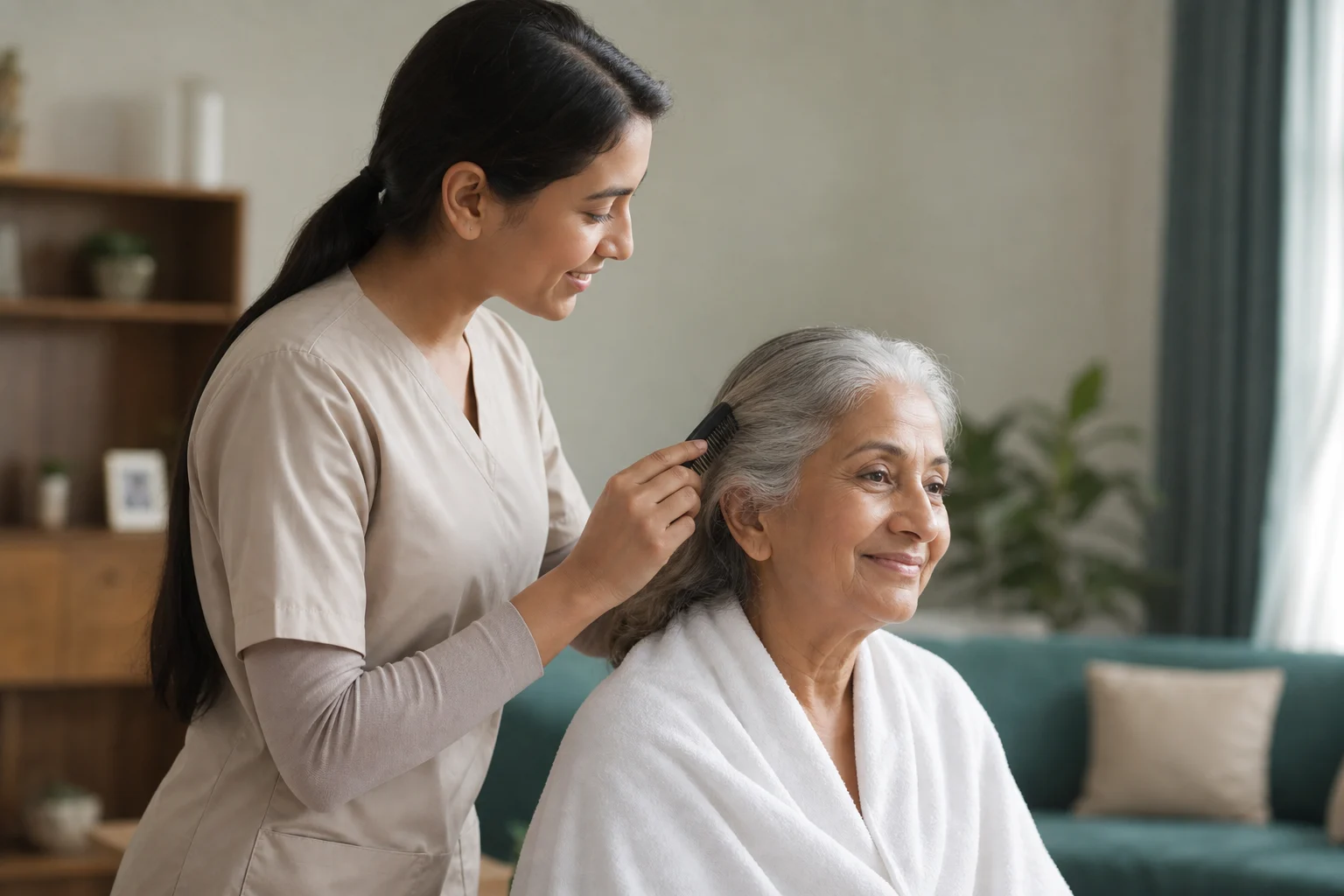
In-home companion care is a specialized service designed to support seniors who may need assistance with daily tasks while promoting their independence. This type of care is often provided by trained professionals known as professional companion caregivers, who not only assist with physical tasks but also offer emotional support and companionship. The primary goal is to help seniors maintain a fulfilling and active lifestyle within the comfort of their own homes.
One of the most significant advantages of in-home companion care is its flexibility. Unlike traditional nursing homes or assisted living facilities, in-home care allows seniors to receive personalized assistance tailored to their specific needs and preferences. This individualized approach can include help with household chores, meal preparation, medication reminders, and transportation to appointments or social events.
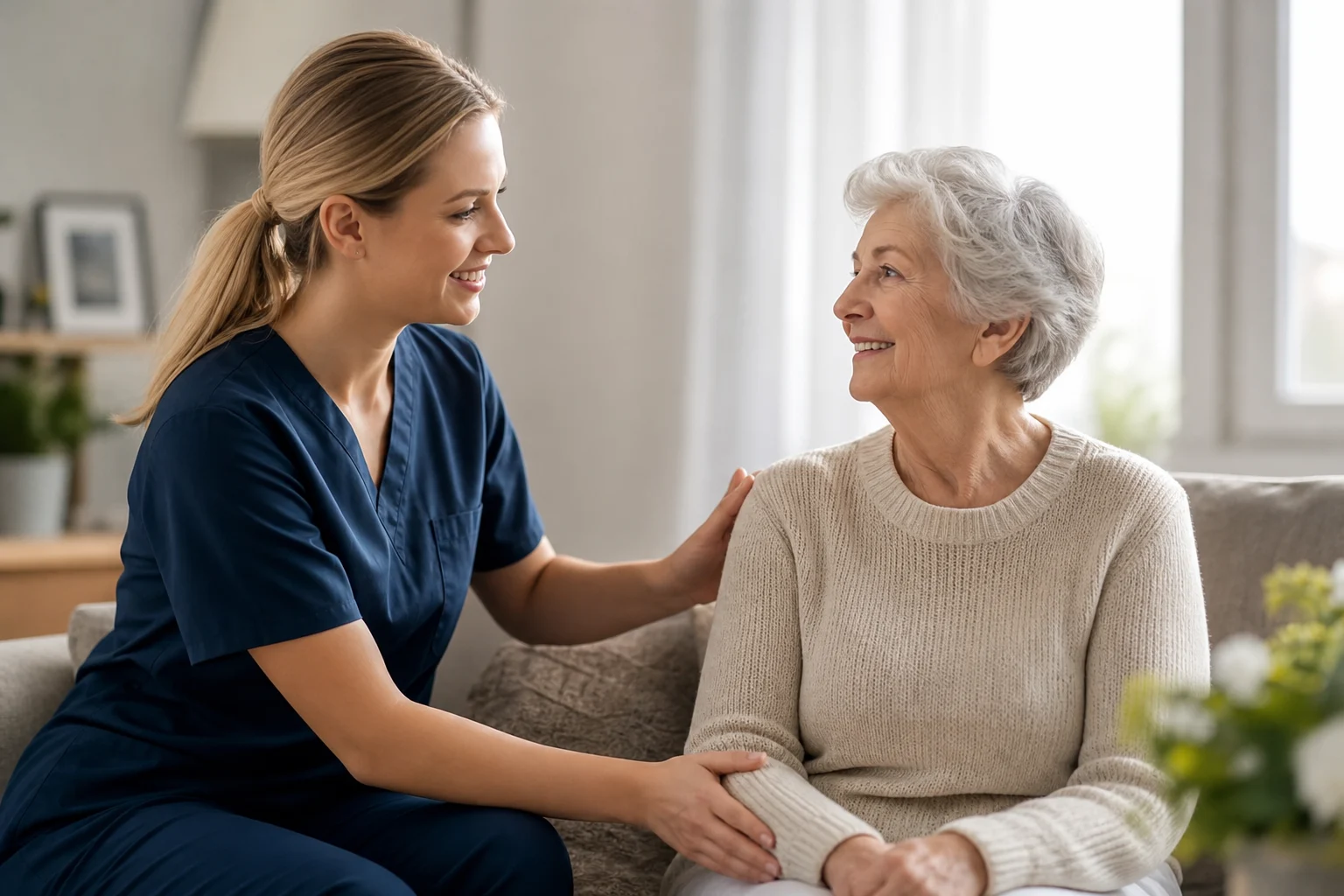
To physical assistance, in-home companion care provides crucial emotional support. Many seniors experience feelings of loneliness and isolation, particularly if they live alone or have limited social interaction. Companion caregivers are trained to recognize these feelings and engage seniors in meaningful conversations, hobbies, or activities that stimulate mental engagement and emotional well-being. For instance, caregivers can facilitate activities such as:
- Board games and puzzles: Engaging seniors in games can not only provide entertainment but also enhance cognitive function.
- Arts and crafts: Creative activities help express emotions and can lead to a sense of accomplishment.
- Reading together: Reading aloud or discussing books can foster connections and stimulate discussions.
- Gardening: If seniors enjoy nature, gardening can be a therapeutic and rewarding activity.
In-home companion care offers an essential safety net for seniors. The presence of a caregiver can help prevent accidents and provide immediate assistance in emergencies. For example, caregivers can help seniors navigate their homes safely, ensuring that walkways are clear, and that the home is free of potential hazards that could lead to falls. They can also monitor for signs of health issues, ensuring that any changes in condition are reported to family members or healthcare professionals promptly.
In-home companion care can also play a vital role in supporting family caregivers. Many families feel overwhelmed by the responsibility of caring for aging relatives, and hiring a professional caregiver can provide much-needed respite. This allows family members to take breaks, attend to their own needs, or simply enjoy their time with their loved ones without the constant stress of caregiving duties. With the help of in-home companion care, family caregivers can maintain a healthier balance between their caregiving responsibilities and personal lives.
Financial considerations are also a key factor in the decision-making process for families exploring in-home companion care. While the costs associated with in-home care can vary widely based on location, level of care needed, and hours of service, many families find it to be a more affordable option compared to assisted living facilities or nursing homes. Some insurance plans may cover certain in-home care services, making it a viable option for many families.
When selecting an in-home companion care service, it is essential to thoroughly research potential providers. Here are some practical steps to consider:
- Check credentials: Ensure that the caregivers are properly trained and certified. Many reputable agencies provide background checks and ongoing training for their staff.
- Read reviews: Look for testimonials and reviews from other families who have used the service. This can provide insight into the quality of care provided.
- Ask about care plans: A good companion care agency will offer a personalized care plan tailored to the unique needs of your loved one. Inquire how they assess and update these plans regularly.
- Meet the caregiver: Arrange for a meet-and-greet with potential caregivers to ensure compatibility with your loved one’s personality and preferences.
- Discuss communication: Establish how the caregiver will communicate with family members regarding the senior’s well-being and any changes in status.
In-home companion care is not just about providing assistance; it is about enhancing the quality of life for seniors. It empowers them to live independently while ensuring they have the support and companionship they need. As aging continues to be a significant focus in our society, the role of in-home companion care will only become more vital, allowing seniors to thrive in their own homes for as long as possible.
Understanding the nuances of in-home companion care can help families make informed decisions that best serve their loved ones. It is an investment in their well-being, happiness, and dignity, allowing them to embrace their golden years with grace and joy.
Benefits of In-Home Companion Care
Choosing in-home companion care comes with a range of benefits that significantly impact the lives of seniors and their families. Here are some of the key advantages:
- Enhanced Independence: In-home companion care enables seniors to live in their own homes while receiving the support they need. This independence can improve their self-esteem and overall well-being.
- Emotional Support: Companionship for the elderly is vital. Having someone to talk to and share experiences with helps reduce feelings of loneliness and isolation.
- Personalized Care: Each senior has unique needs. Professional companion caregivers can tailor their services to meet individual requirements, ensuring that care is both effective and respectful.
- Safety and Supervision: With a caregiver present, seniors are less likely to experience accidents or emergencies at home. Caregivers can monitor their health and well-being continuously.
- Social Engagement: Companions can encourage seniors to engage in social activities, hobbies, and outings, promoting a more active lifestyle.
- Support with Daily Tasks: From meal preparation to medication reminders, companion caregivers assist with daily living tasks, allowing seniors to focus on enjoying life.
- Peace of Mind for Families: Families can feel secure knowing that their loved ones are receiving the best care possible, reducing their stress and worry.
Real-Life Examples of In-Home Companion Care
To illustrate the impact of in-home companion care, consider the following real-life scenarios:
Mary, an 82-year-old widow, was feeling increasingly isolated after her husband passed away. She began receiving in-home companion care from Ability Homes. Her caregiver, Susan, not only helped her with household tasks but also spent quality time with her, sharing stories and engaging in activities like puzzles and walks in the park. Mary reported feeling happier and more connected to the world around her.
Another example is John, a 76-year-old veteran who suffered from mobility issues. His in-home caregiver, Tom, assisted him with light housekeeping and meal preparation, but more importantly, he became a friend. They enjoyed watching sports together and reminiscing about John's service days. This companionship not only improved John's mood but also motivated him to participate in light exercises, enhancing his physical health.
Tips for Selecting the Right In-Home Companion Caregiver
Choosing the right caregiver for your loved one is a crucial decision. Here are some tips to help you find the best fit:
- Assess Needs: Determine the specific needs of your loved one, including medical requirements, social preferences, and daily tasks.
- Check Qualifications: Ensure that the caregiver has the necessary training and experience in providing companion care services.
- Conduct Interviews: Meet potential caregivers to gauge their personality, compassion, and ability to connect with your loved one.
- Seek References: Ask for references or testimonials from other families who have used the caregiver’s services.
- Consider Compatibility: Ensure that the caregiver's personality aligns with your loved one's preferences to foster a positive relationship.