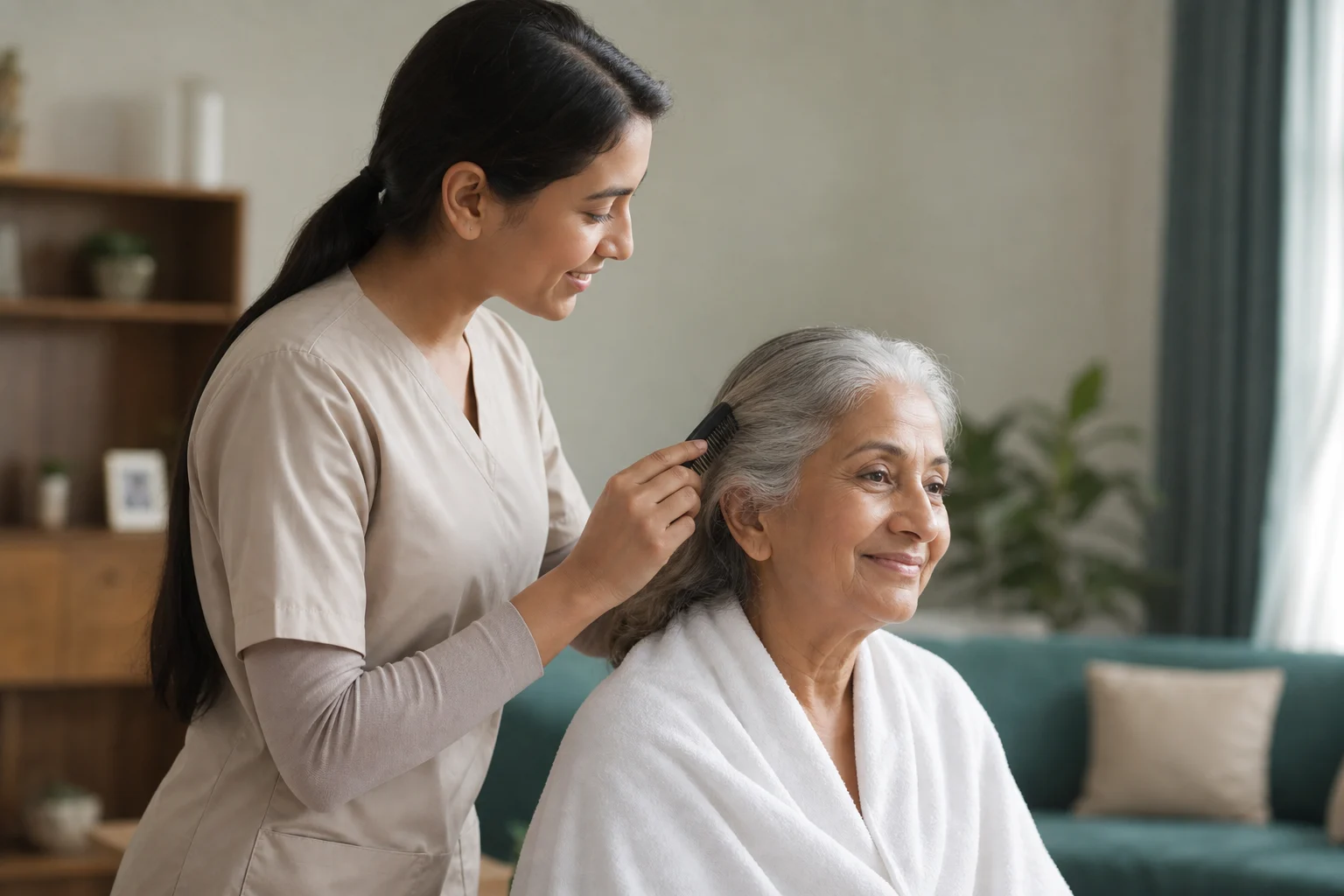
Creating a Companion Care Plan Tailored to Your Needs
As we age, the need for assistance with daily activities often becomes a reality for many seniors. This is where personal companion care plays a vital role in enhancing the quality of life for older adults. At Ability Homes, we understand the importance of creating a personalized companion care plan that addresses the unique needs of your loved one. In this article, we will guide you through the essential steps to assess needs, involve caregivers, and adjust plans for effective companion care services.
Understanding Personal Companion Care
Personal companion care is designed to provide support and companionship to seniors, ensuring their emotional and physical needs are met. This service goes beyond basic assistance; it offers a tailored approach that takes into account the individual preferences and requirements of each client. Whether it's help with daily tasks or simply having someone to talk to, in-home companion care can significantly improve a senior's well-being.
Step 1: Assessing Needs
The first step in creating a companion care plan is to conduct a thorough assessment of your loved one's needs. This involves understanding their daily routines, preferences, and any specific challenges they face. Here are some key areas to consider:
- Physical Health: Evaluate any medical conditions, mobility issues, or medications that may require attention.
- Emotional Well-being: Consider the emotional state of your loved one. Are they feeling isolated or depressed? Companionship for seniors can alleviate these feelings.
- Daily Activities: Identify which daily tasks your loved one struggles with, such as cooking, cleaning, or personal hygiene.
- Social Preferences: Understand their social needs, including how often they enjoy interacting with others and their preferred activities.
By gathering this information, you can create a comprehensive picture of your loved one’s needs, which will serve as the foundation for the companion care plan.
Step 2: Involving Caregivers
Once you have assessed the needs, the next step is to involve caregivers who can provide the required support. At Ability Homes, our team of compassionate professionals is trained to offer personalized care tailored to individual requirements. When involving caregivers, consider the following:
- Experience and Training: Ensure that the caregivers have the necessary qualifications and experience in providing personal companion care services. Look for caregivers who have certifications in areas such as first aid, CPR, and specialized training in geriatric care or specific medical conditions that may affect your loved one. This expertise not only assures you of their capability but also enhances the quality of care your loved one will receive.
- Personality Match: Choose caregivers who have a compatible personality with your loved one to foster a positive relationship. For instance, if your loved one is an introvert, a caregiver who is more reserved and gentle may be more suitable than someone who is very outgoing. Conducting informal meetings or trial visits can help you gauge personality compatibility and ease any initial apprehensions your loved one may have.
- Communication: Establish clear communication with caregivers regarding the specific needs and preferences of your loved one. Regular updates can help ensure that everyone is on the same page. Utilize tools such as care journals or communication apps that allow caregivers to log daily activities, dietary preferences, and emotional well-being. This transparency not only builds trust but also allows for timely adjustments to the care plan as necessary.
Involving the right caregivers can make a significant difference in the quality of care your loved one receives. The goal is to create a supportive environment where they feel comfortable and valued. Here are some additional factors to consider when involving caregivers:
Building a Strong Care Team
Creating a strong care team involves more than just selecting individual caregivers. It’s essential to build a cohesive group that works well together. Consider the following steps:
- Team Meetings: Schedule regular meetings with your caregiving team to discuss your loved one's progress, any concerns, and adjustments to the care plan. This practice fosters collaboration and ensures that all caregivers are aligned in their approach.
- Feedback Loop: Establish a feedback system where caregivers can share their observations and experiences. This input can provide valuable insights into your loved one's daily life and emotional state, which can inform adjustments to their care plan.
- Encouraging Professional Development: Encourage caregivers to pursue ongoing education and training. This commitment to professional growth can improve the overall care environment and lead to better outcomes for your loved one.
Creating a Positive Environment
Involvement goes beyond just physical presence; it is also about creating an emotional connection. Here’s how you can facilitate a positive atmosphere for both your loved one and their caregivers:
- Fostering Relationships: Encourage caregivers to spend quality time with your loved one engaging in activities they enjoy. Whether it's playing card games, going for walks, or reading together, these interactions can build rapport and trust.
- Respect and Dignity: Ensure that caregivers understand the importance of treating your loved one with respect and dignity. This can involve simple gestures like asking for their opinions on daily activities or being mindful of their privacy.
- Cultural Sensitivity: If your loved one comes from a specific cultural background, it’s important to involve caregivers who are culturally sensitive. This understanding can enhance communication and make your loved one feel more understood and comfortable.
Monitoring and Evaluation
Regularly monitoring the care provided is crucial to ensure it remains effective and responsive. Here are some practical steps to evaluate caregiver involvement:
- Daily Check-ins: Make it a habit to check in with caregivers daily. This could be a quick phone call or a brief visit to see how things are going. It helps build rapport and allows caregivers to voice any concerns they may have.
- Caregiver Performance Reviews: Conduct performance reviews for caregivers at regular intervals. This can include assessing their interaction with your loved one, their adherence to the care plan, and their ability to communicate effectively with you and other team members.
- Client Feedback: Solicit feedback from your loved one about their caregivers. Their perspective is invaluable in understanding the effectiveness of the care being provided and can highlight areas for improvement.
Utilizing Technology
In today’s digital age, technology can play a significant role in enhancing caregiver involvement. Consider the following tools:
- Care Management Apps: Use care management software that allows for easy communication between family members and caregivers. Features like shared calendars, task assignments, and messaging can streamline coordination and keep everyone informed.
- Telehealth Services: If your loved one has specific health needs, integrating telehealth services can allow caregivers to consult with healthcare professionals without the need for travel. This can be particularly beneficial for routine check-ups or specialist consultations.
- Wearable Technology: Devices that monitor health metrics can provide caregivers with real-time data on your loved one’s health. This information can be crucial in making timely decisions about their care.
Involving caregivers in the personal companion care plan is a multifaceted process that requires careful consideration and ongoing management. By focusing on the right qualifications, personality matches, effective communication, and continuous evaluation, you can create an environment that promotes the well-being of your loved one. The right caregivers can transform their day-to-day experience, ensuring they feel supported, engaged, and cherished.
Step 3: Creating the Companion Care Plan
With the needs assessed and caregivers involved, it’s time to create a detailed companion care plan. This plan should outline the specific services to be provided, the schedule of visits, and any other pertinent information. Here are some key elements to include:
- Daily Schedule: Outline the daily activities that the caregiver will assist with, including meal preparation, medication reminders, and social activities.
- Emergency Protocols: Include instructions for caregivers on how to handle emergencies and who to contact in case of a health crisis.
- Goals and Objectives: Set achievable goals for your loved one, such as increasing social interactions or improving mobility.
- Feedback Mechanism: Establish a system for regular feedback and adjustments to the care plan as needed.
A well-structured companion care plan serves as a roadmap for caregivers and ensures that your loved one receives consistent and effective care.
Step 4: Adjusting the Care Plan
As circumstances change, it’s essential to review and adjust the companion care plan regularly. This can be due to changes in health status, preferences, or social needs. Schedule periodic check-ins with caregivers to discuss any necessary adjustments. Here are some signs that it may be time to revise the care plan:
- Changes in Health: If your loved one experiences a decline in health or develops new medical conditions, it’s critical to reassess their needs. For example, if they are diagnosed with a new condition like diabetes, you may need to incorporate dietary changes and monitor their blood sugar levels regularly.
- Shifts in Mood: If they appear more withdrawn or express a desire for different activities or social interactions, this can indicate that their emotional or mental health needs are evolving. Perhaps they used to enjoy gardening but now feel isolated. In such cases, introducing new activities or altering their social environment can significantly enhance their quality of life.
- Feedback from Caregivers: Caregivers may provide insights into what is or isn’t working in the current care plan. Their observations can be invaluable, as they often spend the most time with your loved one and can notice subtle changes in behavior or preferences.
By staying proactive and responsive to changes, you can ensure that your loved one continues to receive the best possible support through personalized companion care. However, adjusting a care plan is not just about responding to changes; it’s also about anticipating needs and making proactive choices. Below are detailed strategies and tips to help you effectively adjust the care plan for your loved one.
1. Conduct Regular Assessments
Establish a schedule for regular assessments of your loved one's needs. This could be monthly or quarterly, depending on their health status. During these assessments, consider the following:
- Health Changes: Have there been any recent doctor visits or changes in medications? Documenting these changes can provide clarity when discussing the care plan with healthcare professionals.
- Daily Routines: Evaluate the effectiveness of current daily routines. For example, if your loved one struggles with morning activities, consider shifting the schedule to allow more time for these tasks.
- Social Engagement: Analyze how often your loved one interacts with friends or family. If they are increasingly isolated, think about involving local community resources or activities.
2. Involve Your Loved One in the Process
It’s vital to include your loved one in discussions about their care plan. This not only empowers them but also ensures that their preferences are respected. Consider the following methods:
- Open Communication: Regularly check in with them about their feelings and preferences. Ask open-ended questions, such as, “What activities do you enjoy the most?” or “Is there something new you would like to try?”
- Preference Surveys: Create a simple survey that allows them to express their likes, dislikes, and any changes they wish to see in their routine.
- Trial Periods: If considering a new activity, implement it as a trial period. For example, introduce a weekly game night and assess their enjoyment level after a month.
3. Collaborate with Healthcare Professionals
Consulting with healthcare professionals is essential for adjusting the care plan effectively. They can provide guidance on medical needs and recommend services that may enhance your loved one's quality of life. Here’s how to effectively collaborate:
- Regular Check-ups: Schedule regular check-ups with their physician or specialist to discuss any health changes that may impact the care plan.
- Multi-disciplinary Teams: If your loved one has complex needs, consider involving a multi-disciplinary team that may include therapists, social workers, and nutritionists. Each professional can offer unique insights that contribute to a comprehensive care plan.
- Documentation: Keep detailed records of any medical advice received and ensure these are reflected in the care plan. This can help in making informed decisions about the care strategies being implemented.
4. Utilize Technology for Monitoring
In today’s digital age, technology can be a powerful ally in monitoring your loved one's needs. Consider these tech options:
- Health Apps: Use health monitoring apps that can track medication schedules, doctor appointments, and health metrics. This data can be shared with caregivers and healthcare professionals for timely adjustments.
- Wearable Devices: Wearable technologies like fitness trackers can provide insights into your loved one's physical activity levels, sleep patterns, and heart rate. This information can help adjust physical activity and wellness strategies.
- Communication Tools: Video calling platforms can help maintain social connections. Regular virtual visits with family and friends can significantly enhance emotional well-being.
5. Be Flexible and Patient
Adjusting a care plan is an ongoing process that requires flexibility and patience. Here are some reminders to keep in mind:
- Trial and Error: Not every change will yield the desired outcomes. Be prepared for some trial and error as you explore new options.
- Emotional Resilience: Understand that both you and your loved one may experience a range of emotions during this process. Be patient and allow time for adjustments to take effect.
- Celebrate Small Wins: Acknowledge and celebrate improvements, no matter how small. Whether it’s a more engaged mood or a successful new activity, these moments can provide motivation to continue making adjustments.
By embracing a proactive and collaborative approach to adjusting the care plan, you can create a supportive environment that adapts to the changing needs of your loved one. This tailored approach to personal companion care not only enhances their quality of life but also strengthens the bond between you and your loved one. Remember that the goal is to ensure they feel valued, supported, and engaged in their daily lives.