Creating a Safe and Comfortable Environment for Seniors
As our loved ones age, ensuring their home environment is safe and comfortable becomes a priority. Families often seek ways to enhance their seniors' living spaces, making daily life easier and more enjoyable. One effective solution is in-home companion care, which not only provides essential support but also contributes significantly to creating a nurturing atmosphere. In this article, we will explore actionable tips for home modifications that focus on safety and comfort, while highlighting how companion care services play a vital role in this process.
Understanding the Importance of Safety
Safety is paramount when it comes to senior living. As mobility decreases, the risk of accidents increases, making it essential to identify potential hazards within the home. A safe environment not only helps prevent injuries but also contributes to the overall well-being and peace of mind of seniors. By implementing effective safety measures, families can ensure their loved ones enjoy a comfortable and secure living space. Here are some key safety measures to consider:
- Fall Prevention: Falls are one of the leading causes of injury among seniors. To mitigate this risk, it is crucial to implement various fall prevention strategies. Start by installing grab bars in bathrooms and hallways, which provide essential support for seniors when moving around. Ensure that rugs are secured with non-slip backing or removed altogether to prevent slips. Consider using non-slip mats in areas prone to water exposure, such as kitchens and bathrooms. Another effective measure is to remove any clutter and obstacles in walkways and frequently used areas. This not only enhances safety but also creates a more organized and pleasant living space. Consider a home assessment by a professional who specializes in senior safety; they can provide tailored recommendations based on the specific needs of your loved one.
- Lighting Enhancements: Proper lighting is a critical component of safety that is often overlooked. As vision changes with age, adequate lighting becomes essential for preventing accidents and fostering independence. Replace dim bulbs with brighter, energy-efficient options to illuminate dark corners and rooms. To standard lighting, consider installing motion-sensor lights in hallways and bathrooms, which activate automatically when someone enters the area. Night lights can be particularly helpful in bedrooms and bathrooms to guide seniors safely during nighttime hours. It’s also advisable to keep frequently used items within easy reach to minimize the need for climbing or reaching in poorly lit areas.
- Emergency Preparedness: Preparing for emergencies is vital in ensuring the safety of seniors. Equip the home with smoke detectors, carbon monoxide detectors, and fire extinguishers. Regularly test these devices to ensure they are functioning properly and replace batteries as needed. It is important to educate seniors on how to use these devices effectively. Develop a comprehensive emergency plan that outlines what to do in case of a fire, medical emergency, or natural disaster. Discuss this plan with your loved one and practice it periodically to ensure they feel confident in their ability to respond. Consider providing them with a mobile phone or emergency alert system that allows them to call for help quickly if needed.
- Secure the Environment: A well-secured environment is essential for reducing the risk of accidents. Start by removing clutter and obstacles from pathways, which can pose tripping hazards. Ensure that stairs have sturdy railings and are well-lit, as many seniors face difficulties with stairs. Outdoor areas should also be well-maintained; keep walkways clear of leaves, snow, and ice, and ensure that any outdoor furniture is stable and not a tripping hazard. Consider landscaping changes that promote easier navigation, such as adding ramps instead of stairs where possible. Ensure that all entryways are accessible and free from obstacles to allow for easy access, especially for those using mobility aids.
- Medication Management: Managing medications effectively is another crucial aspect of safety for seniors. Incorrect medication usage can lead to serious health issues and accidents. To help seniors manage their medications safely, consider using a pill organizer that sorts doses by day and time. It may also be beneficial to set reminders through phone alarms or medication management apps. Involve a healthcare professional to conduct regular medication reviews to ensure that the prescribed medications are appropriate and do not interact negatively with one another. Educate seniors about their medications, including what they are for and potential side effects, to empower them to take control of their health.
- Social Connections and Mental Well-being: Safety is not just about physical measures; emotional and mental well-being play a significant role as well. Isolation can lead to depression and anxiety, which can increase the risk of accidents. Encourage seniors to maintain social connections through community activities, family visits, or virtual gatherings. In-home companion care can provide significant support in this area, offering companionship and assistance with daily activities. These caregivers can help seniors engage in stimulating conversations, participate in hobbies, and even accompany them on outings, which can boost their mood and overall health.
- Utilizing Technology for Safety: Embracing technology can enhance safety for seniors living alone. Smart home devices, such as voice-activated assistants, can help seniors control lights, appliances, and security systems without needing to move around extensively. Consider installing security cameras or doorbell cameras to enhance home security and provide peace of mind. Wearable devices that monitor health metrics can alert caregivers or family members in case of emergencies, providing an extra layer of protection. There are also applications available that can help seniors keep track of important appointments and medication schedules.
By prioritizing safety measures in the home, families can create an environment that fosters independence and enhances the quality of life for seniors. It is essential to remain proactive in identifying potential hazards and implementing solutions that cater specifically to the needs of elderly individuals. In-home companion care services can play a pivotal role in this process, providing not only assistance but also companionship that promotes a safer and more comfortable living environment.
Enhancing Comfort at Home
While safety is crucial, comfort is equally important for seniors to thrive in their living spaces. Here are some suggestions for enhancing comfort in the home:
- Personalized Living Spaces: Encourage seniors to decorate their rooms with familiar items, such as family photos and cherished mementos, to create a sense of belonging and comfort.
- Temperature Control: Ensure that the home is adequately heated or cooled, depending on the season. Consider using space heaters or fans to maintain a comfortable temperature.
- Furniture Arrangements: Choose comfortable furniture that is easy to get in and out of. Arrange furniture to allow for easy movement, and ensure that there are places to rest along the way.
- Accessible Amenities: Store frequently used items within easy reach to minimize bending and stretching. Use organizers to keep spaces tidy and accessible.
The Role of In-Home Companion Care
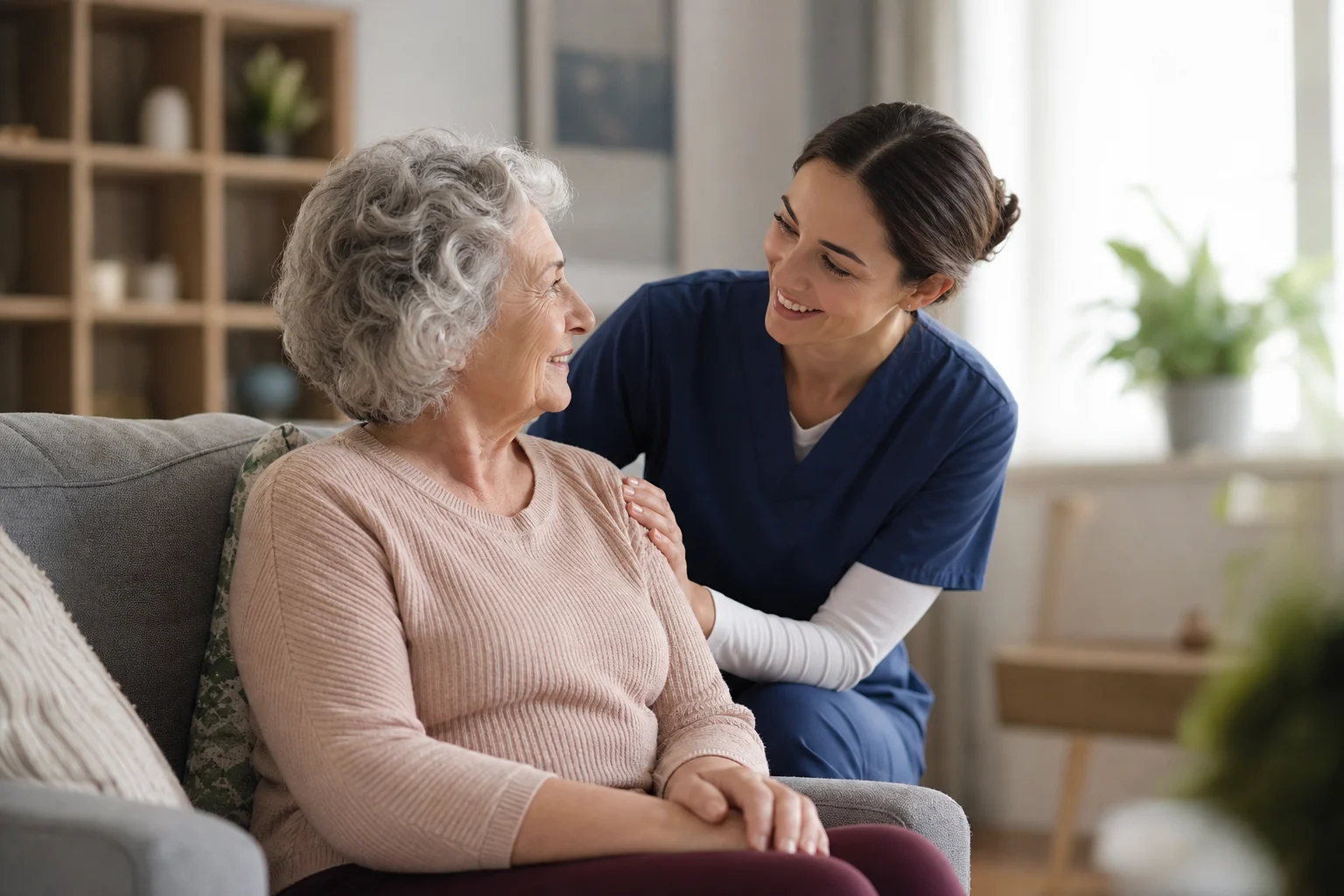
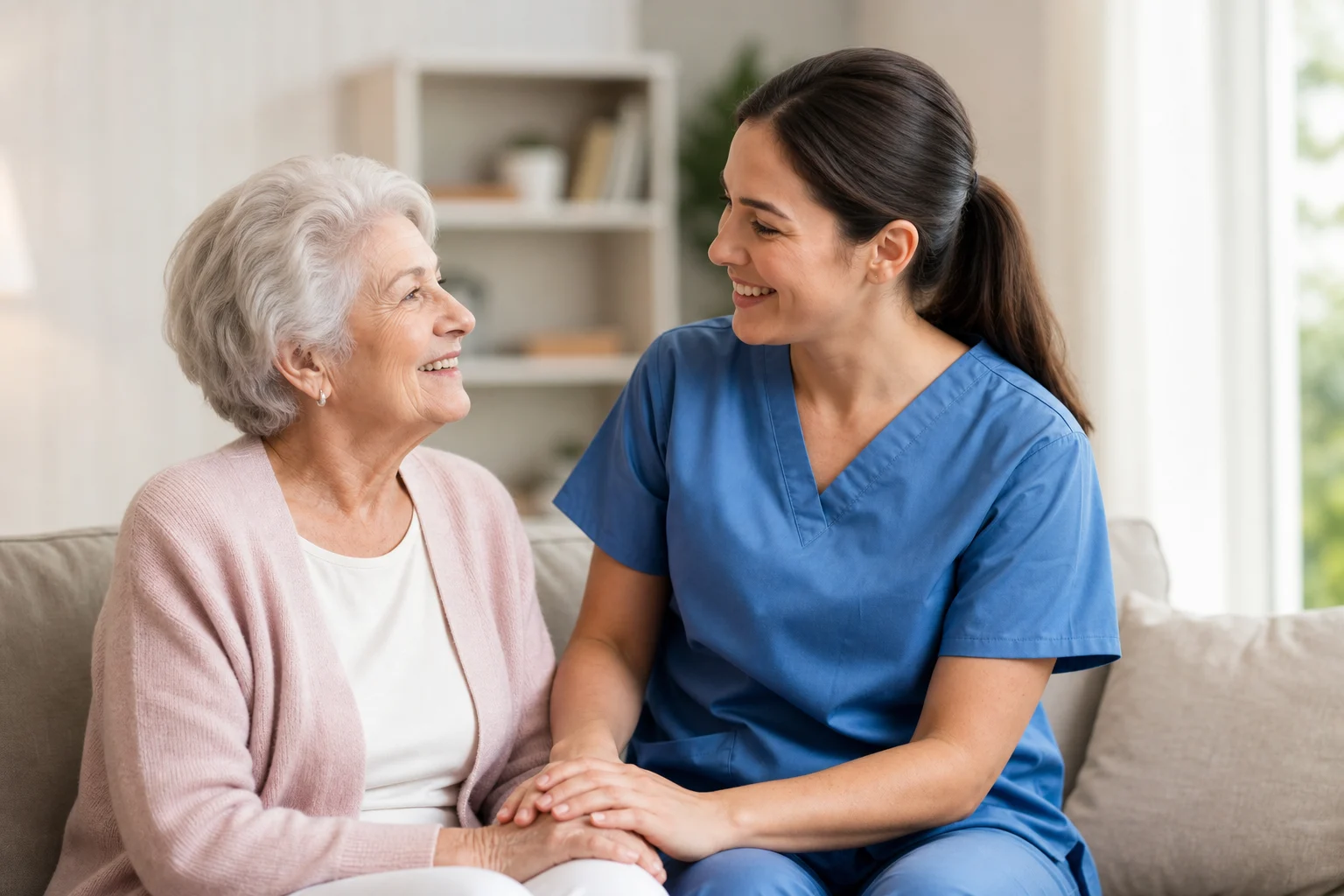
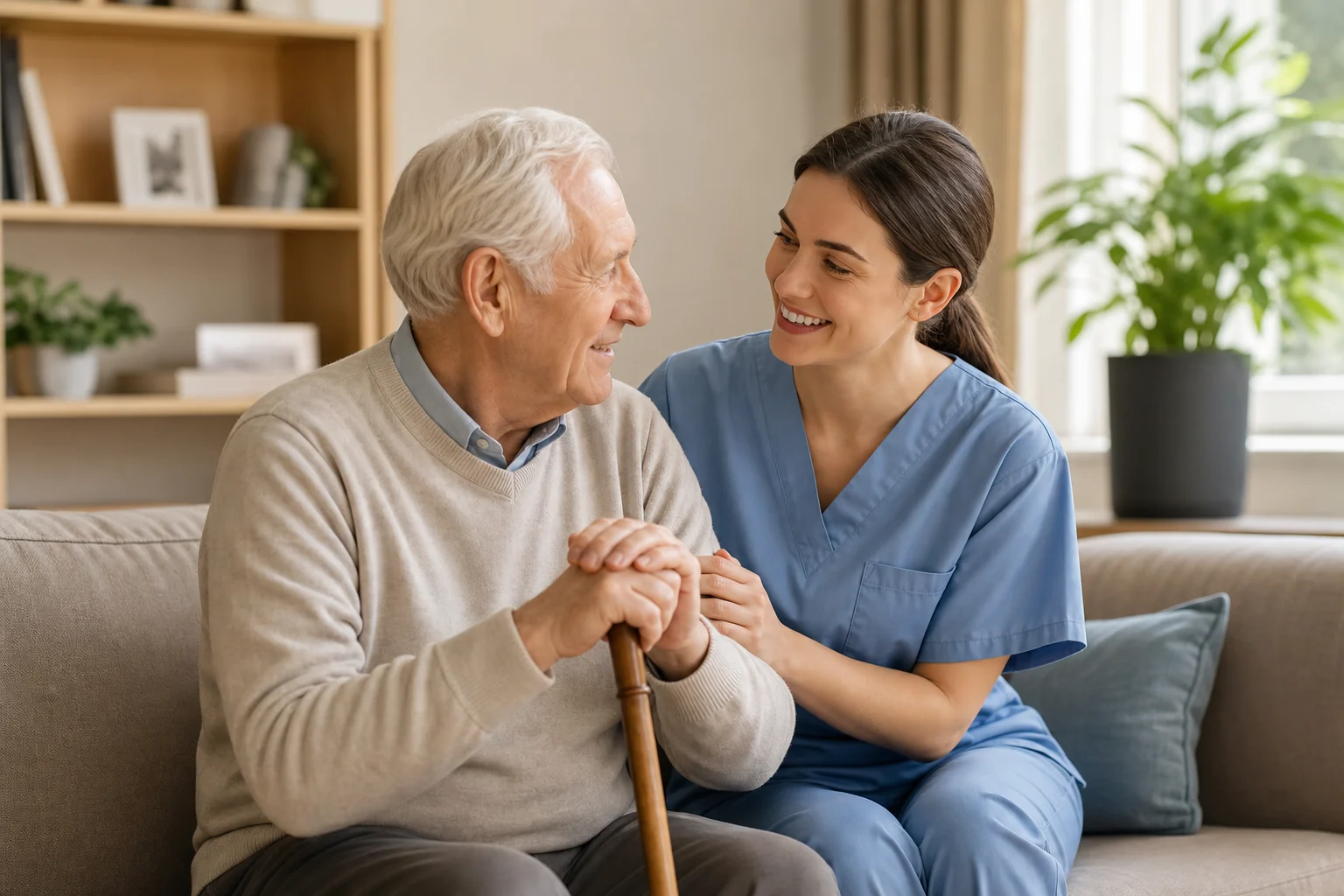
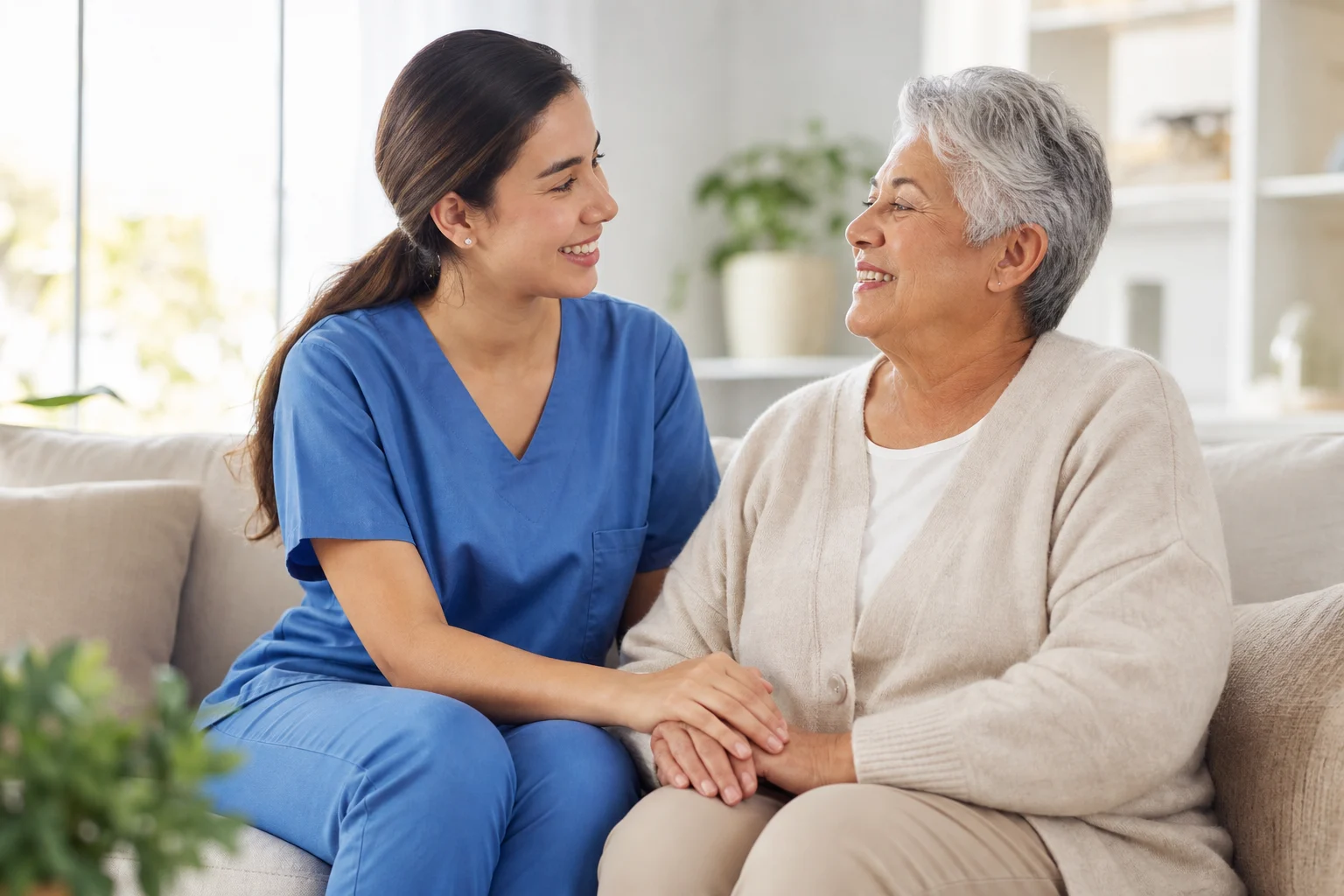
Companion care services can significantly enhance both safety and comfort for seniors. Trained companions provide not only physical assistance but also emotional support, which is critical for overall well-being. Here’s how personal companion care can make a difference:
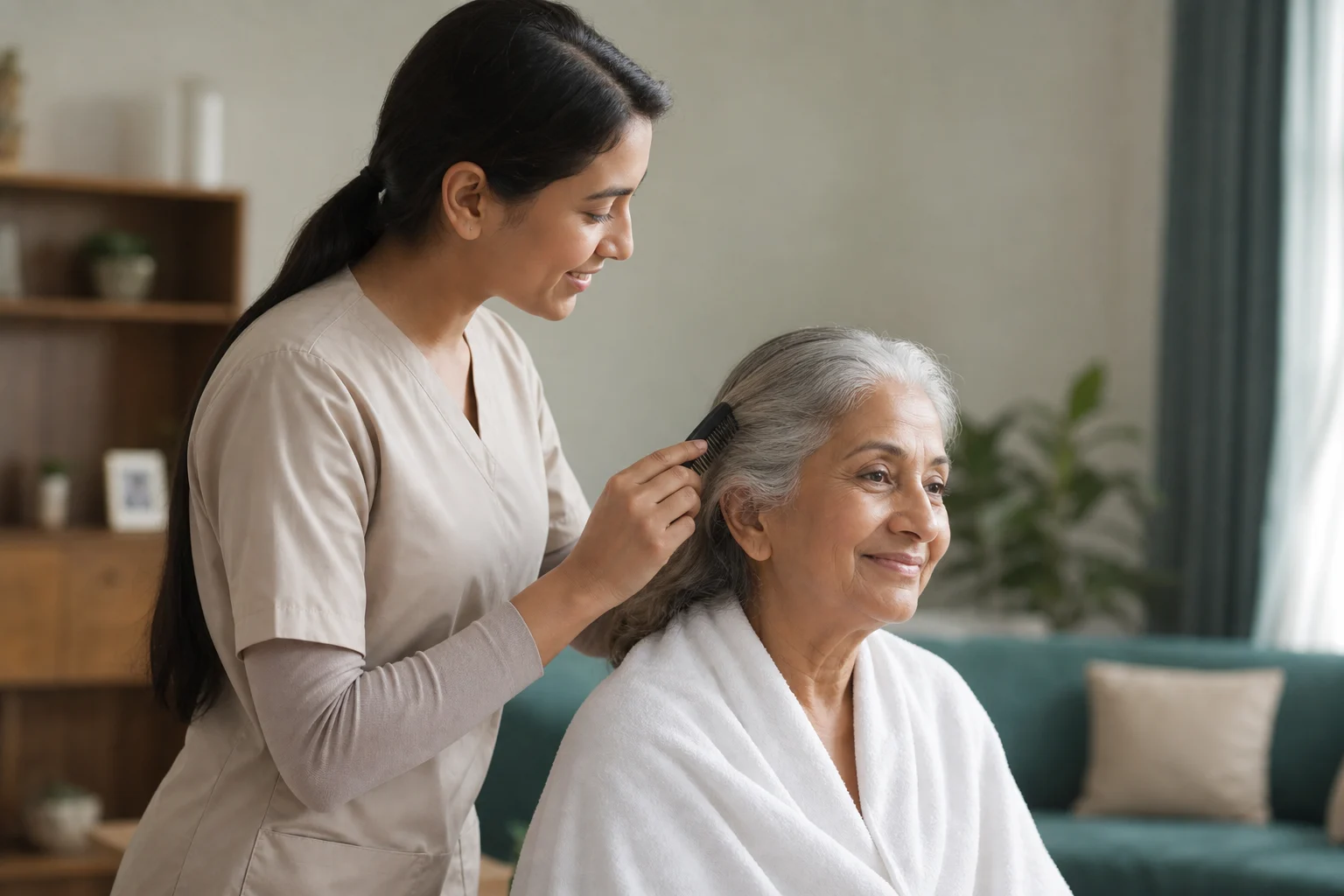
- Daily Living Assistance: Companions can help with daily tasks such as meal preparation, medication management, and personal hygiene, ensuring that seniors maintain their independence while receiving the support they need. For instance, a companion can prepare nutritious meals tailored to a senior's dietary restrictions, ensuring they receive the necessary nutrients while also enjoying their food. This not only helps in maintaining physical health but also promotes a sense of normalcy and enjoyment in daily life.
- Social Interaction: Companionship for the elderly is essential. Engaging conversations, activities, and companionship help prevent feelings of loneliness and isolation, promoting mental health. A study published in the Journal of Aging Research shows that regular social interaction can reduce the risk of cognitive decline. Companions can facilitate this by organizing activities such as playing games, reading together, or even going for walks, allowing seniors to share their thoughts and experiences.
- Transportation Support: In-home companions can assist with transportation to medical appointments or social outings, ensuring that seniors stay connected to their communities. This not only helps them access essential services but also encourages participation in social activities, which can be crucial for emotional well-being. For example, a companion can drive a senior to a local community center for a class or event, fostering a sense of belonging and purpose.
- Monitoring and Supervision: Having a companion present allows for constant monitoring, which is especially important for seniors with health concerns. This support can provide peace of mind for families. Companions can help recognize early signs of health issues, ensuring timely interventions. For instance, if a senior is taking medications, the companion can ensure they are taken correctly and on time, which can prevent complications and promote a healthier lifestyle.
To these key roles, in-home companion care can also offer specialized services tailored to individual needs. For example, a companion might have training in dementia care, enabling them to provide effective support for seniors dealing with memory loss. They can engage the senior in memory-enhancing games and activities, helping to stimulate cognitive function while providing companionship.
Companions are often trained to recognize emotional and psychological changes in their clients. If a senior begins to show signs of depression or anxiety, the companion can alert family members or healthcare providers, ensuring that the senior receives the appropriate care. This proactive approach is invaluable in maintaining the overall health and happiness of seniors.
Another important aspect of in-home companion care is the creation of a structured daily routine. Many seniors thrive on routine, as it provides them with a sense of stability and predictability. A companion can help establish a daily schedule that includes time for meals, exercise, social activities, and rest. This structure not only helps seniors feel more secure but also encourages them to engage more fully in their daily lives. For instance, a well-planned day might include a morning walk, a healthy lunch, and an afternoon activity like gardening or arts and crafts.
In-home companions can also assist with technology, helping seniors stay connected with family and friends through video calls or social media. This can be particularly beneficial for those who may not have the skills or confidence to navigate modern technology. By teaching seniors how to use devices and apps, companions can bridge the generational gap and help seniors maintain meaningful relationships, which is crucial for emotional health.
The role of an in-home companion extends to promoting physical activity, which is essential for senior health. Companions can encourage seniors to participate in light exercises or stretches that are appropriate for their fitness level. This not only helps improve physical health but also enhances mobility and flexibility, reducing the risk of falls and injuries. For example, a companion might lead a senior through gentle yoga or tai chi, activities that are known for their benefits in promoting balance and strength.
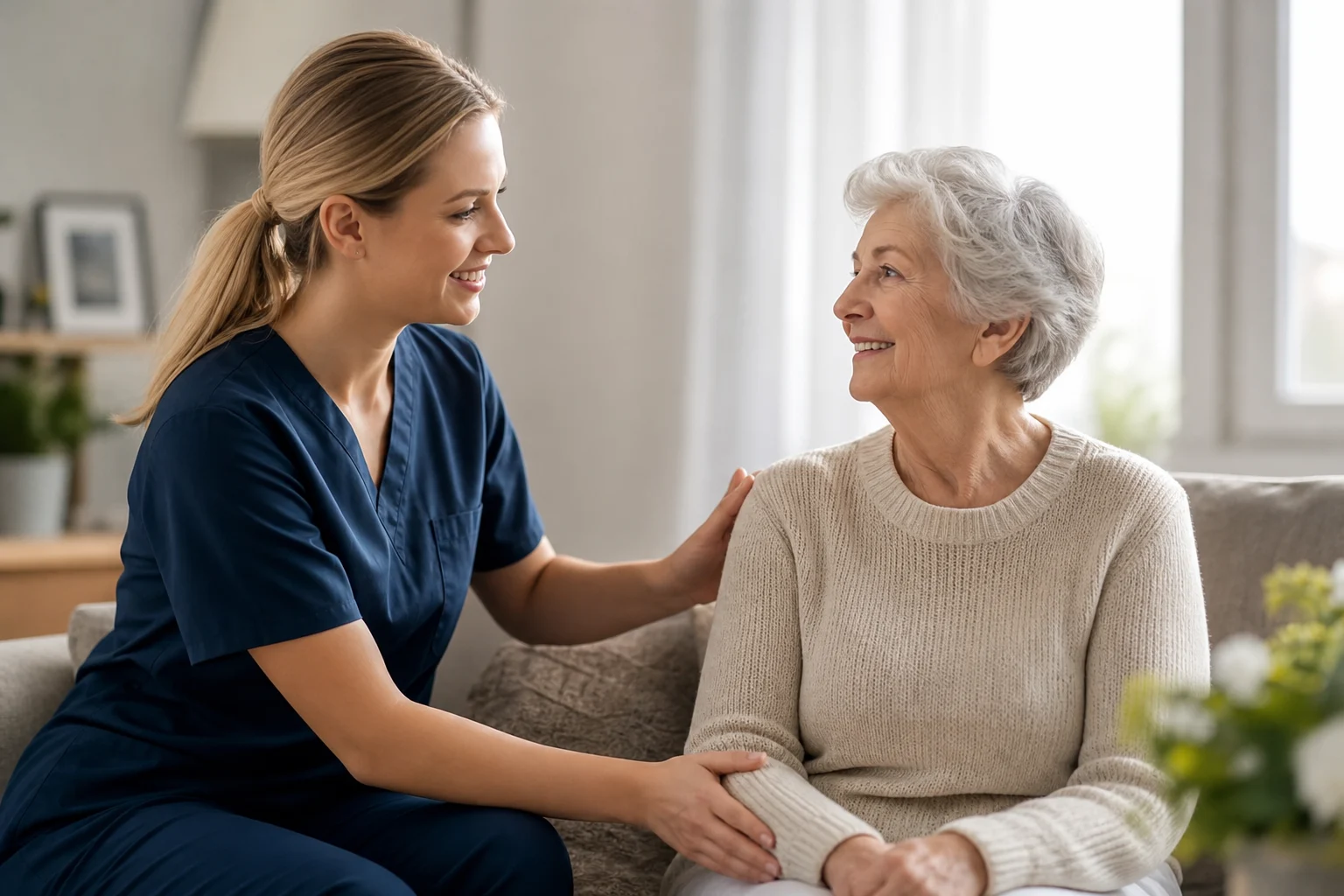
The companionship aspect of in-home care cannot be overstated. Many seniors experience feelings of loneliness, and having someone to talk to or share experiences with can significantly improve their quality of life. Companions can be a listening ear and a source of comfort, helping seniors navigate the challenges of aging with grace and dignity. They can share stories, reminisce about the past, and even engage in hobbies together, fostering a sense of connection and joy in everyday life.
In-home companion care plays a vital role in enhancing the safety and comfort of seniors. By providing daily living assistance, social interaction, transportation support, and monitoring, companions help seniors lead fulfilling lives while maintaining their independence. With the added benefits of specialized training, emotional support, and encouragement for physical activity, in-home companions are invaluable partners in the journey of aging. As families consider options for their loved ones, the importance of choosing quality companion care services cannot be overstated, as they are instrumental in creating a safe and nurturing environment for seniors to thrive.