The Benefits of Social Interaction Through Companion Care
As our loved ones age, the importance of social interaction cannot be overstated. For seniors, maintaining social connections is vital not only for emotional well-being but also for overall health. At Ability Homes, we understand the profound benefits of companionship for seniors and how our companion care services can enhance their quality of life. This article explores the various ways social interaction through in-home companion care can positively impact seniors, focusing on activities, emotional health, and the essential roles caregivers play.
Emotional Health and Well-Being
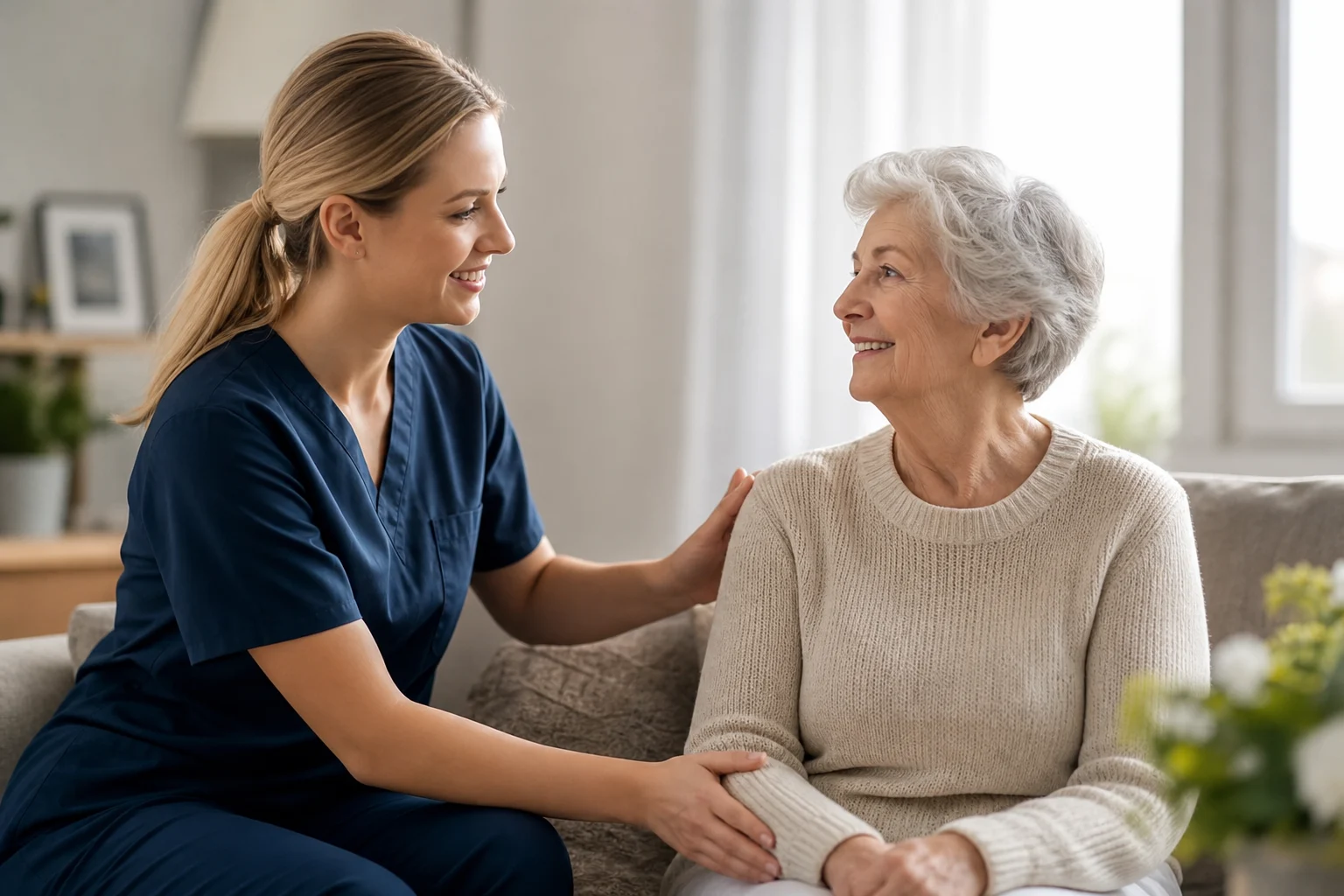
The emotional health of seniors is closely tied to their social interactions. Companionship helps mitigate feelings of loneliness and depression, which can be common among older adults. Our in-home companion care services are structured to provide emotional support through:
- Active Listening: Companions can engage seniors in meaningful conversations, allowing them to express their feelings and thoughts. This process not only validates their emotions but also fosters a sense of connection and understanding. For instance, a companion might ask open-ended questions about the senior's past experiences, encouraging them to share stories that bring them joy or nostalgia.
- Encouragement: Caregivers provide motivation and encouragement for seniors to participate in social activities, helping them build confidence. This could include inviting them to join local community events, suggesting group classes, or even just promoting simple activities like a walk in the park with friends. By gently pushing seniors toward these interactions, companions can help them rediscover the joy of being part of a community.
- Routine Check-Ins: Regular visits from companions help maintain a sense of stability and reassurance in seniors' lives. These check-ins can be crucial, especially for those who live alone. Companions can establish a routine that includes not only visits but also phone calls or video chats, ensuring seniors feel consistently cared for and connected.
Beyond these structured interactions, companionship for seniors offers numerous emotional health benefits that can profoundly impact their overall well-being. Here are several key areas in which companionship contributes to emotional health:
Reduction of Loneliness
Loneliness is often referred to as an epidemic among seniors. Studies have shown that social isolation can lead to serious health issues, including cognitive decline, heart disease, and even premature death. Companionship provides a remedy by fostering relationships that offer emotional support. For example, a companion can engage in simple activities such as playing cards, watching movies together, or even gardening. These shared experiences create bonds and reduce feelings of isolation.
Enhanced Cognitive Function
Social interaction is not only important for emotional health but also for cognitive function. Engaging in discussions, playing games, and participating in group activities can stimulate the brain and help maintain mental acuity. Companions can introduce seniors to new hobbies or interests that challenge them intellectually. For instance, learning a new language or taking up painting can enhance cognitive engagement, keeping the mind sharp and active.
Improved Mood and Outlook
The presence of a companion can significantly improve a senior's mood and overall outlook on life. Companionship encourages laughter, joy, and a positive perspective. Companions can share uplifting stories, engage in fun activities, and even celebrate small achievements with seniors. This positive reinforcement can uplift spirits and foster a more optimistic attitude. For example, planning small celebrations for milestones, like birthdays or achievements, can provide seniors with something to look forward to, enhancing their emotional well-being.
Creating a Support Network
Companionship can also help seniors build a broader support network. A companion can introduce them to new friends, family members, or even neighbors, helping them expand their social circle. This network is vital, as it offers additional emotional support and resources. For instance, if a senior is experiencing health challenges, their companion can help them connect with local support groups or community resources, providing a sense of belonging and understanding.
Empathy and Understanding
One of the most significant advantages of companionship is the empathetic relationship that develops between seniors and their companions. Having someone who listens and understands their feelings can be incredibly healing. Companions trained in emotional support can help seniors navigate feelings of grief, anxiety, or sadness, offering coping strategies and emotional tools. This support is especially crucial for seniors dealing with loss or major life changes, such as moving into a new living situation or adjusting to retirement.
Practical Guidance for Family Members
For family members of seniors, understanding the importance of companionship for emotional health is key. Here are some practical steps you can take to ensure your loved one receives the companionship they need:
- Encourage Social Engagement: Help your loved one identify social opportunities in their community. This could include local clubs, classes, or volunteer opportunities that align with their interests.
- Consider Companion Care Services: Look into professional companion care services that provide trained caregivers to engage with seniors. These services can offer structured activities and emotional support tailored to individual needs.
- Facilitate Communication: If your loved one is hesitant to reach out to others, help them practice communication skills. Role-playing conversations or discussing topics of interest can ease their anxiety about social interactions.
- Be Present: Sometimes, the best support you can offer is simply being there. Regular visits, phone calls, or video chats can significantly reduce feelings of loneliness and show your loved one they are valued.
With the right support, seniors can experience improved mood and outlook, leading to a more fulfilling life. The emotional health benefits of companionship extend far beyond mere conversation; they encompass a holistic approach to well-being that nurtures the mind, body, and spirit. By prioritizing social interaction and emotional support, we can help seniors thrive and enjoy their golden years to the fullest.
The Essential Role of Caregivers
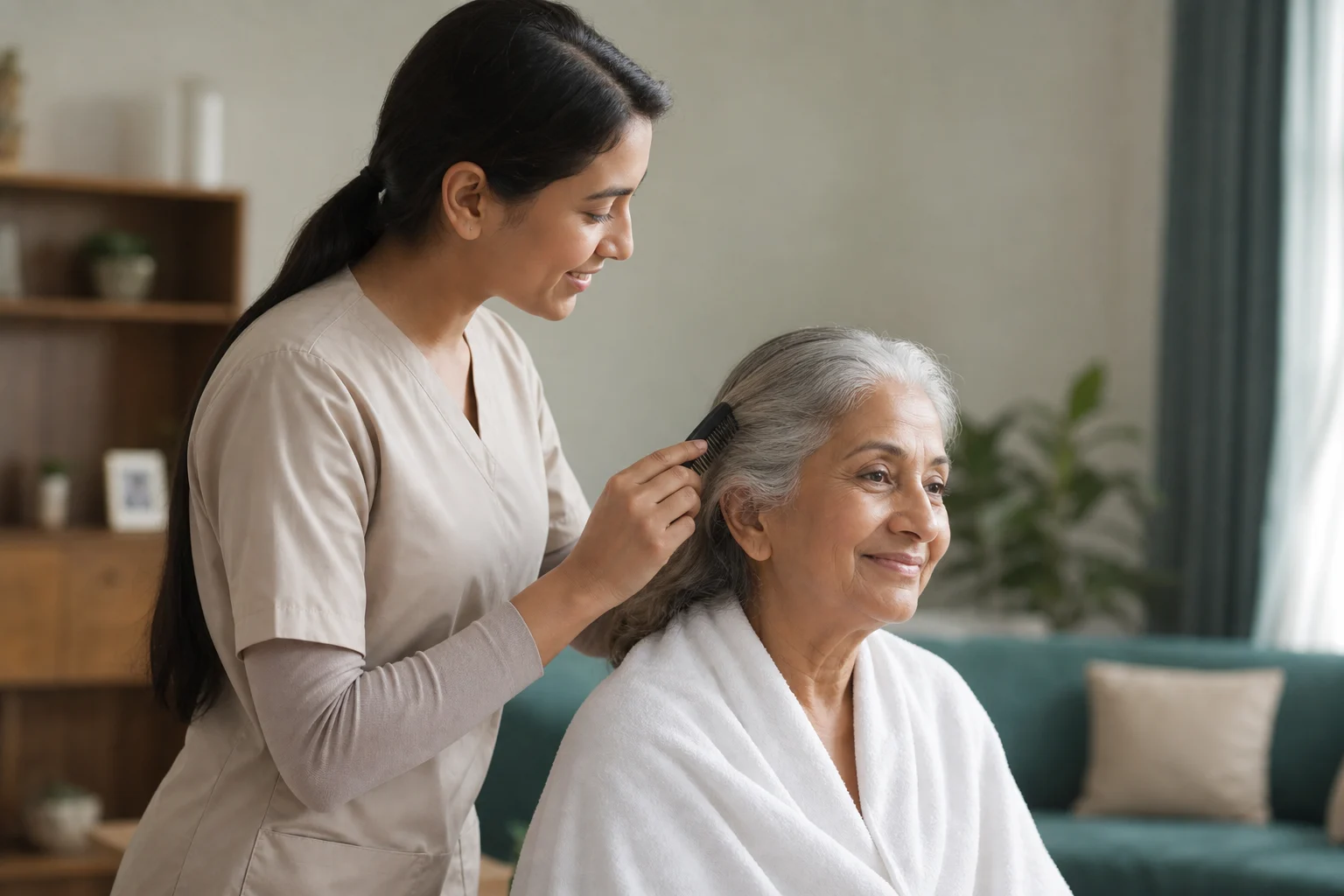
Caregivers play a pivotal role in facilitating social interaction for seniors, significantly impacting their overall well-being. At Ability Homes, our caregivers are trained not just to provide physical care but also to be companions and friends. They understand the unique needs of each individual and tailor their approach accordingly. The importance of companionship for seniors cannot be overstated, as it directly influences their emotional health, cognitive function, and physical well-being.
Here are some ways our caregivers enhance companionship:
- Personalized Interaction: Caregivers take the time to understand seniors' preferences and interests, allowing for more meaningful interactions. This personalized approach might include discussing favorite books, sharing memories, or even engaging in hobbies that the senior enjoys. For instance, if a senior loves gardening, a caregiver might spend time helping them tend to their plants or even just chatting about gardening techniques and experiences.
- Building Trust: Establishing a trusting relationship encourages seniors to open up and engage more fully. Trust is foundational in any caregiving relationship, and caregivers often foster this by being consistently present, attentive, and empathetic. Regular check-ins and open communication allow seniors to express their feelings and needs, further enhancing their emotional stability.
- Scheduling Activities: Caregivers can organize and schedule activities that align with the seniors' interests, ensuring social engagement is a regular part of their routine. This could include anything from organizing a game night with board games, facilitating virtual family visits, or even arranging outings to local parks or community events. These activities not only break the monotony of daily life but also create opportunities for socialization and joy.
Beyond these essential functions, caregivers also serve as vital social connectors for seniors. Many elderly individuals may find it challenging to reach out to friends or family due to mobility issues or feelings of isolation. Caregivers can help bridge this gap by:
- Encouraging Family Visits: Caregivers can facilitate and encourage visits from family members, helping to maintain those crucial bonds. They might help set the scene for a visit by preparing the home, suggesting activities for the family to engage in together, or even sharing family updates that might interest the senior.
- Connecting with Community Resources: Caregivers often have knowledge of local resources and programs designed for seniors. They can connect seniors with local senior centers, clubs, or groups that focus on shared interests, thereby expanding their social circles. For example, many communities have book clubs, art classes, or fitness programs tailored for seniors, which can greatly enhance their social engagement.
- Utilizing Technology: In today’s digital age, caregivers can also help seniors navigate technology to connect with loved ones. This might include helping them set up video calls with family members or teaching them how to use social media platforms to keep in touch with friends. Such interactions can significantly reduce feelings of loneliness and foster a sense of connection, even when physical visits are not possible.
The emotional support that caregivers provide is invaluable. Many seniors experience feelings of loneliness and depression, which can be exacerbated by a lack of social interaction. Caregivers, through their companionship, can offer a listening ear and emotional support. They are often trained to recognize signs of emotional distress and can provide appropriate interventions, whether through conversation, companionship, or by suggesting professional help when necessary.
Caregivers can help seniors engage in physical activities that promote both physical health and social interaction. Activities such as gentle exercises, walking groups, or even dance classes can be arranged by caregivers, thereby encouraging seniors to stay active while also socializing with others. These physical activities not only enhance mobility and strength but also contribute to improved mood and cognitive function.
In many cases, caregivers also assist in organizing outings and excursions that provide seniors with a change of scenery and new experiences. This could range from a simple walk in the local park to more structured events like trips to museums, theaters, or community festivals. Such outings can significantly enrich a senior's life, providing them with new stories to share and experiences to reflect upon.
Caregivers are often encouraged to engage in creative activities with seniors. Art therapy, music sessions, and crafts can be great ways to stimulate conversation and creativity. For instance, caregivers might organize painting sessions or music listening parties, where seniors can share their favorite songs and reminisce about significant moments tied to those melodies. These creative outlets are not only enjoyable but also beneficial for cognitive engagement.
It is essential to note that the role of caregivers extends to promoting independence in seniors. By encouraging them to participate in activities and make choices about their daily routines, caregivers help seniors retain a sense of control over their lives. This empowerment contributes positively to their mental health and self-esteem, making them feel valued and respected.
The role of caregivers in enhancing companionship for seniors is multifaceted and deeply impactful. From personalized interactions and trust-building to organizing activities and fostering connections with family and community resources, caregivers are essential in ensuring that seniors lead fulfilling, socially engaged lives. The peace of mind that families gain from knowing their loved ones are not just cared for physically but are also socially active cannot be understated. This holistic approach to senior care not only improves the quality of life for seniors but also strengthens the bond between them and their caregivers, creating a nurturing environment that celebrates companionship, dignity, and respect.
The Essential Role of Caregivers
Caregivers play a pivotal role in facilitating social interaction for seniors. At Ability Homes, our caregivers are trained not just to provide physical care but also to be companions and friends. They understand the unique needs of each individual and tailor their approach accordingly.
Here are some ways our caregivers enhance companionship:
- Personalized Interaction: Caregivers take the time to understand seniors' preferences and interests, allowing for more meaningful interactions.
- Building Trust: Establishing a trusting relationship encourages seniors to open up and engage more fully.
- Scheduling Activities: Caregivers can organize and schedule activities that align with the seniors' interests, ensuring social engagement is a regular part of their routine.
These roles not only enrich the lives of seniors but also provide families with peace of mind, knowing their loved ones are well cared for.