What to Expect from In-Home Companion Care Services
As families consider home health care options for their loved ones, understanding the nuances of in-home companion care becomes crucial. At Ability Homes, we specialize in providing compassionate home health care services tailored to the unique needs of seniors and individuals requiring assistance with daily living tasks. Our goal is to enhance the independence of our clients in [City], [State], ensuring they receive the support and companionship they deserve.
Understanding In-Home Companion Care
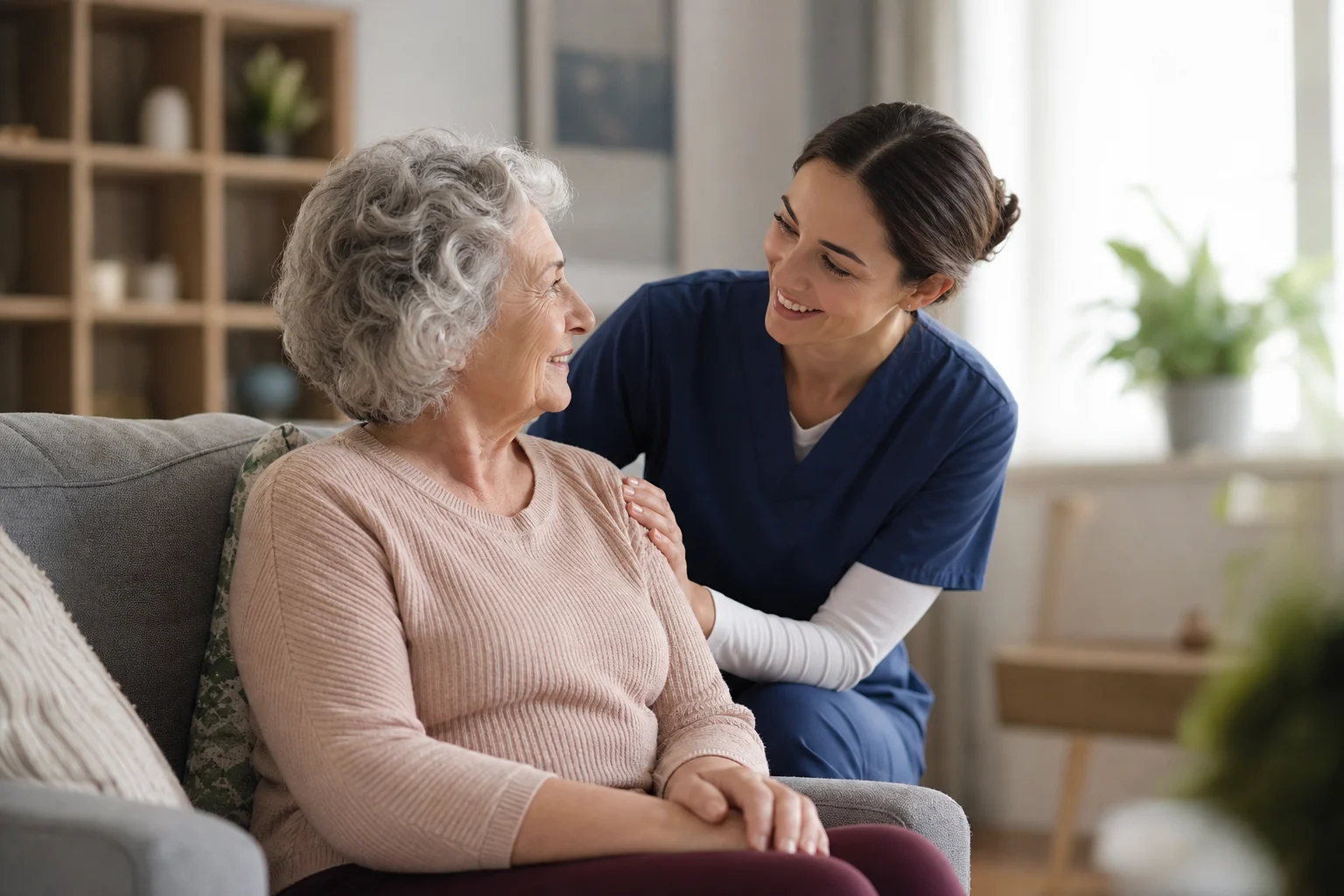
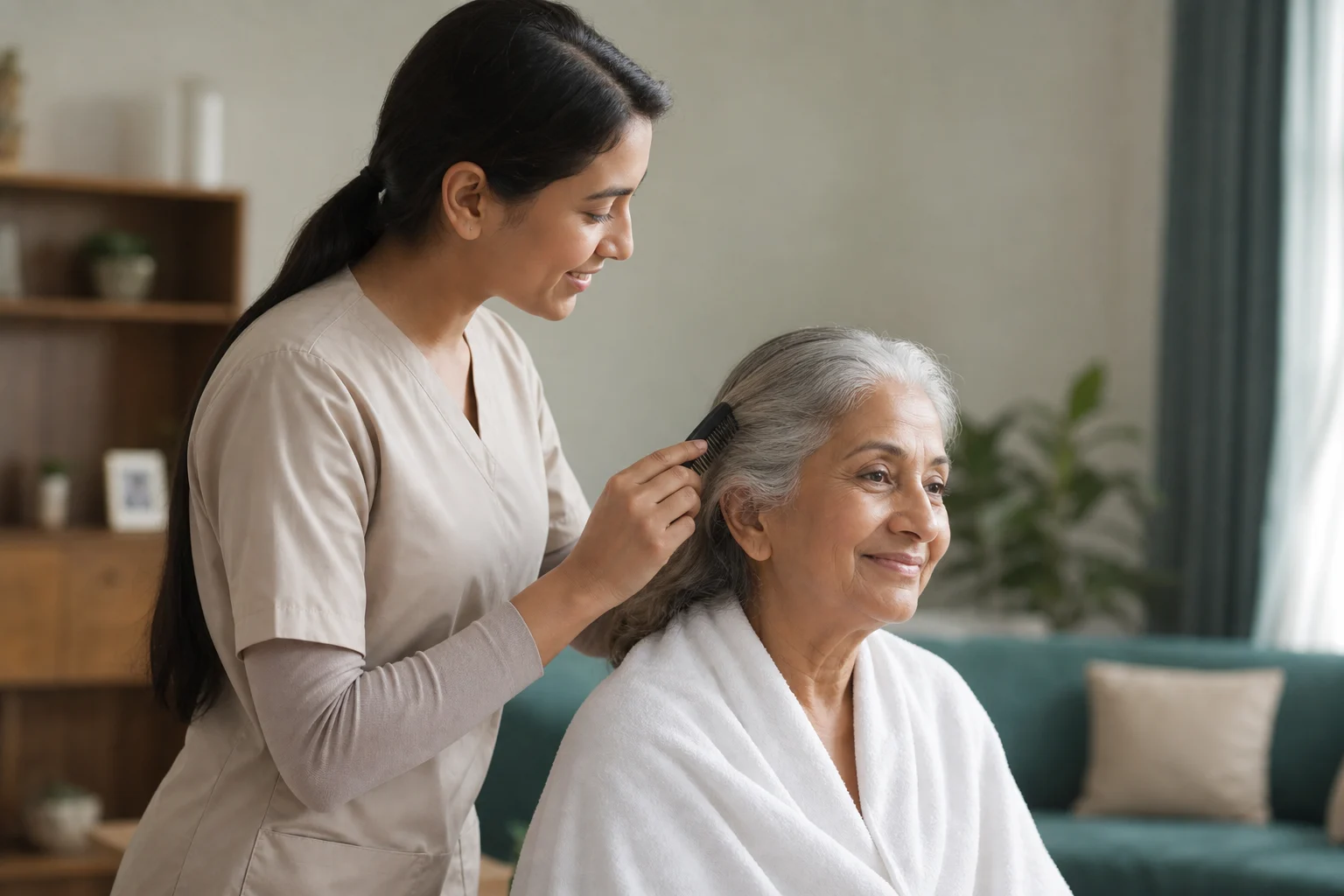
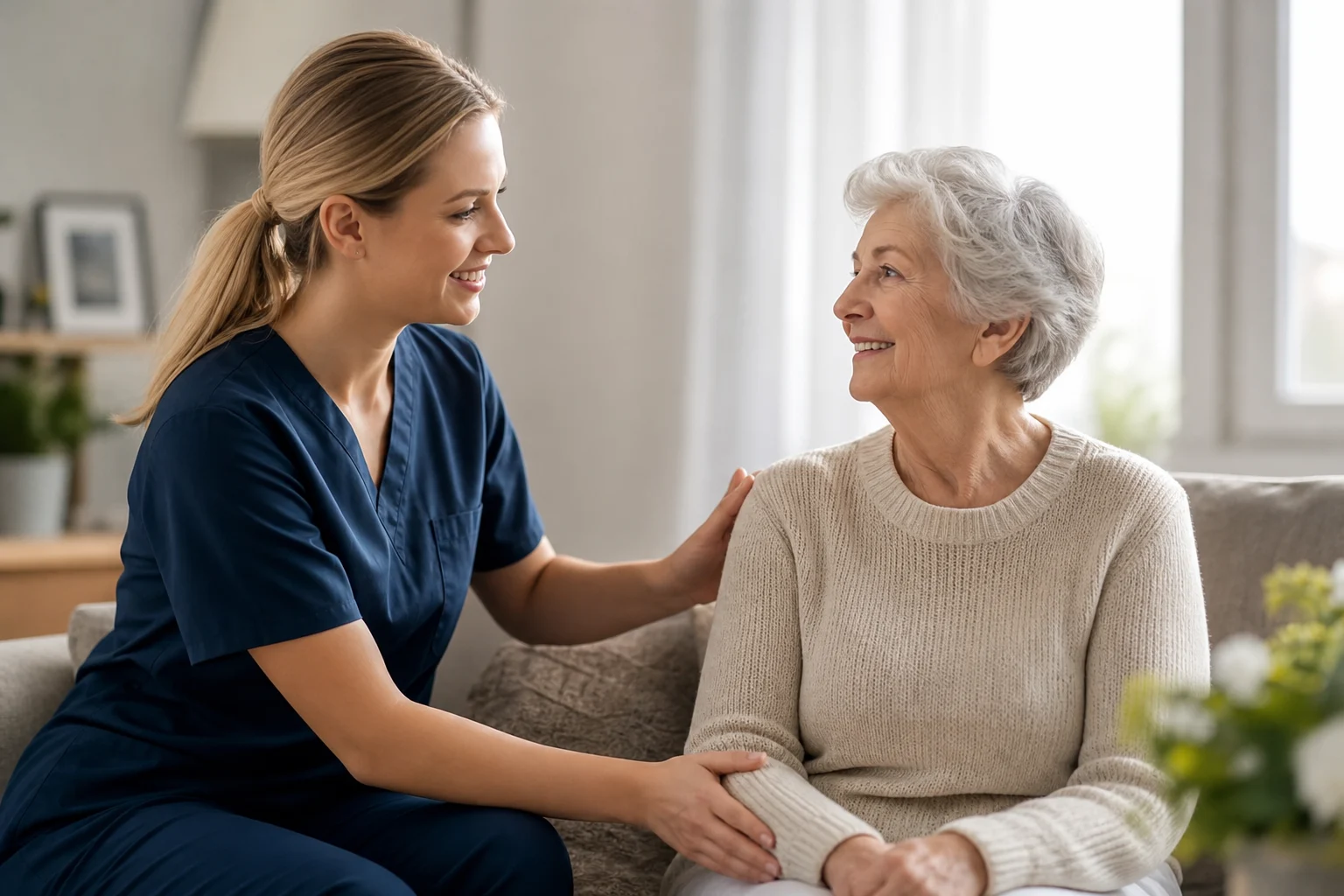
In-home companion care is designed to provide both assistance and companionship to elderly individuals or those in need of support. This service goes beyond just meeting physical needs; it also focuses on emotional support, making it a vital part of home health care. With a personal companion care approach, we help seniors maintain their dignity and quality of life in the comfort of their own homes.
Initial Assessments: The First Step
Before beginning any in-home companion care services, an initial assessment is essential. This process allows our team to understand the specific needs of your loved one and create a personalized care plan. During this assessment, we will:
- Evaluate Physical Needs: Assess any mobility issues, medical conditions, or daily living tasks that require assistance.
- Understand Emotional and Social Needs: Discuss interests, hobbies, and social activities that can enhance companionship for elderly clients.
- Involve Family Members: Encourage family participation in the assessment to ensure that all concerns and preferences are addressed.
This collaborative approach not only establishes a foundation for care but also helps build trust between our caregivers, the client, and their family. It ensures that we align our services with the expectations and needs of those involved.
To elaborate further on the initial assessment process, it is important to note that this is not merely a checklist of tasks; it is a comprehensive evaluation that fosters a deeper understanding of the individual’s lifestyle and preferences. Each assessment is tailored to the unique circumstances of the client and may include several critical components:
Comprehensive Health Evaluation
During the initial assessment, we conduct a thorough health evaluation to identify any existing medical conditions, medications, and potential health risks. This may involve reviewing medical history and current health status with the family or healthcare providers.
For instance, if your loved one has conditions such as diabetes, heart disease, or arthritis, we will gather information on their current management strategies and any specific challenges they face. Understanding these aspects allows us to tailor our in-home companion care services to ensure their safety and well-being.
Functional Assessment
Another crucial aspect of the initial assessment is the functional assessment. Here we evaluate the client’s ability to perform daily living activities, such as:
- Bathing and grooming
- Dressing and undressing
- Meal preparation
- Housekeeping tasks
- Medication management
This assessment helps us determine the level of support needed for each task. For example, a client who can manage personal hygiene but struggles with meal preparation may require a companion to assist with cooking while allowing them to maintain independence in other areas.
Social and Emotional Assessment
Understanding the emotional and social needs of your loved one is a vital part of the initial assessment. This involves exploring their interests, hobbies, and preferred social activities. We may ask questions such as:
- What hobbies or activities bring you joy?
- How often do you like to socialize?
- Are there any particular events or groups you would like to participate in?
For instance, if your loved one enjoys gardening, our caregivers can incorporate gardening activities into their routine, providing both companionship and engagement. This not only enhances their quality of life but also fosters a meaningful relationship with the caregiver.
Safety Assessment
Safety in the home environment is another critical component of the initial assessment. Our team will evaluate the living space to identify potential hazards that could lead to accidents or injuries. This may include:
- Assessing the need for mobility aids, such as walkers or grab bars
- Identifying tripping hazards like loose rugs or poor lighting
- Ensuring that emergency contact information is readily available
By addressing these safety concerns upfront, we can implement modifications and provide recommendations that enhance the safety of your loved one’s environment, making it easier for them to navigate their home comfortably.
Family Involvement and Communication
Involving family members in the assessment process is crucial. Open communication ensures that everyone’s concerns and preferences are heard and considered. We encourage family participation by:
- Scheduling assessment meetings at convenient times for family members
- Providing opportunities for family members to voice their observations and concerns
- Sharing our findings and recommendations transparently with the family
For example, family members may highlight specific routines or preferences that the client has, such as the time they prefer to eat or their favorite television shows. This information helps us create a more personalized and satisfactory care plan.
Creating a Personalized Care Plan
After completing the initial assessment, we develop a personalized care plan that outlines the specific services and support your loved one will receive. This plan serves as a roadmap for both caregivers and family members, detailing how we will meet the client’s physical, emotional, and social needs.
The care plan is not static; it is a living document that can be adjusted as the client’s needs change over time. Regular check-ins and updates ensure that our services remain aligned with their evolving requirements. We schedule periodic reviews with both the client and their family to discuss any changes in health, preferences, or lifestyle.
Building Trust and Rapport
The initial assessment is about building trust and rapport. It sets the stage for a positive caregiving relationship. Our caregivers take the time to connect with clients, fostering an environment where they feel comfortable and secure. This trust is essential for effective in-home companion care, as it encourages clients to communicate openly about their needs and preferences.
The initial assessment is a vital first step in the journey of in-home companion care. By thoroughly understanding the unique needs of your loved one, we can provide tailored support that enhances their quality of life and promotes independence. With a focus on collaboration, safety, and personalization, we strive to create a nurturing environment where your loved one can thrive.
Caregiver Introductions: Building Trust
Once the assessment is complete, we will introduce your loved one to their assigned caregiver. This introduction is a critical step in the in-home companion care process. We understand that comfort and familiarity with the caregiver can significantly impact the quality of care. During this introduction, we focus on:
- Personal Connections: The caregiver will engage in light conversation to establish rapport and help the client feel at ease.
- Discussing Care Plans: The caregiver will explain how they will assist with daily routines and any specific tasks outlined in the care plan.
- Gathering Feedback: We encourage clients and families to share their thoughts and preferences regarding the caregiver relationship.
At Ability Homes, we believe that a strong bond between the caregiver and the client is essential for effective companion care services. Our team is dedicated to fostering these relationships, ensuring that each client feels supported and respected.
The Benefits of In-Home Companion Care
Choosing in-home companion care services offers numerous advantages for both clients and their families. Some of the key benefits include:
- Personalized Support: Care plans are tailored to individual needs, ensuring that each client receives the specific support they require. This customization means that caregivers can focus on the unique preferences and routines of the individual, enhancing their comfort and overall satisfaction.
- Comfort of Home: Clients can remain in their familiar environment, which can significantly enhance their emotional well-being. Being in a known setting can reduce anxiety and confusion, especially for those suffering from memory-related issues such as dementia. The familiarity of home surroundings can also promote independence, allowing clients to engage in daily activities they enjoy, from gardening to reading in their favorite chair.
- Improved Quality of Life: Companion care services provide not only physical assistance but also companionship, reducing feelings of loneliness and isolation. Caregivers can engage clients in meaningful conversations, activities, and hobbies, promoting mental stimulation and emotional fulfillment. For example, a caregiver might assist a client in starting a new craft project or participating in a favorite game, fostering social interaction and engagement.
- Peace of Mind for Families: Knowing that a trained caregiver is providing support allows families to feel more at ease, especially when they cannot be present. Families can rest assured that their loved ones are not only receiving the necessary physical care but also emotional support, which is vital for mental health. Regular updates from caregivers can also help families stay informed about their loved one's wellbeing, further enhancing their peace of mind.
To these core benefits, in-home companion care services offer several other advantages that can significantly affect the quality of life for seniors and their families:
- Flexibility and Adaptability: In-home companion care services can easily adapt to changing needs. Whether a client requires more assistance due to a health decline or wants to engage more actively in social activities, caregivers can adjust their approach accordingly. This flexibility ensures that clients receive the appropriate level of care at all times.
- Cost-Effective Options: Compared to the costs associated with assisted living facilities or nursing homes, in-home companion care can be a more economical choice. Families can choose the level of care required, whether it’s full-time support or just a few hours a week, allowing them to manage their budgets while ensuring their loved ones receive the care they need.
- Fostering Independence: In-home companion care focuses on enabling clients to maintain their independence. Caregivers encourage clients to participate in their daily routines as much as possible, promoting autonomy. This approach not only empowers clients but also helps them maintain vital skills and confidence in their abilities.
- Enhanced Safety: One of the significant concerns for families with aging loved ones is safety. In-home companion care can address this by providing supervision and assistance with daily activities, reducing the risk of falls and accidents. Caregivers can help with mobility, medication reminders, and even home safety assessments to ensure the living environment is safe and accessible.
- Social Engagement: Many seniors experience social isolation, which can lead to depression and other health issues. In-home companions can help bridge this gap by providing social interaction, encouraging clients to engage in community activities, or simply spending time talking and sharing experiences. This social connection can be vital for emotional health and well-being.
- Support for Family Caregivers: Family members who take on the role of caregivers often face significant stress and burnout. In-home companion care can alleviate some of this burden by providing respite care. Family caregivers can take a much-needed break, knowing their loved one is in good hands, allowing them to recharge and maintain their own health and well-being.
- Health Monitoring and Coordination: Many in-home companion care services offer health monitoring as part of their package. Caregivers can help track vital signs, medication adherence, and changes in health status, ensuring that any concerns are addressed promptly. They can also assist in coordinating care with healthcare professionals, ensuring that clients receive comprehensive support tailored to their health needs.
- Enrichment Activities: Caregivers can facilitate various enrichment activities tailored to the interests of the client. This may include reading books, listening to music, taking walks, or participating in arts and crafts. Engaging in these activities can stimulate cognitive function and promote a positive outlook on life.
When considering in-home companion care, it’s essential to choose a reputable service that aligns with your loved one's needs and preferences. Look for providers that offer comprehensive assessments, trained caregivers, and a variety of services to meet changing requirements. Engaging with a service that values communication and feedback can significantly enhance the experience for both clients and families.
In-home companion care services represent a compassionate and practical solution for families seeking to improve the quality of life for their loved ones. The combination of personalized care, emotional support, and the comfort of home creates an environment where seniors can thrive. By investing in these services, families can ensure their loved ones receive the care they deserve while maintaining their dignity and independence.
The Benefits of In-Home Companion Care
Choosing in-home companion care services offers numerous advantages for both clients and their families. Some of the key benefits include:
- Personalized Support: Care plans are tailored to individual needs, ensuring that each client receives the specific support they require.
- Comfort of Home: Clients can remain in their familiar environment, which can significantly enhance their emotional well-being.
- Improved Quality of Life: Companion care services provide not only physical assistance but also companionship, reducing feelings of loneliness and isolation.
- Peace of Mind for Families: Knowing that a trained caregiver is providing support allows families to feel more at ease, especially when they cannot be present.