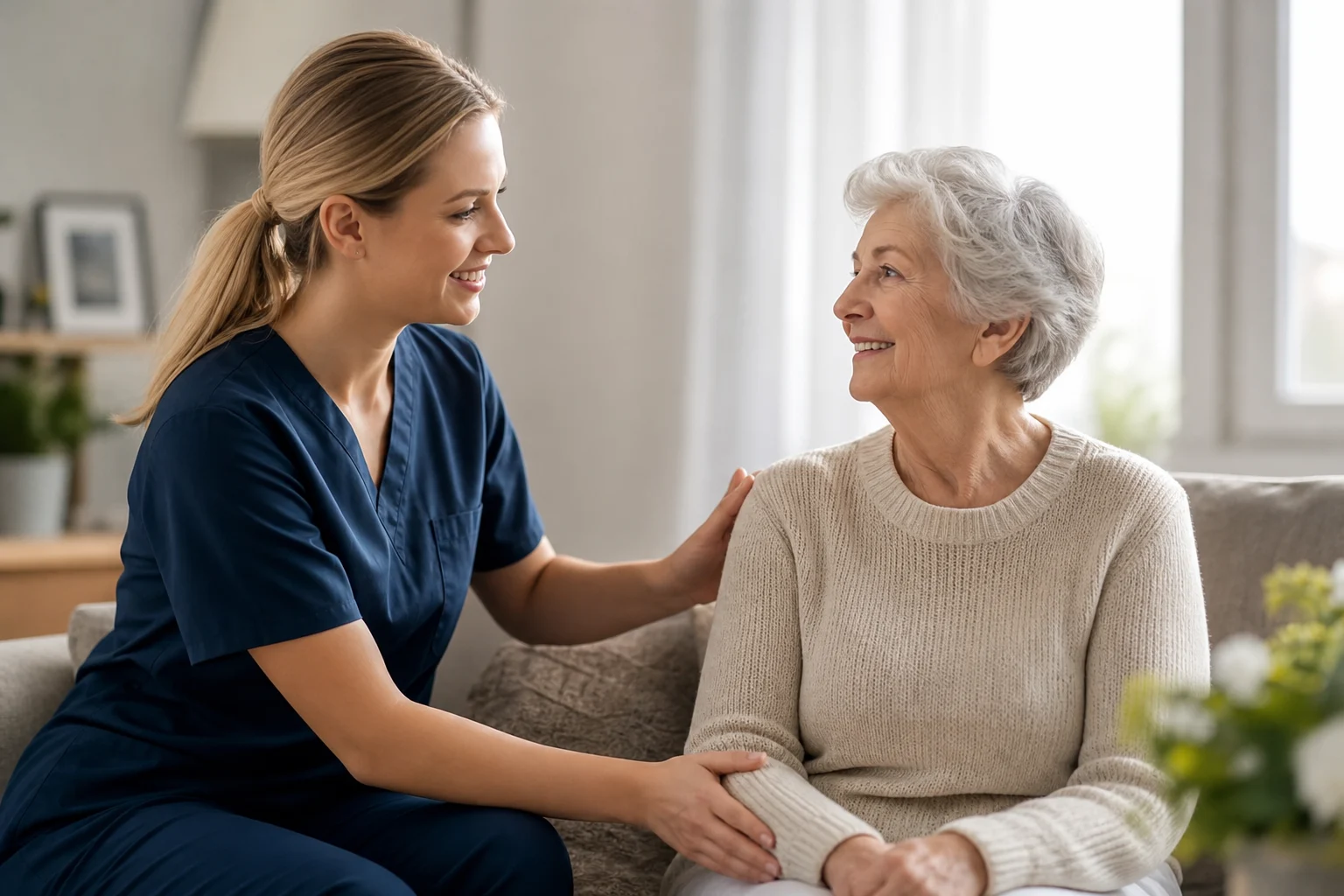
The Role of Professional Companion Caregivers in Home Health
As families consider options for their loved ones requiring assistance, the importance of professional companion caregivers in the realm of home health care cannot be overstated. These trained individuals play a crucial role in enhancing the quality of life for seniors and individuals who need help with daily living tasks. At Ability Homes, we understand the significance of in-home companion care, and our mission is to provide compassionate support tailored to the unique needs of each client.
Understanding the Responsibilities of Professional Companion Caregivers
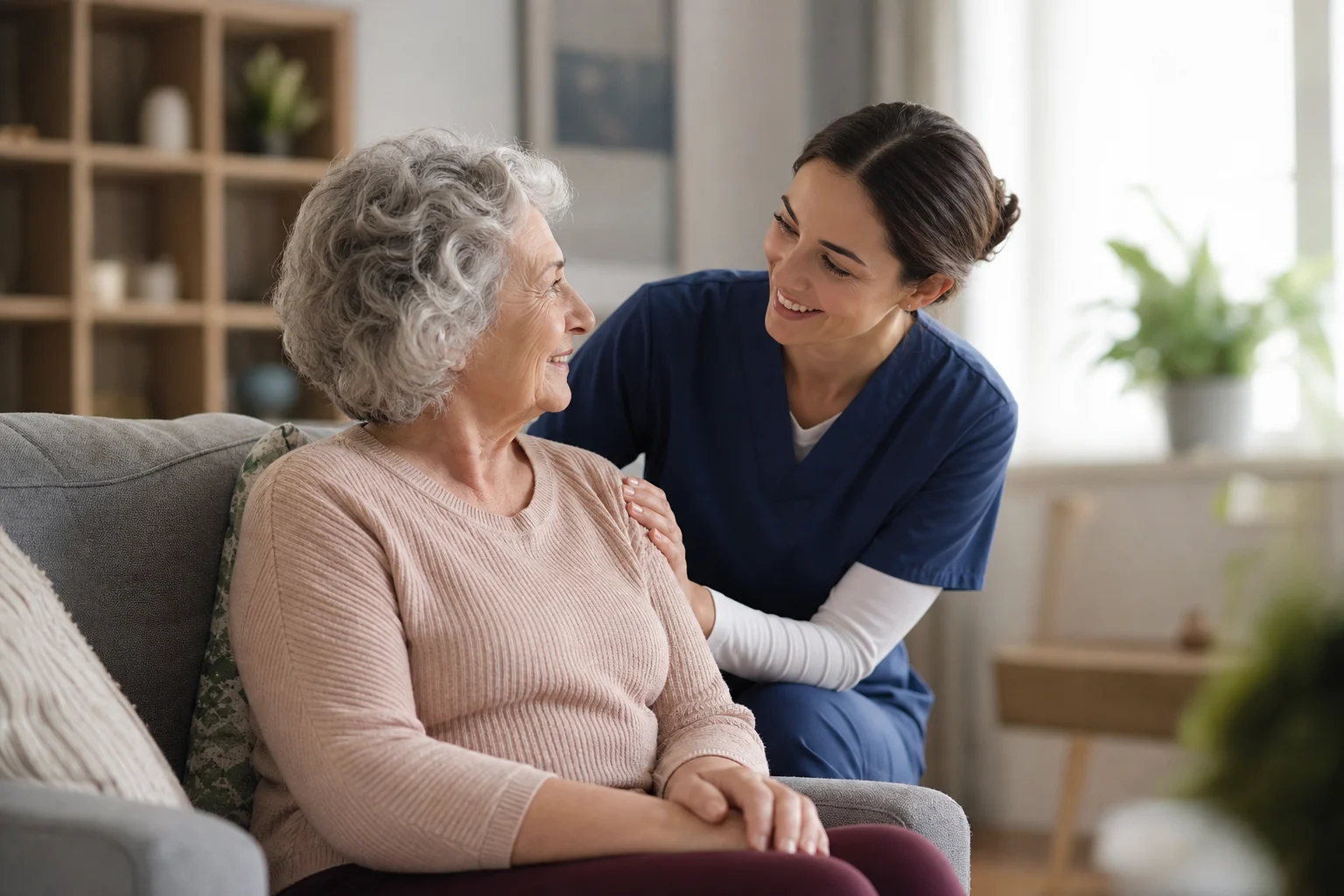
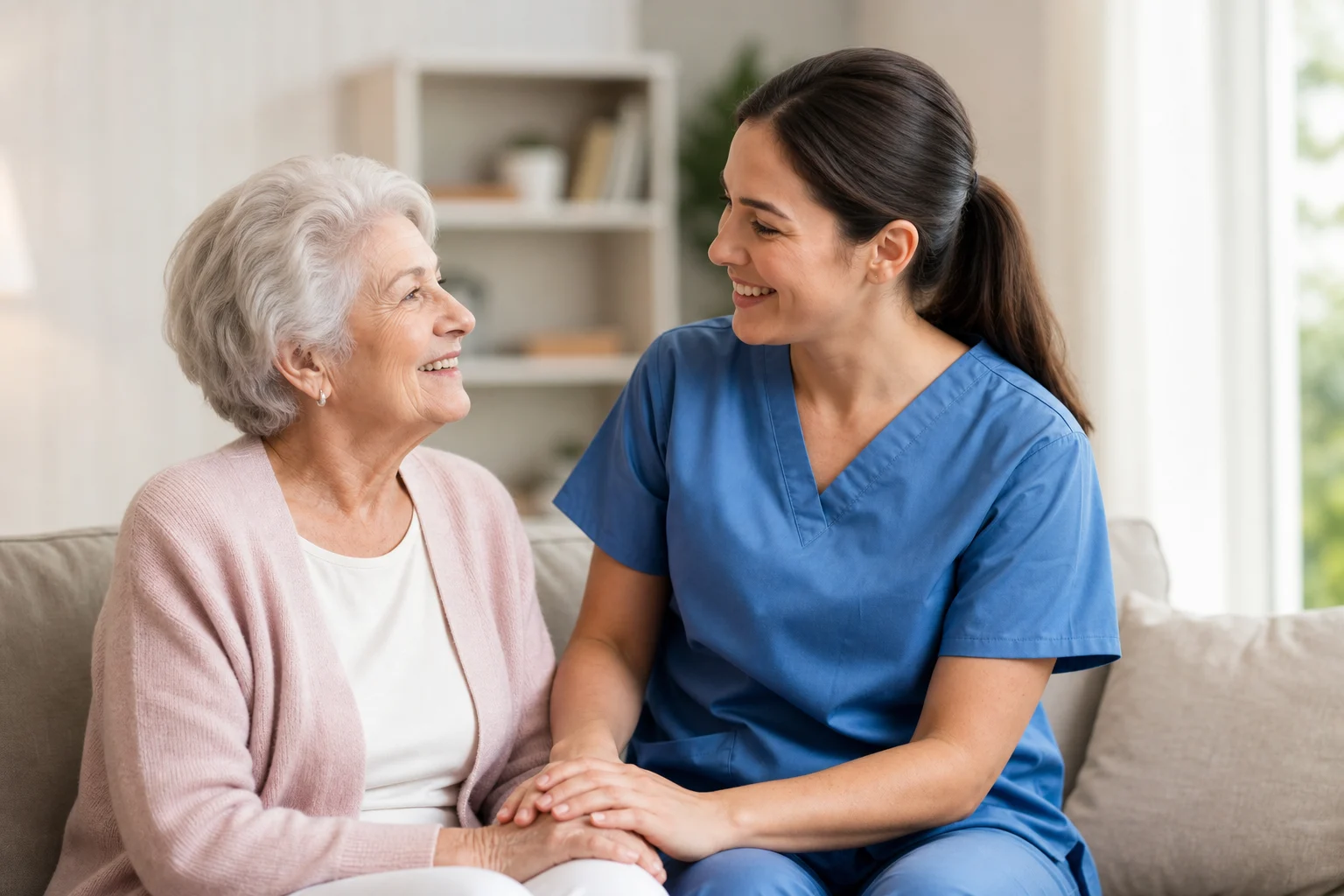
Professional companion caregivers are more than just aides; they are companions who provide emotional support and practical assistance. Their responsibilities typically include:
- Companionship for Seniors: Engaging clients in conversations, activities, or simply being present to alleviate feelings of loneliness.
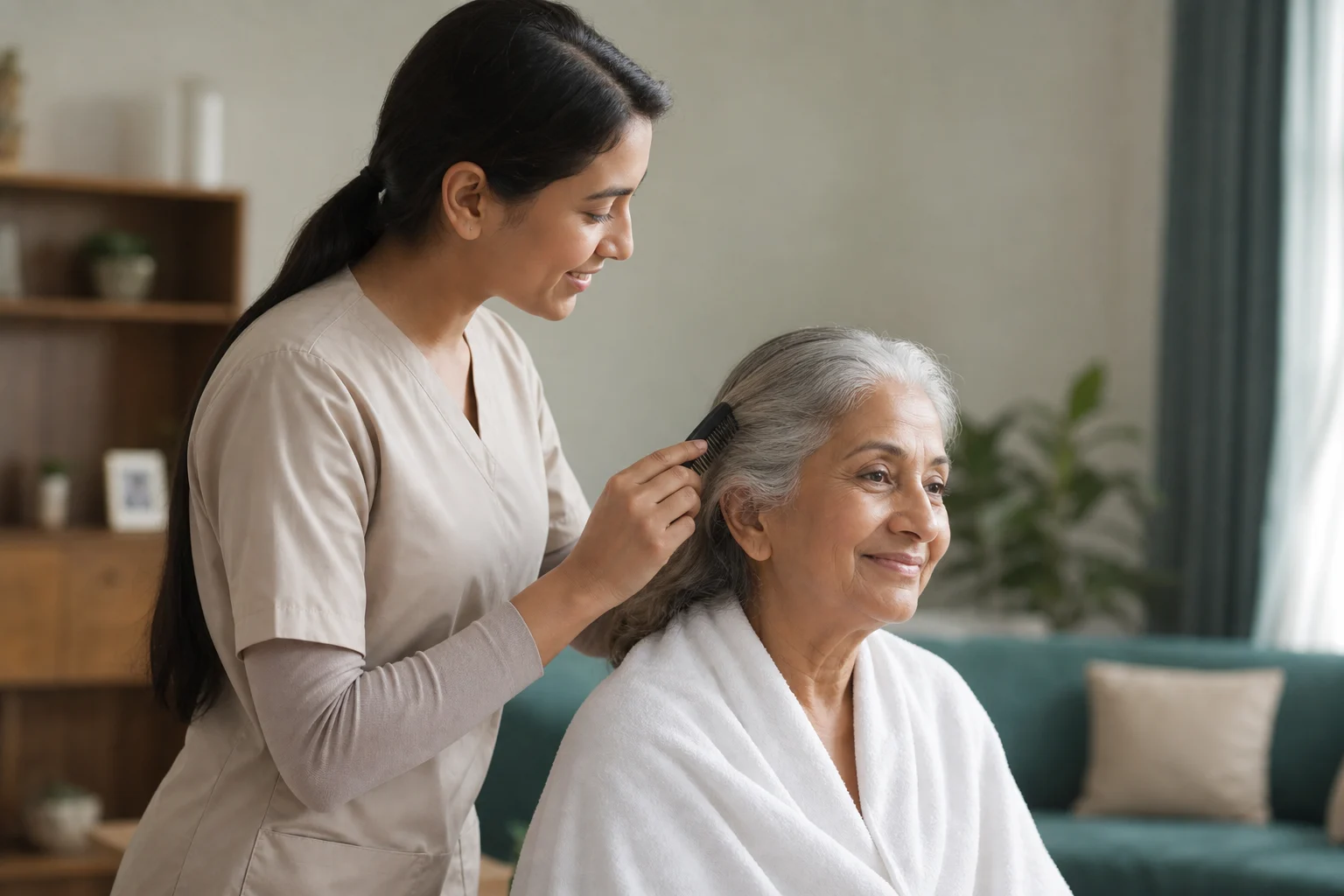
- Assistance with Daily Activities: Helping with tasks such as meal preparation, light housekeeping, and medication reminders.
- Transportation: Providing rides to appointments or social events, ensuring seniors maintain their independence.
- Monitoring Health: Keeping an eye on the client's well-being and reporting any changes to family members or healthcare professionals.
The role of a companion caregiver extends beyond physical tasks; they are often a vital emotional support system for seniors, helping to foster a sense of community and connection.
Training and Qualifications of Professional Companion Caregivers
One of the most crucial aspects of hiring a professional companion caregiver is their training. At Ability Homes, we prioritize finding caregivers who are not only compassionate but also well-trained. Here are some key components of their training:
- Understanding Senior Needs: Caregivers are trained to understand the physical and emotional needs of seniors, enabling them to provide appropriate support.
- Safety Protocols: They learn essential safety measures to protect clients and themselves, particularly in emergency situations.
- Communication Skills: Effective communication is critical, as caregivers must interact with seniors, families, and healthcare professionals.
- Compassionate Care Techniques: Training includes methods for engaging seniors in a respectful and encouraging manner, enhancing their dignity and self-esteem.
By ensuring our caregivers have comprehensive training, we help families feel confident in the care their loved ones receive.
The Impact of Companion Care on Seniors
The impact of having a professional companion caregiver can be profound. Many families may wonder how these services truly benefit seniors. Here are some of the significant impacts:
- Enhanced Quality of Life: Regular companionship can lead to improved mental health, reducing feelings of isolation and depression. For instance, studies have shown that seniors who engage in social activities report higher levels of happiness and life satisfaction. Professional companion caregivers often initiate conversations, share stories, and even partake in hobbies with seniors, fostering a sense of belonging and purpose that is crucial at this stage of life.
- Increased Independence: With assistance in daily tasks, seniors can maintain their independence and continue living in their own homes. Professional companion caregivers can help with meal preparation, laundry, and light housekeeping, which allows seniors to focus on the activities they enjoy. This support not only boosts their confidence but also helps preserve their dignity, enabling them to live life on their own terms.
- Better Physical Health: Caregivers encourage participation in physical activities and ensure medication is taken on time, contributing to better overall health. For example, a companion caregiver might accompany a senior on walks, assist them in stretching exercises, or even engage them in light aerobics tailored to their ability. Such activities can improve mobility and flexibility, which are vital for preventing falls—a leading cause of injury in older adults.
- Peace of Mind for Families: Families can feel reassured knowing their loved ones are receiving appropriate care and companionship. This peace of mind is invaluable, especially for family members who live far away or have demanding jobs. Knowing that a professional is there to monitor their loved ones’ well-being allows families to focus on their own responsibilities without the constant worry about their parents or grandparents.
Beyond these significant impacts, the role of professional companion caregivers encompasses a range of additional benefits that further enhance the lives of seniors:
- Personalized Care: Each senior has unique needs and preferences. Professional companion caregivers tailor their services to fit these individual requirements. This could mean preparing favorite meals, engaging in specific hobbies, or following particular routines that the senior is accustomed to. Such personalized attention not only improves their overall experience but also strengthens the bond between the caregiver and the senior.
- Emotional Support: Many seniors experience emotional challenges as they age, including grief from the loss of friends or family. Companion caregivers provide a listening ear, offering emotional support that can be incredibly healing. A caregiver might encourage storytelling, reminiscence therapy, or even facilitate connections with local support groups, helping seniors navigate their feelings.
- Safety Awareness: Professional companion caregivers are trained to recognize and address hazards in the home. They can identify potential risks that seniors may overlook, such as cluttered walkways or inadequate lighting. By creating a safer living environment, caregivers help prevent accidents, which can lead to serious injuries. They also remain vigilant about health changes, reporting any concerning symptoms to family members or medical professionals promptly.
- Social Engagement: Many companion caregivers help seniors engage with their communities by facilitating outings to local events, parks, or even simply visiting friends and family. These outings can be enriching experiences that combat loneliness and provide stimulating activities outside the home.
- Support with Technology: In today's digital age, technology plays a significant role in staying connected. Professional companion caregivers assist seniors in using smartphones, tablets, or computers to communicate with loved ones via video calls, access information online, or even participate in virtual community activities. This can help seniors feel more connected and involved in the world around them.
At Ability Homes, we have witnessed firsthand how professional companion caregivers transform lives, helping seniors thrive in their own homes. We understand that each senior is unique, and our caregivers are trained to adapt their approaches to meet the varying needs of those in their care. This adaptability is key to fostering trust and rapport, which are vital components of effective caregiving.
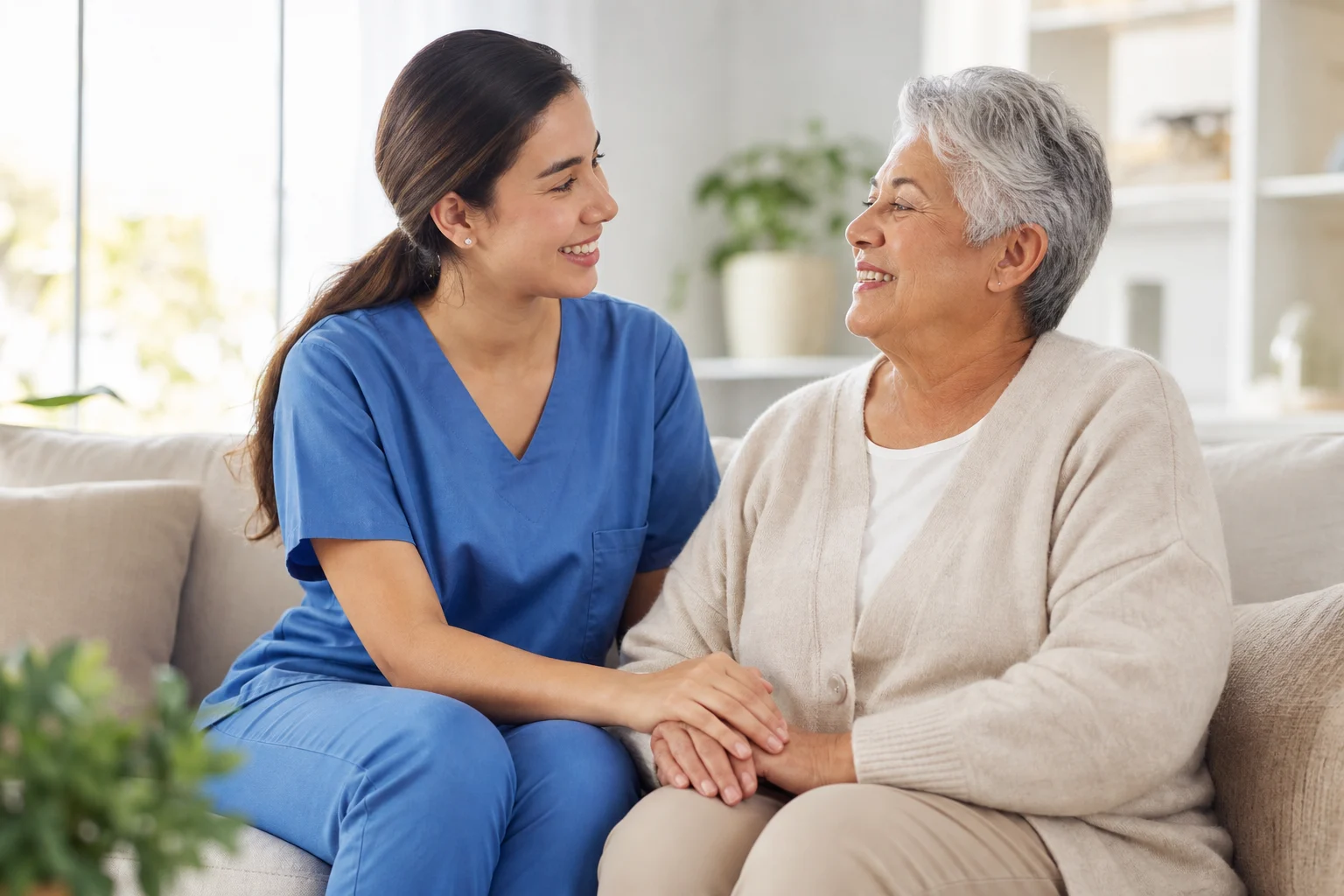
The relationship between seniors and their companion caregivers often evolves into a meaningful friendship. This bond can significantly enhance the emotional well-being of seniors, providing them with joy and companionship that combats feelings of loneliness. For many, their caregiver becomes a vital part of their daily routine, someone they look forward to seeing and spending time with.
The impact of professional companion caregivers on seniors extends far beyond basic assistance. They play a crucial role in enhancing quality of life, promoting independence, and improving both physical and emotional health. This comprehensive support system is invaluable not only for seniors but also for their families, providing reassurance and peace of mind. Investing in professional companion care is not just about assistance; it’s about enriching lives and ensuring that seniors can enjoy their golden years with dignity and joy.
Choosing the Right Companion Care Services
When selecting companion care services, it’s essential to consider a few key factors:
- Assessing Needs: Families should assess the specific needs of their loved ones to find the right level of care.
- Reputation of the Provider: Researching the provider’s reputation and reviews can provide valuable insights into the quality of care they offer.
- Flexibility of Services: Look for services that can adapt to changing needs, ensuring continuity of care as circumstances evolve.
- Personal Connection: It’s essential for seniors to feel comfortable with their caregivers, so finding a match that fosters a good relationship is crucial.
At Ability Homes, we pride ourselves on matching clients with caregivers who not only meet their care needs but also connect with them on a personal level, fostering trust and comfort.