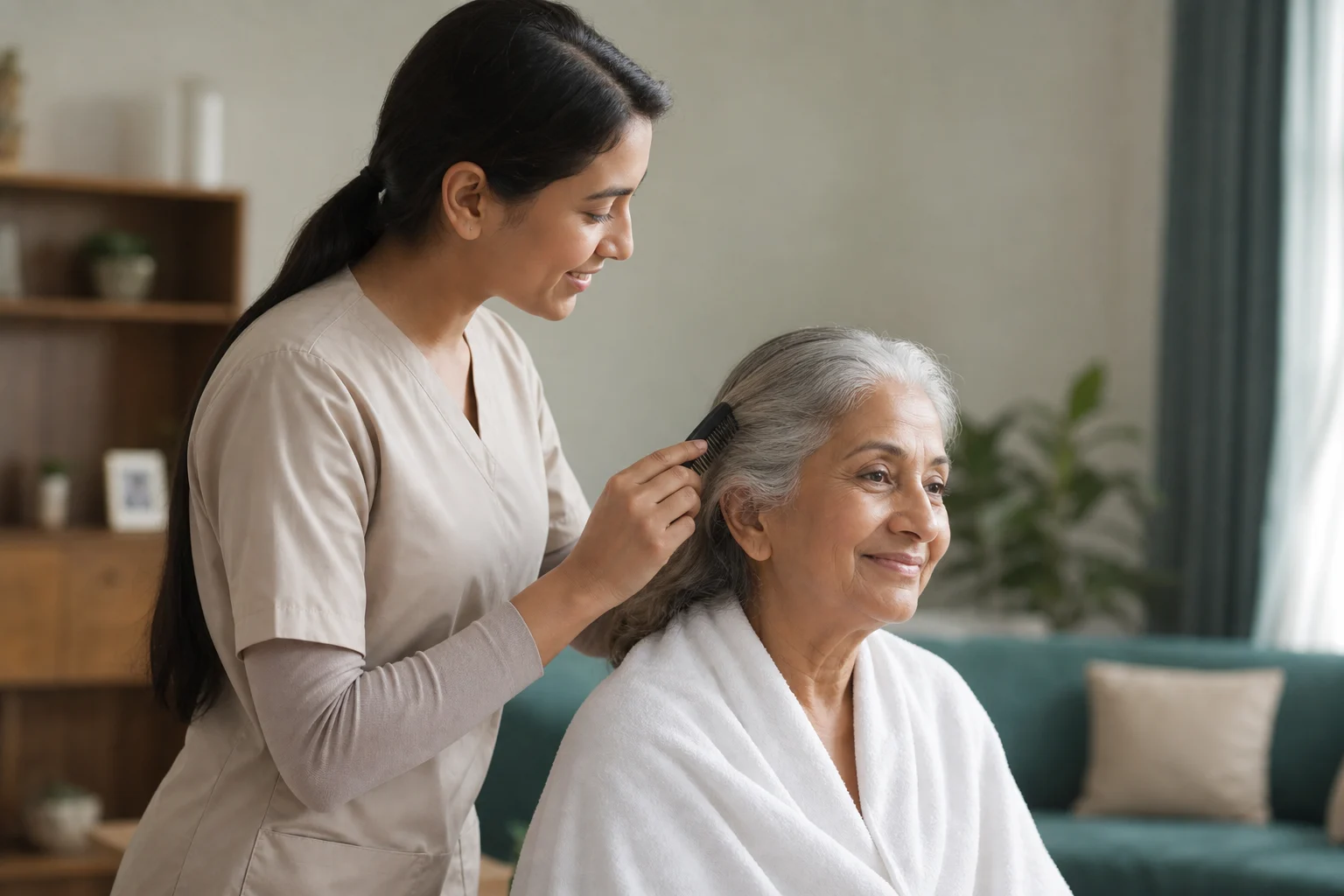
The Importance of Social Interaction for Seniors
As we age, the significance of social interaction becomes increasingly evident. For seniors, companionship is not merely a luxury; it is a vital component of a healthy, fulfilling life. The need for socialization transcends simple conversation; it encompasses emotional support, shared experiences, and communal activities that can greatly enhance well-being. At Ability Homes, we understand the importance of companionship for the elderly and how our dedicated companion care services can meet these essential needs.
The Impact of Loneliness on Seniors
Loneliness is a pervasive issue among older adults, and its ramifications can be severe. Studies indicate that loneliness can lead to a range of physical and mental health problems, including:
- Depression: Isolation can exacerbate feelings of sadness and hopelessness, leading to clinical depression.
- Increased Health Risks: Studies have shown that loneliness can be as detrimental to health as smoking or obesity, contributing to conditions like heart disease and high blood pressure.
- Cognitive Decline: Engaging socially is crucial for maintaining cognitive functions. Lack of interaction can accelerate memory loss and other cognitive impairments.
- Decreased Mobility: Seniors who feel lonely may become less active, leading to physical decline and increased dependency.
Recognizing and addressing loneliness is crucial for enhancing the quality of life for seniors. Companion care services can play an essential role in mitigating these feelings by providing the social interaction that is so desperately needed.
Social Activities Offered by Companion Care
At Ability Homes, our companion care services are designed to foster social connections and provide engaging activities tailored to the preferences of our clients. Here are some of the social activities that our professional companion caregivers can facilitate:
- Conversation and Storytelling: Engaging in meaningful conversations can help seniors feel valued and heard. Our caregivers encourage sharing life stories and experiences, which can foster a sense of connection.
- Group Outings: Whether it’s a trip to a local park, a visit to a museum, or attending community events, outings can provide stimulating environments that promote interaction.
- Games and Puzzles: Playing games or solving puzzles together not only entertains but also stimulates cognitive functions, making it a fun and beneficial activity.
- Arts and Crafts: Creative activities can be a wonderful outlet for expression. Our caregivers can assist seniors in engaging in arts and crafts, providing both a social and therapeutic experience.
- Book Clubs and Discussions: For those who enjoy reading, participating in book clubs can be an excellent way to socialize while sharing insights about literature.
- Cooking Together: Preparing meals together can be a delightful activity that encourages conversation and collaboration while also promoting healthy eating habits.
These activities not only provide essential socialization but also help seniors maintain their independence and engage with their communities. Companion care is not just about assistance; it is about creating connections that enrich lives.
The Benefits of Social Interaction for Seniors
The benefits of social interaction extend beyond mere companionship. Engaging with others can lead to significant improvements in both mental and physical health. Here are some key benefits:
- Improved Mental Health: Regular social interaction can combat feelings of isolation and depression. It fosters a sense of belonging and purpose, which is vital for emotional well-being.
- Enhanced Cognitive Function: Social engagement has been linked to improved cognitive performance. Activities that involve communication and interaction can help keep the mind sharp.
- Physical Health Benefits: Seniors who socialize regularly are more likely to engage in physical activities, which can lead to better overall health and lower risks of chronic illnesses.
- Increased Longevity: Studies suggest that seniors with strong social ties tend to live longer, healthier lives. Companionship can provide the support needed to navigate the challenges of aging.
- Boosted Self-Esteem: Having someone to share experiences with can enhance self-worth and confidence. Companionship fosters mutual respect and validation.
At Ability Homes, we prioritize the social needs of our clients. By offering affordable companion care services, we aim to create an environment where seniors can thrive socially, emotionally, and physically.
How Ability Homes Supports Social Interaction
Ability Homes is committed to providing exceptional home health care services tailored to the unique needs of seniors in Brooklyn Park, MN. Our professional companion caregivers are trained to recognize the importance of social interaction and the role it plays in enhancing the quality of life for our clients. Here’s how we support social interaction:
- Personalized Care Plans: We assess each client’s preferences and needs to develop a customized care plan that emphasizes social activities and companionship.
- 24/7 Support: Our caregivers are available around the clock, ensuring that seniors have companionship whenever they need it, whether it’s during the day or night.
- Community Engagement: We encourage our clients to participate in local events and activities, fostering connections within the community and reducing feelings of isolation.
- Family Involvement: We believe in keeping families informed and involved in the care process, which can enhance the social interactions between seniors and their loved ones.
By integrating social interaction into our companion care services, we strive to improve the overall well-being of our clients. Our goal is to empower seniors to lead fulfilling lives, surrounded by companionship and support.
Reaching Out for Companion Care Services
If you are concerned about the social well-being of a senior loved one, consider reaching out to Ability Homes for professional companion care services. Our dedicated team is here to provide the companionship and support that can transform lives. With our expert caregivers, your loved one can enjoy meaningful interactions, engage in enjoyable activities, and experience the emotional benefits of companionship.
Don’t let loneliness become a barrier to quality of life. Contact us today to learn more about our affordable companion care options and how we can help enhance the social interactions of seniors in Brooklyn Park, MN. Together, we can create a supportive community that values connection and companionship.
The importance of social interaction for seniors cannot be overstated. Companionship for the elderly is essential for maintaining mental health, cognitive function, and overall well-being. At Ability Homes, we are dedicated to providing compassionate home health care services that prioritize social engagement and foster meaningful connections. Let us help your loved ones thrive in their golden years.
The Benefits of Social Interaction for Seniors
Engaging in social activities can yield a multitude of benefits for seniors, not only enhancing their emotional well-being but also contributing to their overall health. Here are some key advantages:
- Improved Mental Health: Regular social interaction helps reduce feelings of anxiety and depression. It fosters a sense of belonging and purpose, which can significantly enhance mood.
- Enhanced Cognitive Function: Participating in conversations and group activities stimulates the brain, helping to maintain cognitive abilities and potentially slowing down cognitive decline.
- Better Physical Health: Socially active seniors are often more physically active as well. Engaging in community activities can motivate them to stay active, promoting better cardiovascular health and overall fitness.
- Increased Longevity: Studies suggest that seniors who maintain strong social ties may live longer than those who are isolated. The emotional support received from friends and family can lead to healthier lifestyle choices.
Common Barriers to Social Interaction for Seniors
Despite the significant benefits of social interaction, many seniors face barriers that can inhibit their ability to connect with others. Understanding these challenges is crucial for providing effective support:
- Physical Limitations: Mobility issues or chronic health conditions can make it difficult for seniors to attend social events or engage in activities outside their homes.
- Transportation Challenges: Lack of reliable transportation can limit seniors' ability to visit friends or participate in community events, leading to increased isolation.
- Loss of Peers: The death of friends or family can leave seniors feeling lonely and disconnected, making it harder for them to form new relationships.
- Technological Barriers: In an increasingly digital world, some seniors may struggle with technology, limiting their ability to connect with others online.
Strategies to Encourage Social Interaction
Here are several effective strategies that caregivers and family members can implement to help seniors overcome barriers to social interaction:
1. Create a Supportive Environment
Encourage family members and friends to visit regularly, fostering a sense of community and support. A warm and inviting home environment can make seniors feel more comfortable inviting others over.
2. Leverage Technology
Teach seniors how to use technology, such as video calls and social media platforms, to stay connected with loved ones who live far away. Regular virtual check-ins can help bridge the gap and reduce feelings of isolation.
3. Organize Group Activities
Plan regular social gatherings, such as game nights, potlucks, or book clubs, where seniors can meet and interact with others. Consider partnering with local community centers or libraries to host events.
4. Encourage Volunteering
Volunteering not only provides a sense of purpose but also allows seniors to meet new people. Encourage them to participate in local volunteer opportunities that align with their interests.
5. Promote Physical Activities
Encourage participation in group exercise classes, walking clubs, or gardening groups. Physical activity can be a great way to meet others while promoting health.
Real-Life Examples of Successful Companion Care
At Ability Homes, we have witnessed numerous success stories where our companion care services have significantly improved the quality of life for seniors. Here are a few inspiring examples:
Example 1: Mrs. Thompson’s Weekly Book Club
Mrs. Thompson, an avid reader but new to the community, felt isolated after moving. Our caregiver helped her start a weekly book club, inviting neighbors to join. This not only rekindled her love for reading but also helped her establish friendships with others in the area.
Example 2: Mr. Smith’s Gardening Group
Mr. Smith loved gardening but found it difficult to engage with others due to mobility issues. Our caregiver assisted him in organizing a gardening group at a local community garden, where he met fellow gardening enthusiasts. This initiative not only enriched his social life but also encouraged him to remain active.
Example 3: Community Outings for Social Engagement
Our caregivers regularly organize outings for seniors to local attractions, such as museums and parks. One notable trip to an art exhibit led to a group of seniors forming lasting friendships, who now regularly meet for coffee and discussions about art and culture.
How Family Members Can Support Social Interaction
Family members play a crucial role in encouraging seniors to engage socially. Here are some practical ways to provide support:
- Regular Check-Ins: Make it a habit to call or visit regularly. Even a short conversation can lift spirits and reinforce connections.
- Involve Them in Family Activities: Include seniors in family gatherings and outings, ensuring they feel included and valued.
- Encourage New Friendships: Introduce them to your friends or neighbors, helping them expand their social circle.
- Be Patient and Understanding: Understand that forming new relationships can take time. Encourage them gently and celebrate their efforts.
The Role of Companion Care Services
Companion care services, like those offered by Ability Homes, are designed to provide the necessary support for seniors to thrive socially. Our trained caregivers not only assist with daily tasks but also actively engage clients in meaningful social interactions. Here’s how we make a difference:
- Personalized Care Plans: Each client receives a tailored care plan that includes their social preferences and interests, ensuring activities are enjoyable and relevant.
- Trained Companions: Our caregivers are trained to recognize signs of loneliness and are equipped with strategies to promote social engagement.
- Flexible Scheduling: We offer flexible scheduling options, allowing seniors to engage in activities that fit their lifestyle.
- Community Connections: We have established relationships with local organizations, providing our clients access to a variety of community events and activities.