How In-Home Companion Care Enhances Daily Living
As our loved ones age, many families find themselves facing the challenge of ensuring their safety, comfort, and overall well-being. One effective solution to this challenge is in-home companion care. This type of care not only focuses on assisting seniors with daily tasks but also provides essential emotional support that enhances their quality of life. At Ability Homes, we understand the importance of tailored care, and we are dedicated to providing exceptional home health care services that promote independence and happiness for seniors in Brooklyn Park, MN.
Understanding In-Home Companion Care
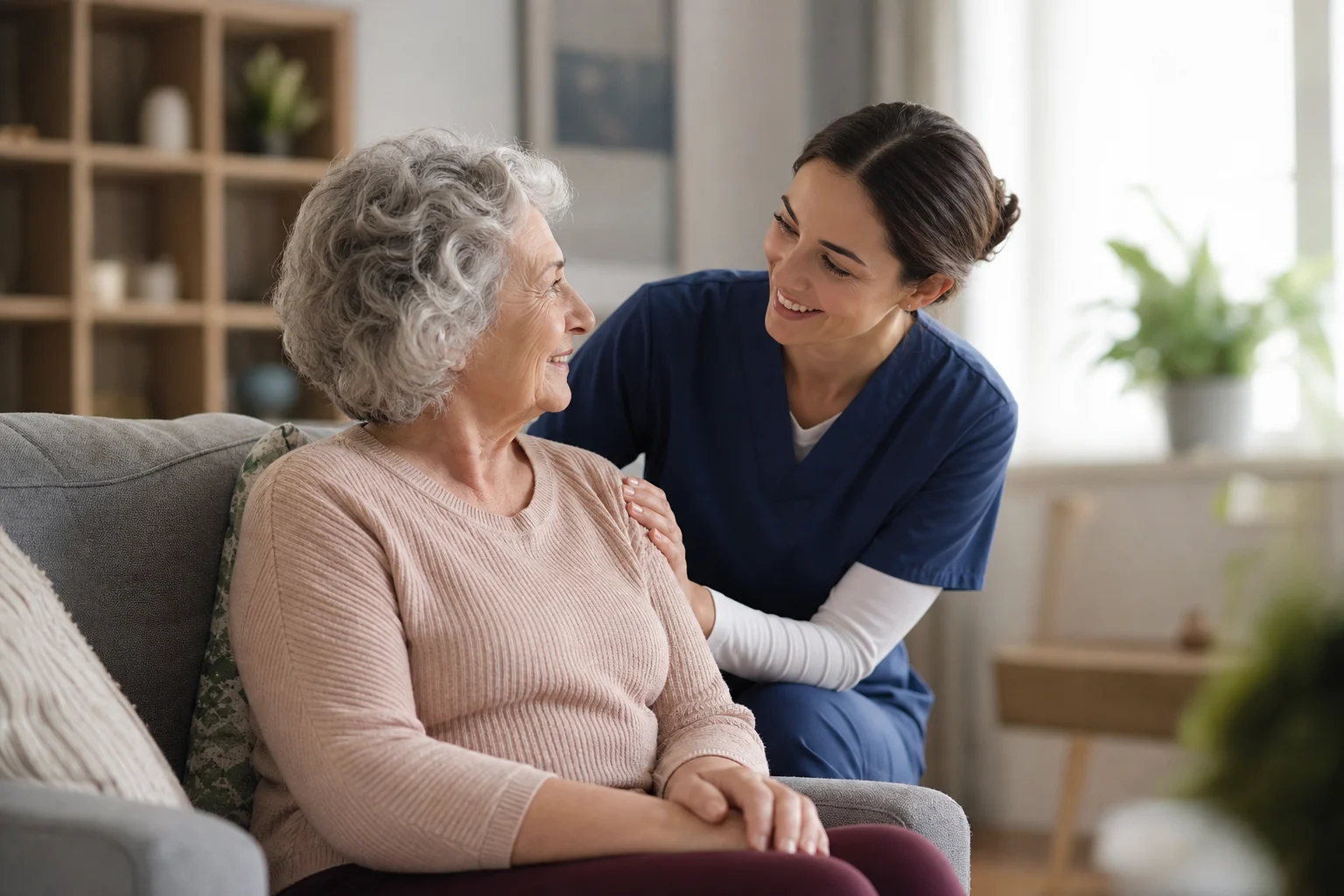
In-home companion care encompasses a range of services designed to assist seniors in their daily activities while also providing companionship. This form of care is ideal for those who may not require full-time medical assistance but still need some support to live comfortably and safely at home.
Professional companion caregivers play a crucial role in this setting. They are trained not only to help with practical tasks but also to engage with clients on a personal level, fostering relationships that can significantly improve a senior's emotional well-being. The responsibilities of a companion caregiver may include:
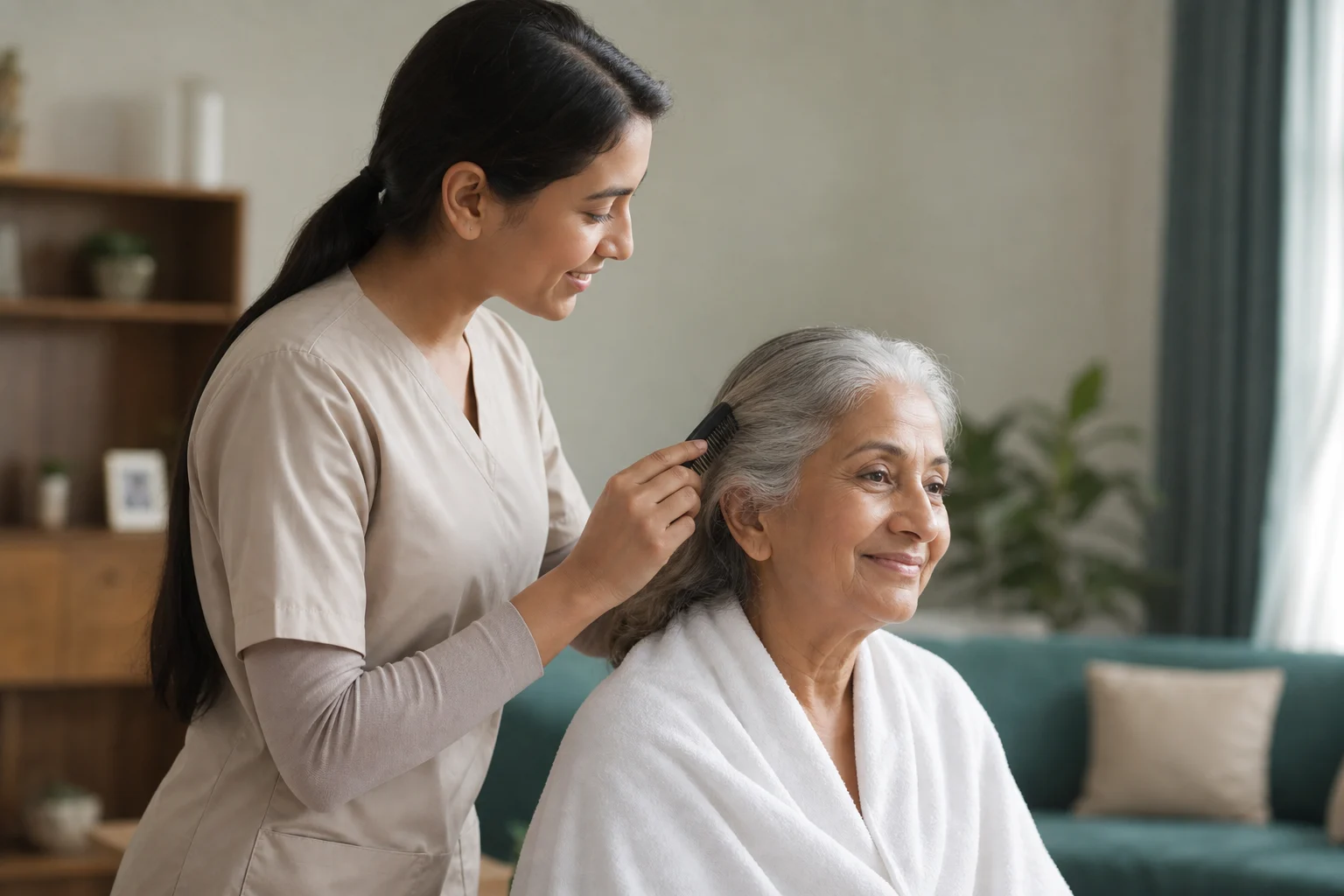
- Assisting with daily living activities such as bathing, dressing, and grooming.
- Providing transportation for errands or appointments.
- Preparing meals and assisting with dietary needs.
- Engaging in meaningful conversations and activities to combat loneliness.
- Helping with light housekeeping tasks to maintain a safe and clean living environment.
Enhancing Daily Living through Personal Companion Care
One of the primary benefits of in-home companion care is its ability to enhance daily living for seniors. This support can help them maintain their independence while ensuring they have assistance when needed. Here are some specific ways that personal companion care can make a difference:
1. Assistance with Daily Tasks
As seniors age, certain daily tasks can become challenging. Simple activities such as cooking, cleaning, or even personal hygiene may require additional support. In-home companion care provides the necessary help to manage these tasks, allowing seniors to focus on enjoying their day-to-day lives without the burden of overwhelming responsibilities.
2. Promoting Emotional Well-Being
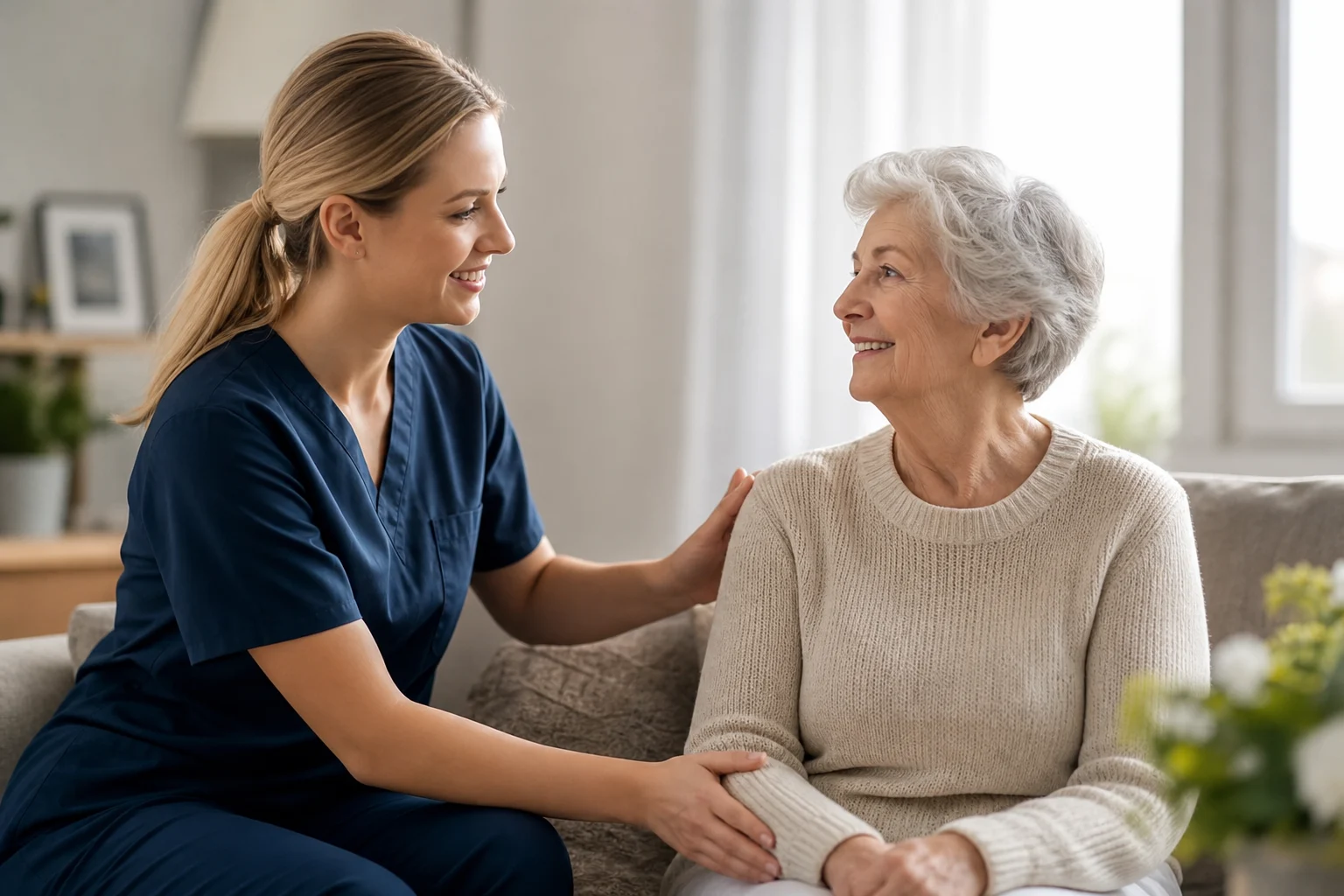
Loneliness and isolation can be serious issues for seniors, particularly those living alone. In-home companion care addresses these concerns by providing companionship. Caregivers engage in conversations, participate in activities, and provide a listening ear, which can significantly improve a senior’s emotional health. The presence of a caregiver can alleviate feelings of loneliness, fostering a sense of community and connection.
3. Encouraging Social Interaction
To providing companionship, caregivers encourage seniors to engage in social activities. Whether it’s joining a local senior group, participating in community events, or simply going for a walk in the neighborhood, caregivers facilitate opportunities for social interaction. This not only helps to reduce feelings of isolation but also promotes mental sharpness and emotional stability.
The Role of Professional Companion Caregivers
Professional companion caregivers are trained to provide support that goes beyond mere task completion. They are equipped to handle various situations with empathy and understanding, ensuring that the needs of seniors are met holistically. Here are some key aspects of their roles:
1. Building Trusting Relationships
A strong bond between the caregiver and the client is essential for effective in-home companion care. Caregivers take the time to get to know their clients, understanding their preferences, hobbies, and routines. This personalized approach not only makes the senior feel valued but also enhances the overall caregiving experience.
2. Monitoring Health and Safety
While companion caregivers are not medical professionals, they play a crucial role in monitoring the health and safety of their clients. They can help track medication schedules, observe any changes in health status, and communicate these observations to family members or healthcare providers as needed. This vigilance ensures that any potential issues are addressed promptly.
3. Providing Peace of Mind for Families
Family members often worry about the well-being of their aging loved ones, especially if they live far away or have busy schedules. In-home companion care offers peace of mind, knowing that a professional caregiver is there to support their loved one. This reassurance allows families to focus on their own lives while trusting that their loved one is receiving the care and companionship they need.
Additional Benefits of In-Home Companion Care
Beyond the immediate support provided, in-home companion care offers several long-term benefits that can significantly impact a senior’s quality of life:
1. Maintaining Independence
Many seniors prefer to age in place, maintaining their independence as much as possible. In-home companion care allows them to do just that. By providing assistance with daily tasks, caregivers enable seniors to live in their own homes longer, avoiding the need for relocation to assisted living facilities or nursing homes.
2. Customizable Care Plans
Every individual has unique needs and preferences. In-home companion care can be tailored to meet these specific requirements. At Ability Homes, we work closely with families to develop personalized care plans that address the particular challenges faced by their loved ones. This flexibility ensures that each client receives the most appropriate care for their situation.
3. Enhancing Quality of Life
In-home companion care is about improving the overall quality of life for seniors. By providing support, companionship, and encouragement, caregivers help seniors enjoy their lives to the fullest. This enhanced quality of life can lead to better physical health, improved emotional well-being, and a more fulfilling daily routine.
How Ability Homes Supports Families in Brooklyn Park, MN
At Ability Homes, we are committed to providing compassionate home health care services that enhance the lives of seniors. Our team of professional companion caregivers is dedicated to supporting families in Brooklyn Park, MN, ensuring that their loved ones receive the care and attention they deserve. Our services include:
- 24/7 support and supervision to ensure safety and comfort.
- Nursing services for medical needs.
- Daily personal care tailored to individual requirements.
We understand that navigating the world of home health care can be overwhelming. Our knowledgeable team is here to guide families through the process, answering any questions and providing the necessary support to make informed decisions about their loved ones' care.
Contact Us for More Information
If you are seeking reliable in-home companion care for a loved one in Brooklyn Park, MN, look no further than Ability Homes. Our dedicated team is ready to provide the support and companionship that enhances daily living for seniors. Reach out to us today to learn more about our services and how we can assist your family in ensuring the best quality of life for your loved one.
In community events, or simply going for walks in the neighborhood, caregivers help seniors stay connected with the outside world. This social interaction is crucial for maintaining mental sharpness and reducing feelings of isolation.
Additional Benefits of In-Home Companion Care
Beyond the immediate advantages of assistance and companionship, in-home companion care offers several long-term benefits that can significantly improve the quality of life for seniors. Here are some of these benefits:
1. Customized Care Plans
In-home companion care is not a one-size-fits-all solution. Caregivers work closely with families to create personalized care plans tailored to the specific needs and preferences of the senior. This customization ensures that the care provided is relevant and effective. Factors considered in these plans include:
- Health Conditions: Understanding any medical conditions that require special attention.
- Personal Preferences: Taking into account the senior's daily routines and favorite activities.
- Family Involvement: Involving family members in the care planning process to ensure everyone is on the same page.
2. Safety and Fall Prevention
One of the most significant concerns for aging adults is the risk of falls and accidents at home. In-home companion caregivers are trained to identify potential hazards and implement safety measures. They can help with:
- Removing tripping hazards such as loose rugs and clutter.
- Ensuring proper lighting in all areas of the home.
- Using mobility aids and assisting with safe movement around the house.
By focusing on safety, caregivers not only provide physical assistance but also offer peace of mind to families concerned about their loved ones' well-being.
3. Medication Management
Many seniors take multiple medications, and keeping track of dosages and schedules can be challenging. In-home companion caregivers can assist with medication management by:
- Reminding seniors when to take their medications.
- Organizing medications in pill organizers.
- Communicating with healthcare providers to ensure adherence to prescribed regimens.
This support helps prevent medication errors and encourages adherence, leading to better health outcomes.
4. Transportation and Errand Running
For seniors who are no longer able to drive, transportation becomes a significant barrier to maintaining independence. Companion caregivers can provide essential transportation services, helping seniors to:
- Attend medical appointments.
- Go grocery shopping.
- Participate in social events and activities.
This not only ensures that seniors stay connected and active but also helps them manage their daily needs without feeling reliant on family members.
5. Cognitive Engagement
Engaging the mind is as important as physical activity for seniors. Caregivers often incorporate cognitive exercises into their daily routines, which can include:
- Playing games such as puzzles or card games.
- Reading together or discussing current events.
- Participating in arts and crafts to stimulate creativity.
These activities help maintain cognitive function and can even delay the onset of dementia or other cognitive impairments.
Choosing the Right In-Home Companion Care Service
When it comes to selecting an in-home companion care service, families should consider several important factors to ensure they make the best choice for their loved ones:
1. Qualifications and Training of Caregivers
It’s essential to inquire about the qualifications and training of caregivers. Look for agencies that provide thorough background checks, ongoing training, and certifications in caregiving and first aid.
2. Availability and Flexibility
Consider the availability of caregivers and whether they can accommodate your loved one’s schedule. Flexibility in care hours can be crucial, especially if there are changes in health or routine.
3. Reviews and Testimonials
Researching reviews and testimonials from other families can provide insight into the quality of care provided by the agency. Positive feedback can be a strong indicator of reliability and effectiveness.
4. Communication with Families
Effective communication between caregivers and families is vital. Choose a service that encourages open dialogue and regular updates regarding the senior’s well-being and any changes in their condition.
5. Cost and Insurance Coverage
Discuss the costs associated with in-home companion care, including any available payment plans. Many families wonder about insurance coverage for these services, so it's important to check with your insurance provider to understand what is covered.
Professional Support For Personal Needs
In-home companion care is an invaluable resource for families seeking to support their aging loved ones. By providing essential assistance, companionship, and emotional support, companion caregivers play a crucial role in enhancing daily living for seniors. The customized approach to care ensures that each senior’s unique needs are met, promoting independence and well-being. As families navigate the complexities of caregiving, understanding the benefits and options available can lead to better decisions that ultimately improve the quality of life for their loved ones.
Investing in in-home companion care can significantly enhance the lives of seniors, allowing them to age gracefully in the comfort of their own homes. The right caregiver not only helps with daily tasks but also enriches the lives of seniors through companionship, safety, and engagement. Families should feel empowered to explore these options and find the best care solutions for their loved ones.
By choosing in-home companion care, families can ensure that their loved ones receive the support they need, fostering a sense of independence and happiness that is essential to their well-being.
in hobbies, or simply going for a walk, a companion caregiver can motivate seniors to stay active and socially engaged. This social interaction is vital for maintaining mental acuity and emotional happiness. 4. Supporting Mental Health In addition to providing companionship, in-home companion caregivers can also help monitor and support the mental health of seniors. They can recognize signs of depression or anxiety and encourage clients to engage in activities that promote mental well-being, such as mindfulness exercises or cognitive games. For example, a caregiver might play card games, do puzzles, or introduce art therapy, which can stimulate cognitive functions and provide a sense of accomplishment. 5. Customized Care Plans Every senior has unique needs and preferences. In-home companion care services can be tailored to meet these individual requirements. Caregivers work with families to develop customized care plans that reflect the specific needs of the senior, ensuring that they receive the right amount of support. This may include adjusting the level of assistance provided based on the senior's daily condition, preferences, and feedback.Decision Points When Choosing In-Home Companion Care
Choosing the right in-home companion care service can be a significant decision for families. Here are some important factors to consider:- Assessing Needs: Evaluate the specific needs of your loved one. Do they require assistance with daily tasks, companionship, or specialized care?
- Qualifications of Caregivers: Inquire about the training and experience of the caregivers. Are they certified, and do they have experience working with seniors?
- Reviews and References: Look for reviews from other families who have used the service. Personal recommendations can provide valuable insights.
- Flexibility of Services: Ensure that the agency offers flexible scheduling and can adjust the level of care as needed.
- Cost and Insurance: Discuss the cost of services and whether they are covered by insurance or other financial assistance programs.
Real-Life Examples of In-Home Companion Care Impact
To illustrate the benefits of in-home companion care, consider the following examples:Example 1: Mrs. Johnson, an 82-year-old widow, was struggling with feelings of isolation after losing her husband. She was hesitant to leave her home and often felt lonely. After hiring a companion caregiver, Mrs. Johnson began participating in weekly activities like book club meetings and gardening. With the caregiver's encouragement, she rediscovered her passion for painting, which significantly improved her mood and overall well-being.
Example 2: Mr. Smith, a 75-year-old veteran, had difficulty managing his diabetes and often skipped meals. His family arranged for a caregiver who not only prepared healthy meals but also educated him about his dietary needs. The caregiver's support helped Mr. Smith take control of his health, leading to better management of his condition and a more active lifestyle.