Daily Activities for Seniors: How Companion Care Helps
As our loved ones age, they may find it increasingly challenging to manage daily activities. This can lead to feelings of isolation and frustration. At Ability Homes, we understand these challenges and offer personal companion care services designed to enhance the quality of life for seniors. Our compassionate caregivers provide essential support, ensuring that seniors can maintain their independence while enjoying a fulfilling lifestyle. In this article, we will explore common daily activities where companion care can make a significant difference, the benefits of this support, and examples of how our caregivers assist seniors in their daily routines.
Common Daily Activities for Seniors
Many seniors struggle with various daily activities that can affect their quality of life. Here are some common tasks where personal companion care can be beneficial:
- Meal Preparation: Proper nutrition is vital for seniors. Caregivers can assist with meal planning, grocery shopping, and preparing healthy meals that cater to dietary restrictions. This includes understanding specific dietary needs, such as low-sodium or diabetic diets, and creating meal options that are not only healthy but also appealing. For instance, a caregiver might prepare a colorful salad with a variety of vegetables and a light dressing, making the meal visually appealing and nutritious. They can teach seniors how to cook simple, healthy meals, encouraging independence and better eating habits.
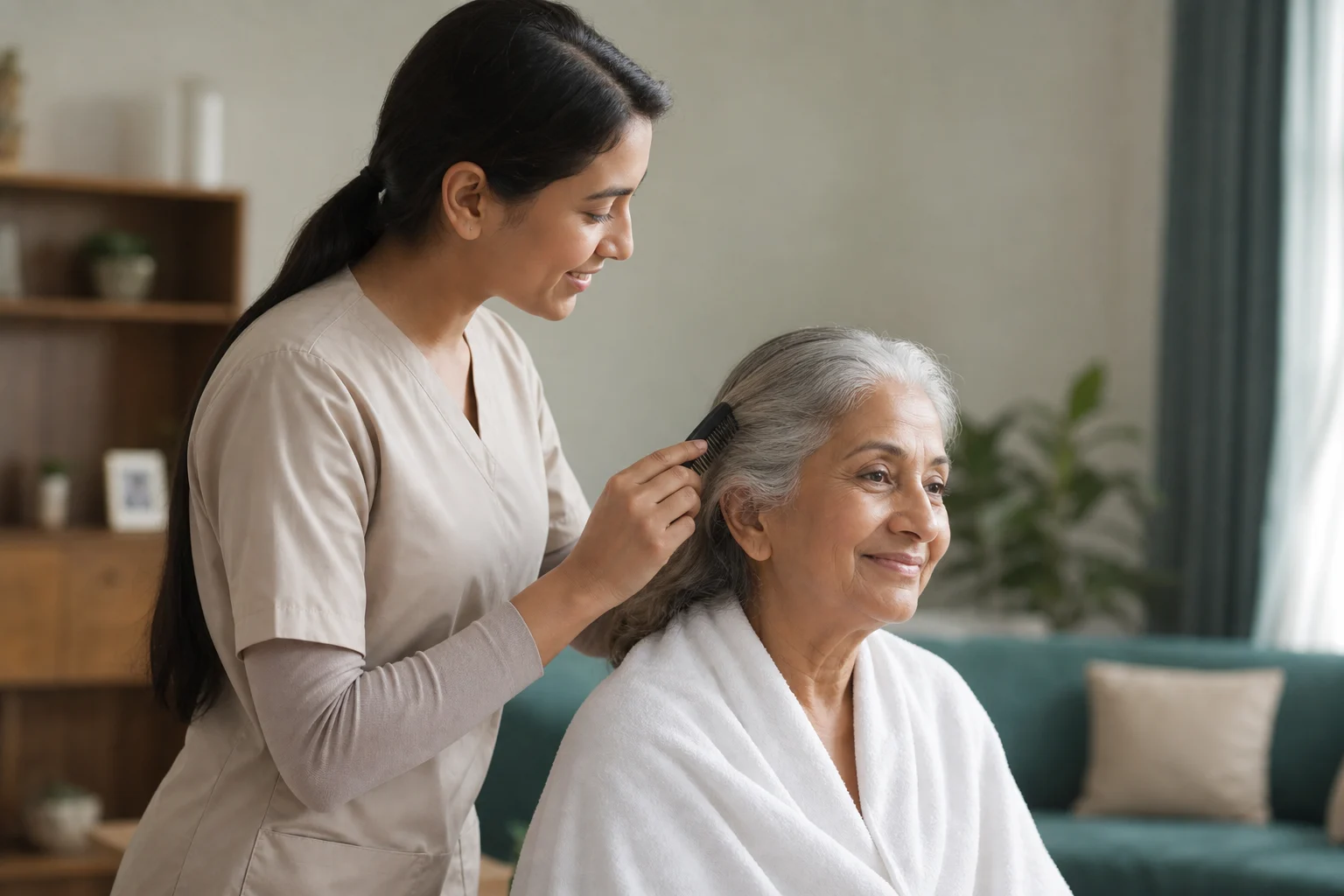
- Personal Hygiene: Maintaining personal hygiene can become challenging for some seniors. A personal companion can provide assistance with bathing, grooming, and dressing, ensuring that seniors feel comfortable and confident. Caregivers can help set up a safe bathing area with non-slip mats and grab bars to prevent falls. They can also assist with oral hygiene, skin care routines, and hair care, which can enhance a senior's self-esteem and overall well-being. Encouraging seniors to express their preferences, such as choosing their outfits or discussing hair styles, can also foster a sense of autonomy and dignity.
- Medication Management: Proper medication management is crucial for seniors to manage their health conditions effectively. Caregivers can help organize medications in pill boxes, ensuring that seniors take their medications as prescribed. They can also educate seniors on the importance of each medication, its purpose, and potential side effects, empowering them to take an active role in their health management. Caregivers can schedule regular reminders for medication times, whether through phone calls, alarms, or written notes, reducing the risk of missed doses.
- Mobility Assistance: Many seniors have mobility issues that make it difficult to move around their homes. Companion caregivers can provide physical support, helping them move safely from one place to another. This may involve using mobility aids like walkers or canes, ensuring that seniors feel stable and secure while moving. Caregivers can also assist with exercises that improve strength and flexibility, which can enhance mobility over time. Simple activities like stretching or walking around the house can significantly benefit a senior's physical health and promote independence.
- Light Housekeeping: Maintaining a clean living environment is important for health and well-being. Caregivers can assist with light housekeeping tasks, including laundry, vacuuming, and tidying up. They can also help organize living spaces to prevent clutter, making it easier for seniors to navigate their homes safely. For example, ensuring that frequently used items are within reach can reduce the risk of falls and accidents. Caregivers can involve seniors in light cleaning tasks, turning these chores into a shared activity that promotes physical movement and engagement.
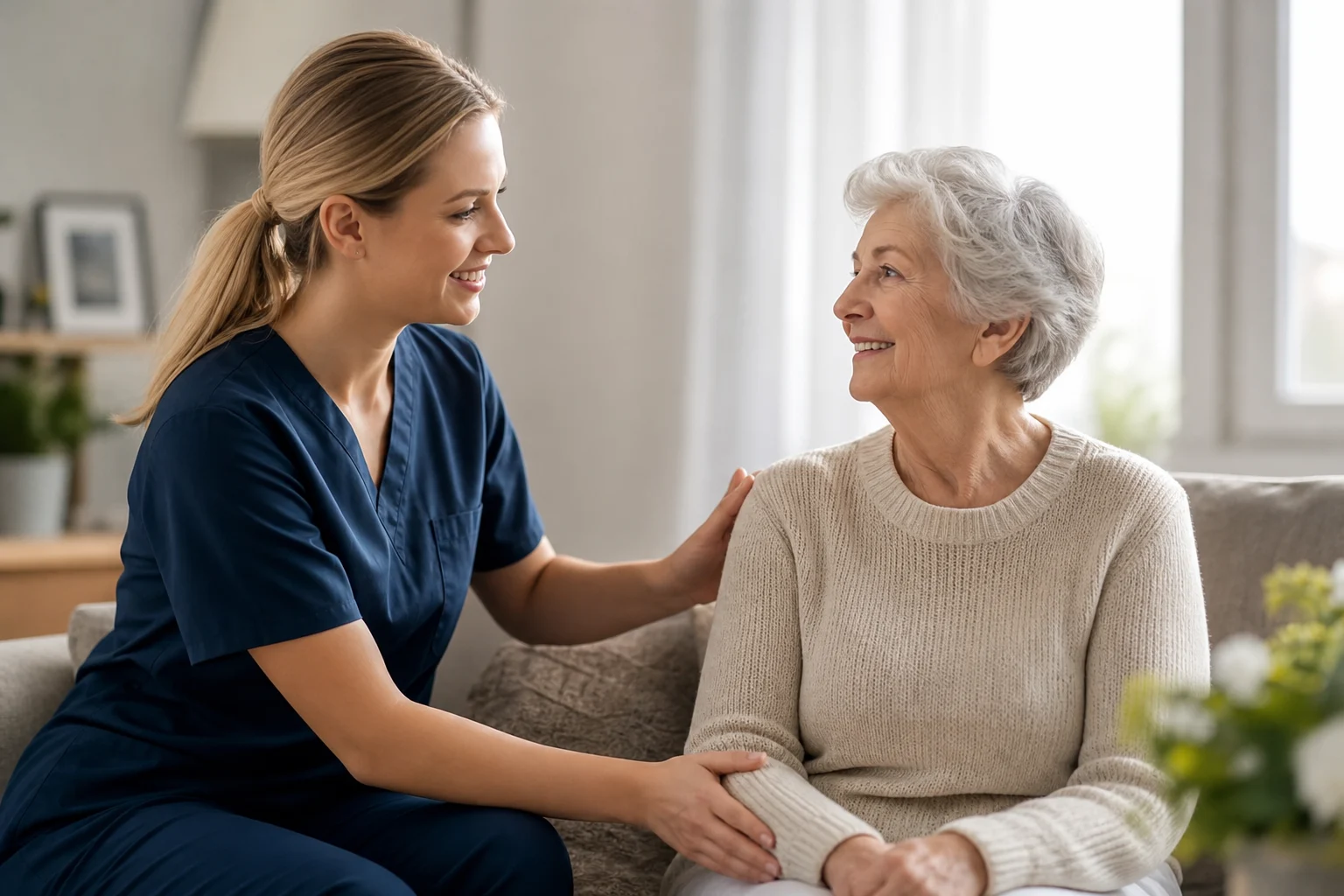
- Social Engagement: Companionship is essential for mental health. Caregivers can engage seniors in conversations, play games, or accompany them on outings, helping to reduce feelings of loneliness. Activities such as reading together, participating in arts and crafts, or even gardening can encourage social interaction and cognitive stimulation. Planning regular outings to local parks, museums, or community events can also provide seniors with the opportunity to connect with others and enjoy their community. Technology can play a role in social engagement; caregivers can help seniors set up video calls with family members or friends, ensuring they maintain important relationships.
- Transportation: Many seniors may no longer drive. Companion care includes transportation services for medical appointments, social events, or errands, ensuring seniors remain connected to their community. Caregivers can assist in planning transportation routes, whether by arranging ridesharing services or accompanying seniors on public transport. They can also help seniors prepare for appointments by creating checklists of questions for doctors or packing necessary items, making the experience less stressful. By facilitating transportation, caregivers not only help seniors attend important appointments but also encourage them to engage in social activities, which is crucial for mental and emotional health.
- Physical Exercise: Regular physical activity is vital for maintaining health and mobility in seniors. Personal companion care can include guiding seniors through appropriate exercises tailored to their abilities. This can range from gentle stretching and chair yoga to more dynamic activities like walking or swimming. Caregivers can accompany seniors to fitness classes designed for older adults, providing motivation and support. They can also help set achievable fitness goals, monitor progress, and celebrate milestones, fostering a sense of accomplishment and encouraging a more active lifestyle.
- Technology Assistance: In today’s digital age, many seniors may find themselves overwhelmed by technology. Personal companion care can offer assistance in navigating smartphones, tablets, or computers. Caregivers can help seniors set up video calls, send emails, or even explore social media platforms to stay connected with family and friends. Teaching seniors how to use apps for news, entertainment, or health management can significantly enhance their quality of life and help them remain engaged in the modern world. Regular tech sessions can also empower seniors, boosting their confidence in using technology.
By addressing these common daily activities, personal companion care services can significantly enhance the quality of life for seniors. The support provided by caregivers not only helps manage these tasks but also fosters independence, dignity, and an overall sense of well-being. In turn, this holistic approach to care allows seniors to thrive in their daily lives, ensuring they enjoy their golden years to the fullest.
Examples of Companion Care in Action
At Ability Homes, we pride ourselves on providing high-quality home health care tailored to the specific needs of our clients. Here are some real-world examples of how our caregivers assist seniors in their daily activities:
Consider Mrs. Johnson, an 82-year-old woman living alone. With the help of her personal companion, she receives assistance with meal preparation. Her caregiver prepares nutritious meals that cater to her dietary needs and ensures she stays hydrated throughout the day. They also engage in conversation during meals, making the experience enjoyable rather than isolating. This social interaction is crucial, as studies show that mealtime companionship can decrease feelings of loneliness in seniors.
Meal preparation is just one aspect of personal companion care. Caregivers can also help seniors plan their menus for the week, ensuring they incorporate a variety of fruits, vegetables, and lean proteins into their diets. By involving seniors in this planning process, caregivers can encourage them to express their preferences, making meals more enjoyable. For instance, if Mrs. Johnson has a fondness for Italian cuisine, her caregiver might prepare a week of meals featuring pasta dishes, incorporating vegetables and healthy sauces to keep it nutritious.
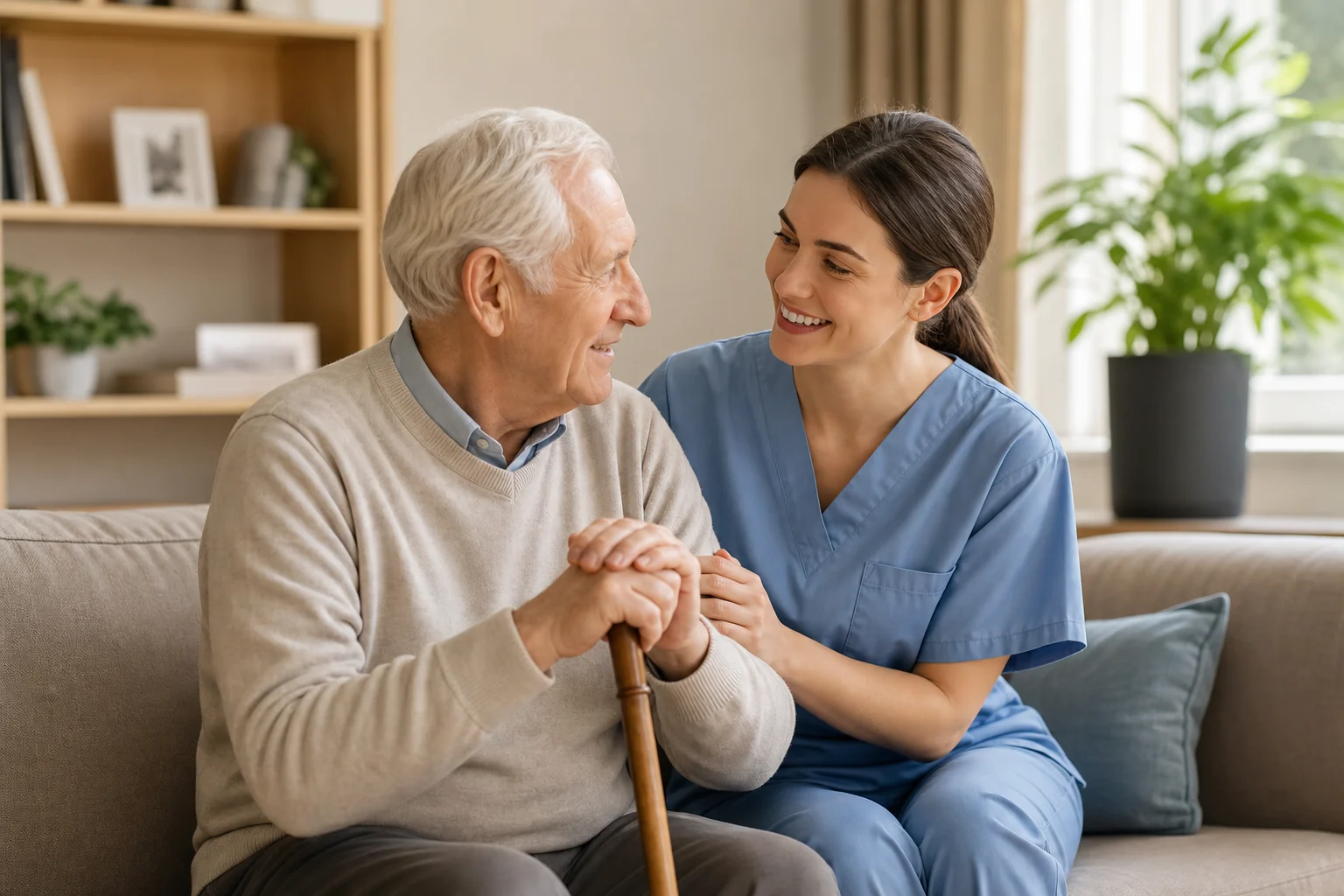
Then there’s Mr. Smith, a retired veteran who has difficulty with mobility. His caregiver helps him with daily exercises to improve his strength and flexibility. They go for walks around the neighborhood, ensuring Mr. Smith gets fresh air while also providing necessary support. This not only helps him physically but also boosts his mood. To walks, caregivers can assist with tailored exercise programs that include stretching and resistance training, which are essential for maintaining mobility and preventing falls.
Caregivers also encourage participation in local senior centers or community activities, which can significantly enhance the mental and emotional well-being of seniors. For Mr. Smith, attending a weekly game night at the center not only provides social interaction but also keeps his mind sharp and engaged. His caregiver can accompany him, ensuring he feels comfortable navigating new environments and meeting new people.
Our caregivers assist clients like Mrs. Lee, who has a busy family but needs help managing her medications. Her caregiver organizes her pillbox and reminds her of her medication schedule, ensuring she stays on track with her health regimen. This service is particularly vital for seniors who may have multiple prescriptions or complex dosing schedules.
To medication management, caregivers can help with understanding medication side effects and the importance of adherence to prescribed treatments. For example, Mrs. Lee’s caregiver might take the time to educate her about her medications, explaining why each one is necessary and what to watch for in terms of side effects. This not only empowers Mrs. Lee but also fosters a sense of control over her health.
Another essential aspect of personal companion care is providing companionship and emotional support. Many seniors experience feelings of loneliness and isolation, which can lead to depression. Our caregivers are trained to recognize signs of emotional distress and can provide a listening ear, engage in meaningful conversations, or even participate in hobbies that the senior enjoys.
Take Mr. Davis, for example, a 76-year-old widower who loves to paint but hasn’t picked up a brush in months. His caregiver encourages him to express his creativity by setting up a painting station and joining him in art sessions. This not only rekindles Mr. Davis's passion but also provides an outlet for emotions he may struggle to express verbally. Caregivers can also facilitate social activities, such as arranging visits with friends or family, or even organizing small gatherings with other seniors to foster a sense of community and belonging.
Personal companion care can also extend to helping seniors with technology. Many older adults may feel overwhelmed by smartphones, tablets, or computers, which can further isolate them from their families and friends. Caregivers can assist seniors in learning how to use video calls, social media, or even online shopping, which can be incredibly empowering. For instance, Mrs. Johnson might enjoy learning how to use FaceTime to connect with her grandchildren, bridging the distance and enhancing family connections.
Caregivers can assist with transportation needs, ensuring that seniors can attend appointments, social events, or simply run errands. For example, if Mrs. Lee has a doctor’s appointment, her caregiver can provide transportation, accompany her into the office, and help her remember important questions to ask her doctor. This level of support not only ensures seniors receive necessary medical care but also alleviates the stress of navigating transportation logistics.
Personal companion care also plays a crucial role in maintaining a safe living environment for seniors. Caregivers can help with household tasks such as light cleaning, laundry, and organizing spaces to prevent clutter, which can be a tripping hazard. For instance, if Mr. Smith’s living room is cluttered, his caregiver can assist in organizing it, making sure pathways are clear and that essential items are easily accessible. This not only promotes safety but also enhances the overall quality of life for seniors living at home.
Caregivers can help seniors engage in activities that promote cognitive health, such as puzzles, reading, or even gardening. For instance, if Mrs. Johnson enjoys gardening, her caregiver can help her maintain her garden, providing both physical activity and mental stimulation. Engaging in such activities can keep seniors’ minds active and provide a sense of purpose and accomplishment.
The role of personal companion care goes far beyond simple assistance with daily tasks. It encompasses a holistic approach to enhancing the quality of life for seniors. Whether through meal preparation, emotional support, medication management, or encouraging social interactions, caregivers provide invaluable services that promote independence, well-being, and a fulfilling lifestyle for seniors. By understanding and addressing the unique needs of each individual, personal companion care can truly make a difference in the lives of seniors and their families.
Examples of Companion Care in Action
At Ability Homes, we pride ourselves on providing high-quality home health care tailored to the specific needs of our clients. Here are some real-world examples of how our caregivers assist seniors in their daily activities:
Consider Mrs. Johnson, an 82-year-old woman living alone. With the help of her personal companion, she receives assistance with meal preparation. Her caregiver prepares nutritious meals that cater to her dietary needs and ensures she stays hydrated throughout the day. They also engage in conversation during meals, making the experience enjoyable rather than isolating.
Then there’s Mr. Smith, a retired veteran who has difficulty with mobility. His caregiver helps him with daily exercises to improve his strength and flexibility. They go for walks around the neighborhood, ensuring Mr. Smith gets fresh air while also providing necessary support. This not only helps him physically but also boosts his mood.
Our caregivers assist clients like Mrs. Lee, who has a busy family but needs help managing her medications. Her caregiver organizes her pillbox and reminds her of her medication schedule, ensuring she stays on track with her health regimen.