How Companion Care Services Improve Quality of Life
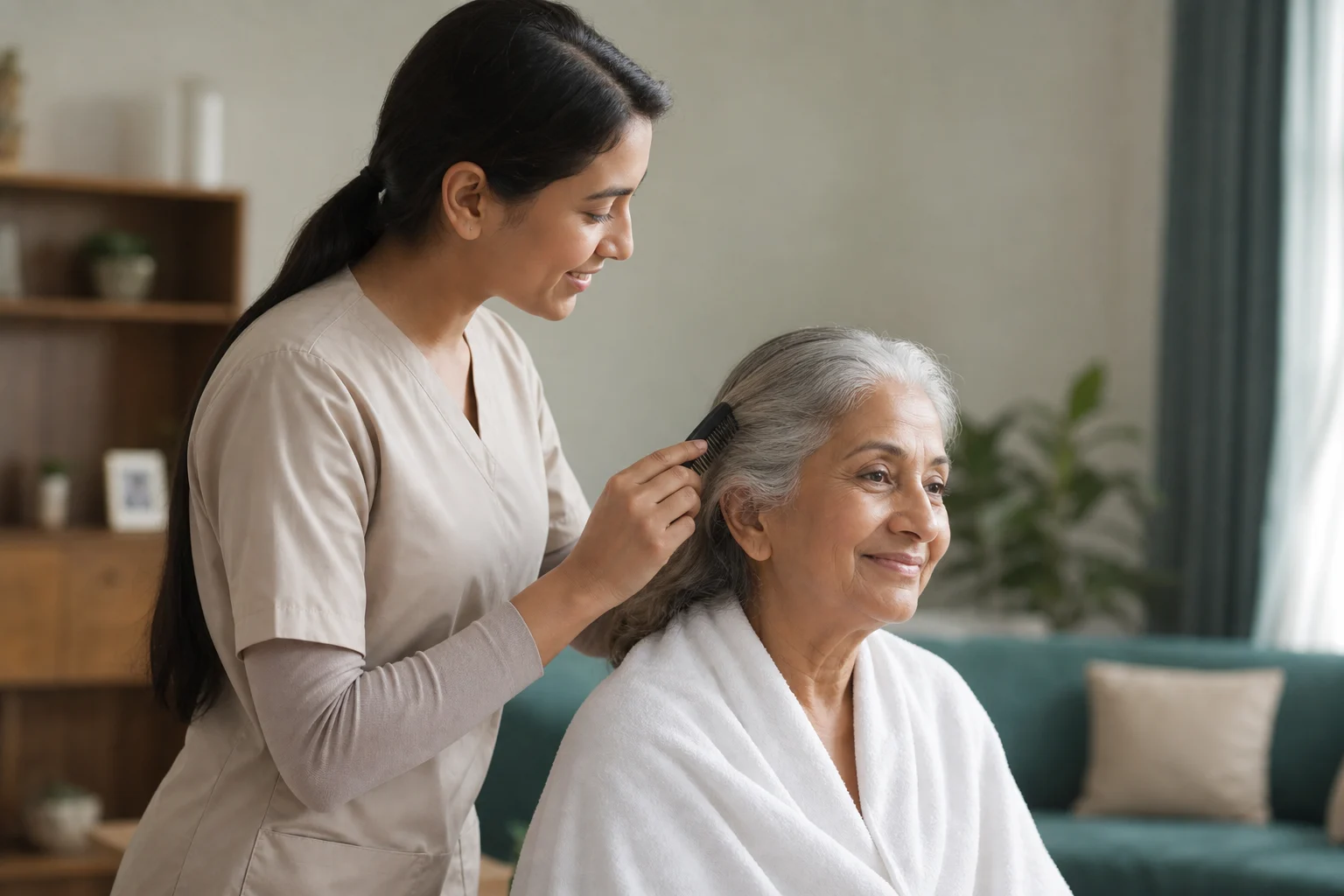
For families with elderly loved ones, ensuring their comfort, safety, and happiness is often a top priority. As we age, the need for companionship and assistance with daily activities becomes increasingly important. This is where companion care services play a vital role. At Ability Homes, we understand that our seniors deserve the best care possible, which is why we specialize in providing personalized support that enhances their quality of life.
The Importance of Companionship for the Elderly
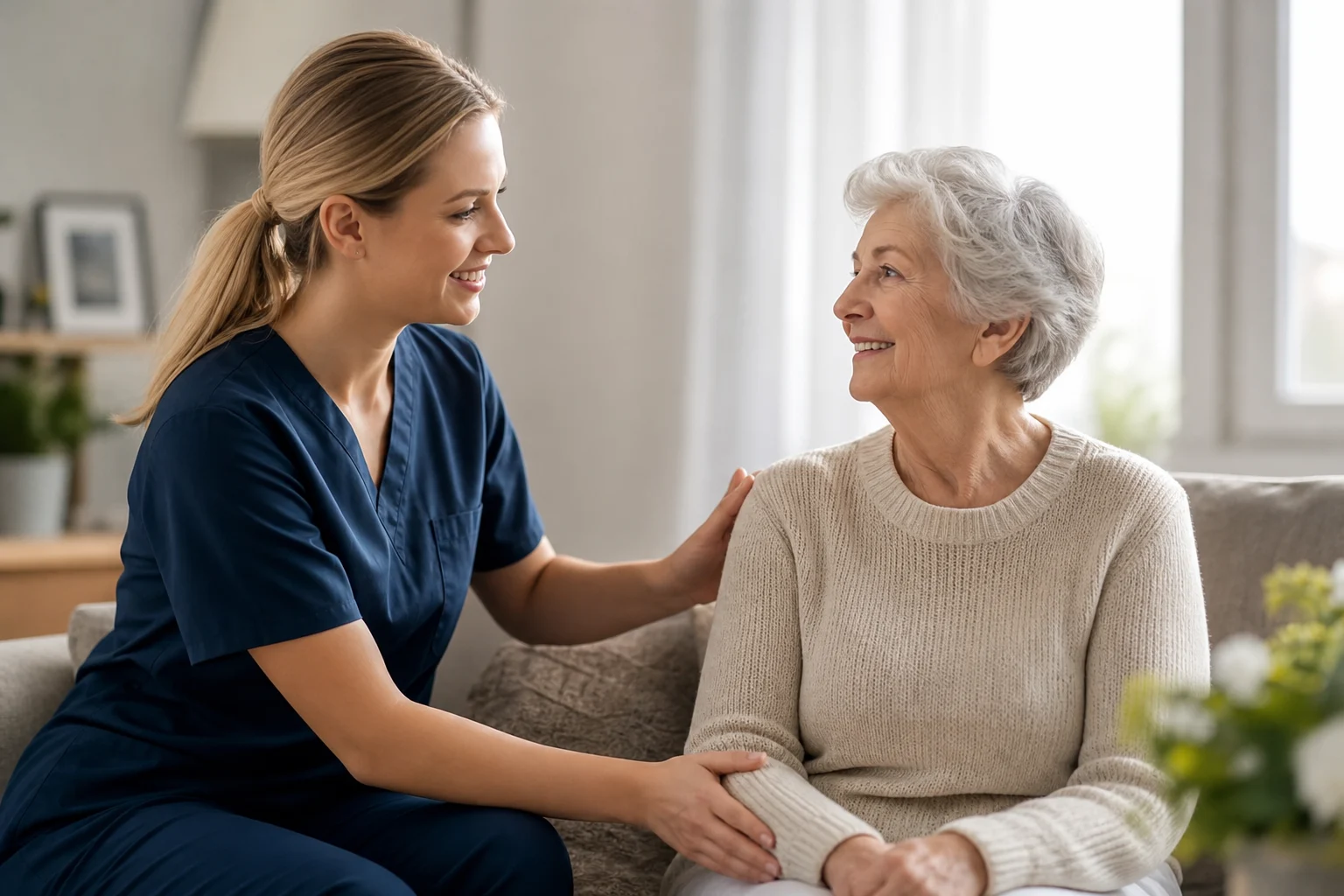
Companionship is not merely a nice-to-have; it is a fundamental aspect of well-being for seniors. As individuals grow older, they may experience loneliness and isolation, which can lead to numerous emotional and physical health issues. Companion care services address these concerns by offering a friendly face and a helping hand. By fostering strong relationships, our caregivers can significantly improve the emotional health of your loved ones.
Loneliness among the elderly is a pressing issue, with studies showing that nearly 43% of seniors report feelings of loneliness. This emotional state can lead to serious health consequences, including depression, anxiety, and even cognitive decline. Companion care services can play a crucial role in alleviating these feelings by providing regular social interaction and emotional support. The presence of a caregiver not only offers companionship but also encourages seniors to engage in activities that promote mental and physical well-being.
One of the most significant benefits of companion care services is the opportunity for structured social interaction. Caregivers can help seniors maintain a daily routine that includes social activities, whether it's going for a walk, playing games, or attending community events. These interactions can help seniors feel valued and connected, reducing feelings of isolation and loneliness. For example, a caregiver might take a client to a local art class, where they can explore their creativity while meeting new friends. Such activities not only combat loneliness but also contribute to a sense of purpose and belonging.
Companion care services are tailored to meet the unique needs of each individual. Caregivers often take the time to understand the preferences and interests of the seniors they support, ensuring that the activities they engage in are enjoyable and fulfilling. This personalized approach can lead to enhanced emotional well-being. For instance, if a senior is passionate about gardening, a caregiver can assist them in maintaining a garden or even joining a local gardening club. This not only provides companionship but also stimulates the mind and body.
Another crucial aspect of companionship is the emotional support caregivers provide. Many seniors face significant life changes, including the loss of friends or family members, declining health, or moving to a new living situation. These transitions can be incredibly challenging, and having a compassionate caregiver can make a world of difference. Caregivers are trained to listen and offer empathy, helping seniors process their feelings and find comfort during tough times. This emotional support can be vital in preventing depression and anxiety, leading to an improved quality of life.
To emotional support, companion care services can also encourage seniors to engage in healthy lifestyle choices. Caregivers can help plan nutritious meals, remind seniors to take medications, and motivate them to stay active. For example, a caregiver might accompany a senior on daily walks or engage them in light exercises, which can boost physical health and enhance mood. Regular physical activity has been shown to reduce symptoms of depression and anxiety, making companionship an essential part of holistic health care for seniors.
Companion care services can help seniors maintain their independence while providing the support they need. Many elderly individuals desire to remain in their own homes as they age but may struggle with daily tasks such as cooking, cleaning, or transportation. Companion caregivers can assist with these activities while allowing seniors to feel in control of their lives. This balance of support and independence can lead to greater satisfaction and happiness in their daily routines.
It's also essential to recognize the role of technology in enhancing companionship for seniors. Many companion care services incorporate technology to facilitate communication and connection. For instance, caregivers can help seniors use video calls to stay in touch with family and friends, bridging the gap created by distance. Technology can be used to engage seniors in interactive activities, such as virtual games or online classes, making companionship more accessible and diverse.
When considering companion care services, it's vital to choose a provider that prioritizes building strong relationships between caregivers and seniors. Look for agencies that emphasize personality matching, ensuring that caregivers have compatible interests and values with the seniors they support. This connection can significantly enhance the quality of companionship and lead to more fulfilling experiences for everyone involved.
The importance of companionship for the elderly cannot be overstated. Companion care services offer essential support that addresses loneliness, promotes emotional well-being, encourages healthy lifestyle choices, and maintains independence. By investing in companion care, families can ensure that their loved ones receive the emotional and practical support they need to thrive in their golden years. As we continue to recognize the value of companionship, we can help create a society where seniors feel valued, loved, and connected, ultimately improving their overall quality of life.
Emotional Benefits of Companion Care Services
One of the most significant advantages of companion care is the emotional support it provides. Caregivers are not just there to assist with daily tasks; they engage with seniors on a personal level. This engagement can lead to:
- Reduced feelings of loneliness: Regular interaction with a caregiver can help seniors feel connected, alleviating feelings of isolation.
- Increased happiness: Companionship often brings joy to daily routines, whether through conversation, shared activities, or simply having someone to share a meal with.
- Enhanced mental well-being: Having someone to talk to can help seniors process their emotions and improve their overall mental health.
Social Benefits of Companion Care Services
To emotional support, companion care services provide essential social benefits that can enhance a senior's quality of life. These services include:
- Encouragement to participate in social activities: Caregivers can motivate seniors to engage in hobbies, attend community events, or visit friends and family.
- Assistance with communication: For seniors who may struggle with technology, caregivers can help them stay in touch with loved ones via phone calls or video chats.
- Building new friendships: Through shared activities, caregivers can help seniors make new friends, reducing feelings of isolation and boosting their social circles.
Personal Companion Care Tailored to Individual Needs
At Ability Homes, we recognize that each senior has unique needs and preferences. Our personal companion care services are customized to fit the individual requirements of your loved one. Whether they need assistance with specific tasks or simply someone to share their day with, our caregivers are dedicated to providing the right support.
Our team undergoes extensive training to ensure they can provide the highest level of care, focusing on building trust and a strong relationship with each client. We take the time to understand your loved one's interests and preferences, allowing us to create a care plan that is both effective and enjoyable.
One of the key aspects of our companion care services is the emphasis on personalization. We conduct a thorough assessment of each senior's physical, emotional, and social needs. This assessment includes discussions with family members and the seniors themselves, ensuring that we capture a comprehensive view of their lifestyle, hobbies, and daily routines. By understanding what they enjoy and what challenges they face, we can tailor our services to fit seamlessly into their lives.
For instance, if your loved one enjoys gardening, we can arrange for a caregiver who shares that passion. This not only provides practical assistance but also fosters a meaningful connection between the caregiver and the senior. Shared interests can significantly enhance the quality of companionship, making each visit something to look forward to. Caregivers can engage seniors in activities they love, whether it's gardening, painting, or even reading together, thus enriching their daily experiences.
To companionship, our services include various forms of personal assistance that cater to individual needs. Here are some specific areas where our companion care can make a difference:
- Daily Living Activities: Our caregivers can assist with activities such as meal preparation, light housekeeping, and medication reminders. This support helps seniors maintain their independence while ensuring their basic needs are met.
- Transportation and Errands: Many seniors may struggle with transportation, making it difficult for them to attend appointments or engage in social activities. Our caregivers can provide transportation to and from appointments, grocery shopping, or social events, allowing seniors to remain active and connected to their communities.
- Social Engagement: Loneliness can be a significant issue for seniors, impacting their mental and emotional well-being. Our caregivers are trained to engage in meaningful conversations, play games, or even join in on hobbies that stimulate mental activity. Regular social interaction can help combat feelings of isolation.
- Exercise and Mobility Assistance: Staying active is crucial for seniors' health. Our caregivers can help with light exercises, walks, or mobility assistance, ensuring that seniors remain physically active according to their abilities and preferences.
- Health Monitoring: While companion care services are not medical care, our caregivers are trained to observe any changes in a senior's condition and communicate these to family members or medical professionals as necessary. This proactive approach can lead to early intervention if health issues arise.
Implementing a personalized care plan requires flexibility and ongoing communication. Regular check-ins with family members and the seniors themselves ensure that the care provided continues to meet their evolving needs. For example, if a senior starts to express interest in a new activity, such as a local art class, our caregivers can help facilitate that involvement. This adaptability is vital in providing a service that not only meets immediate needs but also supports long-term happiness and fulfillment.
We place a strong emphasis on building trust between the caregiver and the senior. Trust is essential for effective companionship, as it allows seniors to feel comfortable and secure in their interactions. Our caregivers are not just providers of service; they become companions and confidants. We encourage caregivers to take the time to listen to the seniors, engage in their stories, and understand their backgrounds. This relationship-building is crucial for enhancing the emotional well-being of seniors.
Another important aspect of our companion care services is the incorporation of technology to enrich the experience. Many seniors today are comfortable with technology, and it can play a significant role in enhancing their quality of life. For example:
- Video Calls: Our caregivers can assist seniors in setting up and using video calling platforms to stay connected with family and friends, reducing feelings of isolation.
- Smart Home Devices: We can help seniors utilize smart home technology for convenience and safety, such as voice-activated assistants that can remind them of appointments or help them control their environment.
- Online Activities: Many seniors enjoy online games, virtual tours, or even learning new skills through online classes. Our caregivers can facilitate these activities, ensuring that seniors remain engaged and stimulated.
Our personal companion care services at Ability Homes are designed with a holistic approach that prioritizes the individual needs and preferences of seniors. By customizing care plans, fostering meaningful relationships, and incorporating technology, we not only enhance the daily lives of seniors but also promote their overall well-being. With our dedicated caregivers by their side, seniors can enjoy a fulfilling and enriched quality of life, making each day a cherished experience.
Personal Companion Care Tailored to Individual Needs
At Ability Homes, we recognize that each senior has unique needs and preferences. Our personal companion care services are customized to fit the individual requirements of your loved one. Whether they need assistance with specific tasks or simply someone to share their day with, our caregivers are dedicated to providing the right support.
Our team undergoes extensive training to ensure they can provide the highest level of care, focusing on building trust and a strong relationship with each client. We take the time to understand your loved one's interests and preferences, allowing us to create a care plan that is both effective and enjoyable.