Companion Care: A Solution for Loneliness in Seniors
As our loved ones age, the challenges they face can become more pronounced, particularly when it comes to social isolation and loneliness. For many seniors, the golden years can come with feelings of solitude, which can significantly impact their overall well-being. This is where companionship for elderly individuals becomes essential, and Ability Homes is dedicated to providing effective solutions through our companion care services.
The Impact of Loneliness on Seniors
Loneliness is not just an emotional state; it has profound effects on physical and mental health. Studies have shown that seniors who experience loneliness are at a greater risk for:
- Depression and anxiety
- Declining cognitive function
- Increased risk of chronic diseases
- Higher rates of mortality
The implications of loneliness can lead to a vicious cycle. Seniors who are lonely may withdraw further from social interactions, making it increasingly difficult for them to reconnect with others. This cycle can affect their quality of life, leading to a decline in both physical and emotional health. Therefore, addressing loneliness is crucial for enhancing the well-being of our elderly population.
Understanding the Role of Companion Care
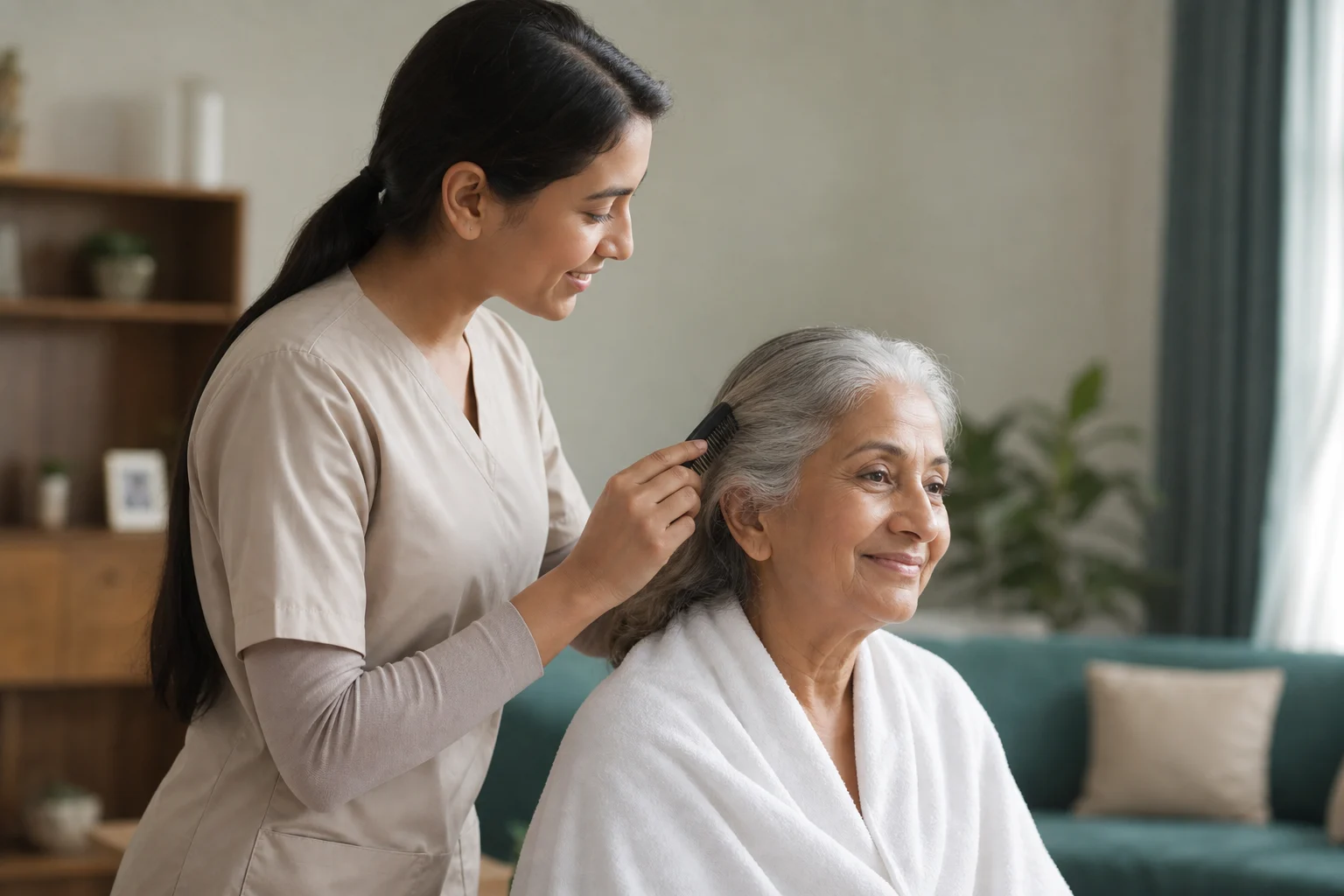
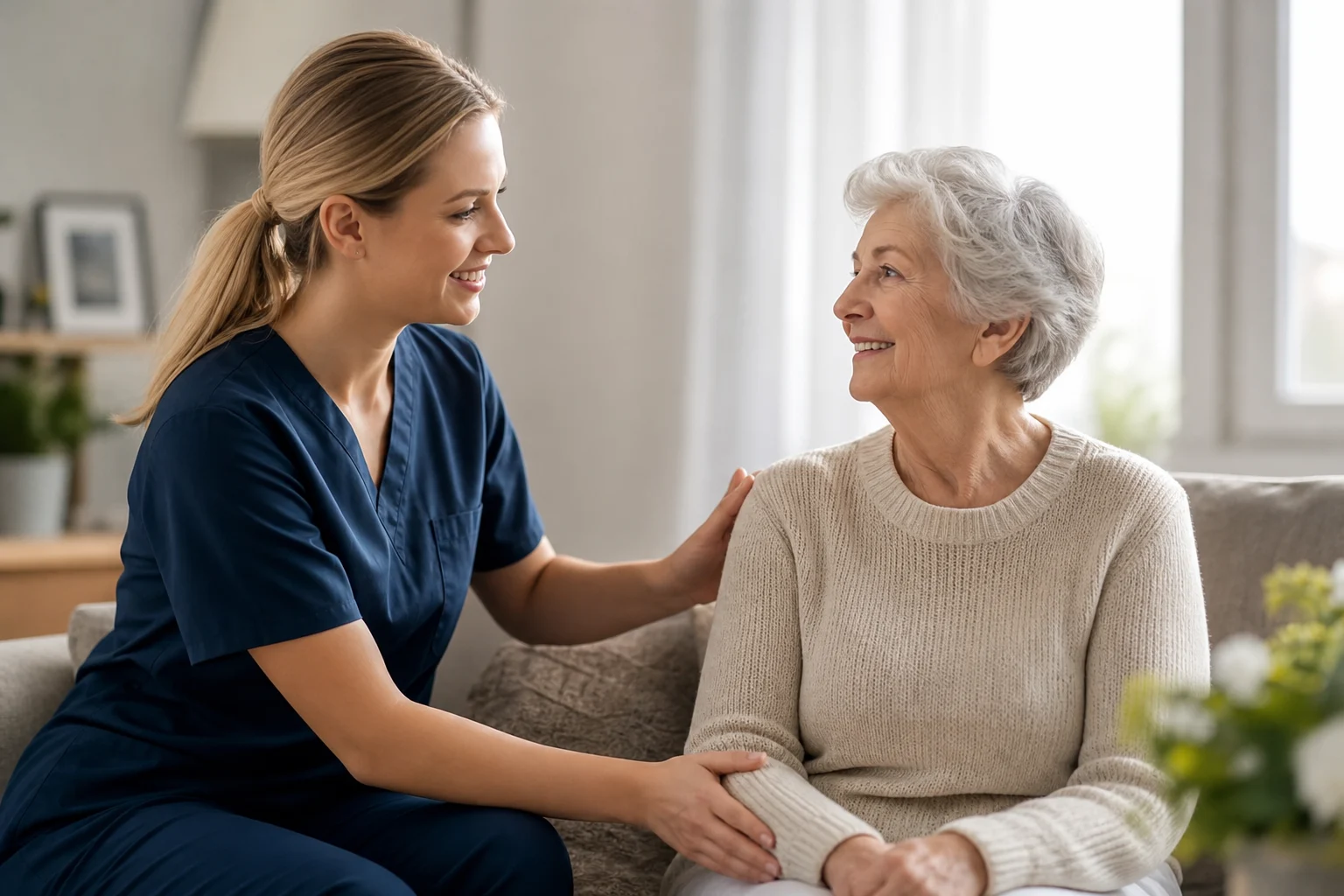
At Ability Homes, we understand the importance of companionship in combating isolation. Our in-home companion care services are designed to provide more than just physical assistance—they focus on fostering meaningful relationships and emotional support. Our trained caregivers play a pivotal role in this process, offering companionship that is tailored to the unique needs of each senior.
Here are some of the core responsibilities our caregivers hold:
- Engaging in meaningful conversations: Our caregivers spend quality time with seniors, encouraging them to share their thoughts and feelings, which can alleviate feelings of loneliness.
- Participating in activities: Whether it’s playing cards, going for walks, or attending local events, our caregivers help seniors stay active and engaged.
- Providing emotional support: Caregivers are trained to recognize signs of loneliness and mental distress, offering support and encouragement when needed.
- Facilitating social connections: Our services often include organizing visits with family and friends, helping seniors maintain their important relationships.
Success Stories: Real Lives Transformed
We have seen first-hand the transformative effects of our senior companion services on the lives of many seniors. For instance, one of our clients, Mrs. Thompson, a 78-year-old widow, had been feeling isolated since the passing of her husband. After engaging with our companion care services, she found joy in sharing her love for gardening with her caregiver, who not only assisted her in maintaining her garden but also encouraged her to join a local gardening club. This new connection not only brightened her days but also expanded her social circle, significantly reducing her feelings of loneliness.
Another inspiring story is that of Mr. Jenkins, a retired teacher who had become withdrawn after retiring. With the support of our caregiver, he began reading to local children at the library, rekindling his passion for teaching and forming new friendships along the way. The companionship provided through our services proved to be vital in helping him rediscover his purpose and happiness.
These stories are just a glimpse into the profound impact that companionship for the elderly can have on mental and emotional well-being. To further illustrate this, let’s explore additional success stories that highlight the diverse experiences of seniors who have benefited from our companion care services.
One of the most touching stories is that of Mrs. Garcia, an 82-year-old artist who had lost her husband two years ago. Since then, she had been struggling with depression and a sense of purposelessness. After starting companion care, her caregiver, Sarah, discovered Mrs. Garcia’s passion for painting. Together, they not only painted at home but also attended local art classes. This reinvigoration of her artistic pursuits led Mrs. Garcia to hold a small exhibition of her work at a community center. The joy of sharing her art with others brought her a renewed sense of identity and happiness.
In another case, Mr. Robinson, a 75-year-old war veteran, was living alone and often felt disconnected from the world. His companion, John, recognized this and introduced him to a veterans’ group that met weekly. Through this connection, Mr. Robinson not only formed friendships with fellow veterans but also became involved in volunteer work to support younger veterans. He found fulfillment in sharing his experiences and helping those in need, showcasing how companionship can lead to a greater sense of purpose.
These narratives highlight a common theme: the importance of companionship for the elderly in fostering relationships and encouraging activities that lead to personal growth. Here are some practical takeaways that underscore the value of companion care:
- Encouraging Hobbies: Caregivers play a crucial role in discovering and nurturing seniors' interests. Whether it's gardening, painting, or music, engaging in hobbies can help seniors find joy and purpose.
- Building Social Connections: Companion care often facilitates new friendships. Caregivers can encourage seniors to join clubs, attend classes, or participate in community events, reducing feelings of isolation.
- Promoting Physical Activity: Many seniors benefit from physical activities that caregivers can assist with, such as walking, yoga, or even dance classes. Physical engagement is essential for both mental and physical health.
- Providing Emotional Support: Companionship is about more than just activities; it’s about having someone to talk to. Caregivers can offer a listening ear, helping seniors process their thoughts and feelings.
- Encouraging Lifelong Learning: Many seniors have a wealth of knowledge and experience. Caregivers can help them find opportunities to share their wisdom, whether through teaching, mentoring, or participating in discussion groups.
The impact of companion care extends beyond individual stories. Research supports the notion that social interaction and companionship can significantly improve the well-being of seniors. A study published in the journal Gerontology found that seniors with regular social interactions had better health outcomes and reported higher levels of happiness. This aligns with our experiences at our companion care service, where we witness daily transformations in our clients.
It's important to remember that every senior is unique. To maximize the benefits of companionship, caregivers should tailor their approaches based on individual preferences and needs. This could mean adjusting activities to align with a senior’s interests or simply being present and attentive to their emotional states.
To the heartwarming stories we've shared, many families have expressed gratitude for the changes they’ve seen in their loved ones. Family members often report that their elderly relatives are more engaged, happier, and even healthier after receiving companionship care. The peace of mind that comes from knowing a loved one is not alone and is being cared for can be invaluable to families.
As we continue to share these success stories, it’s crucial to recognize that the journey to overcoming loneliness is ongoing. Companion care is not a one-size-fits-all solution, but rather a pathway to building lasting relationships and enriching lives. The stories of Mrs. Thompson, Mr. Jenkins, Mrs. Garcia, and Mr. Robinson serve as powerful reminders of the positive change that can occur when seniors receive the companionship they deserve.
The goal of companion care is to enrich the lives of seniors, helping them navigate the challenges of aging with dignity and joy. By fostering meaningful connections, we can contribute to a community where no senior feels alone, and every individual has the opportunity to thrive.
How Ability Homes Can Help
At Ability Homes, we offer a range of home health care services tailored to meet the needs of seniors in Brooklyn Park, MN. Our compassionate team is dedicated to enhancing the independence of our clients while ensuring they feel connected and supported. We provide:
- 24/7 support and supervision
- Nursing services for medical needs
- Daily personal care assistance
Our focus on companionship and emotional support makes us a reliable choice for families seeking effective solutions to combat loneliness in their loved ones.