The Benefits of In-Home Personal Care
In today's fast-paced world, many families find themselves in need of support for their loved ones, especially seniors or individuals facing challenges with daily living tasks. The importance of maintaining independence while ensuring safety and well-being cannot be overstated. This is where in-home personal care services come into play, offering a practical solution that caters to the unique needs of each client. At Ability Homes, we understand the significance of personalized care, which is why we provide comprehensive home health care services tailored to enhance the quality of life for our clients in Brooklyn Park, MN.
Understanding In-Home Personal Care
In-home personal care encompasses a range of services designed to assist individuals with their daily activities while allowing them to remain in the comfort of their own homes. This type of care can include assistance with bathing, dressing, meal preparation, medication management, and companionship. It is not just about meeting physical needs; it also plays a crucial role in supporting emotional and mental well-being.
One of the primary advantages of in-home personal care is the ability to maintain a familiar environment. For many seniors and individuals with disabilities, being at home can significantly reduce anxiety and promote a sense of security. The comfort of one’s own home fosters a positive atmosphere, which can enhance overall well-being. Studies have shown that individuals receiving care in their homes often report higher satisfaction levels compared to those in institutional settings.
In-home personal care services are tailored to meet the unique needs of each client. This individualized approach is key to ensuring that the care provided is effective and meaningful. Care plans are typically developed based on a thorough assessment of the client’s physical, emotional, and social needs. This may involve collaboration with family members, healthcare providers, and the clients themselves to ensure a comprehensive understanding of the care required.
Services offered through in-home personal care can be broken down into several categories:
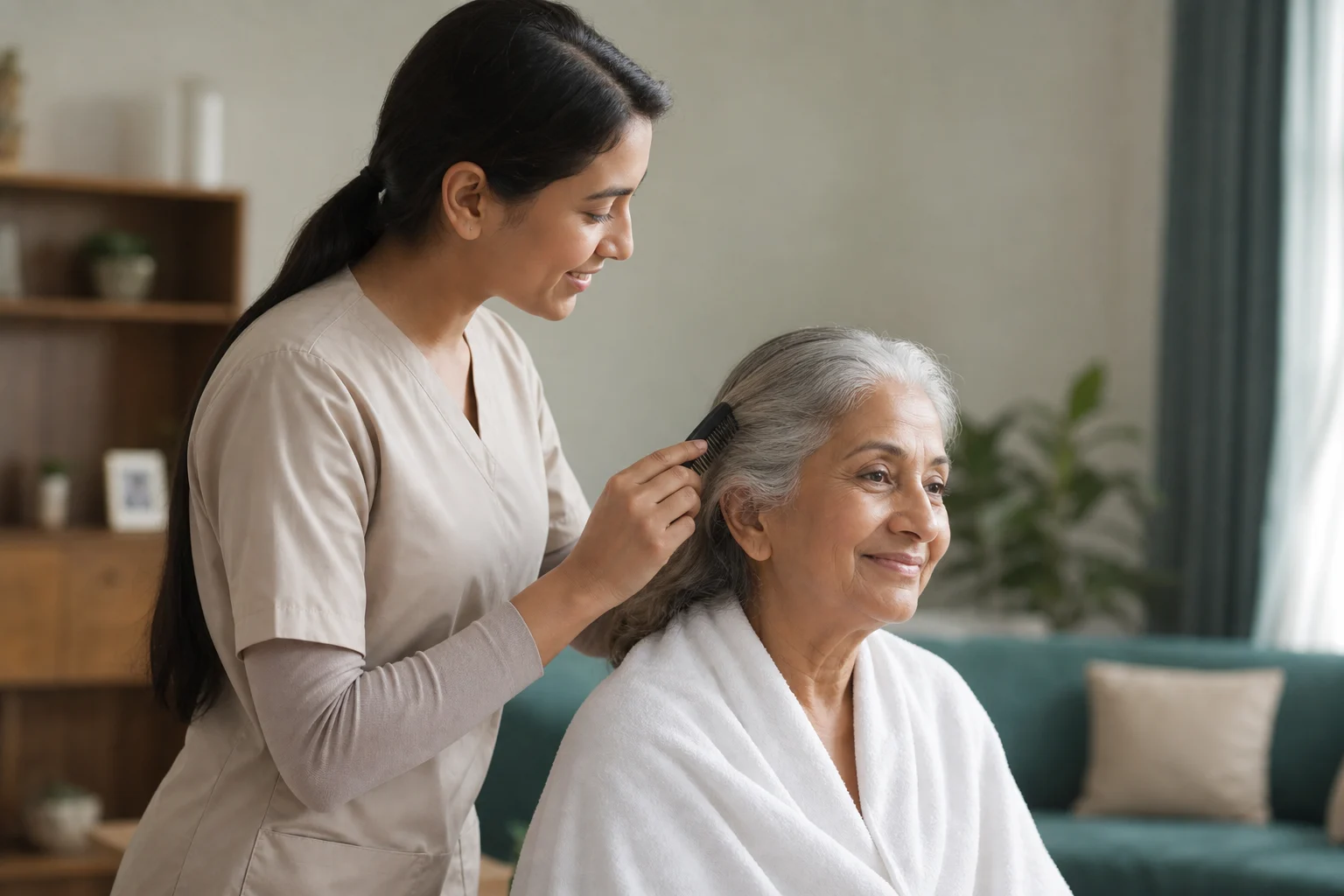
- Personal Care Services: These include assistance with activities of daily living (ADLs) such as bathing, grooming, dressing, and toileting. Caregivers are trained to provide these services with dignity and respect, ensuring clients feel comfortable and supported.
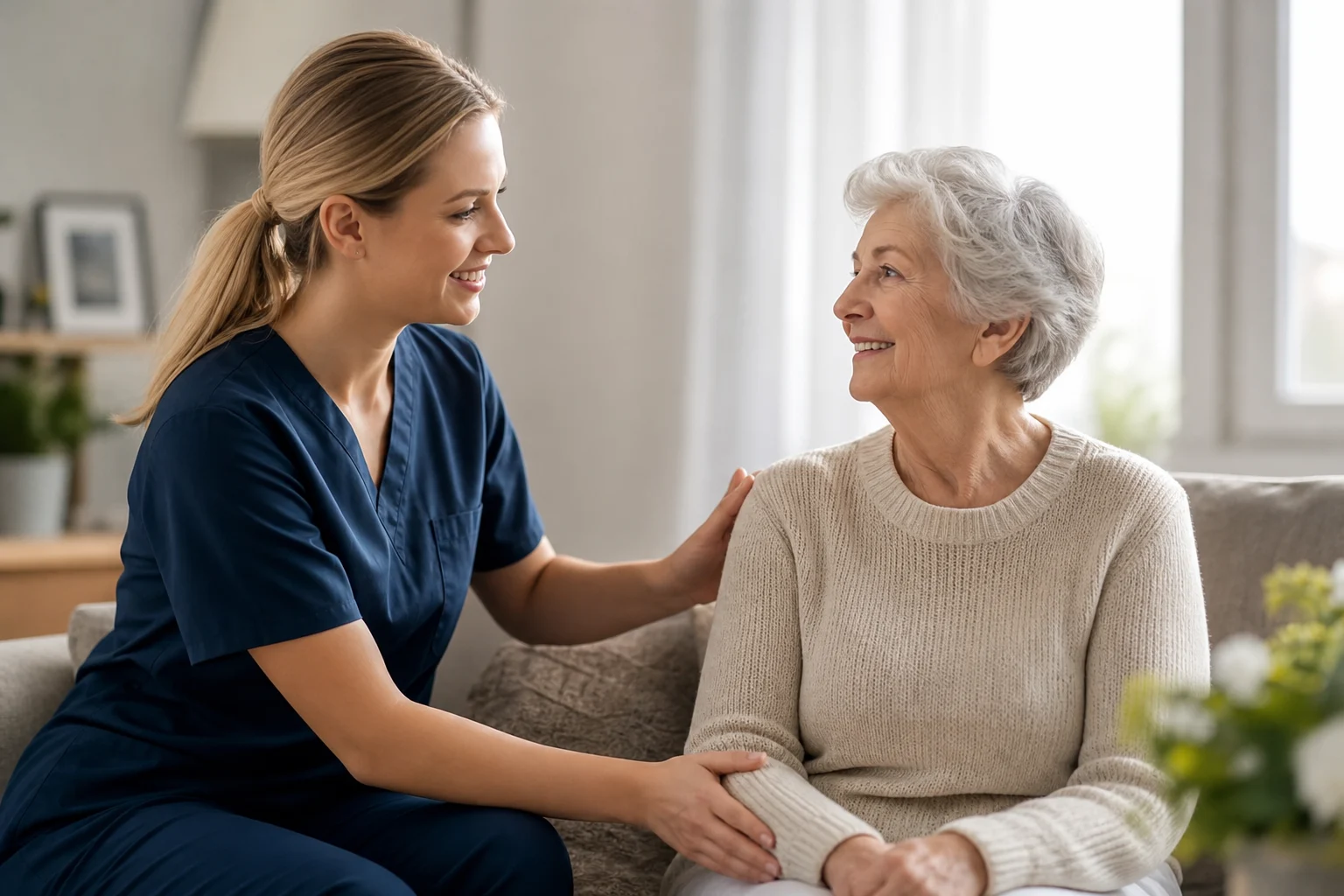
- Companionship: Loneliness can be a significant issue for many individuals, especially seniors. Companionship services provide not only social interaction but also emotional support. Caregivers can engage clients in conversation, accompany them on walks, or partake in hobbies together, which can enhance the quality of life.
- Meal Preparation: Nutrition is vital for maintaining health, and in-home personal care often includes meal planning and preparation. Caregivers can help ensure that clients receive balanced meals that cater to their dietary restrictions and preferences. This service is invaluable for those who may have difficulty cooking for themselves or managing grocery shopping.
- Medication Management: Proper medication management is crucial for individuals with chronic conditions. In-home caregivers can assist in organizing medications, reminding clients when to take them, and ensuring that medications are taken as prescribed. This reduces the risk of medication errors and promotes adherence to treatment plans.
- Light Housekeeping: Maintaining a clean environment is essential for health and safety. Caregivers can assist with light housekeeping tasks, such as laundry, vacuuming, and washing dishes, which can help clients maintain a tidy living space without overwhelming them.
In-home personal care is flexible and can be adjusted according to the evolving needs of the client. Whether clients require full-time care or just a few hours a week, services can be modified accordingly. This adaptability is particularly beneficial for those recovering from surgery or illness, as they may need more intensive support initially and less as they regain their independence.
In-home personal care also empowers clients by allowing them to maintain control over their daily routines. Unlike in institutional settings where schedules are often rigid, in-home care allows individuals to dictate their own schedules, promoting autonomy. Clients can choose when to wake up, what to eat, and how to spend their day, fostering a sense of independence that is vital for emotional health.
The relationship between caregivers and clients can be incredibly beneficial. Consistent caregivers often build strong bonds with their clients, which can lead to trust and comfort. This rapport allows caregivers to better understand their clients' preferences and needs, resulting in more personalized and effective care. For families, knowing that a trusted caregiver is looking after their loved ones can provide peace of mind, knowing that they are in good hands.
When considering in-home personal care, it’s essential to choose a reputable provider. Families should look for agencies that conduct thorough background checks on their caregivers, offer training and ongoing education, and have positive reviews from other clients. Open communication between families, clients, and caregivers is crucial to ensuring that everyone is on the same page regarding the care provided.
In-home personal care is not just a service; it is a lifeline for many individuals seeking to maintain their independence while receiving the support they need. By understanding the various aspects of in-home personal care, families can make informed decisions that enhance the quality of life for their loved ones. This type of care not only meets physical needs but also nurtures emotional and mental well-being, allowing individuals to thrive in their own homes.
It’s important to recognize that in-home personal care is part of a broader continuum of care. It can complement other forms of healthcare, including therapy and nursing services, creating a holistic support system that addresses all aspects of a client's health. By integrating in-home personal care into a comprehensive care plan, individuals can enjoy enhanced quality of life and greater independence as they navigate the challenges of aging or illness.
The Advantages of In-Home Personal Care
Choosing personal care at home over institutional care offers numerous benefits that can significantly improve the quality of life for clients and peace of mind for their families. Here are some of the key advantages:
- Promotes Independence: One of the most significant benefits of in-home personal care is that it allows clients to maintain independence. In a familiar environment, individuals can engage in daily activities with the support they need, which fosters a sense of autonomy and dignity.
- Personalized Care: In-home personal care services are tailored to meet the specific needs of each client. Care plans are developed in collaboration with clients and their families, ensuring that the services provided align with individual preferences and requirements.
- Comfort of Home: There is an undeniable comfort associated with being in one’s own home. Familiar surroundings can reduce anxiety and promote a sense of security, which is especially beneficial for clients dealing with cognitive impairments or chronic conditions.
- Quality of Life: With the right support, clients can engage in social activities, hobbies, and other interests that contribute to their overall well-being. In-home personal care encourages a more active lifestyle, which can lead to improved physical and mental health.
- Flexible Scheduling: In-home personal care services can be scheduled according to the specific needs of the client and their family. Whether it’s a few hours a day or around-the-clock assistance, flexibility is a hallmark of personalized care.
- Family Involvement: In-home care allows family members to remain involved in the care process. They can participate in care planning and receive updates on their loved one’s well-being, which fosters a collaborative approach to care.
Supporting Emotional and Mental Well-Being
To the physical benefits of in-home personal care, there is a significant impact on emotional and mental health. Many clients experience feelings of loneliness and isolation, particularly if they have limited mobility or health issues. Personal care support provides companionship and social interaction, which can alleviate these feelings.
Caregivers often engage clients in meaningful conversations, assist with hobbies, or even accompany them on outings, all of which contribute to a more fulfilling life. This emotional support is just as crucial as physical assistance, as it nurtures a sense of belonging and improves overall happiness.
The Role of Ability Homes in Personal Care
At Ability Homes, our mission is to enhance the independence and quality of life of our clients through compassionate home health care services. Our expert team is dedicated to providing personalized care solutions that address the unique needs of each individual. We offer a variety of services, including:
- 24/7 support and supervision
- Nursing services
- Daily personal care and assistance
With our experienced caregivers, families can rest assured that their loved ones are in capable hands. We prioritize building trust and establishing strong relationships with our clients, which is vital for effective care delivery.
How to Get Started with In-Home Personal Care
If you are considering in-home personal care for a loved one, the process starts with a consultation. At Ability Homes, we take the time to understand your family's needs and the specific challenges faced by your loved one. This initial assessment allows us to create a customized care plan that outlines the services required and the frequency of care.
Once a plan is in place, our caregivers will begin providing services, ensuring that each visit is consistent and reliable. We remain committed to open communication with families, providing updates and making adjustments to the care plan as necessary.
To begin the journey of in-home personal care, it’s essential to follow a structured approach that ensures all aspects are covered. Here’s a detailed guide to help you through the process:
1. Identify the Needs of Your Loved One
Before contacting a personal care agency, take some time to assess your loved one’s needs. Consider their physical health, mental well-being, and daily living activities. Some common areas where individuals may require assistance include:
- Personal Hygiene: This includes bathing, grooming, and oral care.
- Meal Preparation: Ensuring they receive nutritious meals tailored to any dietary restrictions.
- Medication Management: Helping with reminders and organizing prescriptions.
- Mobility Assistance: Support with getting in and out of bed, walking, or using mobility aids.
- Companionship: Providing social interaction to combat loneliness and improve mental health.
2. Research In-Home Personal Care Providers
Once you have a clear understanding of your loved one’s needs, start researching potential in-home personal care providers. Look for agencies that are licensed, insured, and have a good reputation in the community. You can gather information in the following ways:
- Online Reviews: Check platforms like Google, Yelp, and Facebook for feedback from other families.
- Referrals: Ask friends, family, or healthcare professionals for recommendations.
- Interviews: Schedule interviews with potential agencies to gauge their experience and professionalism.
3. Schedule a Consultation
After narrowing down your options, schedule a consultation with the chosen agency. During this meeting, be prepared to discuss your loved one's specific needs and any concerns you may have. It’s also a good opportunity to ask about:
- Caregiver Qualifications: What training and background checks do caregivers undergo?
- Care Plan Development: How is the care plan created and adjusted over time?
- Communication: How does the agency keep families informed about the care being provided?
4. Develop a Customized Care Plan
Based on the consultation, the agency will help you create a customized care plan tailored to your loved one's needs. This plan should include:
- Types of Services: Detailed descriptions of the services to be provided.
- Schedule: Frequency and duration of visits, including any specific times that work best for your loved one.
- Goals: Identifiable goals to measure progress, such as improving mobility or enhancing social interaction.
5. Choose the Right Caregiver
Finding the right caregiver is crucial for the success of in-home personal care. The agency should provide you with options and allow you to meet the caregivers who will be working with your loved one. Consider the following factors:
- Compatibility: Does the caregiver's personality mesh well with your loved one?
- Experience: Do they have experience with specific needs, such as dementia care or mobility assistance?
- Communication Style: Is the caregiver someone who communicates well and with empathy?
6. Monitor and Adjust the Care Plan
Once in-home personal care begins, it’s important to regularly monitor the situation. Keep lines of communication open with the caregiver and the agency. Schedule periodic check-ins to discuss your loved one’s progress and any changes in their condition or needs. Adjustments to the care plan may be necessary, and the agency should be responsive to any feedback you provide.
7. Involve Family and Friends
In-home personal care can be a team effort. Encourage family members and friends to stay involved in your loved one’s care. This not only provides additional support but also helps maintain a sense of community and connection. Family involvement can take many forms, including:
- Visiting regularly to spend time with your loved one.
- Assisting with transportation to appointments or social activities.
- Helping with household tasks that may not be covered by the caregiver.
8. Evaluate the Care Experience
After a period of receiving in-home personal care, evaluate the overall experience. Are your loved one's needs being met? Are they comfortable with the caregiver? Gather feedback from them, and don’t hesitate to reach out to the agency if you have concerns. It’s a collaborative effort, and adjustments may be necessary for optimal care.
In-home personal care can greatly enhance the quality of life for your loved one, allowing them to maintain independence and dignity in the comfort of their home. By following these steps, you can ensure a smooth transition into care, ultimately leading to a more fulfilling experience for both your loved one and your family. With the right support in place, you can focus on spending quality time together, knowing that their personal care needs are being met effectively and compassionately.