The Future of Personal Care Services: Trends to Watch
As the landscape of home health care continues to evolve, personal care services are becoming an increasingly vital component of support for seniors and individuals with disabilities. At Ability Homes, we are committed to providing compassionate home health care services that enhance the independence of our clients in Brooklyn Park, MN. In this article, we will explore the emerging trends in personal care services, the innovations that are shaping the future of in-home care, and how these developments can benefit families seeking reliable personal care solutions.
Understanding Personal Care Services
Personal care services encompass a wide range of support designed to assist individuals with daily living tasks. These services cater primarily to seniors, individuals with disabilities, and those recovering from illnesses or surgeries. The objective is to enable clients to maintain their independence while ensuring their safety and well-being in their own homes.
Personal care services are not one-size-fits-all; they are tailored to meet the unique needs of each individual. This customization is essential as it allows caregivers to focus on specific challenges that clients face, whether that be mobility issues, cognitive impairments, or simply the need for companionship. Let's delve deeper into the various aspects of personal care services and how they can significantly improve the quality of life for those in need.
Here are some of the primary services offered under the umbrella of personal care:
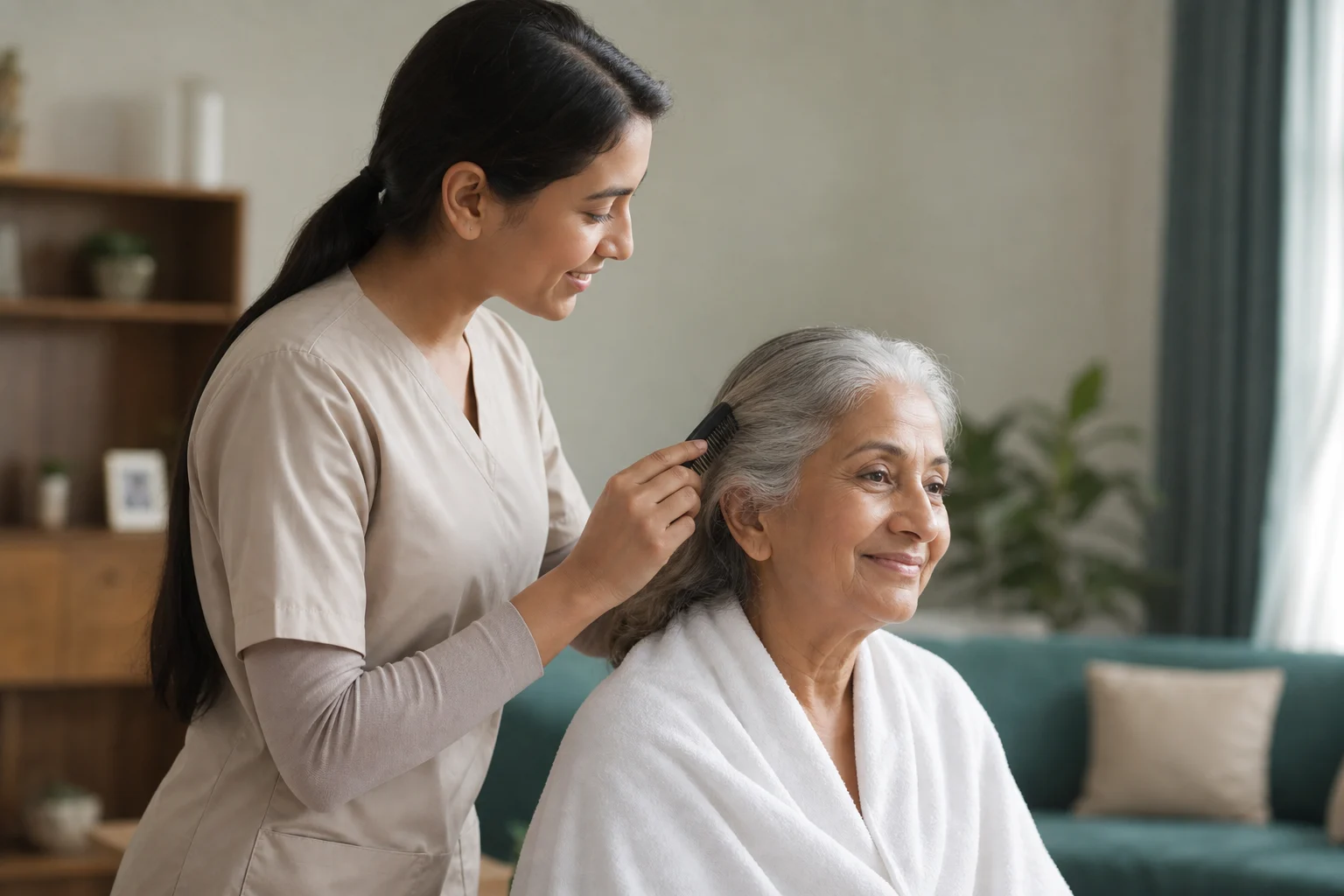
- Assistance with bathing, dressing, and grooming: Personal hygiene is crucial for health and self-esteem. Caregivers provide support for bathing, grooming hair, and dressing. This assistance not only ensures cleanliness but also helps clients feel more confident and dignified.
- Medication management: Many individuals take multiple medications, and managing them can be overwhelming. Personal care services often include reminders to take medications, assistance with organizing pillboxes, and coordination with healthcare providers to ensure medication is taken as prescribed.
- Meal preparation: Nutrition plays a vital role in health, especially for seniors and those with specific dietary needs. Caregivers can prepare healthy meals, cater to dietary restrictions, and ensure that clients receive balanced nutrition tailored to their health conditions.
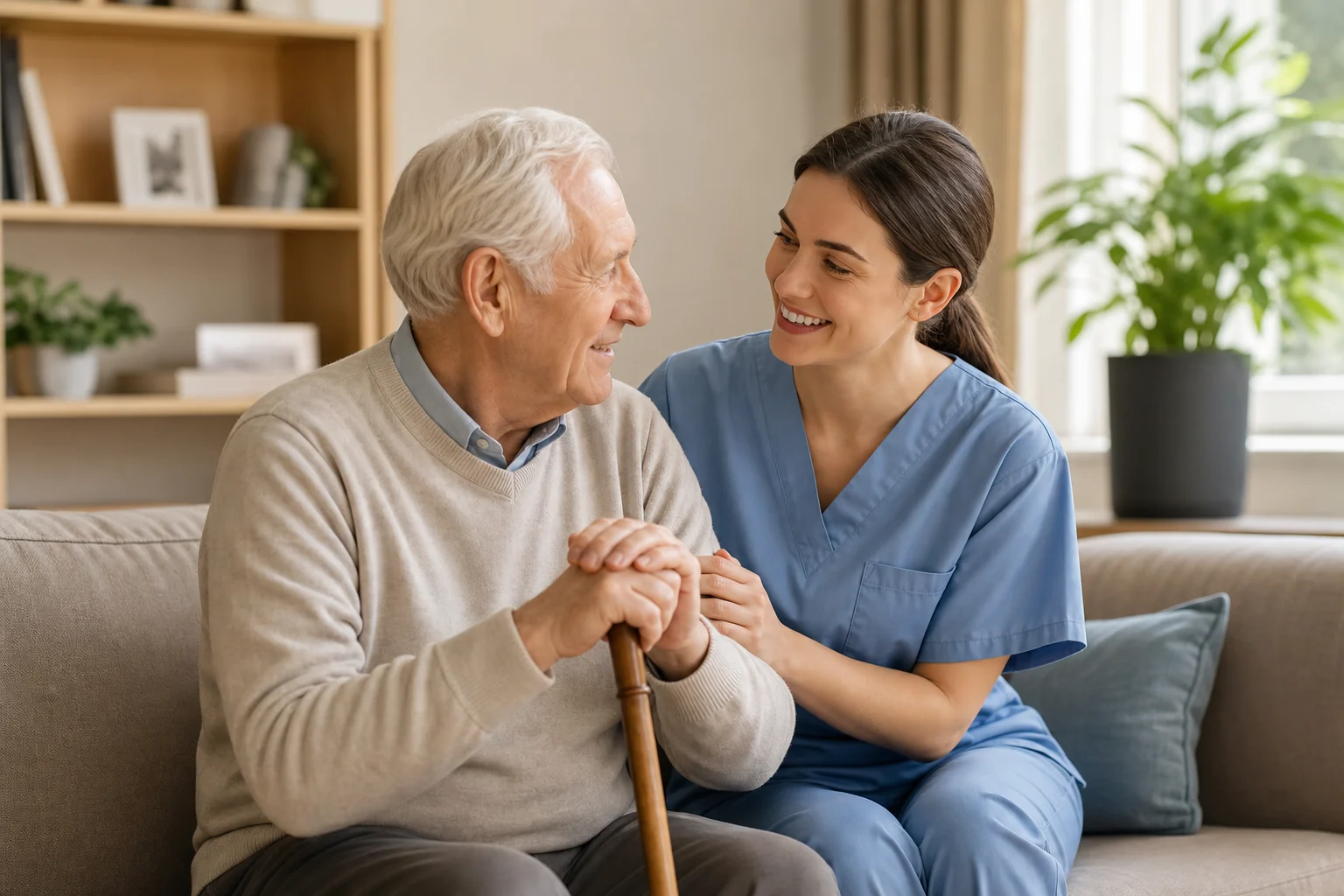
- Mobility assistance: For individuals with physical limitations, mobility can be a challenge. Caregivers help clients move safely around their homes, ensuring they can participate in daily activities without the risk of falls or injuries.
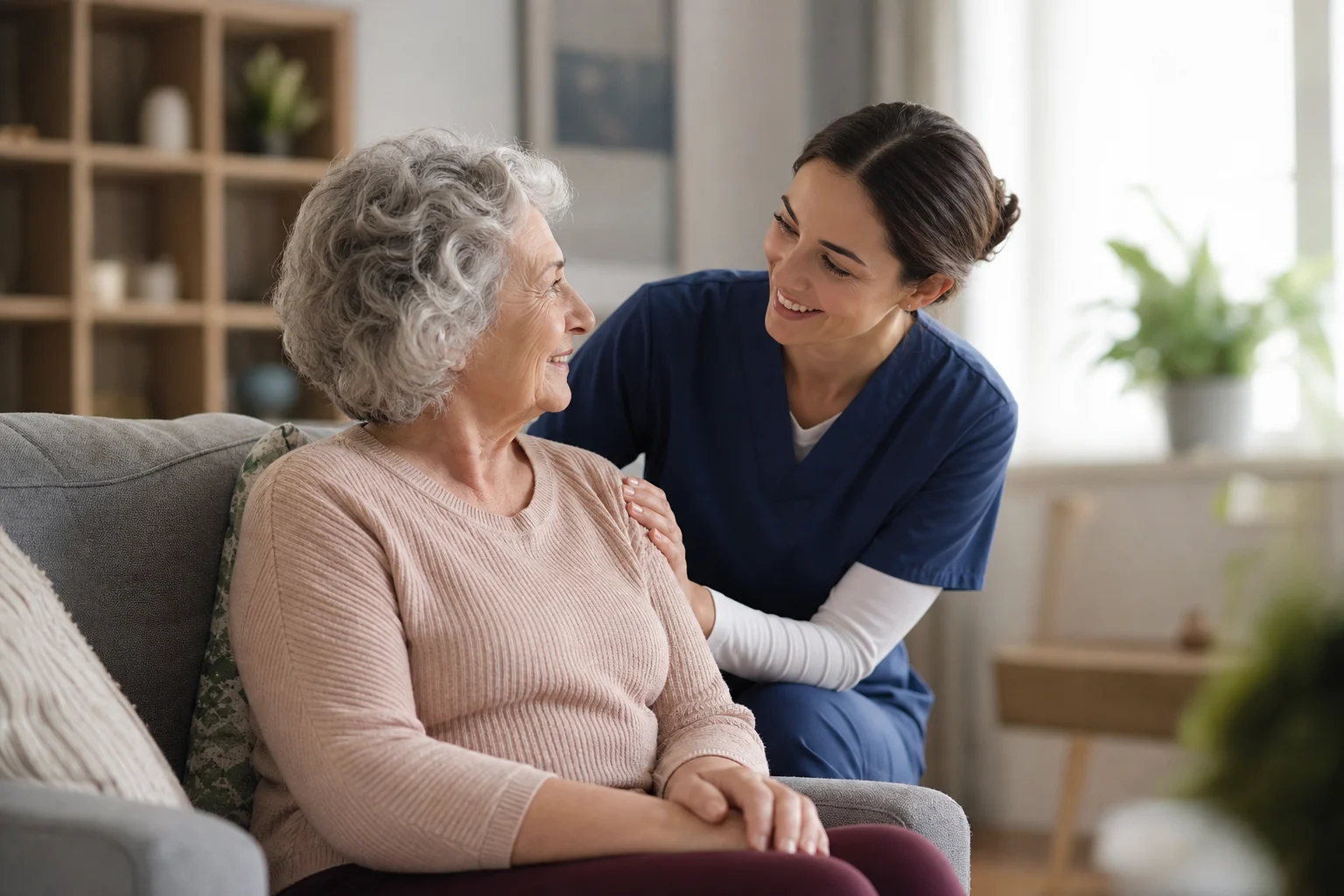
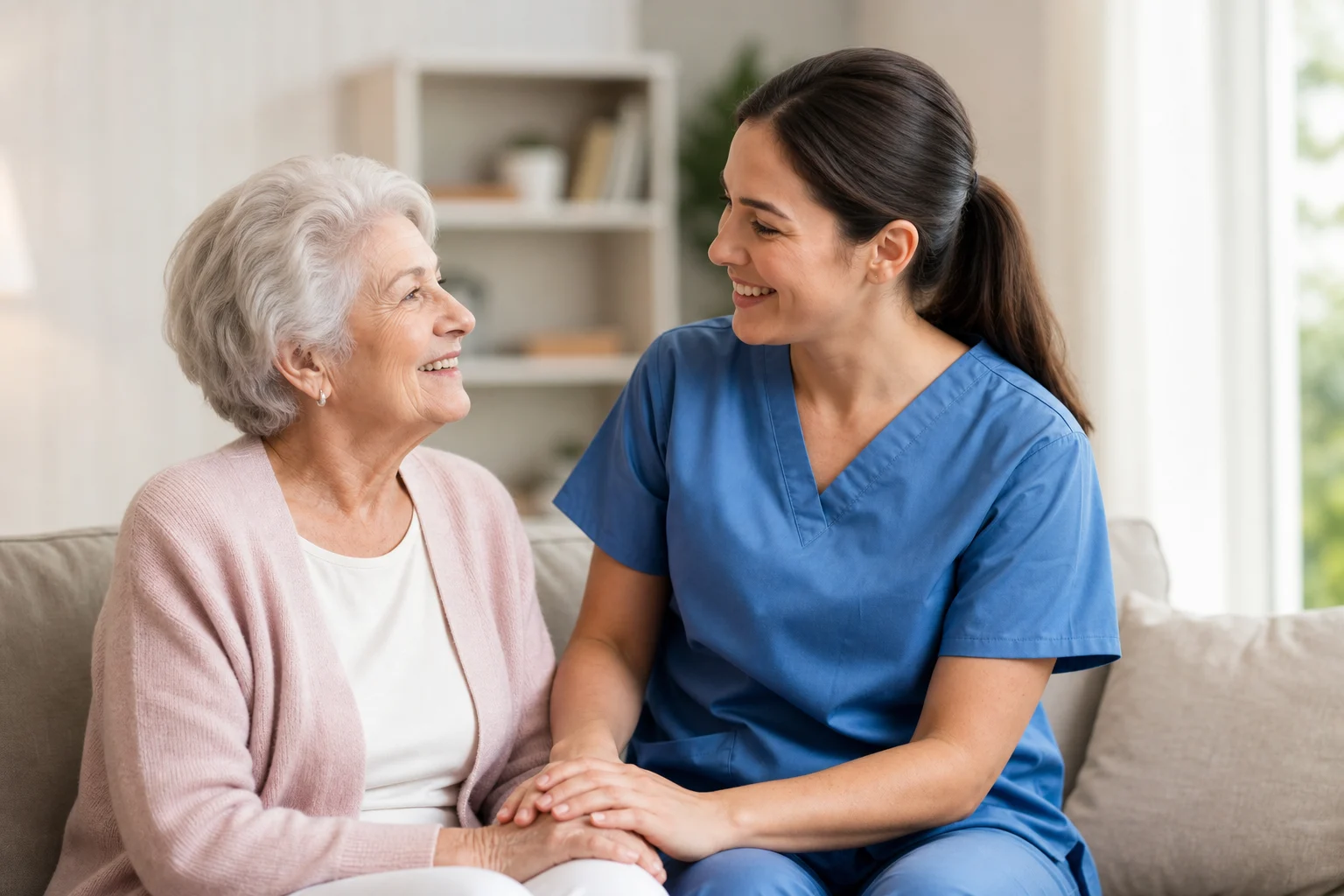
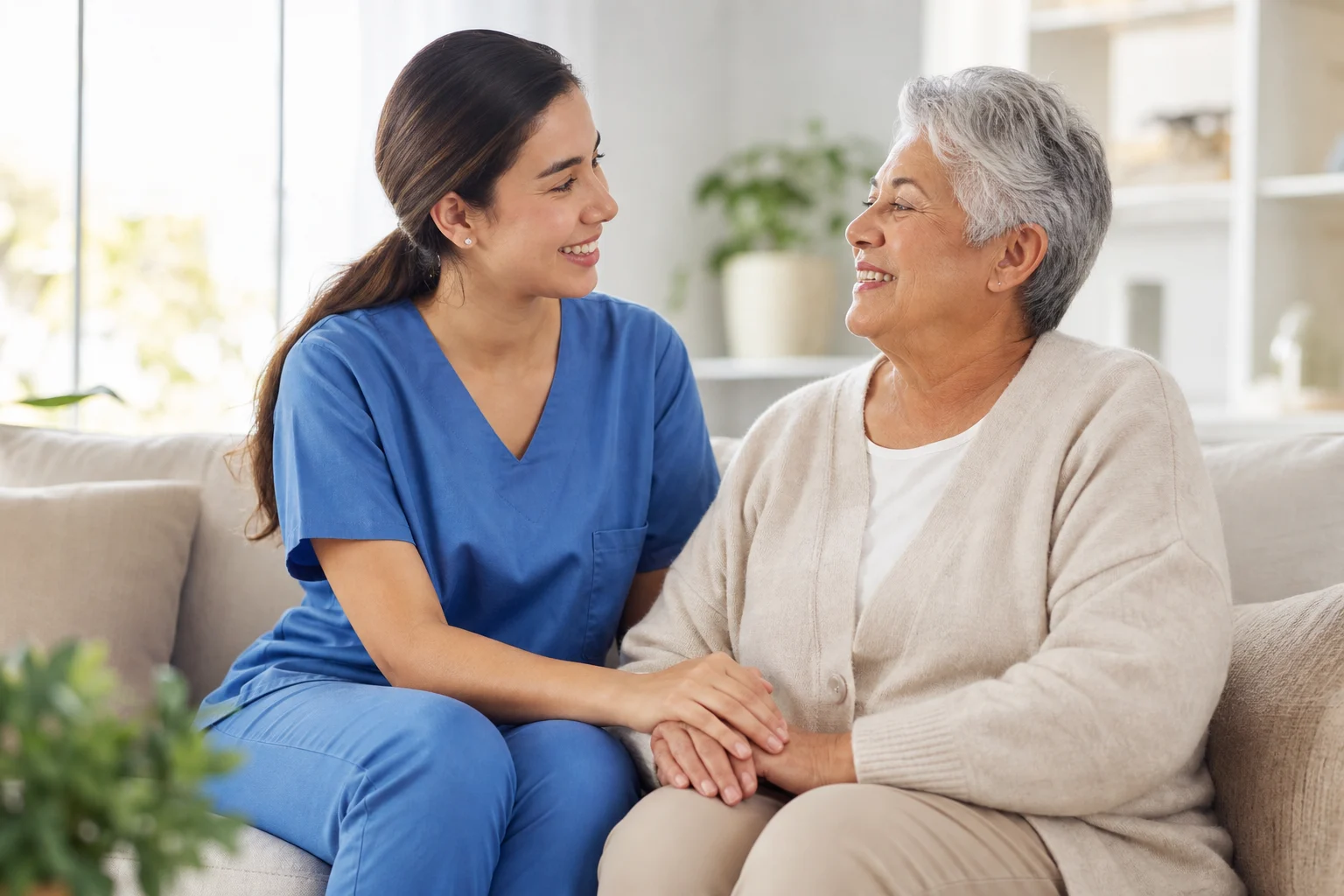
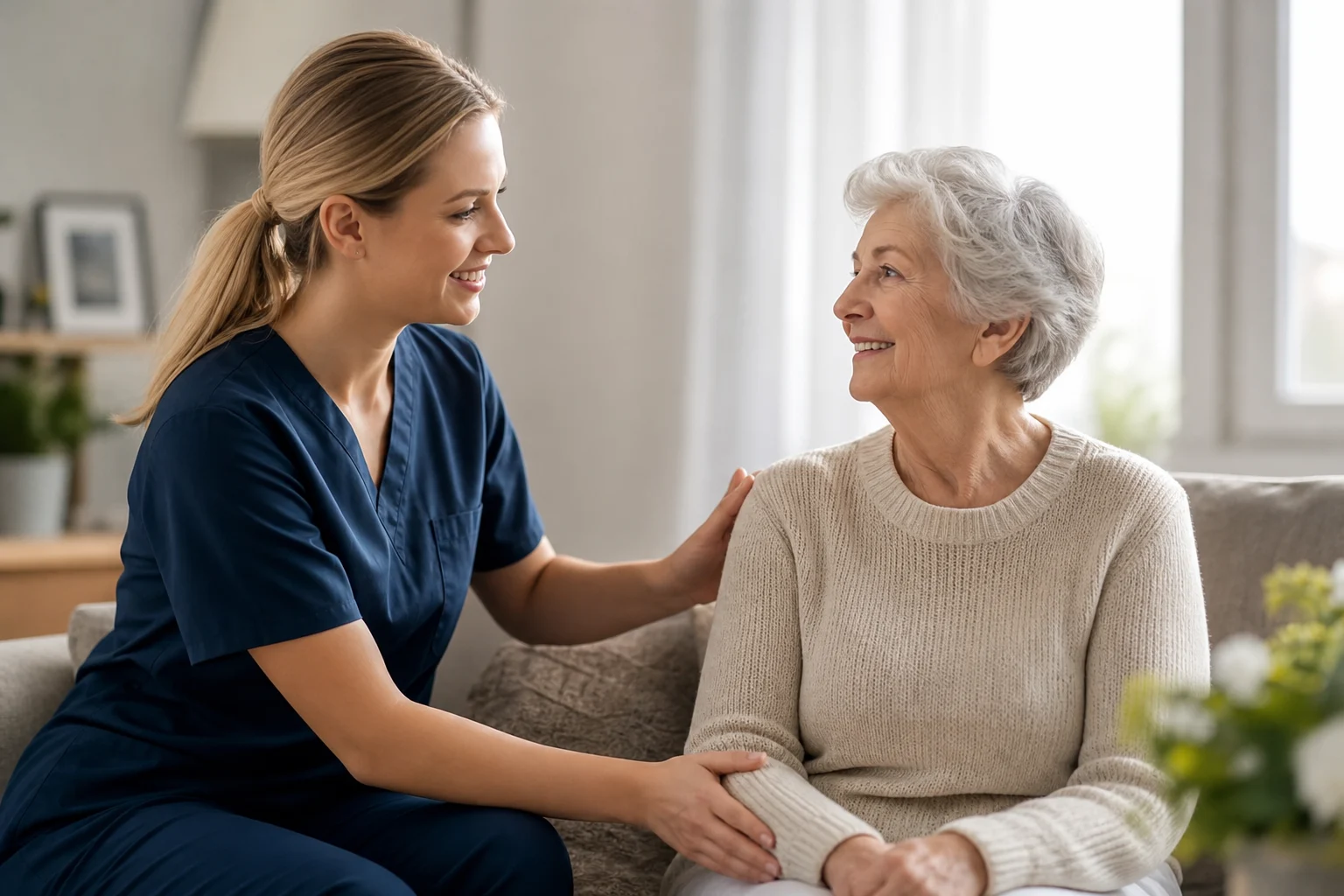
- Companionship and social interaction: Loneliness can significantly impact mental health. Personal care services often include companionship, where caregivers engage clients in conversations, activities, or outings. This social interaction is vital for emotional well-being.
Beyond these core services, personal care providers also offer additional support that can be crucial for maintaining a high quality of life. These may include:
- Light housekeeping: A clean living environment is essential for health and comfort. Personal care services often cover light housekeeping tasks like laundry, vacuuming, and tidying up, allowing clients to live in a safe and pleasant environment.
- Transportation assistance: Many clients require assistance getting to medical appointments, grocery shopping, or social events. Caregivers can provide transportation or accompany clients to ensure they stay connected to their community.
- Respite care: Family caregivers often need a break to recharge. Personal care services can provide temporary relief, allowing family members to rest, knowing their loved ones are in good hands.
At Ability Homes, our goal is to provide affordable personal care that meets the unique needs of each client. Our expert team offers 24/7 support and supervision, nursing services, and daily personal care tailored to enhance the quality of life for our clients. We understand that entering into personal care services can be a daunting decision for both clients and their families. Here are some key factors to consider when choosing a personal care service provider:
1. Qualifications and Training: Ensure that the personal care service provider employs caregivers who are properly trained and certified. Look for agencies that conduct thorough background checks and offer ongoing training to their staff. This ensures that caregivers are equipped with the latest skills and knowledge to provide the best care possible.
2. Customization of Services: A reputable personal care agency will conduct a comprehensive assessment of the client’s needs before developing a care plan. This plan should be flexible and adjustable as the client’s needs change over time.
3. Communication: Effective communication is key to successful personal care. The agency should maintain open lines of communication with both clients and their families, providing regular updates on care and being responsive to any concerns that arise.
4. Quality of Care: Research the agency's reputation and look for reviews or testimonials from previous clients. Quality care often reflects in the satisfaction of clients and their families. Ask about the agency’s policies regarding caregiver assignments and continuity of care, as having the same caregiver can help build trust and comfort.
5. Affordability and Insurance: Personal care services can be a significant investment. It’s essential to understand the cost structure and what services are included. Inquire about insurance coverage, as some plans may cover personal care services.
As the landscape of personal care services continues to evolve, staying informed about trends and developments is crucial. For instance, the integration of technology in personal care is becoming increasingly prevalent. Many agencies are adopting telehealth solutions, allowing caregivers to monitor clients remotely and provide virtual check-ins, which can enhance the quality of care and ensure timely interventions when needed.
The growing emphasis on holistic care is transforming how personal care services are delivered. This approach includes not only addressing physical needs but also focusing on emotional and mental health. Programs that incorporate activities promoting mental stimulation, emotional support, and social engagement are becoming more common, recognizing the importance of overall well-being.
Personal care services are a vital resource for individuals who require assistance with daily living tasks. By understanding the various services offered, evaluating potential providers carefully, and keeping an eye on industry trends, clients and their families can make informed decisions that significantly enhance their quality of life. At Ability Homes, we are dedicated to delivering personalized, compassionate care that empowers our clients to live independently and with dignity in their own homes.
Trend 1: Technology Integration in Personal Care
The integration of technology into personal care services is one of the most significant trends shaping the future of home health care. Innovations such as telehealth, wearable devices, and mobile applications are making it easier for caregivers to monitor and support their clients. These technologies enable:
- Remote Monitoring: Caregivers can track vital signs and daily activities in real time, allowing for timely interventions when necessary.
- Telehealth Services: Virtual consultations provide clients with access to healthcare professionals without the need for in-person visits, making healthcare more accessible.
- Smart Home Devices: Automated reminders and smart home technology can assist clients in daily tasks, enhancing their independence.
By embracing technology, personal care services can become more efficient and responsive to the needs of clients and their families.
Trend 3: Focus on Mental Health and Well-Being
As awareness of mental health issues grows, personal care services are increasingly incorporating mental health support into their offerings. This trend recognizes that emotional and psychological well-being is just as important as physical health. The integration of mental health support into personal care services not only enhances the quality of life for clients but also addresses the holistic needs of individuals receiving care. Here are key aspects of this trend, along with practical guidance for implementing these services:
- Companionship Services: The importance of social interaction cannot be overstated, particularly for seniors who may experience isolation and loneliness. Personal care services are now focusing on providing companionship as a core offering. Caregivers are trained to engage clients in meaningful conversations, encourage participation in social activities, and even facilitate connections with family and friends through technology. For instance, caregivers might help clients set up video calls with loved ones, or accompany them on outings to community events or local clubs. This not only lifts the spirits of clients but also contributes to improved mental health outcomes. Studies have shown that regular social interaction can reduce feelings of depression and anxiety, making companionship services a critical component of personal care.
- Mindfulness and Cognitive Activities: Engaging clients in activities that stimulate the mind can help combat cognitive decline and improve overall well-being. Personal care services are increasingly offering programs that include mindfulness exercises, puzzles, and memory games. For example, caregivers might lead clients in guided meditation sessions or teach them simple breathing techniques to help manage stress. Cognitive activities such as jigsaw puzzles, crossword puzzles, or memory card games can be incorporated into daily routines. These activities not only provide mental stimulation but also promote a sense of accomplishment and purpose. Caregivers should be encouraged to tailor these activities to the interests and abilities of their clients, ensuring that they remain engaged and motivated.
- Training for Caregivers: To effectively address mental health needs, caregivers must be equipped with the right tools and knowledge. Training programs are essential for teaching caregivers how to recognize signs of mental health issues, such as depression or anxiety, and how to respond appropriately. This might include understanding the importance of active listening, showing empathy, and providing emotional support. Caregivers should also be trained to develop personalized care plans that incorporate mental health goals. For example, a caregiver might work with a client to set specific social interaction goals each week, such as attending a community event or joining a book club. Ongoing training can help caregivers stay informed about the latest mental health strategies and resources, allowing them to provide the best possible support to their clients.
- Holistic Approaches: Personal care services are increasingly adopting holistic approaches that consider the whole person. This means looking beyond physical health to include emotional, social, and spiritual well-being. Caregivers are encouraged to engage clients in discussions about their interests, values, and beliefs. For example, incorporating spiritual practices like prayer or meditation can be beneficial for clients who find comfort in these activities. Caregivers might also explore creative outlets such as art, music, or gardening, which can serve as therapeutic tools for self-expression and emotional healing.
- Collaboration with Mental Health Professionals: To enhance the effectiveness of personal care services, collaboration with mental health professionals is becoming increasingly important. Personal care agencies are now more likely to partner with psychologists, counselors, and social workers to provide comprehensive care. This collaboration can take various forms, from conducting mental health screenings to offering therapy sessions within the home. For instance, a mental health professional might visit a client regularly to provide therapy, while a caregiver assists with daily living activities. This integrated approach ensures that clients receive well-rounded support tailored to their unique needs.
- Family Involvement: Involving family members in the care process can significantly enhance mental health support for clients. Personal care services are recognizing the importance of family dynamics and the role of loved ones in a person's mental well-being. Caregivers can facilitate family meetings to discuss the client's care plan, share observations about their emotional state, and encourage family members to participate in activities with the client. This not only strengthens family bonds but also provides clients with a support network that fosters emotional resilience.
- Utilizing Technology: The rise of technology in personal care services has also paved the way for enhanced mental health support. Telehealth services allow clients to access mental health professionals from the comfort of their homes, making it easier for them to seek help when needed. Various mental health apps can provide clients with resources for mindfulness, stress management, and cognitive exercises. Caregivers can help clients navigate these technologies, ensuring they are comfortable and able to utilize them effectively.
By addressing both physical and mental health, personal care services can enhance the overall quality of life for clients. Emphasizing mental health and well-being not only supports individuals in managing their emotional needs but also contributes to a more fulfilling and enriched life. As the landscape of personal care continues to evolve, the focus on mental health will undoubtedly play a pivotal role in shaping the future of in-home care services, fostering a more compassionate and comprehensive approach to personal care.
Trend 3: Focus on Mental Health and Well-Being
As awareness of mental health issues grows, personal care services are increasingly incorporating mental health support into their offerings. This trend recognizes that emotional and psychological well-being is just as important as physical health. Key aspects of this trend include:
- Companionship Services: Providing social interaction and companionship can significantly improve mental health outcomes for seniors.
- Mindfulness and Cognitive Activities: Engaging clients in activities that stimulate the mind can help combat cognitive decline and improve overall well-being.
- Training for Caregivers: Caregivers are being trained to recognize signs of mental health issues and provide appropriate support.
By addressing both physical and mental health, personal care services can enhance the overall quality of life for clients.
Trend 4: Increased Demand for In-Home Personal Care
The demand for in-home personal care services is on the rise, driven by an aging population and a preference for aging in place. Families are increasingly seeking affordable personal care solutions that allow their loved ones to remain in the comfort of their own homes. This trend is leading to:
- Greater availability of in-home care options
- More flexible scheduling to accommodate the needs of clients and their families
- Innovative service packages that cater to varying levels of care needs
At Ability Homes, we understand the importance of providing flexible and reliable home health care services that adapt to the changing needs of our clients.
Trend 5: Emphasis on Training and Professional Development
The future of personal care services relies heavily on the quality of caregivers. As such, there is a growing emphasis on training and professional development within the industry. This includes:
- Ongoing education and training programs for caregivers to ensure they are equipped with the latest knowledge and skills
- Certification programs that enhance the credibility of personal care professionals
- Workshops focused on best practices in caregiving and client engagement
At Ability Homes, we prioritize the continuous education of our caregivers to provide the highest standard of care to our clients in Brooklyn Park, MN.