Personal Care for Seniors: Building a Support Network
As we age, the need for personal care assistance becomes increasingly important. Many families find themselves in the position of needing to support their elderly loved ones, ensuring they maintain their independence while receiving the necessary care. At Ability Homes, we understand the delicate balance of providing care while fostering independence, and we are here to help you build a comprehensive support network for seniors. This article will explore the essential components of creating this network, the role that personal care services play, and how you can enhance the quality of life for your loved ones.
The Importance of a Support Network for Seniors
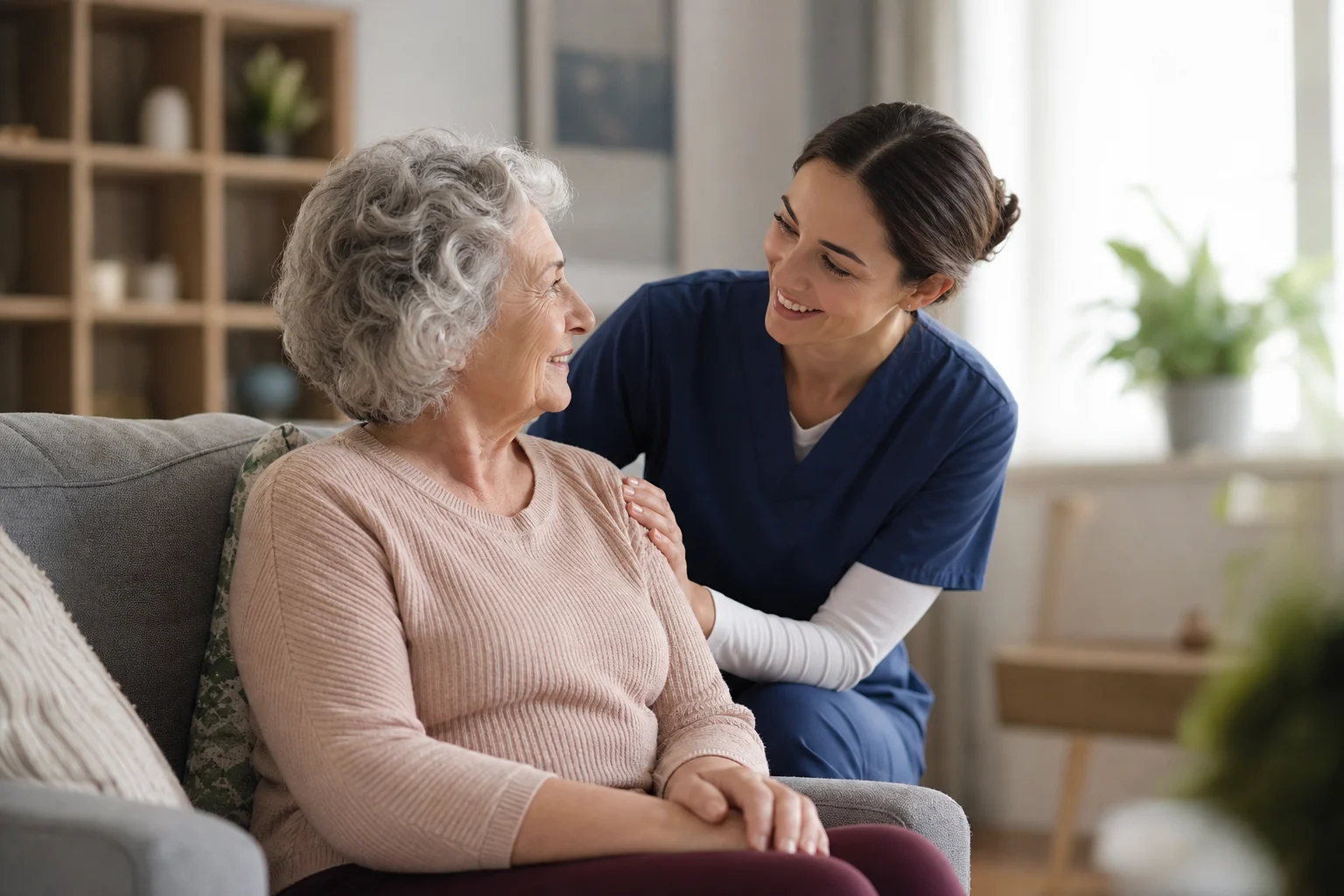
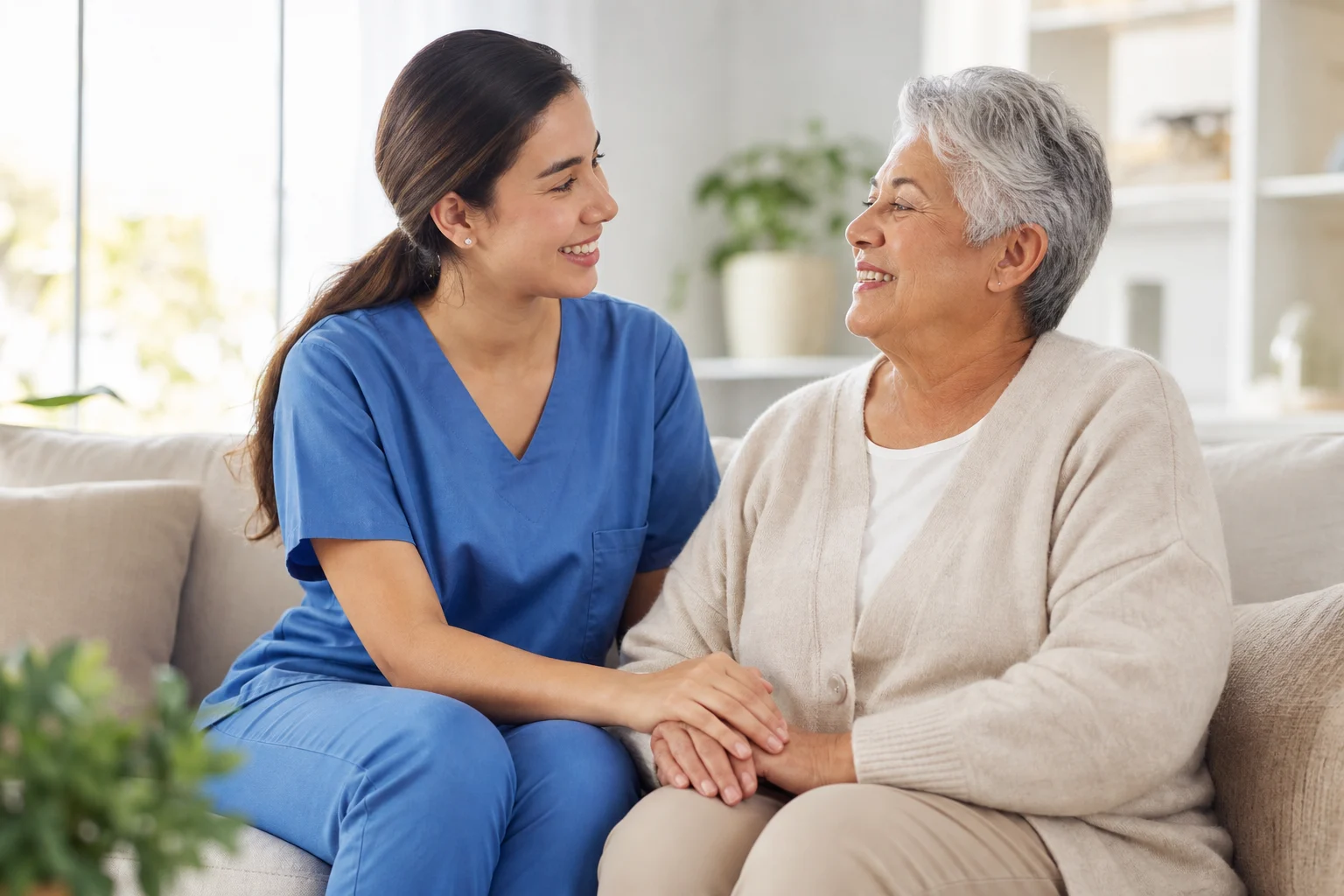
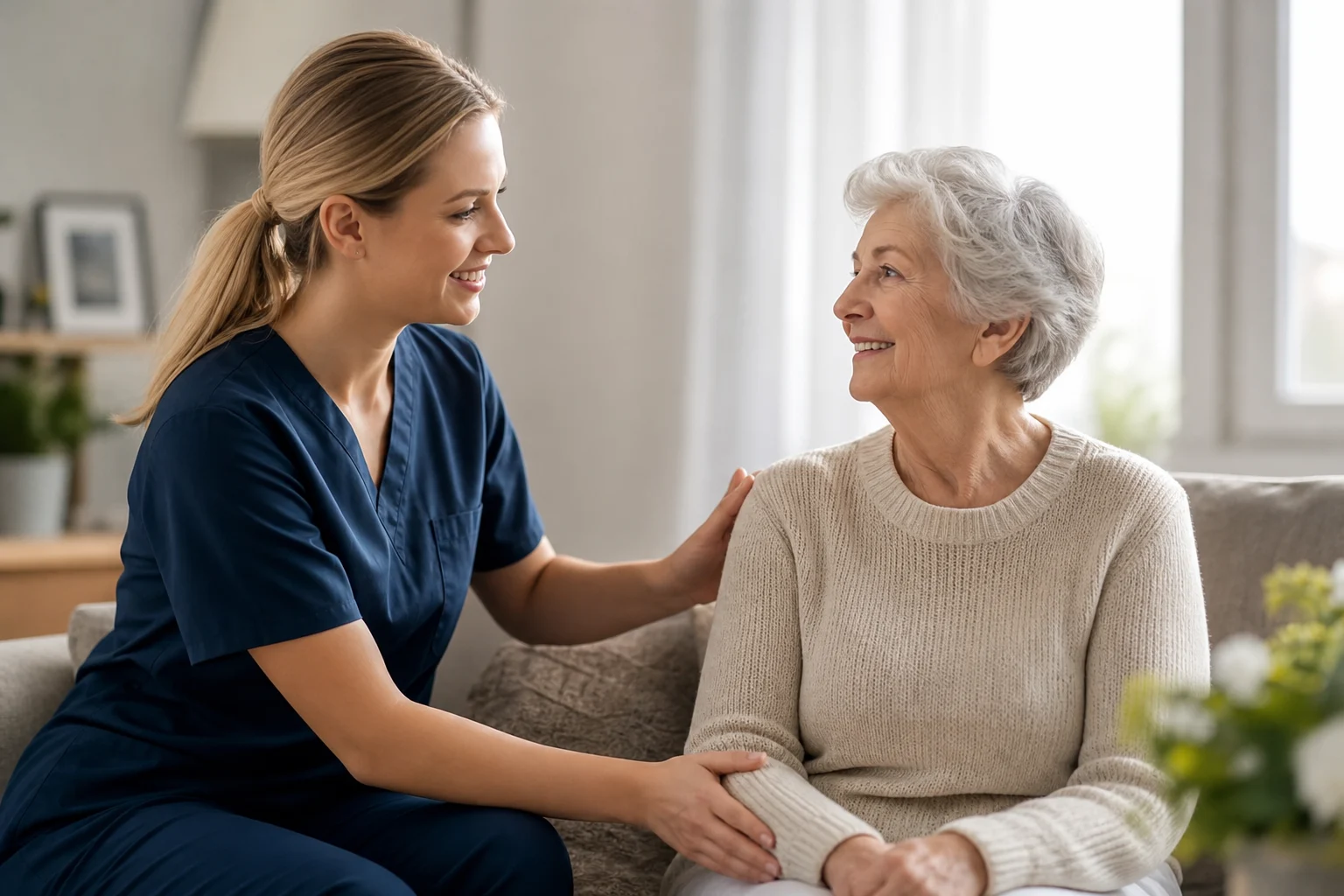
A support network for seniors is crucial for their well-being. It encompasses not only family and friends but also professional services that focus on personal care for seniors. Such a network can significantly improve their quality of life, providing emotional support, assistance with daily living tasks, and companionship. As we delve deeper into the importance of a support network, it becomes clear that these connections offer multifaceted benefits that go beyond mere companionship.
Building a robust support network involves several layers of care and interaction. Here are some key benefits of a strong support network:
- Emotional Well-Being: Social connections can combat feelings of loneliness and isolation, which are common among seniors. Regular engagement with loved ones can foster a sense of belonging and purpose, essential for mental health. For example, participating in community events or group activities can help seniors build new friendships and strengthen existing ones.
- Physical Health: Regular interaction with caregivers and family can encourage seniors to engage in physical activity and maintain their health. Studies have shown that seniors who maintain active social lives tend to have better overall health. Encouraging seniors to join walking clubs, exercise groups, or even gardening clubs can motivate them to stay active and improve their physical well-being.
- Safety and Security: A robust support system helps ensure that seniors have the assistance they need in emergencies. Having a network that includes family members, friends, and professional caregivers can provide peace of mind. For instance, having a neighbor check in regularly or using technology like medical alert devices can significantly enhance safety. It’s essential to establish clear communication channels among all network members to ensure timely assistance when needed.
- Enhanced Independence: With the right support, seniors can continue to live in their homes, maintaining their independence while receiving the personal care they require. Home modifications, such as installing grab bars or ensuring adequate lighting, can make a home safer and more accessible. Hiring in-home caregivers for personal care tasks like bathing, meal preparation, or medication management can empower seniors to live comfortably and independently.
Beyond these individual benefits, a support network can also enhance the overall quality of life for seniors through various practical means:
1. Access to Resources
A well-connected support network can provide seniors with access to vital resources. This includes information on local services such as meal delivery programs, transportation services, and social activities tailored for seniors. For instance, senior centers often host workshops and classes that can help seniors learn new skills or hobbies. Family members and caregivers can play a crucial role in helping seniors navigate these resources and encourage them to participate.
2. Advocacy and Assistance
Having a support network means having advocates who can help seniors express their needs and preferences. Family members can assist seniors in communicating with healthcare providers, ensuring that they receive appropriate medical attention and follow-up care. This advocacy is particularly important when it comes to managing chronic conditions or navigating complex healthcare systems. Seniors often feel more empowered when they know they have someone by their side to help them articulate their concerns and preferences.
3. Planning and Preparation
As seniors age, planning for the future becomes increasingly important. A supportive network can facilitate discussions about long-term care options, advanced directives, and financial planning. Family members can help seniors understand their options and make informed decisions about their care. For example, discussing potential assisted living arrangements or exploring home health care services can provide clarity and reduce anxiety for both seniors and their families.
4. Emotional Support During Transitions
Life transitions, such as moving to a new home, losing a spouse, or facing health challenges, can be particularly difficult for seniors. A strong support network can provide emotional support during these times, helping seniors cope with change. For instance, having a trusted friend or family member available to listen and provide comfort can make a significant difference. Encouraging participation in support groups can also help seniors connect with others facing similar challenges, thereby reducing feelings of isolation.
5. Encouraging Lifelong Learning and Engagement
Keeping the mind active is just as important as maintaining physical health. A support network can encourage seniors to engage in lifelong learning opportunities. This might include enrolling in local classes, attending lectures, or participating in book clubs. Family members can assist by researching opportunities and accompanying seniors to events, making the experience enjoyable and enriching. Engaging in stimulating activities not only fosters social connections but also enhances cognitive function.
6. Utilizing Technology
In today’s digital age, technology can play a pivotal role in maintaining connections within a support network. Video calls, social media, and messaging apps can help seniors stay in touch with loved ones who may not live nearby. There are numerous apps designed specifically for seniors that promote engagement and well-being. Family members can help seniors learn to use these technologies, ensuring they remain connected and informed.
A well-rounded support network for seniors is not merely beneficial; it is essential for their emotional, physical, and social well-being. Building such a network might require time and effort, but the rewards are profound. By fostering connections with family, friends, and professionals, seniors can enjoy a higher quality of life, maintain their independence, and navigate the challenges of aging with confidence. It’s important to remember that every senior is unique; therefore, tailoring the support network to fit individual needs and preferences is vital for its effectiveness.
Identifying the Components of a Support Network
Building a support network involves various components, each contributing to the overall well-being of seniors. Here are the primary elements to consider:
1. Family and Friends
The first line of support often comes from family and friends. They can provide companionship, emotional support, and even assistance with daily tasks. Encourage regular visits and communication to maintain these relationships, as they are vital for emotional health.
2. Personal Care Services
In-home personal care services play a crucial role in the support network. These services can offer a variety of personal care solutions tailored to the specific needs of seniors. At Ability Homes, our compassionate team provides:
- 24/7 support and supervision
- Nursing services for medical needs
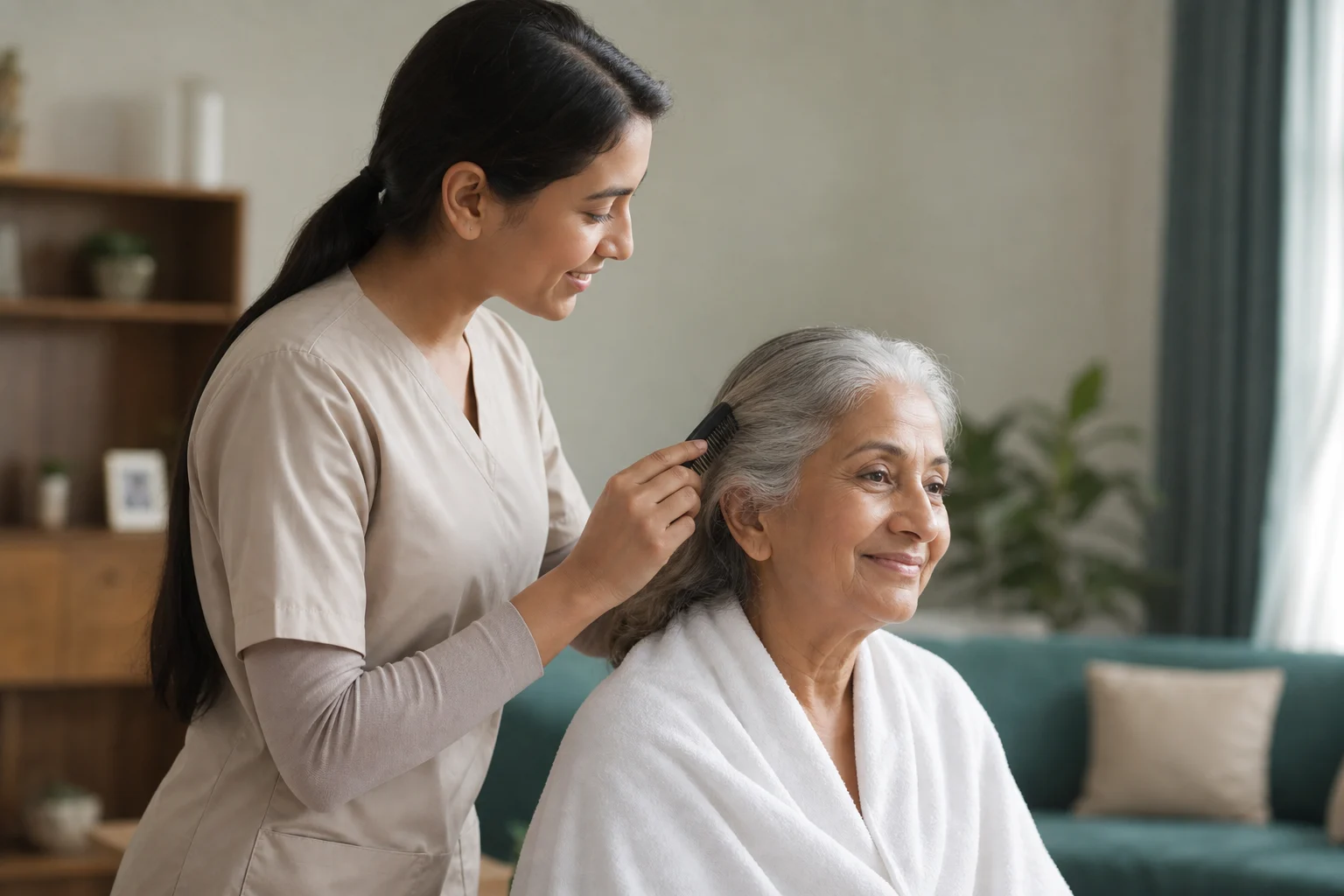
- Daily personal care assistance, including bathing, dressing, and meal preparation
By collaborating with professional caregivers, families can ensure that their loved ones receive the appropriate care without compromising their independence.
3. Community Resources
Local community resources can enhance the support network for seniors. Many communities offer programs specifically designed for elderly individuals, such as:
- Senior centers that provide social activities and meals
- Transportation services for medical appointments and errands
- Support groups for both seniors and their families
Engaging with these resources can help seniors remain active and connected to their community.
4. Healthcare Providers
Regular check-ups and consultations with healthcare providers are essential for maintaining the health of seniors. Building a relationship with a trusted doctor or healthcare team ensures that medical needs are monitored and cared for effectively. This team can include:
- Primary care physicians
- Specialists for specific health concerns
- Physical therapists for rehabilitation and mobility support
How to Build Your Support Network
Creating a support network for seniors can seem daunting, but it can be done through simple steps:
1. Assess Needs
Start by assessing the needs of your loved one. Consider their physical, emotional, and social requirements. This assessment will guide you in determining the types of support they require.
2. Involve Family Members
Involve family members in discussions about care. This collaboration can help distribute responsibilities and ensure that everyone is on the same page regarding the senior’s needs.
3. Research Local Services
Explore local personal care services, like those offered by Ability Homes, to find the right fit for your loved one. Look for reviews and testimonials to gauge the quality of care provided.
4. Connect with Community Resources
Reach out to local senior centers, transportation services, and other community resources. Establishing connections with these organizations can provide additional support and opportunities for your loved one.
5. Maintain Open Communication
Regular communication with everyone involved in the care process is vital. This ensures that any changes in the senior's condition or needs are promptly addressed, allowing for adjustments to the support network as necessary.
Building a Strong Support Network
Building a support network for seniors is essential to enhancing their quality of life. By combining the efforts of family, friends, personal care services, community resources, and healthcare providers, you can create a comprehensive system that ensures your loved one receives the care they need while maintaining their independence. This support network can significantly improve their emotional well-being and overall health, making it crucial for caregivers to actively engage in its development.
To effectively build this network, it’s important to understand the various components that can contribute to a solid support system. Here are some key elements to consider:
1. Family and Friends
The first line of support often comes from family and friends. Regular visits, phone calls, or video chats can help seniors feel connected and valued. Encourage family members to share responsibilities in caregiving tasks. This not only lightens the load for one individual but also fosters a sense of community and shared purpose among family members.
- Regular Check-ins: Schedule weekly family meetings, even if they are virtual, to discuss your loved one’s needs and any changes in their condition.
- Social Engagement: Organize family activities, whether in-person or virtual, to keep the elderly engaged and socially active.
- Involve Children: If there are younger family members, involve them in the care process. Simple gestures like sending handmade cards or regular phone calls can brighten a senior's day.
2. Personal Care Services
Professional personal care services are an invaluable asset in providing seniors with the assistance they need. These services can vary widely, from help with daily activities like bathing, dressing, and meal preparation to more specialized medical care. Here’s how to choose the right service:
- Assess Needs: Conduct a thorough assessment of your loved one’s needs. This may involve consulting with healthcare professionals to determine the level of care required.
- Research Providers: Look for reputable home health care agencies in your area. Check online reviews, ask for recommendations, and ensure they are licensed and insured.
- Trial Period: Many agencies offer trial services. Use this opportunity to gauge the compatibility between the caregiver and your loved one.
3. Community Resources
Local community resources can provide additional support, including meal delivery services, transportation assistance, and social programs designed for seniors. Engaging with these resources can help seniors maintain their independence while ensuring they have access to necessary services.
- Senior Centers: Many communities have senior centers offering activities, classes, and social gatherings. Encourage your loved one to participate in these programs to foster social connections.
- Transportation Services: Investigate local transportation options that cater to seniors, making it easier for them to attend appointments or social events.
- Volunteer Programs: Some organizations have volunteers who can provide companionship, assist with errands, or even help with home maintenance tasks.
4. Healthcare Providers
Regular medical care is a critical component of personal care for seniors. Establishing a strong relationship with healthcare providers ensures that your loved one receives timely medical attention and preventive care. Here are some strategies to enhance this aspect of the support network:
- Coordinate Care: Keep a detailed record of your loved one’s medical history, medications, and appointments. Share this information with healthcare providers to ensure everyone is on the same page.
- Advocate: Be an advocate for your loved one during medical appointments. Prepare questions in advance and ensure that all concerns are addressed.
- Follow-up: Schedule follow-up appointments and ensure medications are refilled on time. This proactive approach can prevent complications and hospitalizations.
5. Emotional and Psychological Support
Emotional well-being is just as important as physical health. Seniors may experience feelings of loneliness, depression, or anxiety, especially if they are living alone or dealing with health issues. Here are ways to address emotional needs:
- Encourage Counseling: If your loved one is struggling emotionally, consider engaging a mental health professional. Therapy can provide a safe space to express feelings and develop coping strategies.
- Support Groups: Look for support groups that focus on issues relevant to seniors, such as chronic illness, bereavement, or caregiving. Sharing experiences with peers can be incredibly therapeutic.
- Mindfulness and Relaxation: Introduce activities that promote relaxation, such as yoga, meditation, or even simple breathing exercises. These can help alleviate stress and improve overall mental health.
As you work to build a support network for your elderly loved ones, remember that open communication is key. Regularly discuss their needs and preferences, allowing them to have a voice in their care. This not only empowers them but also fosters a sense of dignity and respect.
If you are looking to enhance the personal care for your elderly loved ones, consider partnering with Ability Homes. Our dedicated team is here to provide the compassionate home health care services you need. We understand that every senior is unique, and we are committed to helping you build a support network tailored to your family's needs. Contact us today to learn more about how we can assist you in ensuring your loved one receives the care and support they deserve.