Personal Care Services vs. Nursing Care: What's the Difference?
Choosing the right type of care for your loved ones can be a challenging task, especially when it comes to understanding the differences between personal care services and nursing care. At Ability Homes, we recognize that families in Brooklyn Park, MN are seeking reliable home health care solutions for their elderly or those needing assistance with daily living tasks. In this article, we will delve into the definitions of both personal care services and nursing care, highlight their key differences, and help you make an informed decision.
Defining Personal Care Services
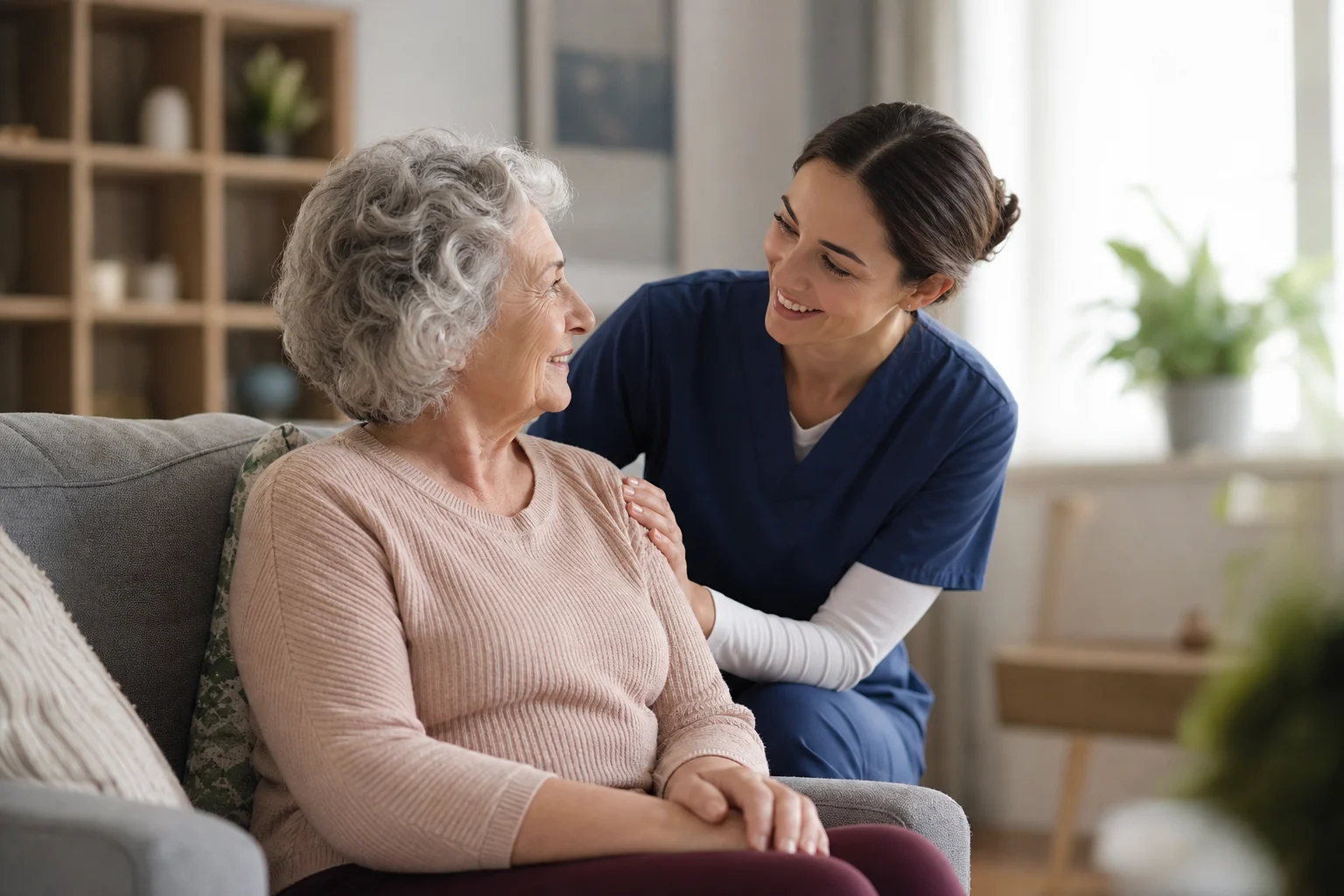
Personal care services encompass a broad spectrum of non-medical support tailored to individuals who require assistance with daily activities. These services play a pivotal role in enhancing the quality of life and promoting independence, particularly for seniors and individuals with disabilities. Unlike nursing care, which focuses on medical needs and health management, personal care services are centered around daily living tasks that contribute to an individual’s comfort and well-being.
Understanding the various components of personal care services can help families make informed decisions regarding the care of their loved ones. Here’s a closer look at what personal care services entail:
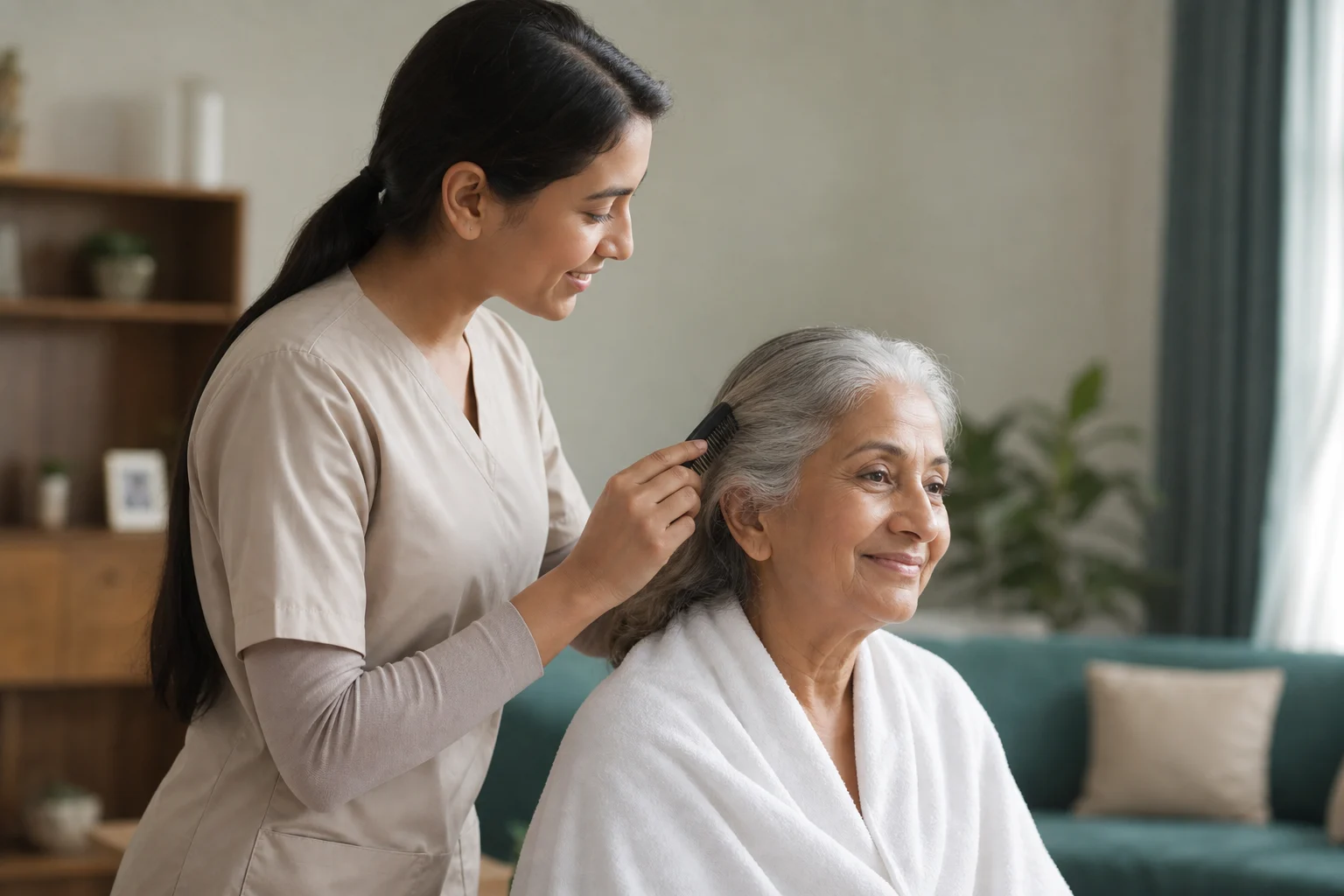
- Help with bathing and grooming: Personal care aides assist clients with personal hygiene routines, including bathing, showering, and grooming. This support not only ensures cleanliness but also boosts self-esteem and dignity. For instance, a client who struggles with mobility may benefit from a caregiver who can help them bathe safely and comfortably.
- Assistance with dressing: Getting dressed can be a daunting task for those with limited mobility or dexterity issues. Personal care services include helping clients choose appropriate outfits and dressing them in a way that respects their preferences while ensuring comfort and ease.
- Meal preparation and feeding: Proper nutrition is vital for overall health, yet many seniors face challenges in preparing meals. Personal care aides can assist with meal planning, grocery shopping, and cooking nutritious meals tailored to dietary restrictions. In cases where clients cannot feed themselves, caregivers provide assistance to ensure they receive adequate nourishment.
- Medication reminders: While personal care services do not include administering medication, caregivers can remind clients when it’s time to take their medications. This reminder system is crucial for maintaining health, especially for those managing chronic conditions.
- Light housekeeping and laundry: Maintaining a clean living environment contributes significantly to an individual’s mental and emotional well-being. Personal care services often include light housekeeping tasks such as dusting, vacuuming, and laundry, allowing clients to live in a tidy space without the stress of managing these chores themselves.
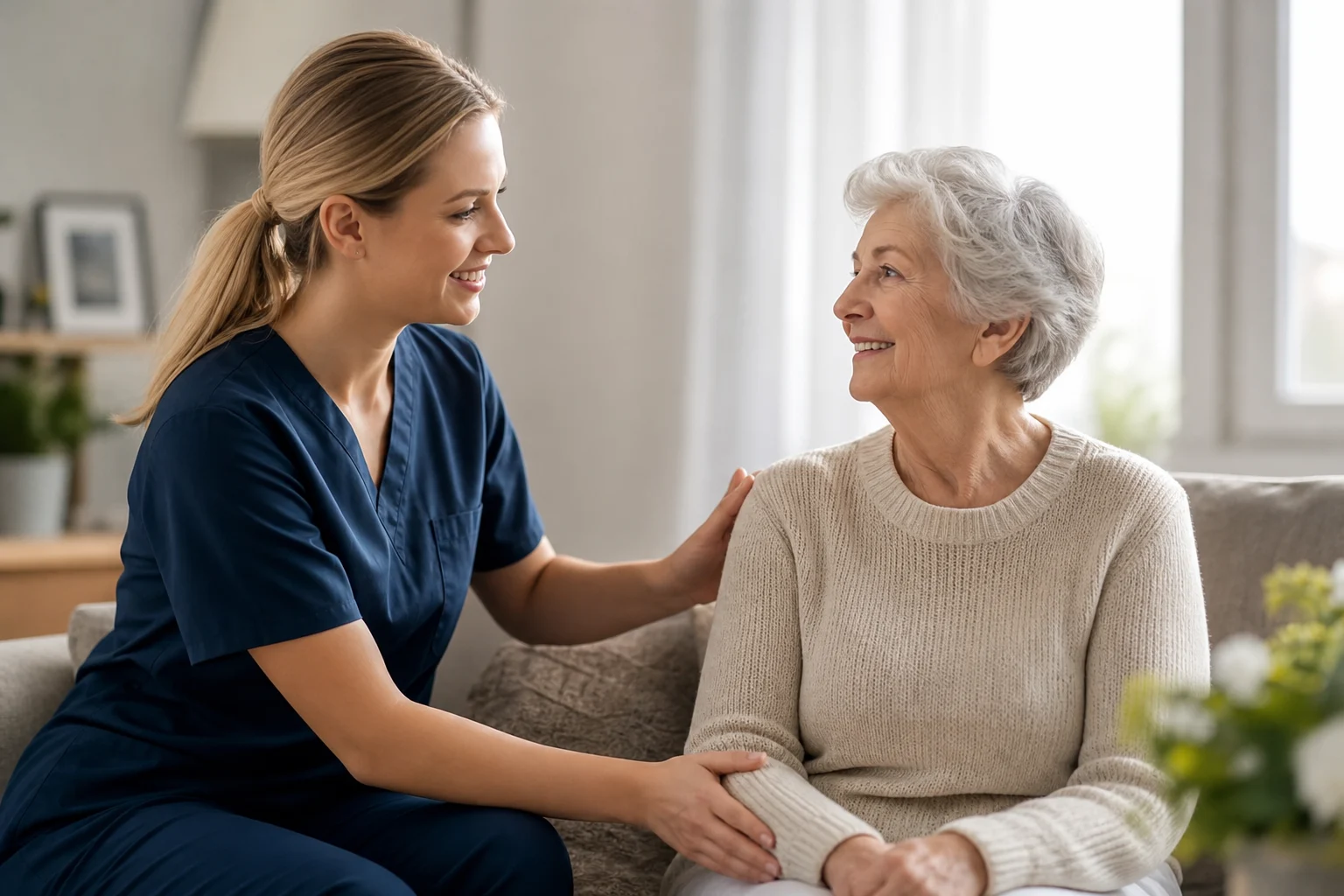
- Companionship and social interaction: Loneliness can severely impact mental health, particularly among seniors. Personal care aides provide companionship, engaging clients in conversation and activities that stimulate the mind. This social interaction can alleviate feelings of isolation and promote a sense of belonging.
To these core services, personal care can be customized to meet the unique needs of each client. For example, some individuals may require additional support for specific activities, such as:
- Mobility assistance: Personal care aides can help clients move around their homes safely, whether it’s getting up from a chair, navigating stairs, or going for a walk. This assistance is crucial for preventing falls and ensuring that clients maintain their physical activity.
- Transportation services: Many personal care services extend to transportation, where caregivers assist clients in getting to appointments, social events, or even running errands. This support is vital for those who no longer drive or feel uncomfortable using public transportation.
- Respite care: For family caregivers, personal care services can provide much-needed respite. This allows family members to take a break while ensuring their loved ones receive the care they need, whether it’s for a few hours or longer periods.
Another critical aspect of personal care services is the emphasis on individualized care plans. Upon starting personal care, a thorough assessment is conducted to understand the specific needs, preferences, and routines of the client. This assessment is crucial for creating a tailored care plan that outlines the services to be provided. Regular reviews of this plan ensure that the care adapts to any changes in the client’s condition or preferences.
At Ability Homes, we pride ourselves on our compassionate team, which is dedicated to providing exceptional personal care for elderly clients. Our caregivers are trained to understand the nuances of personal care, focusing on building trust and rapport with clients. This relationship is fundamental in delivering effective care, as clients are more likely to engage and communicate their needs when they feel comfortable with their caregivers.
Personal care services can be beneficial in maintaining the mental health of clients. Engaging in daily routines and social interactions can significantly improve mood and cognitive function. For instance, caregivers may encourage clients to participate in hobbies, such as gardening or crafting, which can foster creativity and provide a sense of accomplishment.
In light of the growing demand for personal care services, many families are recognizing the benefits of these services versus traditional nursing care. While nursing care is essential for medical needs, personal care services fill a critical gap by providing emotional support and practical assistance, allowing individuals to live more fulfilling lives. This holistic approach to care is especially important as our loved ones age, emphasizing the need for a balance between medical and personal support.
Personal care services are a vital aspect of support for those who need assistance with daily activities. By focusing on individual needs and preferences, these services not only enhance the quality of life but also promote independence and dignity. As families navigate the complexities of caregiving, understanding the full scope of personal care services can empower them to make informed choices that best suit their loved ones’ needs.
Understanding Nursing Care
Nursing care, on the other hand, encompasses medical services provided by licensed healthcare professionals. This type of care is typically required for individuals with complex medical needs or chronic health conditions. Nursing services include:
- Administering medications and injections
- Monitoring vital signs and health status
- Wound care and management
- Administering IV therapy
- Managing chronic illnesses such as diabetes or heart disease
- Providing rehabilitation services
While nursing care is essential for those with specific medical needs, it is not always necessary for individuals who primarily require assistance with daily living tasks.
Key Differences Between Personal Care Services and Nursing Care
Understanding the key differences between personal care services and nursing care is crucial for families considering care options for their loved ones. Here are some significant distinctions:
1. Nature of Services
The primary difference lies in the nature of the services provided. Personal care services focus on non-medical assistance, while nursing care involves medical interventions performed by trained professionals.
2. Level of Training
Personal care assistants typically have training in providing support for daily living tasks but do not require medical training. In contrast, nurses are licensed professionals with extensive education and training in medical care.
3. Cost
Generally, personal care services are more affordable than nursing care. Families looking for cost-effective solutions for their loved ones may find that personal care assistance meets their needs without the higher expense associated with nursing services.
4. Ideal Candidates
Personal care services are suitable for individuals who are generally healthy but need assistance with daily activities. Nursing care is necessary for those with chronic illnesses, recovering from surgery, or requiring ongoing medical supervision.
When to Choose Personal Care Services
If your loved one is relatively independent but requires some assistance with daily tasks, personal care services may be the right choice. Consider personal care assistance if:
- Your loved one can manage their medications but needs reminders.
- They require help with activities such as bathing, grooming, or meal preparation.
- They benefit from companionship and social interaction.
At Ability Homes, we pride ourselves on our ability to provide tailored personal care services that meet the unique needs of each client, promoting their independence and enhancing their quality of life.
When to Choose Nursing Care
Nursing care is necessary in situations where individuals have complex medical needs. Consider nursing services if:
- Your loved one has a chronic illness that requires regular monitoring and management.
- They are recovering from surgery and need medical support during their recovery.
- They require specialized care, such as wound management or IV therapy.
In these cases, having a licensed nurse provide care ensures that your loved one receives professional medical attention tailored to their health needs.
Nurturing Health And Happiness
Understanding the differences between personal care services and nursing care is vital for families in Brooklyn Park, MN seeking appropriate care options for their loved ones. As the aging population grows, the demand for both personal care and nursing care continues to rise, making it essential for families to grasp what each type of service entails. While personal care services focus on assistance with daily activities, such as bathing, dressing, and meal preparation, nursing care provides more comprehensive medical support for individuals with complex health needs. This distinction is crucial, as it directly impacts the quality of life for those receiving care.
Personal care services typically cater to individuals who may not require intensive medical care but still need help with daily tasks. For instance, a senior citizen living independently might struggle with grocery shopping or maintaining hygiene. Personal care aides can step in to offer assistance, ensuring that individuals retain their dignity and independence while receiving the support they need. These services can be tailored to fit the specific needs of the individual, allowing for flexibility in care schedules and routines.
On the other hand, nursing care is essential for individuals dealing with chronic illnesses, post-operative recovery, or any condition that requires medical supervision. For example, a person recovering from surgery may need wound care and medication management. In such cases, registered nurses or licensed practical nurses can provide the necessary medical attention that personal care aides are not qualified to offer. Understanding these differences can help families make informed decisions about which services are most appropriate for their loved ones.
When evaluating the right type of care, consider the following practical steps:
- Assess the Needs: Take time to evaluate the specific needs of your loved one. Are they primarily struggling with daily living activities, or do they have medical conditions that require nursing intervention? A comprehensive assessment can guide your decision-making process.
- Consult Healthcare Professionals: Engage with doctors, social workers, or geriatric care managers who can provide insights into the level of care required. They can help identify whether personal care services will suffice or if nursing care is necessary.
- Explore Available Options: Research local personal care and nursing service providers. Look for agencies that offer a range of services and have a good reputation. Reading reviews, asking for recommendations, and checking credentials can help ensure you choose a reliable provider.
- Consider the Preferences of Your Loved One: Involving your loved one in the decision-making process is critical. Discussing their preferences and comfort levels can lead to better outcomes and satisfaction with the chosen care services.
- Evaluate Financial Considerations: Assess the costs associated with personal care services and nursing care. Understanding insurance coverage, out-of-pocket expenses, and potential financial assistance programs can help you budget effectively.
Keep in mind that personal care services can be a stepping stone toward nursing care. For example, an elderly individual may start with personal care support to maintain their independence. However, as their health needs evolve, they may require nursing care to address more complex medical concerns. This transition can be seamless if families are proactive in monitoring their loved one’s health and adjusting care plans as necessary.
It’s essential to recognize that personal care services are not just about assistance; they also play a vital role in enhancing social interaction and emotional well-being. Personal care aides can engage clients in conversation, accompany them on outings, and help them maintain connections with family and friends. This social aspect can significantly improve the overall quality of life, proving that personal care services extend beyond mere physical assistance.
For families navigating these decisions, it is helpful to consider the following questions:
- What specific daily tasks does your loved one struggle with, and how often do they need assistance?
- Are there any medical conditions or medications that require monitoring?
- How does your loved one feel about receiving care in their own home versus a facility?
- What are the family dynamics, and how involved can family members be in providing support?
The goal is to ensure that your loved one receives the appropriate level of care that aligns with their needs and preferences. By carefully considering the requirements of your loved one, you can make an informed decision that enhances their quality of life. It’s not just about meeting physical needs; it’s about fostering a sense of comfort, security, and dignity.
If you have questions or need assistance in determining the best care options for your family, reach out to us at Ability Homes. Our compassionate team is ready to provide personalized support and guidance tailored to your loved one’s needs. Experience exceptional care tailored to your needs in the Home Health Care sector.
Contact us today to learn more about our services and how we can assist you and your family. Together, we can navigate the complexities of personal care and nursing care, ensuring your loved one receives the highest quality of care possible.