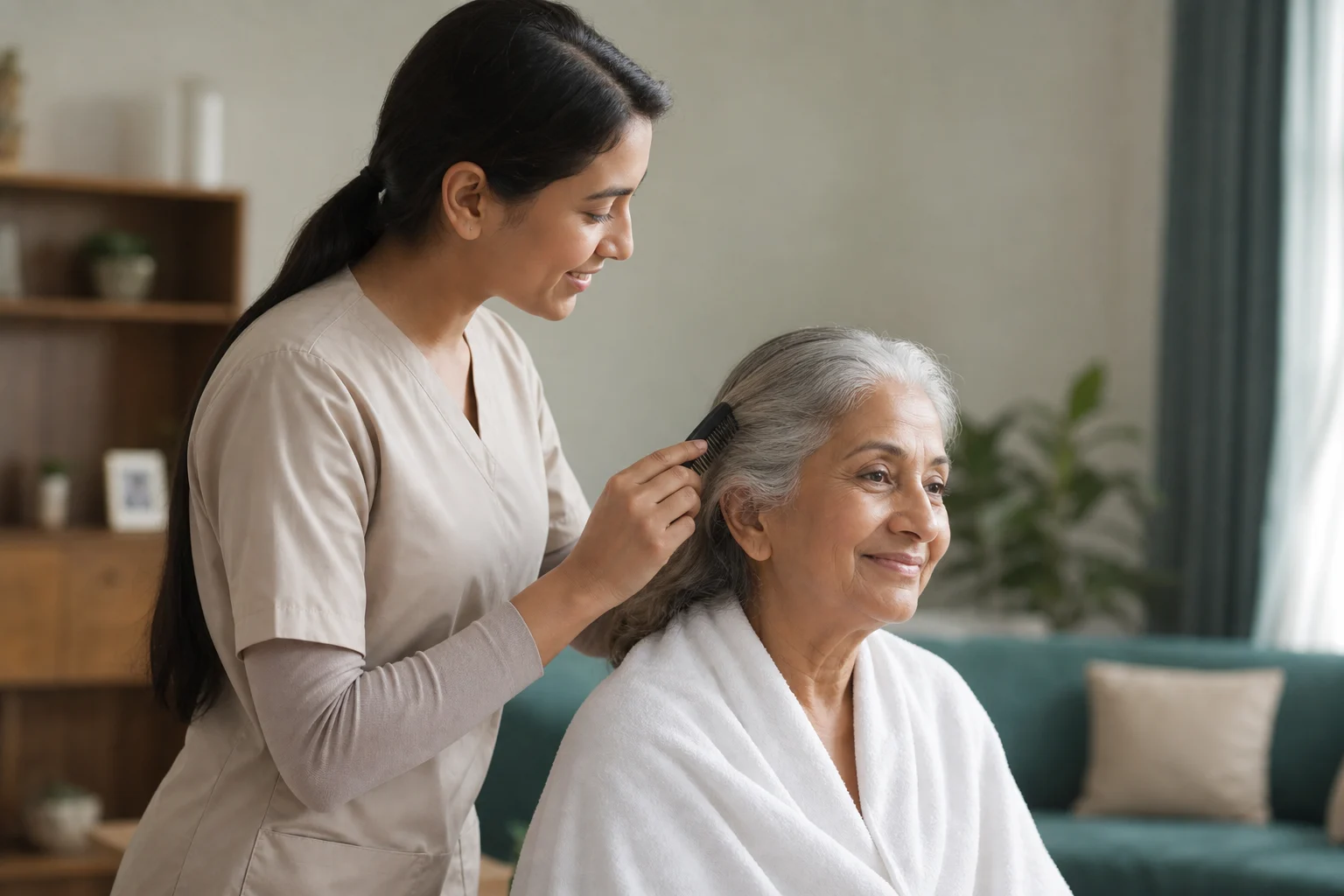
How to Find Reliable Personal Care Services
Finding reliable personal care services can be a daunting task, especially when it comes to ensuring the safety and comfort of your loved ones. Whether you are searching for in-home personal care for seniors or individuals with specific needs, it is essential to choose a service that you can trust. At Ability Homes, we understand the importance of finding the right personal care support, and we are here to guide you through the process.
Understanding Personal Care Services
Personal care services encompass a wide range of assistance provided to individuals who may need help with daily living tasks. These services are crucial for maintaining the quality of life for those who are elderly, disabled, or recovering from illness. Understanding the full scope of personal care services can help you make informed decisions when seeking the right support for your loved ones. Some of the key areas covered by personal care services include:
- Assistance with bathing and grooming
- Meal preparation
- Medication management
- Mobility assistance
- Companionship and social interaction
Each of these services plays a vital role in enhancing the safety and comfort of individuals who may struggle with these tasks independently. Let’s delve deeper into each of these areas to better understand their importance and how they can be tailored to meet specific needs.
1. Assistance with Bathing and Grooming
Hygiene is a fundamental aspect of health and well-being, but many individuals may find bathing and grooming challenging due to mobility issues, cognitive decline, or other health conditions. Personal care services often include:
- Bathing: Trained caregivers assist individuals with bathing, ensuring that they maintain personal cleanliness while respecting their dignity.
- Grooming: This can involve hair care, nail trimming, and skincare, which can help individuals feel more confident and comfortable.
- Oral hygiene: Caregivers can also help with brushing teeth and other oral care practices that are often overlooked.
For example, a caregiver might assist an elderly person in the shower, providing support and ensuring safety with grab bars and non-slip mats. This not only helps maintain personal hygiene but also fosters a sense of independence and self-esteem.
2. Meal Preparation
Nutrition is essential for health, yet many individuals may struggle with meal preparation due to physical limitations or lack of knowledge about healthy cooking. Personal care services can include:
- Meal planning: Caregivers can help create nutritious meal plans tailored to the dietary needs and preferences of the individual.
- Cooking: Trained professionals can prepare meals, ensuring that individuals receive balanced diets that cater to any dietary restrictions.
- Grocery shopping: Caregivers can assist with shopping for ingredients, ensuring that individuals have access to fresh produce and essential items.
For instance, a caregiver might prepare a week’s worth of healthy meals, portioning them out for easy access. This not only promotes health but also alleviates the stress of daily cooking and planning.
3. Medication Management
Managing medications can be particularly challenging for older adults or those with chronic conditions. Personal care services often include:
- Reminders: Caregivers can provide reminders for taking medications at the right times, reducing the risk of missed doses.
- Organization: They can help organize medications in pillboxes, making it easier for individuals to manage their prescriptions.
- Monitoring: Caregivers can monitor for side effects and communicate with healthcare providers if issues arise.
For example, a caregiver might set up a weekly pill organizer and ensure the individual understands when and how to take each medication. This can significantly improve adherence to treatment plans and overall health outcomes.
4. Mobility Assistance
For many individuals, mobility can be a significant barrier to independence. Personal care services can provide:
- Help with walking: Caregivers can assist individuals in moving from one place to another, ensuring safety and stability.
- Use of mobility aids: They can help individuals use walkers, canes, or wheelchairs, providing guidance on safe practices.
- Exercise programs: Some caregivers may offer light exercise routines to help maintain strength and mobility.
For instance, a caregiver might accompany an elderly person on walks, helping them navigate safely while encouraging physical activity, which is vital for maintaining mobility and overall health.
5. Companionship and Social Interaction
Social isolation can have detrimental effects on mental health, especially for elderly individuals. Personal care services often include:
- Companionship: Caregivers can engage in conversations, play games, or participate in hobbies with individuals, combating loneliness.
- Transportation: They may provide transportation to social events, doctor appointments, or family gatherings, helping individuals stay connected.
- Encouragement for social activities: Caregivers can help encourage participation in community events or groups that align with the individual's interests.
For example, a caregiver could take a senior to a local community center for bingo or other activities, providing not only transportation but also companionship, which is essential for emotional well-being.
Choosing the right personal care services can significantly impact the quality of life for your loved ones. It is crucial to understand the specific needs of the individual requiring care, as well as the services available in your area. When evaluating personal care services, consider factors such as the caregiver’s qualifications, experience, and ability to connect with the individual. Check references and reviews from other clients to ensure trustworthiness and reliability.
By carefully considering these elements, you can select personal care services that not only meet the physical needs of your loved ones but also enhance their emotional and social well-being, ensuring a holistic approach to their care.
Research Tips for Finding Personal Care Services
When searching for personal care services, thorough research is key. Here are some practical tips to guide you:
1. Start with Recommendations
Begin your search by asking for recommendations from friends, family, or healthcare professionals. Personal experiences can provide valuable insights into the quality of care provided by various services. Reach out to those who have used personal care services before; their firsthand experiences can highlight strengths and weaknesses you might not have considered. Inquire about the specific caregivers they interacted with—knowing the names of individuals who have made a positive impact can help you in your decision-making process. Consider compiling a list of recommended services to further streamline your research.
2. Online Research
Utilize online resources to read reviews and testimonials from other clients. Websites like Yelp, Google Reviews, and specialized healthcare directories can offer a wealth of information about local personal care services. Pay close attention to recurring themes in reviews, such as punctuality, professionalism, and the quality of care provided. Look for services that have a high number of positive reviews, but also take note of any negative feedback. A few negative reviews among many positive ones can be normal, but if a service has a high ratio of complaints, it may be a red flag. Consider visiting social media platforms where local community groups discuss personal care services—these forums can provide candid insights.
3. Verify Credentials
Ensure that the personal care services you are considering are licensed and insured. This step is crucial for protecting both the caregiver and the recipient of care. Verify that the staff are trained and qualified to provide the specific services your loved one requires. Look for certifications from recognized organizations, such as the National Association for Home Care & Hospice (NAHC) or the Home Care Association of America (HCAOA). A trustworthy service will be transparent about their qualifications and will be willing to share this information with you. You can also check state licensing boards for any complaints or disciplinary actions against the service provider.
4. Visit in Person
Whenever possible, visit the service provider's location. This will give you an opportunity to meet the staff, observe the environment, and ask any questions you may have. A personal visit can help you gauge the professionalism and warmth of the service. During your visit, pay attention to the cleanliness and safety of the facility. Observe how staff members interact with clients—do they seem friendly and attentive? Are clients engaged and comfortable? Ask about the caregiver-to-client ratio to ensure that your loved one will receive adequate attention.
5. Schedule a Trial Period
If possible, arrange for a trial period with the personal care service you are considering. This allows you and your loved one to experience the service firsthand without committing long-term. A trial can help assess the compatibility between your loved one and the caregiver, as well as the overall quality of care. During this trial, observe how well the caregiver adheres to your loved one's preferences and routines. Communication is key—ensure that the caregiver listens to and respects your loved one's wishes, as this can significantly affect their comfort and satisfaction.
6. Inquire About Care Plans
Understanding the care plans offered by personal care services is essential. Ask how they develop individualized care plans and how they assess the needs of each client. A reputable service will conduct a thorough assessment of your loved one's health, preferences, and goals before creating a care plan tailored to their specific needs. This should include details about the types of services provided, frequency of visits, and any additional support available. Ensure that the care plan is flexible and can be adjusted as your loved one's needs change over time.
7. Evaluate Communication Practices
Effective communication is crucial for a positive caregiving experience. Assess how the personal care service communicates with clients and their families. Are they responsive to inquiries? Do they provide regular updates on your loved one's condition? A reliable service should prioritize open communication, keeping you informed about any changes in care or health status. Ensure that they are willing to involve you in decision-making processes regarding your loved one’s care. Clear communication can help build trust and ensure that everyone is aligned on care objectives.
8. Understand the Cost Structure
Before committing to a personal care service, it’s important to fully understand the cost structure. Inquire about hourly rates, package deals, or any additional fees that may apply. Some services may offer sliding scale fees based on income, while others may have fixed rates. Be sure to clarify what is included in the price—are meals, transportation, and other services part of the package, or will they incur extra costs? Understanding the financial aspect upfront can help you avoid unexpected expenses later on.
9. Check for Emergency Protocols
Inquire about the emergency protocols in place for the personal care service. Ask how they handle medical emergencies and what procedures are followed to ensure the safety of clients. A reliable service will have clear policies for emergencies and will be prepared to act swiftly. This may include having trained staff available at all times or having a clear communication plan in place to notify family members and healthcare providers in case of an incident. Knowing that your loved one is in safe hands can provide peace of mind.
10. Trust Your Instincts
Trust your instincts throughout the research process. If a particular service does not feel right, or if you have concerns that remain unaddressed, it's important to continue your search. Your loved one’s comfort and safety should be your top priority. Finding the right personal care service may take time, but investing that time upfront can lead to a more positive experience for both you and your loved one.
By following these research tips, you will be better equipped to find reliable personal care services that meet your loved one's needs. Remember that thorough research not only ensures quality care but also fosters a sense of security and comfort for both you and your family members.
Questions to Ask When Choosing Personal Care Services
Once you have narrowed down your options, it is essential to ask the right questions to ensure you are making an informed decision. Here are some crucial questions to consider:
1. What Services Are Offered?
Inquire about the range of services provided. Are they equipped to handle specific needs such as dementia care or mobility assistance? Ensure that the services align with the requirements of your loved one.
2. What Are the Qualifications of the Caregivers?
Ask about the training and qualifications of the caregivers. It is important to know that the individuals who will be providing care have the necessary skills and experience.
3. What Is the Care Plan Process?
Understanding how the care plan is developed and tailored to your loved one's needs is essential. Ask about the assessment process and how adjustments are made as needs change.
4. How Is Communication Handled?
Effective communication is vital for ensuring that you are informed about your loved one's care. Ask how the service provider keeps families updated and how you can reach them if you have concerns.
5. What Are the Costs Involved?
Discuss the pricing structure and any additional fees that may apply. Understanding the financial aspect will help you assess whether the services are within your budget, especially when looking for affordable personal care options.
Making the Final Decision
After gathering all the necessary information and asking the right questions, it’s time to make a decision. Trust your instincts; if something doesn’t feel right, continue your search. Remember, this choice is about your loved one’s well-being and comfort.
At Ability Homes, we pride ourselves on providing compassionate home health care services tailored to meet the unique needs of our clients in your area. Our dedicated team offers 24/7 support, nursing services, and daily personal care aimed at enhancing independence and quality of life.