How Personal Care Services Improve Quality of Life
As we age, the need for assistance with daily living tasks often becomes a reality for many seniors and individuals requiring support. Personal care services play a vital role in enhancing the quality of life for these individuals. At Ability Homes, we understand the importance of providing compassionate home health care services, and we are dedicated to helping our clients maintain their independence while receiving the necessary support. In this article, we will explore how personal care services can significantly improve daily living for seniors and those in need of assistance.
Benefits of Personal Care Services
Engaging personal care services can lead to numerous benefits that greatly enhance a senior's quality of life. Here are some key advantages:
1. Increased Independence
One of the primary goals of personal care services is to foster independence. With the right support, individuals can continue living in their own homes, maintaining their routines and personal preferences. This independence can lead to greater satisfaction and a sense of control over one's life. For example, a senior who receives assistance with daily tasks can still choose when to eat, what to wear, and how to spend their time, rather than being confined to a facility where choices may be limited. This autonomy not only boosts their self-esteem but also empowers them to make decisions that reflect their personal values and lifestyle.
2. Enhanced Safety
Many seniors face challenges that can increase the risk of accidents and injuries. Personal care assistance not only helps with mobility but also ensures that the home environment is safe and accommodating. Trained caregivers can identify potential hazards and make necessary adjustments, reducing the likelihood of falls and other accidents. For instance, caregivers can install grab bars in bathrooms, ensure that walkways are clear of clutter, and provide assistive devices that make moving around easier. Regular safety assessments by personal care providers can help identify new risks as a senior's needs evolve, thereby continuously enhancing their safety at home.
3. Improved Health and Well-being
Regular assistance with daily tasks can lead to better overall health. When seniors receive help with meal preparation, medication management, and personal hygiene, they are more likely to maintain their health and well-being. This proactive approach to care can help prevent health issues from escalating. For instance, caregivers can prepare nutritious meals tailored to specific dietary needs, ensuring that clients receive the essential nutrients necessary for maintaining energy and fighting off illness. Personal care services often include medication reminders, which can significantly reduce the risk of missed doses or medication errors, ultimately promoting better health outcomes.
4. Emotional Support and Companionship
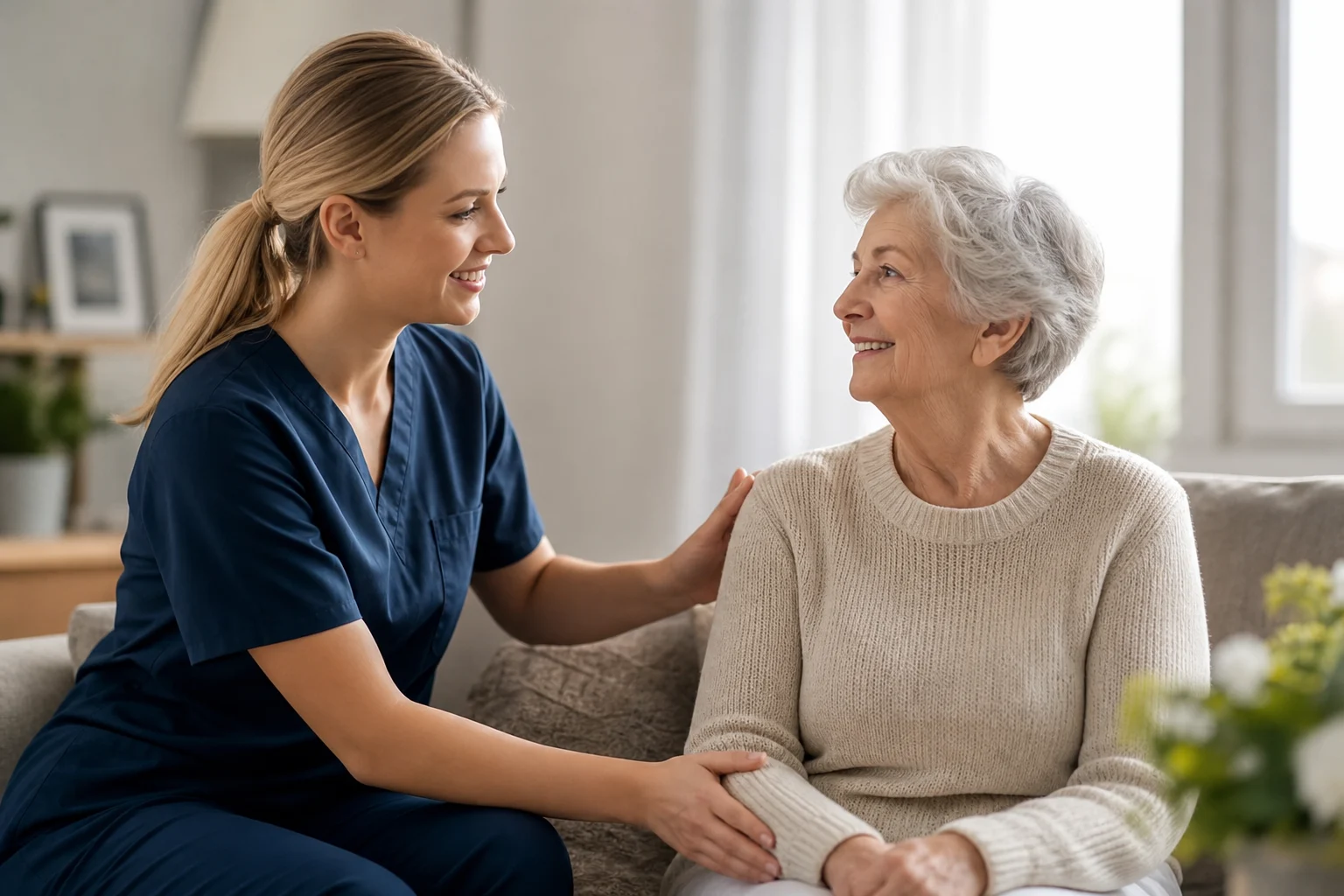
Loneliness and isolation are common challenges faced by seniors, which can negatively impact their mental health. Personal care services provide companionship, offering emotional support and social interaction that can significantly improve a client's mood and outlook on life. A caregiver can engage in meaningful conversations, participate in hobbies, or even assist in arranging social activities, helping seniors stay connected with friends and family. For example, caregivers might accompany clients on outings to local events or help them utilize technology to connect with loved ones via video calls, fostering a sense of community and belonging.
5. Customized Care Plans
At Ability Homes, we recognize that no two individuals are alike. Our personal care services are tailored to meet the specific needs of each client. By creating customized care plans, we ensure that our clients receive the right level of support at the right time, enhancing their overall quality of life. This personalization can involve assessing the client's physical, emotional, and social needs, and regularly updating the care plan as those needs change. For instance, a senior with early-stage dementia may require more frequent supervision and mental stimulation, while another may benefit from assistance with mobility and daily activities.
6. Assistance with Daily Living Activities
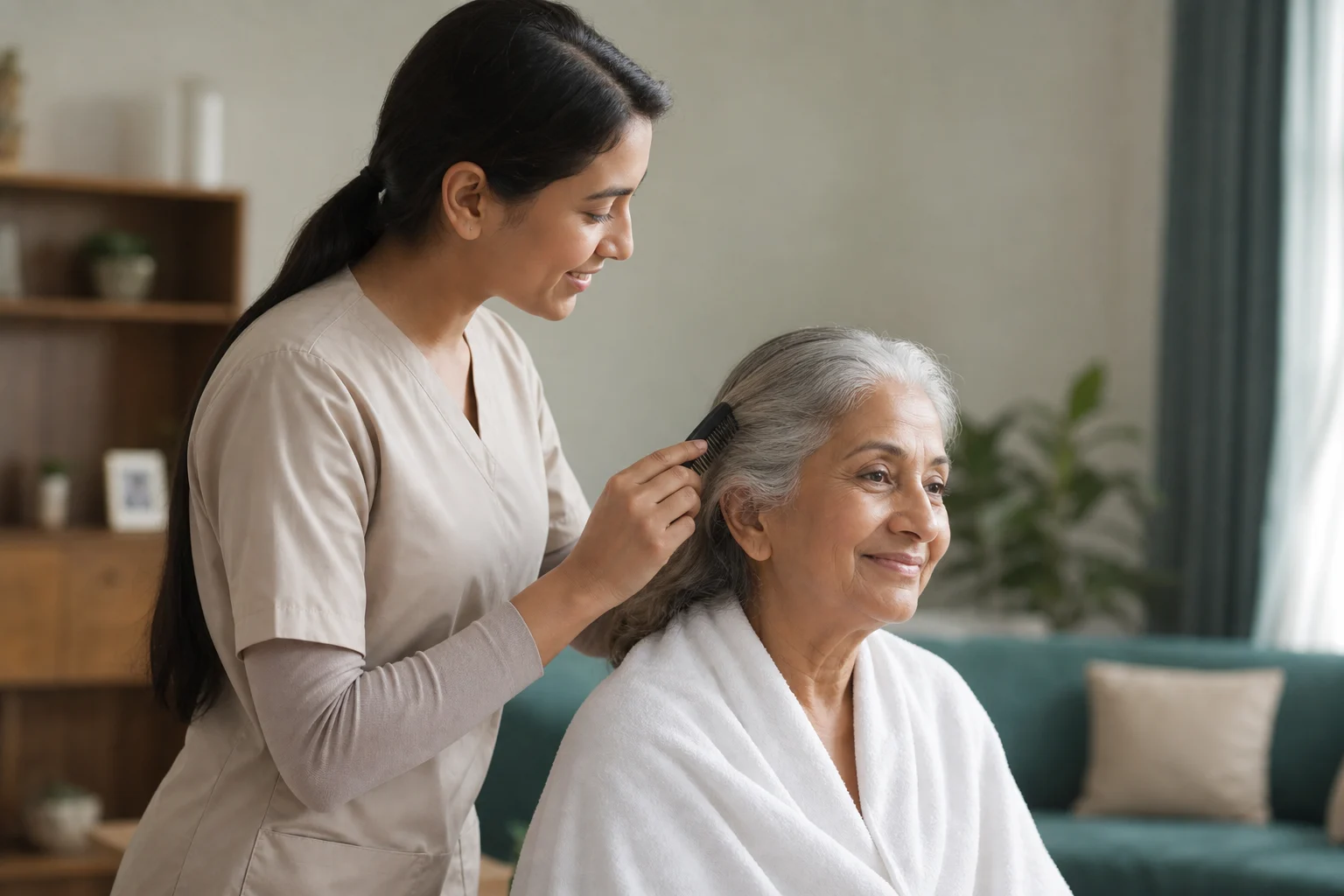
Personal care services provide essential help with daily living activities, which can include bathing, dressing, grooming, and toileting. These activities may become challenging due to physical limitations, cognitive decline, or other health issues. Caregivers are trained to assist in a respectful and dignified manner, ensuring that clients feel comfortable and valued. For example, a caregiver can help a senior bathe safely while encouraging them to participate as much as possible, promoting dignity and self-esteem. Assistance with household chores like laundry, cleaning, and grocery shopping can relieve stress and allow seniors to focus on their health and well-being.
7. Support for Family Caregivers
Family members who take on the role of caregivers often face immense pressure and stress. Personal care services can alleviate some of this burden, providing respite for family caregivers and allowing them to recharge. This support not only benefits the primary caregiver but also enhances the overall family dynamic. When family members know that their loved one is receiving professional, compassionate care, they can focus on their own well-being and responsibilities, ultimately leading to healthier relationships. For instance, scheduled personal care services can give family caregivers a few hours each week to take care of errands, pursue hobbies, or simply relax, which can reduce burnout and improve their capacity to provide care.
8. Access to Professional Expertise
Another significant benefit of personal care services is access to professional expertise. Caregivers are often trained in various aspects of senior care, including first aid, CPR, and specialized techniques for managing chronic conditions. This professional knowledge can be invaluable in ensuring that seniors receive appropriate care tailored to their health needs. For instance, caregivers can monitor vital signs, recognize signs of distress, and communicate effectively with healthcare providers, ensuring that any medical issues are addressed promptly. This level of expertise can lead to better health outcomes and peace of mind for both clients and their families.
9. Encouragement of a Healthy Lifestyle
Personal care services often go beyond basic assistance, promoting a healthy lifestyle through physical activity, social engagement, and mental stimulation. Caregivers can encourage seniors to participate in exercise programs, such as gentle stretching or walking, tailored to their abilities. They can also facilitate participation in community activities, clubs, or classes that align with the senior's interests, fostering socialization and engagement. Mental stimulation can be encouraged through activities like reading, puzzles, or games, which can help maintain cognitive function and delay the onset of cognitive decline.
10. Peace of Mind for Families
Utilizing personal care services can provide peace of mind for families. Knowing that their loved one is receiving professional care allows family members to feel confident that their relative is safe, healthy, and happy. Regular updates from caregivers can keep families informed about their loved one's condition and any changes in health or behavior. This open line of communication helps families feel involved in their loved one's care, fostering trust and collaboration. Many personal care services offer flexible scheduling, allowing family members to plan visits and support their loved one without compromising their own commitments.
Benefits of Personal Care Services
Engaging personal care services can lead to numerous benefits that greatly enhance a senior's quality of life. Here are some key advantages:
1. Increased Independence
One of the primary goals of personal care services is to foster independence. With the right support, individuals can continue living in their own homes, maintaining their routines and personal preferences. This independence can lead to greater satisfaction and a sense of control over one's life.
2. Enhanced Safety
Many seniors face challenges that can increase the risk of accidents and injuries. Personal care assistance not only helps with mobility but also ensures that the home environment is safe and accommodating. Trained caregivers can identify potential hazards and make necessary adjustments, reducing the likelihood of falls and other accidents.
3. Improved Health and Well-being
Regular assistance with daily tasks can lead to better overall health. When seniors receive help with meal preparation, medication management, and personal hygiene, they are more likely to maintain their health and well-being. This proactive approach to care can help prevent health issues from escalating.
4. Emotional Support and Companionship
Loneliness and isolation are common challenges faced by seniors, which can negatively impact their mental health. Personal care services provide companionship, offering emotional support and social interaction that can significantly improve a client's mood and outlook on life.
5. Customized Care Plans
At Ability Homes, we recognize that no two individuals are alike. Our personal care services are tailored to meet the specific needs of each client. By creating customized care plans, we ensure that our clients receive the right level of support at the right time, enhancing their overall quality of life.
Affordable Personal Care Options
One of the common misconceptions about personal care services is that they are prohibitively expensive. At Ability Homes, we strive to provide affordable personal care options without compromising the quality of care. Our goal is to ensure that every individual in need of assistance can access the support they require, making it easier for families to prioritize the well-being of their loved ones.
Understanding the financial aspects of personal care services is crucial for families exploring their options. Many people are surprised to learn that there are various affordable avenues available that cater to different budgets and needs. This section will delve into the various affordable personal care services, payment options, and tips to maximize your resources.
1. Types of Affordable Personal Care Services
Personal care services encompass a wide range of support, and not all of them come with a hefty price tag. Here are several types of personal care services that can be affordable:
- In-Home Care: Many agencies offer in-home care services that are tailored to individual needs. This can include assistance with daily activities such as bathing, dressing, meal preparation, and medication management. In-home care can often be more cost-effective than facility-based care.
- Companion Services: For those who do not require extensive medical care but need companionship, companion services can be a budget-friendly option. These services include social interaction, assistance with errands, and general support.
- Respite Care: Caregiver burnout is common among family members looking after loved ones. Respite care provides temporary relief for family caregivers, allowing them to take a break while ensuring their loved ones receive quality care. This can be arranged for just a few hours a week or longer-term, depending on needs.
- Adult Day Care: Adult day care centers offer a structured environment where seniors can engage in activities and receive care during the day. This option is often less expensive than full-time in-home care and allows family members to work or attend to other responsibilities.
2. Payment Options for Personal Care Services
Understanding the payment options available for personal care services can significantly reduce financial strain. Here are some common methods to consider:
- Long-Term Care Insurance: If you have long-term care insurance, it may cover a portion of personal care services. Be sure to check your policy for specific details regarding eligibility and coverage limits.
- Medicaid: Medicaid is a state and federal program that provides health coverage for low-income individuals. Many states offer programs that cover personal care services for eligible seniors. It’s important to understand the qualifications and application process, as this can vary by state.
- Veteran’s Benefits: Veterans and their families may qualify for personal care support through the Department of Veterans Affairs. Programs such as Aid and Attendance can provide financial assistance for those who meet specific criteria.
- Payment Plans: Many personal care agencies offer flexible payment plans that allow families to pay in installments rather than in a lump sum. This can make services more manageable financially.
3. Tips to Maximize Your Resources
To make the most out of your budget for personal care services, consider the following practical tips:
- Assess Needs Thoroughly: Before engaging in personal care services, conduct a comprehensive assessment of your loved one’s needs. Understanding exactly what type of assistance is necessary can help avoid overspending on unnecessary services.
- Research Multiple Providers: Don’t settle for the first provider you find. Research various agencies, their services, and pricing. Request quotes and compare them to find the best fit for your budget.
- Utilize Community Resources: Many communities offer resources such as volunteer programs and non-profit organizations that provide free or low-cost personal care services. Check local listings or community centers for available options.
- Consider a Shared Care Arrangement: If feasible, coordinate with other families in your community to share caregiving responsibilities. This approach can reduce costs while ensuring that everyone receives the necessary support.
- Stay Informed about Tax Credits: Depending on your situation, you may qualify for tax deductions for medical expenses, including personal care services. Consult with a tax professional to understand your eligibility.
4. The Importance of Communication
Communication with your chosen personal care service provider is vital. Open dialogue about your financial concerns, specific needs, and expectations can lead to customized care solutions that fit your budget. Don’t hesitate to ask providers about any potential discounts or promotions they may offer. Many agencies are willing to work with families to create a care plan that is both effective and affordable.
5. Building a Support Network
Building a support network can play a crucial role in managing personal care costs. Engage with other families who are navigating similar challenges. They can offer valuable insights, share recommendations for affordable services, and provide emotional support during a potentially stressful time. Online forums and local support groups can also be excellent resources for finding affordable personal care options.
While personal care services may seem costly at first glance, there are many affordable options available. By exploring various types of services, understanding payment options, maximizing resources, and maintaining open communication, families can find the right support for their loved ones without breaking the bank. At Ability Homes, we are committed to ensuring that everyone has access to the personal care services they need to enhance their quality of life.
Affordable Personal Care Options
One of the common misconceptions about personal care services is that they are prohibitively expensive. At Ability Homes, we strive to provide affordable personal care options without compromising the quality of care. Our goal is to ensure that every individual in need of assistance can access the support they require, making it easier for families to prioritize the well-being of their loved ones.