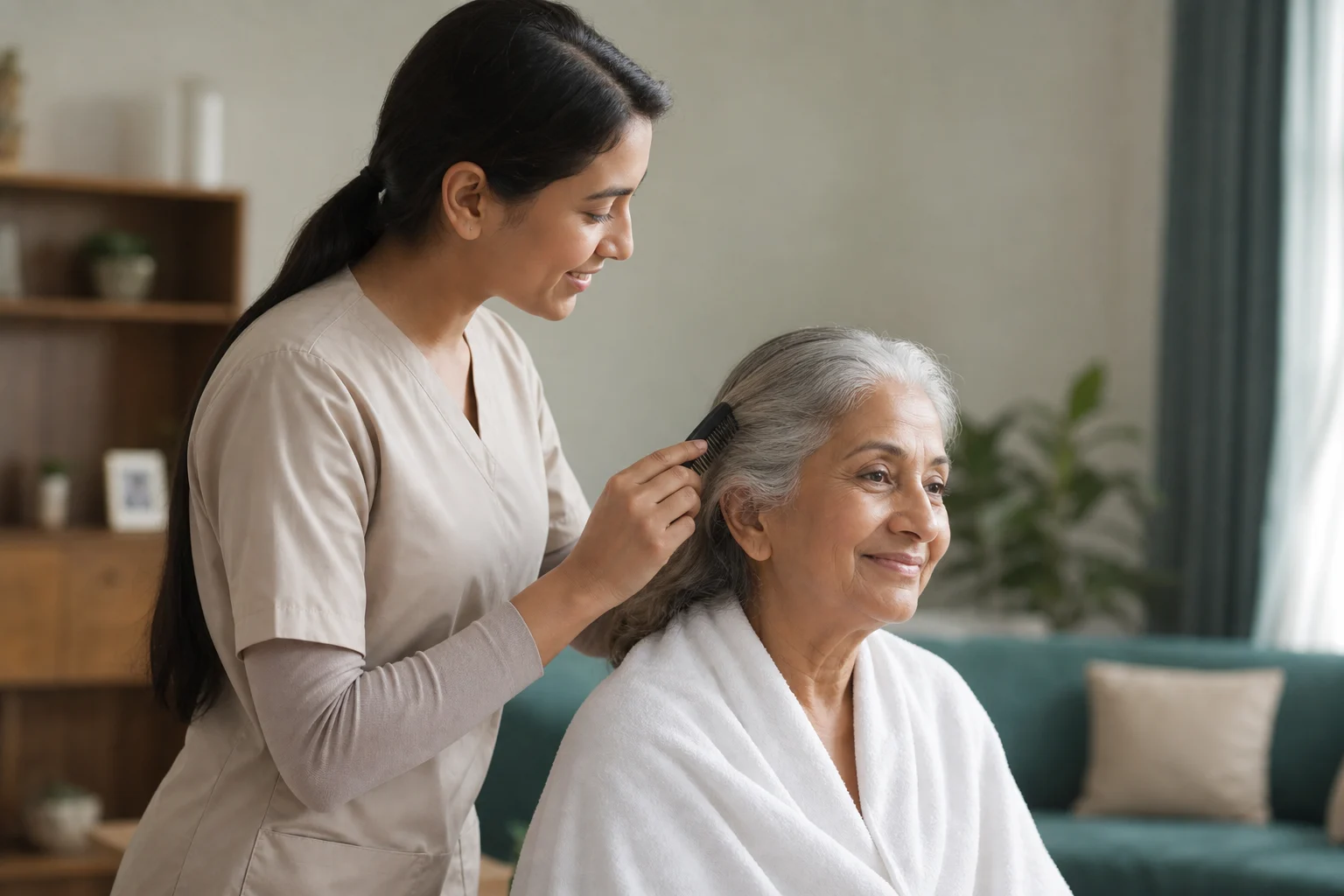
Choosing the Right Personal Care Solutions for Your Loved Ones
As our loved ones age or face disabilities, ensuring they receive the appropriate care becomes a priority for families. Selecting the right personal care solutions can be a daunting task, but understanding the available options and what to consider can ease the process. At Ability Homes, we specialize in providing compassionate home health care services tailored to meet the unique needs of each individual. In this article, we will explore key factors to consider when choosing personal care support for your loved ones, particularly in the context of in-home personal care.
Understanding Personal Care Solutions
Personal care solutions encompass a range of services designed to assist individuals with daily living tasks. These services are particularly beneficial for seniors and those with disabilities. They can include:
- Daily living assistance: Help with bathing, dressing, grooming, and meal preparation.
- Companionship: Social interaction to combat loneliness and enhance emotional well-being.
- Medication management: Ensuring medications are taken correctly and on time.
- Mobility assistance: Support with walking or transferring from one place to another.
- 24/7 care: Continuous support for those who require constant supervision.
Identifying Your Loved One's Needs
The first step in selecting the right personal care solutions is to assess the specific needs of your loved one. Consider the following:
- Level of independence: Determine how much assistance is needed with daily tasks.
- Health conditions: Identify any medical issues that may require specialized care.
- Personal preferences: Take into account the individual's likes and dislikes regarding care and companionship.
- Living environment: Evaluate whether the home is conducive to aging in place or if modifications are needed.
Types of Personal Care Services
Once you understand your loved one's needs, it’s time to explore the types of personal care services available. Here are some common options:
- In-home personal care: Services provided in the comfort of your loved one’s home, allowing them to maintain familiarity and independence. In-home personal care can include assistance with daily living activities such as bathing, dressing, grooming, and meal preparation. Caregivers can also help with medication management, ensuring that prescriptions are taken correctly and on time. A major benefit of in-home care is the personalized attention that each individual receives, tailored to their specific needs and preferences.
- Adult day care: Structured care programs that provide supervision and activities during the day. These facilities offer a safe environment for seniors who may need social interaction or supervision while their primary caregivers are at work or running errands. Many adult day care centers provide a variety of activities including arts and crafts, exercise classes, and games, which promote cognitive and physical health. They also often include nutritional meals and snacks, which help maintain seniors' health and well-being.
- Respite care: Temporary relief for family caregivers, allowing them to take a break while ensuring their loved one is cared for. This can be arranged for just a few hours or extended to several days, depending on the family’s needs. Respite care can be provided in-home, at an adult day care center, or even in a specialized respite care facility. This service not only supports the physical and emotional well-being of the caregiver but also provides the individual receiving care with an opportunity to interact with new caregivers and potentially engage in different activities.
- Skilled nursing care: Medical care provided by licensed professionals for individuals with complex health needs. This type of service is often necessary for those recovering from surgery, managing chronic illnesses, or requiring rehabilitation services. Skilled nursing care can be provided in various settings, including hospitals, rehabilitation centers, or in the home. Services may include wound care, intravenous therapy, monitoring vital signs, and administering medications. It is crucial to assess the qualifications and experience of the nursing staff to ensure the highest quality of care for your loved one.
To these primary services, there are other personal care solutions that cater to specific needs:
- Companion care: Focuses on providing companionship and emotional support, helping to alleviate feelings of loneliness and isolation. Companions can engage in conversations, accompany loved ones to appointments, or participate in recreational activities together, enriching their social lives.
- Home health aide services: These professionals assist with personal care tasks, similar to in-home personal care, but may also offer additional support such as light housekeeping, laundry, and transportation for errands or appointments. Home health aides play a vital role in maintaining a clean and safe living environment for your loved one.
- Specialized care services: These include care for individuals with specific conditions such as Alzheimer’s disease, Parkinson’s disease, or other forms of dementia. Specialized caregivers are trained to handle the unique challenges associated with these conditions, providing tailored support and ensuring safety and well-being.
- Transportation services: Many seniors require assistance getting to and from medical appointments, social events, or grocery shopping. Transportation services can be provided by specialized companies or as part of in-home care services, ensuring that your loved one remains mobile and engaged with their community.
When considering personal care solutions, it's essential to evaluate the level of care your loved one requires. A comprehensive assessment can help determine whether they need basic assistance or more complex, skilled care. Factors to consider include:
- Health status: Understanding any existing medical conditions or disabilities is crucial. Consult with healthcare professionals to get a clear picture of your loved one’s needs.
- Social needs: Consider their need for companionship and social interaction. Sometimes, a companion or adult day care can significantly improve their quality of life.
- Living environment: Assess whether your loved one’s home is safe and conducive to aging in place. Modifications might be necessary to facilitate in-home personal care.
- Family involvement: Evaluate how much support family members can provide and what gaps exist that may require external assistance.
The right personal care solutions will ensure that your loved one receives the care they need while maintaining their dignity and quality of life. It’s important to involve them in the decision-making process as much as possible, allowing them to express their preferences for the types of services they feel comfortable receiving.
When selecting a personal care service, consider the following practical steps:
- Research local providers: Look for reputable agencies that specialize in personal care services. Online reviews, testimonials, and recommendations from healthcare providers can be invaluable in making an informed choice.
- Interview potential caregivers: Meeting caregivers in person can help assess their compatibility with your loved one. Pay attention to their communication style, empathy, and professionalism.
- Verify credentials: Ensure that the caregivers are licensed and trained. Check for background checks and certifications that confirm their qualifications.
- Discuss care plans: Work with the agency or caregiver to develop a personalized care plan that outlines specific needs, preferences, and routines for your loved one.
- Monitor care regularly: Stay involved and maintain open communication with caregivers. Regular check-ins can help ensure that the quality of care remains consistent and meets your loved one's needs.
By understanding the various types of personal care services available and taking a thoughtful approach to selecting the right solutions, you can ensure that your loved one receives the best care possible, enhancing their overall well-being and quality of life.
Evaluating Personal Care Providers
Choosing the right provider can significantly impact the quality of care your loved one receives. Here are some essential factors to consider when evaluating personal care providers:
- Reputation: Research the provider’s reputation in the community. Look for reviews and testimonials from other families.
- Credentials: Ensure that caregivers are trained, certified, and have the necessary experience to meet your loved one’s needs.
- Services offered: Verify that the provider offers a range of services that align with your loved one’s needs.
- Personalized care plans: A good provider will create a care plan tailored to the individual’s specific requirements.
- Availability: Confirm that the provider can accommodate your scheduling needs, whether it’s 24/7 support or specific hours.
The Importance of Communication
Effective communication between you, your loved one, and the care provider is crucial for successful personal care solutions. Make sure to:
- Discuss expectations: Clearly outline what you expect from the care provider and ensure that everyone is on the same page.
- Encourage feedback: Create an open line of communication where your loved one feels comfortable sharing their thoughts and feelings about their care.
- Regular check-ins: Schedule periodic evaluations to assess the effectiveness of the care being provided and make necessary adjustments.
Financial Considerations
Understanding the financial aspects of personal care solutions is essential for families. It can often feel overwhelming to navigate the costs associated with personal care, especially when trying to ensure that your loved ones receive the best care possible. Here are some critical points to consider that can help you make informed financial decisions:
- Insurance coverage: Check with your loved one’s insurance provider to see what services are covered. Many health insurance plans, including Medicare and Medicaid, have specific provisions for personal care services. It’s crucial to understand the scope of coverage, including any limitations on the number of visits per week or the types of services that are included. For instance, some plans may cover skilled nursing care but not assistance with daily living activities like bathing or dressing. Don’t hesitate to reach out directly to the insurance company or to your loved one's care provider for clarification on what is included.
- Payment options: Inquire about payment plans or sliding scale fees that may be available. Many personal care agencies understand that families may require flexibility in how they pay for services. Ask if they offer options such as monthly payment plans, which can help spread the costs over time. Some organizations provide sliding scale fees based on income, which can significantly reduce the financial burden. It’s also worth exploring whether any local government programs or non-profits offer assistance for families in need of personal care solutions.
- Budgeting: Assess your budget to determine how much you can allocate for personal care services without compromising other financial responsibilities. Start by reviewing your current expenses and income. Create a detailed budget that includes fixed costs (like housing and utilities) and variable costs (like groceries and entertainment). After establishing your baseline, identify how much you can realistically set aside for personal care solutions. It may involve making sacrifices in other areas, but knowing your limits will enable you to make more informed decisions. Consider setting up an emergency fund specifically for unexpected personal care expenses that may arise.
- Long-term financial planning: When considering personal care solutions, it’s also important to think about the long-term financial implications. This is especially true if you anticipate that your loved one will require ongoing care. Think about how these costs will fit into your overall financial picture in the coming years. For instance, if your loved one has a progressive condition, their care needs may increase over time, leading to higher costs. Consulting with a financial advisor who specializes in elder care can help you understand how to plan for these expenses and explore options like long-term care insurance, which may cover personal care services.
- Tax implications: Familiarize yourself with potential tax deductions related to personal care expenses. In many cases, medical expenses, including certain personal care costs, can be deductible on your federal income tax return. This may include payments made for in-home care services or expenses associated with assisted living facilities. Keep detailed records of all payments and receipts, as well as any relevant medical documentation, to facilitate your tax preparation. Consulting with a tax professional can help ensure that you maximize any potential deductions and navigate the complexities of tax law.
- Government assistance programs: Explore various government assistance programs that may be available to help with the costs of personal care solutions. State and federal programs like Medicaid can provide financial assistance for eligible individuals. Some states offer specific programs designed to support families in need of personal care services. Research what programs are available in your area and determine if your loved one qualifies. This can greatly alleviate the financial strain associated with personal care services.
- Community resources: Investigate community resources that can provide support. Many local organizations, such as senior centers, non-profits, or religious institutions, may offer programs that can help offset the costs of personal care solutions. These may include volunteer services, meal delivery programs, or transportation assistance. Engaging with your community can also help you connect with other families facing similar challenges, providing emotional support and shared resources.
- Choosing the right care provider: Not all personal care solutions are created equal, and prices can vary significantly between providers. When evaluating care options, don’t just look at the cost; consider the quality of care as well. Research potential agencies, read reviews, and ask for recommendations from trusted sources. Sometimes, opting for a slightly more expensive service may result in better care and a more positive experience for your loved one. Be sure to ask providers about their staff training, background checks, and the level of oversight they maintain to ensure quality care.
- Understanding the costs of care: Take the time to break down the costs associated with different personal care solutions. For example, in-home care can vary based on the level of assistance required, the number of hours needed each week, and the specific services provided. Alternatively, assisted living facilities may have a flat monthly fee that covers various services, but additional charges may apply for specialized care. Understanding these differences can help you compare options more effectively and choose a solution that best fits your financial situation.
By thoroughly exploring these financial considerations, you can develop a clearer picture of how to manage the costs associated with personal care solutions for your loved ones. Taking proactive steps to understand insurance coverage, payment options, budgeting, and available resources will empower you to make the best decisions possible, ensuring that your loved ones receive the care they need without causing undue financial strain.