Understanding Personal Care Services for Seniors
As our loved ones age, ensuring their well-being and comfort becomes a top priority for families. Personal care services play a crucial role in enhancing the quality of life for seniors, providing the support they need to maintain their independence while receiving the care that is essential for their health and safety. At Ability Homes, we understand the unique challenges faced by seniors and their families in Brooklyn Park, MN, and we are committed to offering compassionate home health care services tailored to meet those needs.
The Importance of Personal Care Assistance
Personal care assistance encompasses a wide range of services designed to help seniors with daily living tasks. These services are not just about providing help; they are about enhancing the overall quality of life for elderly individuals. Here are several key reasons why personal care services are vital:
- Promotes Independence: Personal care services allow seniors to live in their own homes longer, maintaining a sense of independence while receiving necessary support.
- Enhances Safety: With trained professionals assisting with daily tasks, the risk of accidents and injuries significantly decreases.
- Improves Mental Health: Social interaction and assistance can help alleviate feelings of loneliness and depression, which are common among seniors living alone.
- Customized Care: Services are tailored to meet the specific needs and preferences of each individual, ensuring they receive the best possible care.
What Personal Care Services Include
At Ability Homes, we offer a comprehensive range of personal care services aimed at supporting seniors in their daily lives. Understanding the various types of services available can help families make informed decisions about the care their loved ones need. Each service is designed not only to assist with daily tasks but also to enhance the overall quality of life for seniors by promoting independence, dignity, and well-being.
1. Daily Living Assistance
Many seniors require help with fundamental daily activities. This includes:
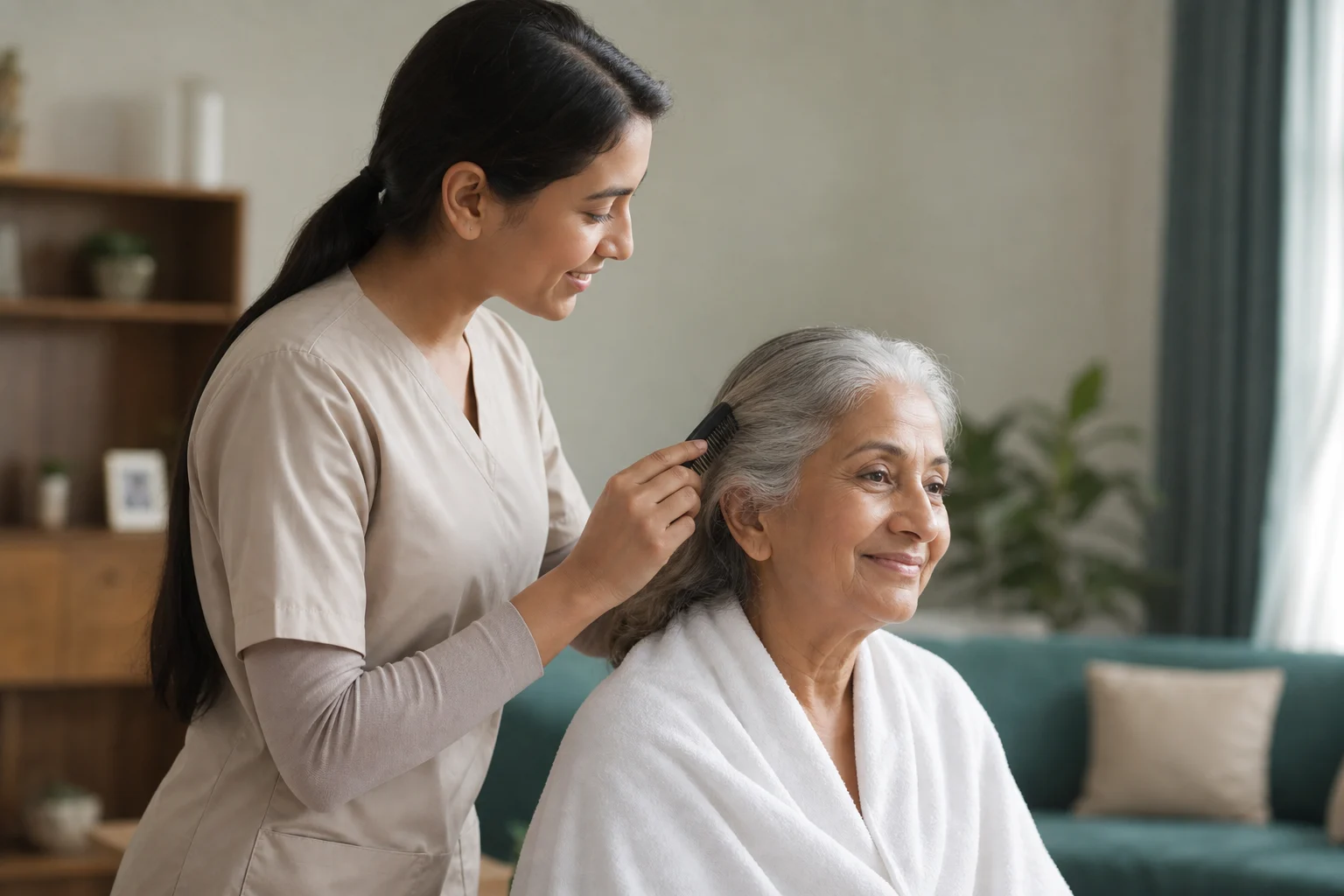
- Bathing and Grooming: Assistance with personal hygiene to promote comfort and dignity. Caregivers can help seniors bathe safely, ensuring that they are comfortable and secure. This can also involve hair care, skin care, and oral hygiene, which are essential for maintaining health and confidence.
- Dressing: Help with choosing appropriate clothing and getting dressed. Caregivers can assist in selecting outfits that match the weather and occasion, as well as help with dressing techniques that accommodate physical limitations.
- Meal Preparation: Planning and preparing nutritious meals that cater to dietary restrictions. Caregivers can work with nutritionists to ensure that meals meet any specific health needs, such as low-sodium or diabetic diets. They can also encourage hydration by ensuring seniors drink enough fluids throughout the day.
- Medication Management: Reminders and assistance with medication schedules to ensure proper health management. Caregivers can organize medications in pill organizers, track dosages, and communicate with healthcare providers about any concerns or changes in condition.
2. Mobility Support
Mobility can become challenging for seniors due to various health issues. Our caregivers provide:
- Transfer Assistance: Helping seniors move safely from bed to chair and vice versa. This support is crucial for preventing falls and ensuring that seniors can navigate their homes safely.
- Walking Aid: Support during walks to maintain physical activity and prevent falls. Caregivers can accompany seniors on walks, ensuring they have the right equipment, such as walkers or canes, and can provide encouragement and assistance as needed.
- Exercise Programs: Encouraging light exercises tailored to the individual's abilities can significantly enhance mobility. Caregivers can help seniors engage in gentle stretching or seated exercises to improve flexibility and strength.
3. Companionship
Emotional support is just as crucial as physical assistance. Our personal care services include:
- Social Interaction: Engaging in conversations, playing games, and participating in activities to enhance mental well-being. Caregivers can facilitate hobbies such as gardening, crafts, or puzzles, which provide mental stimulation and joy.
- Community Engagement: Encouraging participation in local events and activities to foster social connections. This could involve accompanying seniors to community centers, religious services, or senior clubs, helping them maintain their social networks.
- Technology Assistance: Helping seniors connect with family and friends through technology. Caregivers can teach them how to use smartphones or tablets for video calls, social media, or online games, reducing feelings of isolation.
4. Specialized Care
For seniors with specific health conditions, we offer specialized care that includes:
- Dementia and Alzheimer’s Care: Tailored support for cognitive impairments to ensure safety and comfort. Caregivers are trained to manage the unique challenges associated with memory loss, including creating a safe environment and using effective communication techniques.
- Post-Surgery Care: Assistance with recovery and rehabilitation following medical procedures. This may include helping seniors follow their rehabilitation plans, managing pain, and ensuring they adhere to their doctor's post-operative instructions.
- Chronic Illness Support: For seniors with chronic conditions such as diabetes, heart disease, or arthritis, caregivers can assist in managing symptoms and providing education on lifestyle changes that can improve quality of life.
5. Respite Care
Family caregivers often need a break from their caregiving responsibilities. Our respite care services provide temporary relief, allowing family members to take time for themselves while knowing their loved ones are in safe hands. This service can be scheduled for a few hours or several days, depending on the family's needs.
- Flexible Scheduling: Respite care can be arranged on a short-term basis, giving family caregivers the freedom to take vacations, attend to personal matters, or simply rest.
- Continuity of Care: Families can often choose the same caregivers for respite services, ensuring that seniors receive care from someone they know and trust.
- Support for Family Caregivers: Respite care not only benefits the senior but also provides essential support for family caregivers, helping to reduce stress and prevent burnout.
Understanding the wide array of personal care services available can equip families with the knowledge needed to make the best choices for their loved ones. Each service is designed to foster independence while ensuring safety and enhancing the quality of life for seniors. By choosing the right combination of services, families can create a supportive and nurturing environment that meets their loved ones' unique needs.
Choosing the Right Personal Care Provider
Selecting a personal care service provider is a significant decision that can impact your loved one's life. This choice can affect not only their physical well-being but also their emotional and mental health. With the right provider, your loved one can enjoy a better quality of life, maintain independence, and receive the support they need. Here are several factors to consider when choosing a provider:
- Experience and Qualifications: Ensure that the caregivers are trained and experienced in providing personal care services. Look for certifications such as Certified Nursing Assistant (CNA) or Home Health Aide (HHA). These qualifications indicate that the caregiver has undergone proper training in areas such as personal hygiene, nutrition, and mobility assistance. Inquire about the agency's recruitment process to ensure they conduct thorough background checks and have a rigorous hiring process in place.
- Reputation: Look for reviews and testimonials from other families to gauge the quality of care provided. Websites such as Yelp, Google Reviews, and social media platforms can offer insights into the experiences of others. Consider reaching out to local senior centers or healthcare providers for recommendations. They often have direct experience with various providers and can offer valuable insights. Check if the agency is accredited by organizations like the Home Care Association, which can further assure you of their credibility.
- Personalized Care Plans: A good provider will work with you to create a customized care plan that meets your loved one’s specific needs. This plan should be tailored to their health conditions, preferences, and daily routines. For instance, if your loved one has Alzheimer’s disease, the caregiver should be trained in specific strategies to communicate effectively and manage potential behavioral issues. Regular assessments and adjustments to the care plan are vital to ensure it remains aligned with your loved one’s changing needs.
- Availability: Choose a provider that offers flexible scheduling options to accommodate your family’s needs. Consider whether you need care for just a few hours a day or around-the-clock support. Some agencies offer respite care, which can provide temporary relief for family caregivers. Inquire about their ability to provide emergency services or last-minute adjustments to scheduled care, as this can be crucial in times of unexpected illness or hospitalization.
Beyond these initial considerations, there are several other factors to evaluate as you make your decision:
- Communication: Effective communication between you, your loved one, and the caregiver is essential. Assess how responsive the agency is to your inquiries during the selection process. A provider that prioritizes open communication is more likely to be attentive to your loved one’s needs. Ask about how caregivers document care and how you will be kept informed about your loved one’s progress and any changes in their condition.
- Compatibility: The relationship between your loved one and their caregiver is crucial for effective care. Consider arranging a meet-and-greet before finalizing your choice. This allows both parties to interact and can help determine if there is a good personal rapport. Compatibility can significantly affect the emotional well-being of your loved one, making them more comfortable and receptive to care.
- Services Offered: Ensure the provider can meet all of your loved one’s needs. To basic personal care services such as bathing, dressing, and meal preparation, consider if they offer specialized services like medication management, physical therapy, or companionship. Understanding the full range of services can help you avoid the hassle of switching providers later on.
- Cost and Payment Options: Understand the pricing structure and what is included in the service. Some agencies charge hourly, while others may offer flat rates for specific services. Inquire about any additional fees that may apply, such as for transportation or specialized services. It’s also essential to discuss payment options, including whether they accept long-term care insurance or if they offer sliding scale fees based on income.
- Trial Period: If possible, see if the agency offers a trial period. This arrangement allows your loved one to experience the care first-hand and helps you assess the quality of service before making a long-term commitment. A trial period can also provide an opportunity for both the caregiver and your loved one to adjust to each other’s routines and preferences.
- Emergency Preparedness: Inquire about the agency's protocols for handling emergencies. Understanding how they respond to medical emergencies or unexpected caregiver absences can give you peace of mind. Ask if caregivers are trained in first aid and CPR, and whether there are backup caregivers available to step in when needed.
Making the right choice in a personal care provider can feel overwhelming, but taking the time to evaluate these factors will lead you to a decision that is best for your loved one. By ensuring that you select a provider that aligns with their specific needs, you are not only enhancing their daily living but also fostering a more positive and supportive environment that promotes their dignity and independence.
Choosing the Right Personal Care Provider
Selecting a personal care service provider is a significant decision that can impact your loved one's life. Here are several factors to consider when choosing a provider:
- Experience and Qualifications: Ensure that the caregivers are trained and experienced in providing personal care services.
- Reputation: Look for reviews and testimonials from other families to gauge the quality of care provided.
- Personalized Care Plans: A good provider will work with you to create a customized care plan that meets your loved one’s specific needs.
- Availability: Choose a provider that offers flexible scheduling options to accommodate your family’s needs.