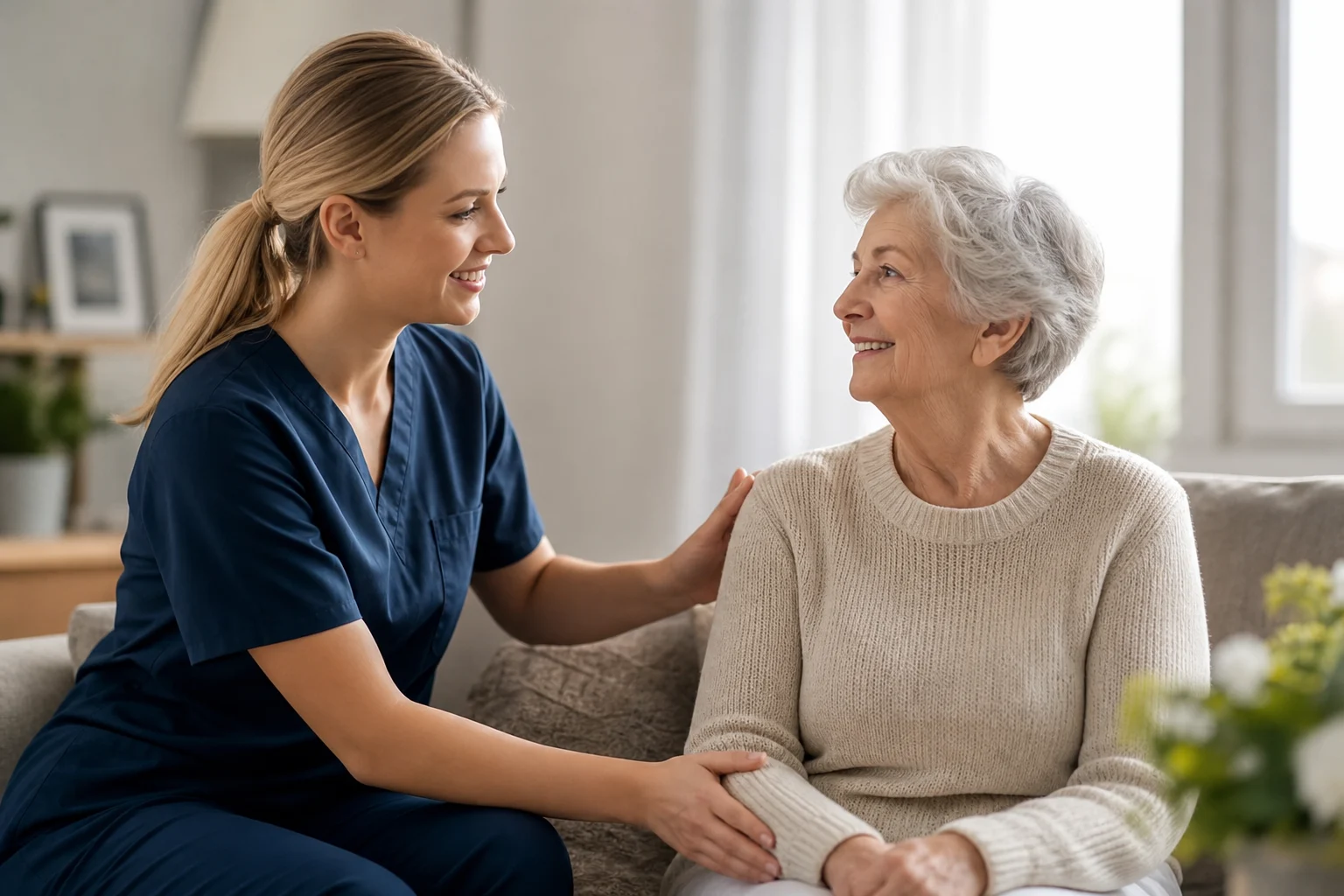
The Role of Personal Care in Promoting Independence
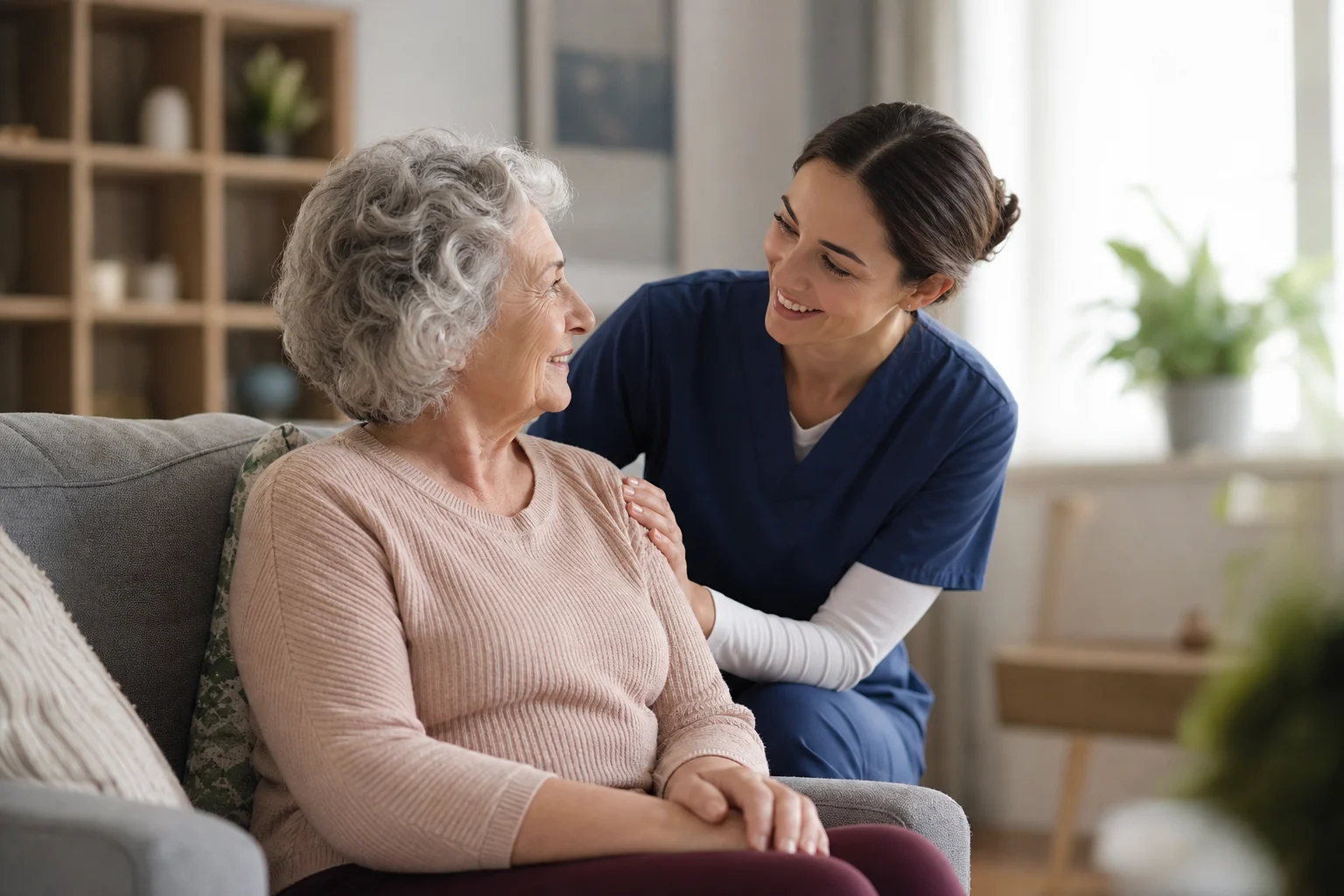
In today’s fast-paced world, the importance of personal care cannot be overstated, especially for seniors and individuals with disabilities. Personal care services play a pivotal role in enhancing the quality of life and promoting independence among these populations. At Ability Homes, we recognize that personal care at home is not just about assistance; it’s about empowering individuals to live life on their own terms. This article explores how personal care support fosters independence and outlines the benefits of these essential services.
Understanding Personal Care Services
Personal care services encompass a range of support options designed to assist individuals with daily living tasks. These services can vary widely, covering everything from basic hygiene and grooming to more complex medical assistance. The primary goal is to ensure that individuals receive the help they need while maintaining as much independence as possible. By providing the necessary support, personal care services empower individuals to live fulfilling lives while still receiving the essential help they require.
At Ability Homes, our personal care services include:
- Assistance with bathing and personal hygiene
- Help with dressing and grooming
- Medication management
- Mobility assistance
- Meal preparation and nutrition guidance
- Companionship and social engagement
These services are tailored to meet the unique needs of each individual, allowing them to retain their dignity while receiving the necessary support. But what does each of these services entail in practice, and how can they significantly impact an individual's day-to-day life? Let’s delve deeper into each category of personal care services and explore their importance.
Assistance with Bathing and Personal Hygiene
Maintaining personal hygiene is crucial for anyone's health and well-being. For seniors or individuals with disabilities, daily tasks like bathing can become challenging. Personal care aides are trained to assist with bathing, ensuring that individuals are clean and comfortable without compromising their dignity. This may involve helping them into and out of the shower, providing necessary support during the bathing process, and ensuring that safety measures are in place to prevent falls.
To bathing, personal hygiene also includes oral care and skincare. Caregivers can assist with brushing teeth, applying lotion, and ensuring that skin is healthy and free from irritations or infections. This holistic approach not only promotes physical health but also boosts self-esteem and mental well-being.
Help with Dressing and Grooming
Choosing appropriate clothing and grooming is an essential part of daily life that contributes to an individual's self-image. Personal care services that include help with dressing can assist individuals in selecting outfits that reflect their style and preferences, as well as assist them in putting on clothing. This service respects the individual's autonomy while providing the necessary support.
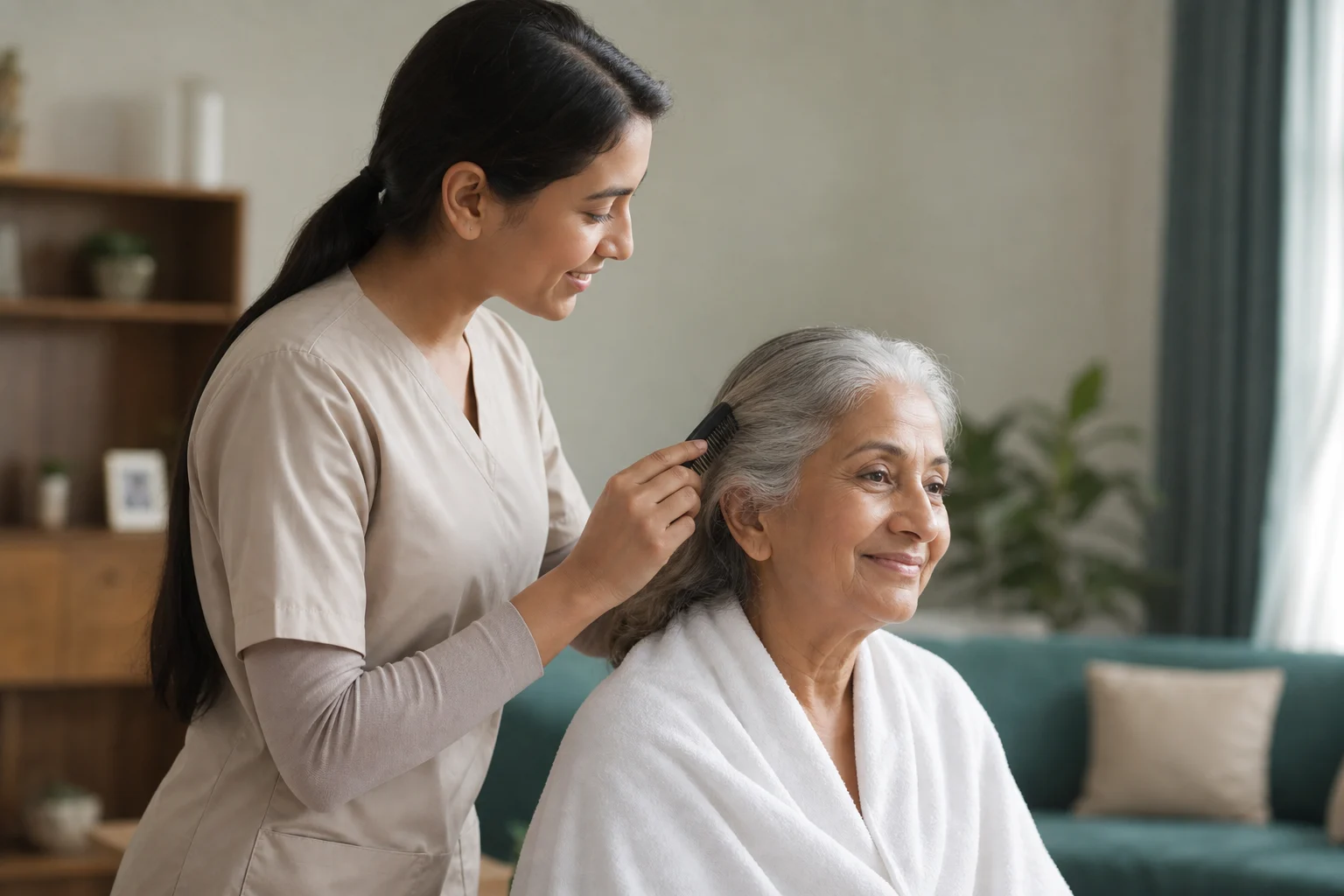
Grooming tasks, such as hairstyling and shaving, are also important for maintaining personal appearance. Caregivers can help with these tasks, ensuring that individuals look and feel their best, which is especially important for social interactions and self-confidence.
Medication Management
For many individuals, managing medications can be a daunting task, especially if multiple prescriptions are involved. Personal care services often include medication management assistance, such as organizing medication schedules, reminding individuals when to take their medications, and even helping with the administration of certain medications. This service is critical in preventing missed doses or harmful interactions between medications.
Caregivers are trained to recognize side effects and can communicate any concerns to healthcare professionals, ensuring that the individual’s health is monitored closely. This proactive approach helps maintain the individual’s health and minimizes the risk of hospitalization due to medication mismanagement.
Mobility Assistance
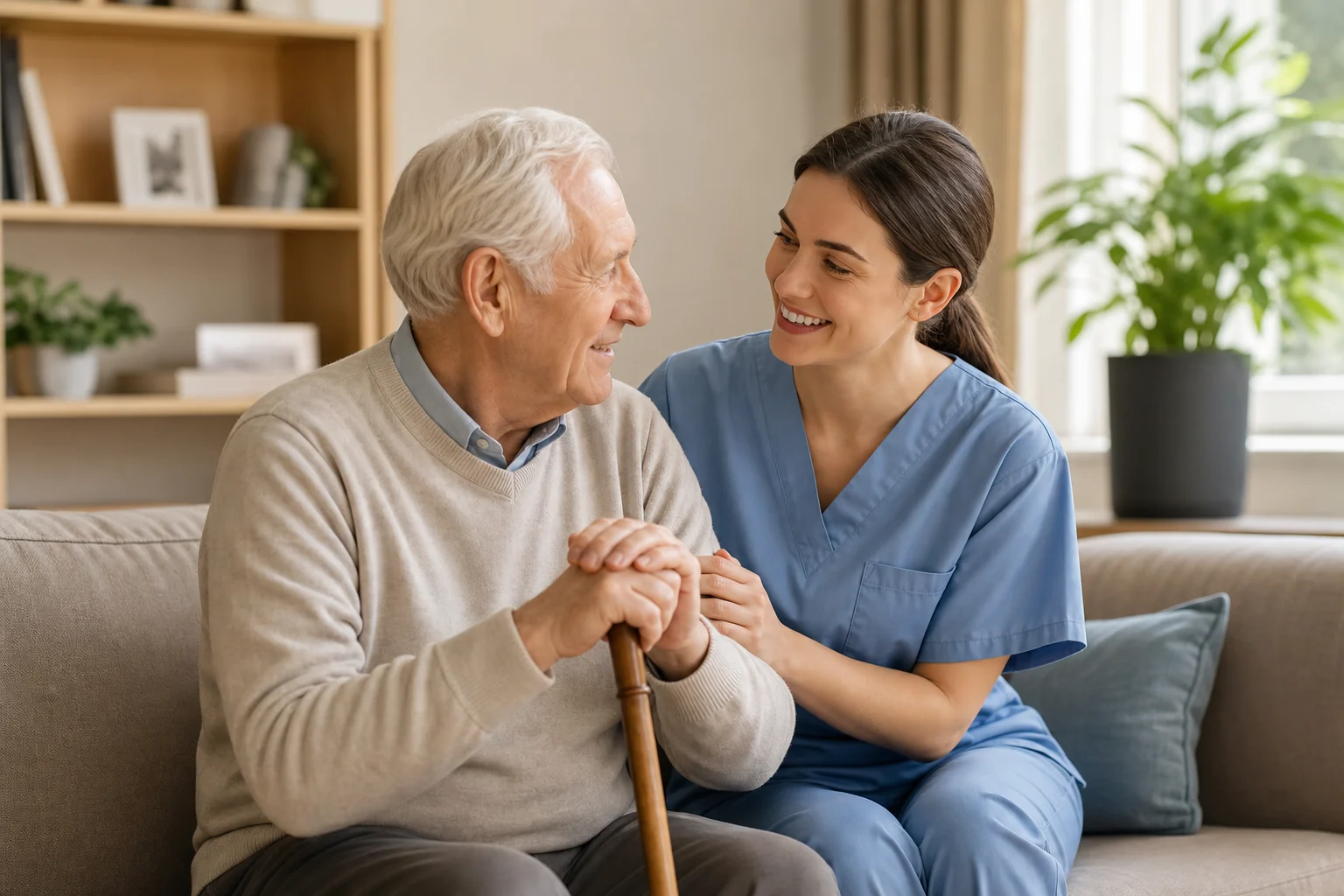
Many individuals face mobility challenges due to age, injury, or medical conditions. Personal care services often provide mobility assistance, helping individuals move safely within their homes and in the community. This might include helping someone get in and out of bed, transferring from a wheelchair to a chair, or providing support while walking.
Mobility assistance is not only about physical support; it also encourages individuals to stay active, whether it’s taking a walk in the neighborhood or attending social events. Caregivers can also guide exercises that improve strength and balance, contributing to overall independence.
Meal Preparation and Nutrition Guidance
Nutrition plays a vital role in maintaining health, but preparing meals can become a daunting task for those with limited mobility or cognitive challenges. Personal care services often include meal preparation, ensuring that individuals receive nutritious meals tailored to their dietary needs and preferences.
Caregivers can assist in grocery shopping, planning meals, and preparing food. They can also educate individuals on healthy eating habits and help them understand their dietary restrictions, particularly for those with chronic conditions like diabetes or heart disease. This support not only enhances physical health but also brings joy and satisfaction through the enjoyment of home-cooked meals.
Companionship and Social Engagement
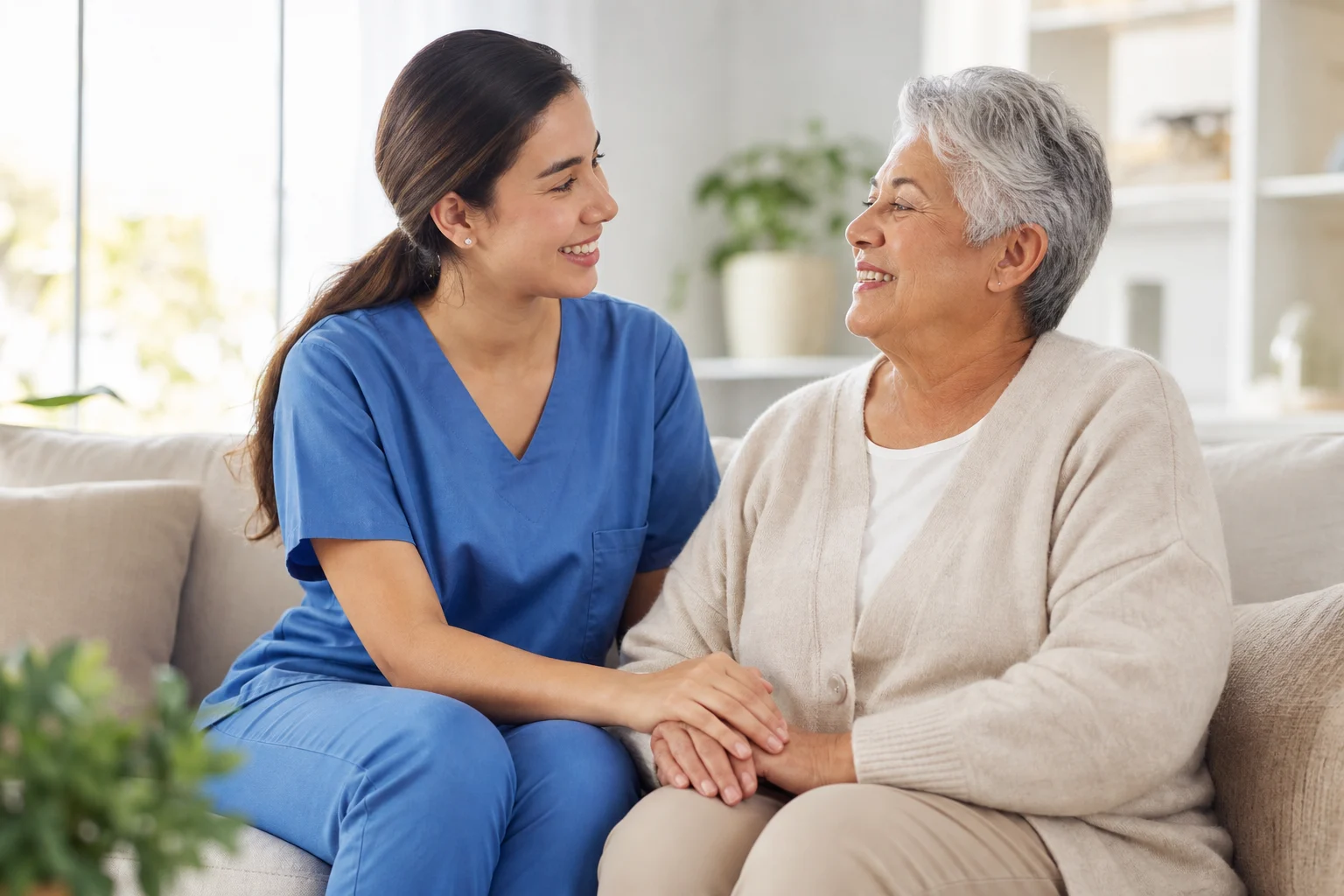
Social isolation can significantly impact the mental health of seniors and individuals with disabilities. Personal care services often include companionship, where caregivers engage in conversations, participate in activities, and provide emotional support. This interaction is essential for mental well-being and can help alleviate feelings of loneliness.
Caregivers can also assist in organizing social outings or activities that align with the individual’s interests, such as art classes, community events, or simple walks in the park. These social engagements not only enrich the individual’s life but also contribute to a sense of community and belonging.
Personal care services are a vital resource for individuals seeking to maintain their independence while receiving the assistance they need. Each service plays a significant role in enhancing the quality of life, promoting dignity, and ensuring that individuals can thrive in their daily lives. By tailoring these services to meet individual needs, personal care becomes not just a necessity, but a pathway to a fulfilling and independent life.
The Benefits of Personal Care in Promoting Independence
Personal care services provide numerous benefits that contribute to the independence of seniors and individuals with disabilities. Here are some key outcomes:
1. Enhanced Quality of Life
When individuals receive the assistance they need, they are more likely to engage in activities that bring them joy. Personal care not only addresses basic needs but also enables clients to explore hobbies, socialize, and participate in community events. For instance, a caregiver might help a senior attend a weekly book club or accompany them on outings to local museums. These experiences enrich the individual’s life, providing a sense of purpose and fulfillment.
Personal care services can assist with daily routines that enhance overall well-being. For example, a caregiver can help with grooming, allowing individuals to feel more confident and presentable. This small change can significantly impact self-esteem and motivation to engage with others, reinforcing a positive cycle of independence and happiness.
2. Improved Physical Health
Regular personal care helps maintain physical health. Proper hygiene, nutrition, and medication adherence are crucial for preventing illnesses and managing chronic conditions. Our team at Ability Homes ensures that clients receive the necessary support to stay healthy, which is vital for their overall independence.
To basic hygiene, personal care services can include assistance with meal preparation. Caregivers can help clients plan balanced meals that cater to dietary restrictions or preferences, promoting better nutrition. For instance, a caregiver might prepare a heart-healthy meal for someone managing hypertension, ensuring they receive the necessary nutrients while enjoying delicious food.
Personal care can facilitate regular exercise, which is essential for maintaining mobility and strength. Caregivers can accompany clients on walks, assist with physical therapy exercises, or even help them participate in community fitness classes tailored for seniors. These activities not only improve physical health but also enhance mobility, allowing individuals to maintain their independence longer.
3. Emotional Well-Being
Independence is not only about physical capabilities; it also encompasses emotional health. Personal care services provide companionship, reducing feelings of loneliness and isolation. Engaging with a caring professional can significantly enhance emotional well-being and foster a sense of connection to the community. For example, regular conversations with a caregiver can provide emotional support and the opportunity to share experiences, making clients feel valued and understood.
Personal care can involve therapeutic activities that promote emotional health. Caregivers can facilitate arts and crafts, music therapy, or even gardening, which are known to foster creativity and reduce stress. By encouraging clients to express themselves, personal care services can help individuals cultivate new interests and build social connections, further contributing to their emotional well-being.
4. Safety and Security
For many seniors and individuals with disabilities, safety is a primary concern. Personal care support can help prevent accidents at home, ensuring that individuals can navigate their environment safely. Whether it’s assistance with mobility or monitoring for potential hazards, having a trained caregiver can make all the difference.
For example, caregivers can assist with transferring clients from a bed to a wheelchair, ensuring proper techniques are used to prevent falls or injuries. They can also conduct regular safety checks around the home, identifying potential risks such as loose rugs or inadequate lighting. This proactive approach not only enhances safety but also empowers clients to feel secure in their own homes, which is crucial for maintaining independence.
Caregivers can help implement emergency preparedness plans. They can educate clients on how to respond during emergencies, whether it’s a medical issue or a natural disaster. By fostering a sense of security, personal care services allow individuals to focus on their daily lives without the constant worry of safety concerns.
5. Customized Care Plans
One of the strengths of personal care services is the ability to create customized care plans. At Ability Homes, we work closely with families to develop a plan that aligns with the specific needs and preferences of the individual. This personalized approach empowers clients and their families to make informed decisions about care, further enhancing independence.
For instance, a personalized care plan may include specific routines tailored to the client’s lifestyle. If a client enjoys morning walks, their caregiver can schedule assistance around this activity, ensuring they remain active. The care plan can be adjusted as the client's needs evolve, providing flexibility that standard services may not offer.
Involving family members in the care planning process fosters collaboration and ensures that everyone is on the same page. Regular reviews of the care plan can help address any changing needs or preferences, allowing for continuous improvement in the quality of care provided. This collaborative approach not only enhances the effectiveness of personal care but also strengthens relationships among all parties involved.
The benefits of personal care in promoting independence are profound and multifaceted. By enhancing quality of life, improving physical health, supporting emotional well-being, ensuring safety, and providing customized care plans, personal care services play a vital role in empowering seniors and individuals with disabilities to live fulfilling, independent lives. As we continue to advocate for the importance of personal care, it’s essential to recognize how these services can transform the lives of those we serve, enabling them to thrive in their own homes and communities.
Supporting Families Through Personal Care
Families often bear the emotional and physical burden of caregiving for their loved ones. Personal care services can alleviate some of this stress, providing families with peace of mind knowing that their loved ones are in capable hands. This support allows family members to focus on their own lives while ensuring that their loved ones receive the best care possible.
For families in Brooklyn Park, MN, seeking reliable home health care solutions, Ability Homes is here to help. Our expert team is dedicated to enhancing the independence of our clients through compassionate and professional personal care services.
Choosing the Right Personal Care Provider
When selecting a personal care provider, consider the following factors:
- Experience and Qualifications: Ensure that the caregivers are trained and experienced in providing the specific services your loved one needs.
- Personalization: Look for a provider that offers customized care plans tailored to individual preferences and requirements.
- Communication: A good provider will maintain open lines of communication with both clients and families.
- Reputation: Research the agency’s reputation through reviews and testimonials from other families.
At Ability Homes, we pride ourselves on our commitment to quality care. Our team is trained to deliver compassionate personal care support that promotes independence while ensuring the safety and well-being of our clients.