The Role of Personal Care in Enhancing Independence
Independence is a fundamental aspect of life that many individuals strive to maintain, regardless of age or ability. For seniors and individuals with disabilities, personal care plays a crucial role in promoting this independence, allowing them to enjoy a better quality of life while receiving the necessary assistance. At Ability Homes, we understand the importance of personal care and how it can empower our clients in their daily lives.
The Benefits of Independence Through Personal Care
Independence is more than just the ability to perform daily tasks; it encompasses the freedom to make choices, engage in social activities, and maintain a sense of dignity. Personal care assistance can significantly enhance this independence in several ways:
- Improved Quality of Life: With personal care solutions, seniors can engage in activities they love without the burden of physical limitations. This enhancement leads to a more fulfilling life. For instance, assistance with meal preparation can enable seniors to enjoy their favorite dishes, contributing to both physical health and emotional satisfaction. Personal care services can support hobbies such as gardening or painting, allowing individuals to continue pursuing their passions and interests.
- Safety and Security: Having trained caregivers provide support ensures that seniors are safe while performing daily activities. This safety net allows them to feel more secure in their independence. For example, caregivers can assist with mobility issues, ensuring that seniors can move around their homes without fear of falling or injury. Technology also plays a role here; personal care services can incorporate smart home devices that enhance safety, such as fall detection sensors or medication reminders, thus providing both peace of mind and practical support.
- Emotional Well-being: Maintaining independence can greatly reduce feelings of isolation and depression. Personal care fosters social connections and encourages participation in community activities. Caregivers often serve as companions, providing not just physical support but also emotional encouragement. They can help seniors stay connected with family and friends, whether through phone calls, video chats, or arranging social outings. This social interaction is crucial for mental health, and studies have shown that seniors who maintain social connections have lower rates of depression and anxiety.
- Customized Support: Personal care services can be tailored to meet the unique needs of each individual, ensuring they receive the right level of assistance while still maintaining control over their lives. This customization can include varying levels of assistance, from help with personal hygiene and grooming to more complex medical care, depending on what each person needs. Care plans are often developed in collaboration with the individual, their family, and healthcare professionals to ensure that preferences and requirements are fully considered. For example, if someone has specific dietary needs due to a health condition, caregivers can provide meal planning and preparation that aligns with those requirements, ensuring that independence is not compromised by health issues.
Personal care services can also help individuals navigate the challenges that come with aging or disability. They can assist with transportation to medical appointments, helping seniors maintain their health care routines, which is crucial for preserving independence. This not only ensures that individuals receive necessary treatments but also empowers them by allowing them to take charge of their health.
Another significant benefit of personal care is the development of routines that promote self-sufficiency. Caregivers can help establish daily schedules that encourage engagement and activity, whether it’s through regular exercise, social activities, or even simple tasks like making the bed or tidying up. These routines not only foster a sense of accomplishment but also help individuals retain their cognitive abilities by keeping their minds engaged and active.
Personal care services can also provide education and resources for both seniors and their families. Caregivers can offer insights into managing specific health conditions, provide tips for improving home safety, and share information about community resources that can aid in maintaining independence. This kind of support can empower families to make informed decisions about the care and assistance their loved ones need, further enhancing the individual’s sense of autonomy.
As part of the personal care process, family involvement is often encouraged. This collaboration not only strengthens family bonds but also ensures that the care provided aligns with the preferences of the individual receiving assistance. Family members can participate in care planning meetings, allowing them to voice concerns and preferences, which can lead to a more personalized and effective care approach.
Personal care services contribute to a sense of community. Engaging caregivers who are often local residents helps build connections within neighborhoods, fostering a support network that extends beyond the immediate caregiver-client relationship. This community aspect can be incredibly beneficial for seniors, as it reinforces their sense of belonging and reduces feelings of isolation.
It’s important to address the financial aspect of personal care. While some may view the cost of personal care services as a barrier, it’s essential to consider the long-term benefits and potential savings. By maintaining independence, individuals may avoid costly hospitalizations or transitions to assisted living facilities, ultimately preserving their financial resources. Many personal care agencies offer flexible payment options, and there may be financial assistance programs available through government services or non-profits that can help alleviate costs.
The advantages of personal care in enhancing independence are profound and multifaceted. From improved quality of life and emotional well-being to customized support and community engagement, personal care services play a crucial role in empowering seniors and disabled individuals to live fulfilling, independent lives. By fostering safety, security, and a sense of belonging, personal care not only enhances daily living but also enriches the overall experience of aging and disability, allowing individuals to thrive in their chosen environment.
Examples of Personal Care Support
Personal care for the elderly can take many forms, allowing for flexibility based on individual requirements. Here are some of the ways personal care assistance can help enhance independence:
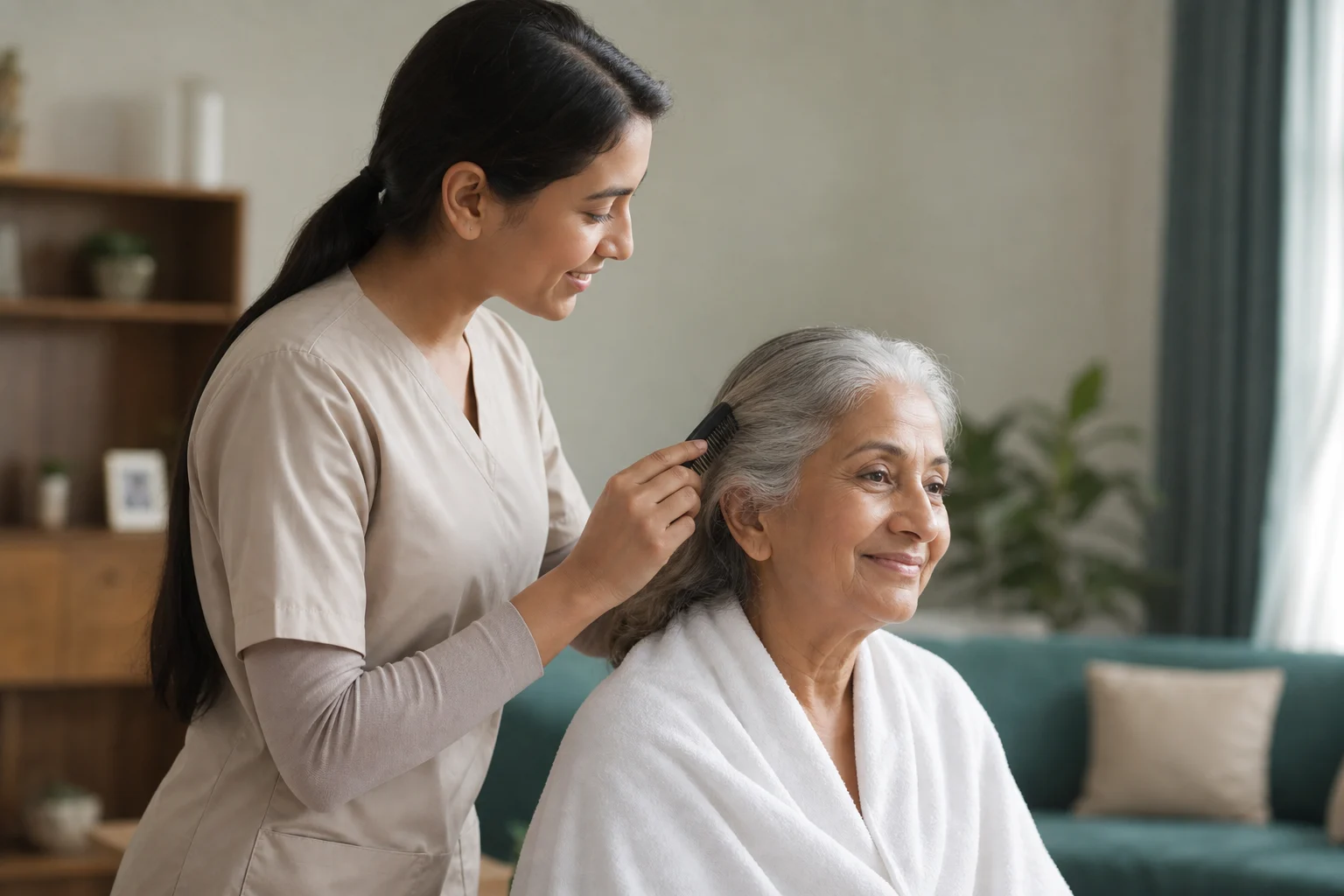
- Daily Living Activities: Caregivers can assist with tasks such as bathing, dressing, grooming, and meal preparation. This support allows seniors to maintain their personal hygiene and nutrition while feeling dignified in their care.
- Mobility Assistance: Whether it’s helping seniors move around their home or accompanying them on outings, mobility assistance is crucial for maintaining independence. Caregivers can provide the necessary support to prevent falls and promote safe navigation.
- Medication Management: Ensuring that individuals take their medications on time is vital for their health. Personal care solutions often include medication reminders and management, allowing seniors to focus on their daily lives without worrying about their health regimen.
- Companionship: Often overlooked, companionship is a significant aspect of personal care. Caregivers offer not just physical support but also emotional and social engagement, contributing to a happier, more independent lifestyle.
Embrace Independence with Personal Care
Choosing personal care assistance is an important step toward enhancing independence for seniors and individuals with disabilities. By providing the right support, we can help our clients lead fulfilling lives while maintaining control over their daily activities. Personal care encompasses a wide range of services tailored to meet individual needs, ensuring that clients can navigate their daily routines with dignity and autonomy.
One of the most significant benefits of personal care is its ability to foster a sense of independence. Many seniors and individuals with disabilities may feel overwhelmed by daily tasks such as bathing, dressing, and meal preparation. With the support of trained personal care assistants, they can regain confidence in their ability to manage these activities, allowing them to live on their terms.
At Ability Homes, we understand that every client is unique. That's why we emphasize the importance of personalized care plans. These plans are developed through comprehensive assessments that take into account medical history, physical abilities, and personal preferences. For instance, if a client has specific dietary restrictions or preferences, our caregivers can prepare meals that not only adhere to those guidelines but also cater to their tastes, ensuring that mealtime remains an enjoyable experience.
Personal care assistance extends beyond physical support. Emotional well-being is just as critical for maintaining independence. Many seniors face feelings of isolation or depression, particularly when they can no longer engage in social activities as they once did. Personal care assistants often serve as companions, providing vital social interaction that can combat loneliness. They can accompany clients on outings, help them maintain hobbies, or simply engage in meaningful conversations, all of which contribute to a more enriched life.
Here are some key services that personal care can provide to enhance independence:
- Assistance with Activities of Daily Living (ADLs): This includes help with bathing, grooming, dressing, toileting, and mobility. By providing this essential support, personal care aides help clients maintain their hygiene and physical appearance, which is vital for self-esteem.
- Medication Management: For many seniors, managing medication can be a daunting task. Personal care professionals can help organize medications, remind clients when it's time to take them, and ensure that they are following prescribed regimens correctly.
- Meal Preparation: Proper nutrition is crucial for maintaining health and independence. Personal care services can include planning and preparing nutritious meals, accommodating dietary needs, and encouraging healthy eating habits.
- Mobility Assistance: Whether it's getting in and out of bed, using the bathroom, or moving from one room to another, mobility can be a significant challenge for many clients. Personal care aides offer support to help clients remain mobile and active.
- Household Management: Cleaning, laundry, and other household chores can become overwhelming. Personal care services can include light housekeeping, ensuring that living environments remain safe and comfortable.
Implementing personal care services also empowers clients to set and achieve personal goals. For example, an individual may wish to regain the ability to prepare their meals. With the guidance and support of a personal care assistant, they can practice cooking skills in a safe environment, gradually building confidence and independence.
Technology plays an increasingly vital role in supporting personal care and independence. Many seniors benefit from tools such as medication reminder apps, home monitoring systems, and even smart home devices that can automate tasks and enhance safety. Personal care aides can help introduce and manage these technologies, allowing clients to enjoy the benefits of modern conveniences while maintaining their independence.
Another critical aspect of personal care is the relationship between the caregiver and the client. Trust is essential, as clients must feel comfortable allowing someone into their personal space. At Ability Homes, we prioritize matching clients with caregivers who share similar interests and values, fostering rapport and trust. This connection not only enhances the quality of care but also contributes to the overall well-being of the client.
For families considering personal care for their loved ones, it’s important to communicate openly about needs and preferences. Discussing care options, setting expectations, and involving the individual in the decision-making process can help ensure that the personal care services provided align with their desires. This collaborative approach emphasizes respect for the client's autonomy and reinforces their sense of independence.
It’s essential to regularly evaluate the effectiveness of the personal care plan. As needs change, whether due to improvements in health or evolving preferences, adjustments may be necessary. Regular check-ins with the personal care team can help ensure that clients continue to receive the best possible care tailored to their current situation.
Personal care is not just about providing physical assistance; it’s about empowering individuals to embrace their independence. By offering personalized support tailored to each client's unique needs, personal care services can enhance quality of life, promote emotional well-being, and foster a sense of control over one’s daily activities. If you or a loved one is in need of personal care services in Brooklyn Park, MN, we invite you to reach out to Ability Homes. Our dedicated team is here to discuss how we can create a tailored personal care plan that meets your needs.
Experience exceptional care designed to empower you or your loved one. Contact us today to learn more about our home health care services and how we can help enhance independence through personal care.