The Impact of Personal Care on Mental Health
In our fast-paced world, the importance of mental health often takes a backseat to physical well-being. However, particularly for seniors and individuals requiring assistance, mental health is profoundly impacted by the quality of personal care they receive. At Ability Homes, we understand that personal care services not only enhance physical health but also contribute significantly to emotional and psychological well-being.
Understanding the Mental Health Benefits of Personal Care Services
At Ability Homes, we recognize that the mental health benefits of personal care services are profound. Here are some specific ways these services can positively influence mental well-being:
Reducing Anxiety and Depression
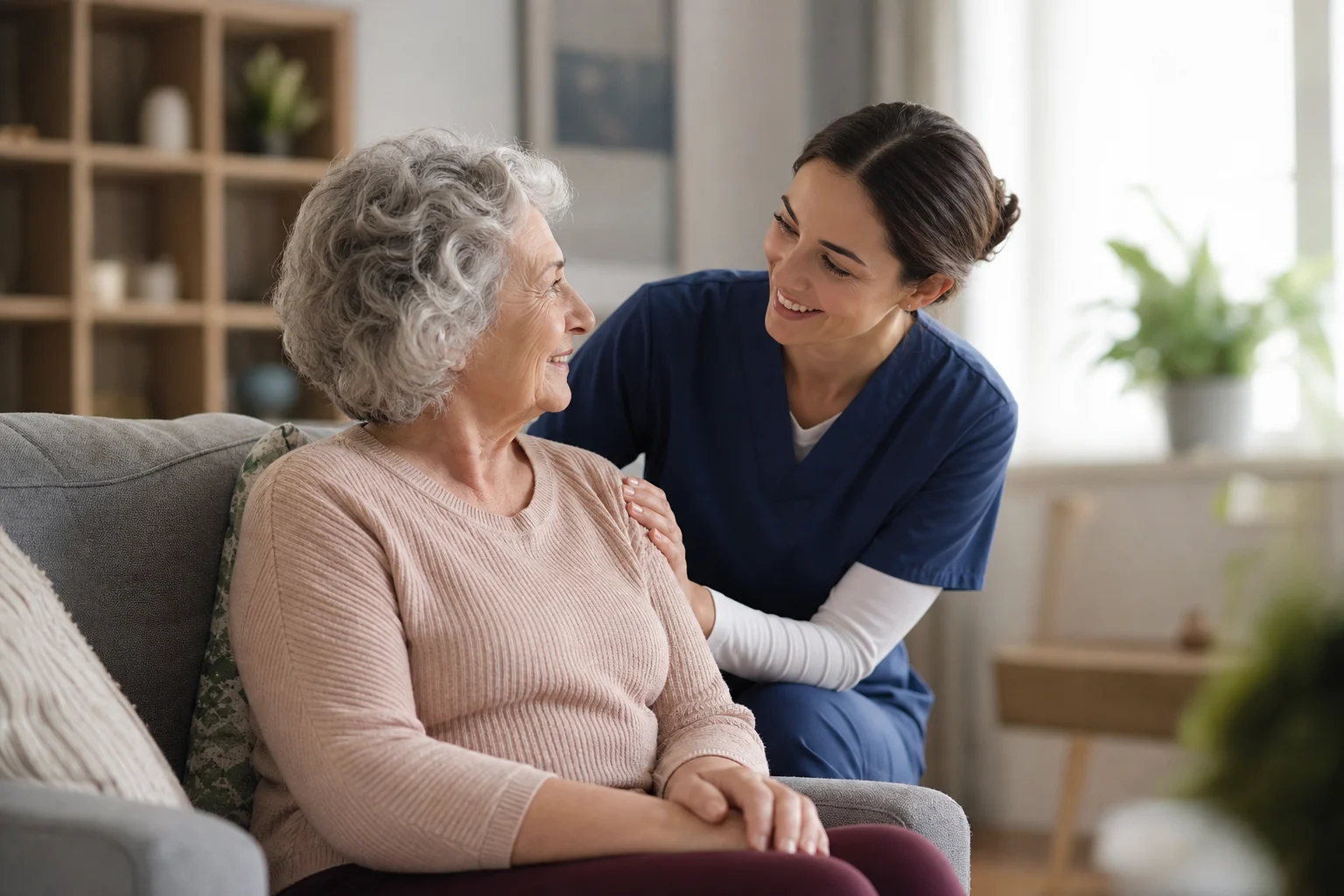
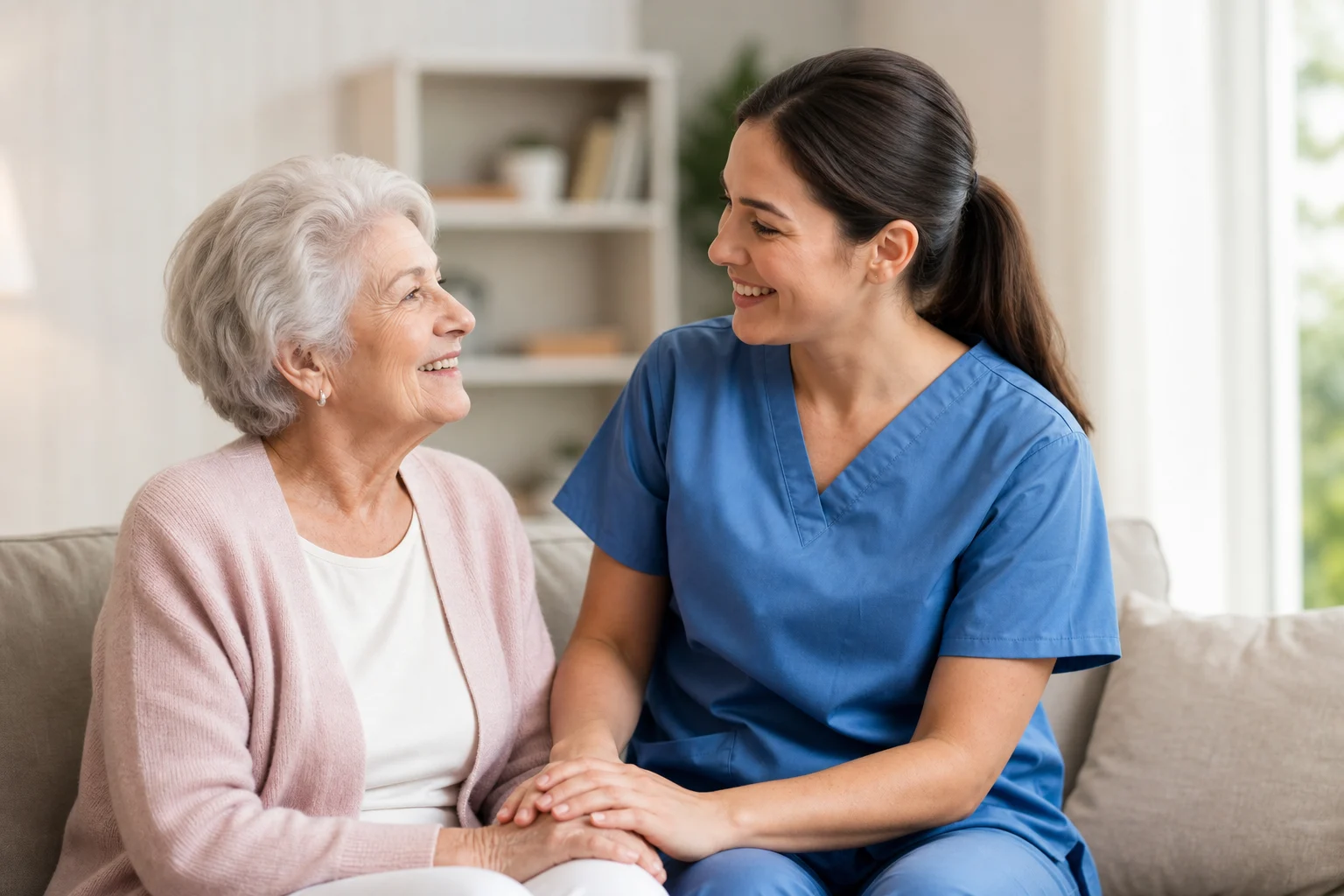
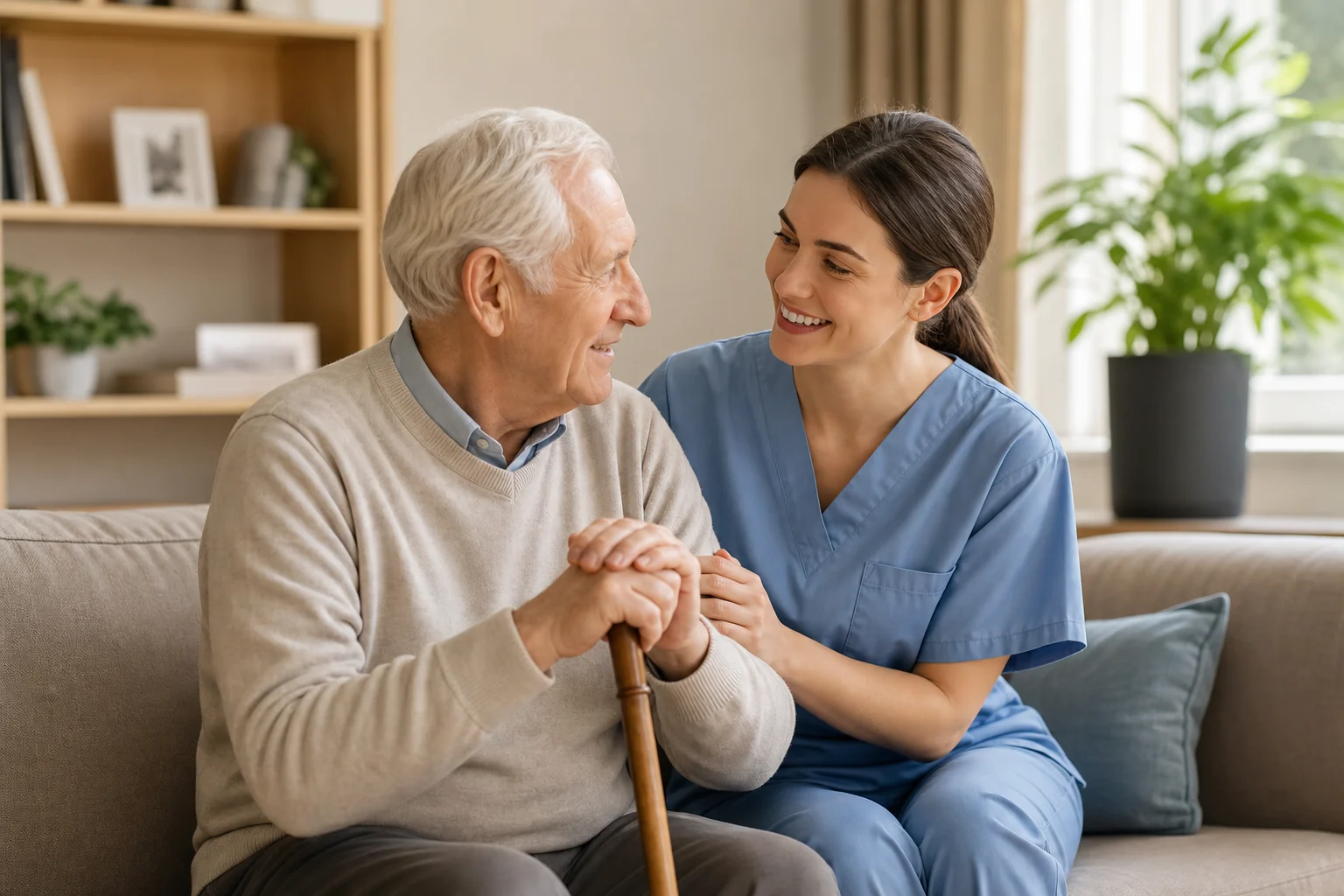
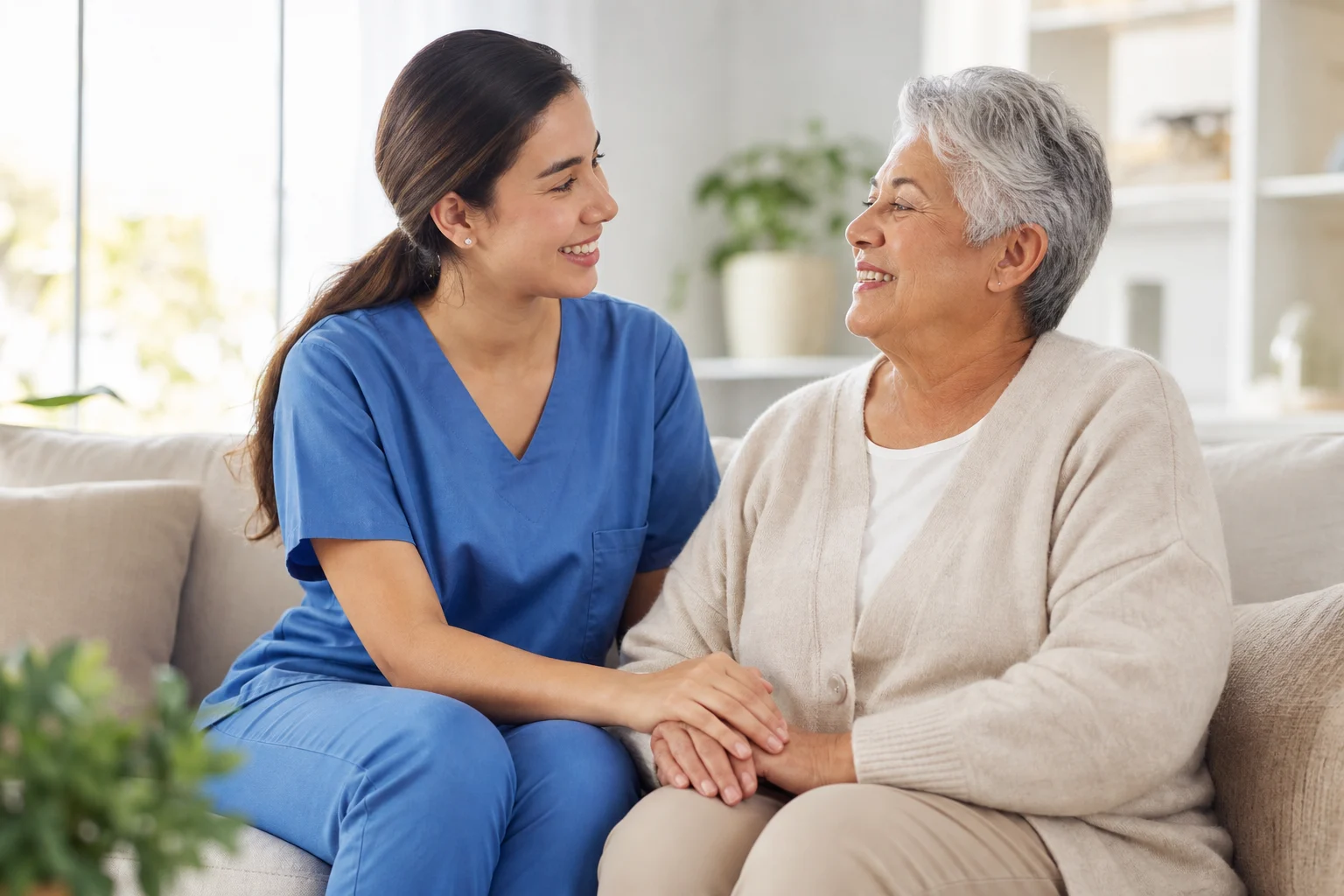
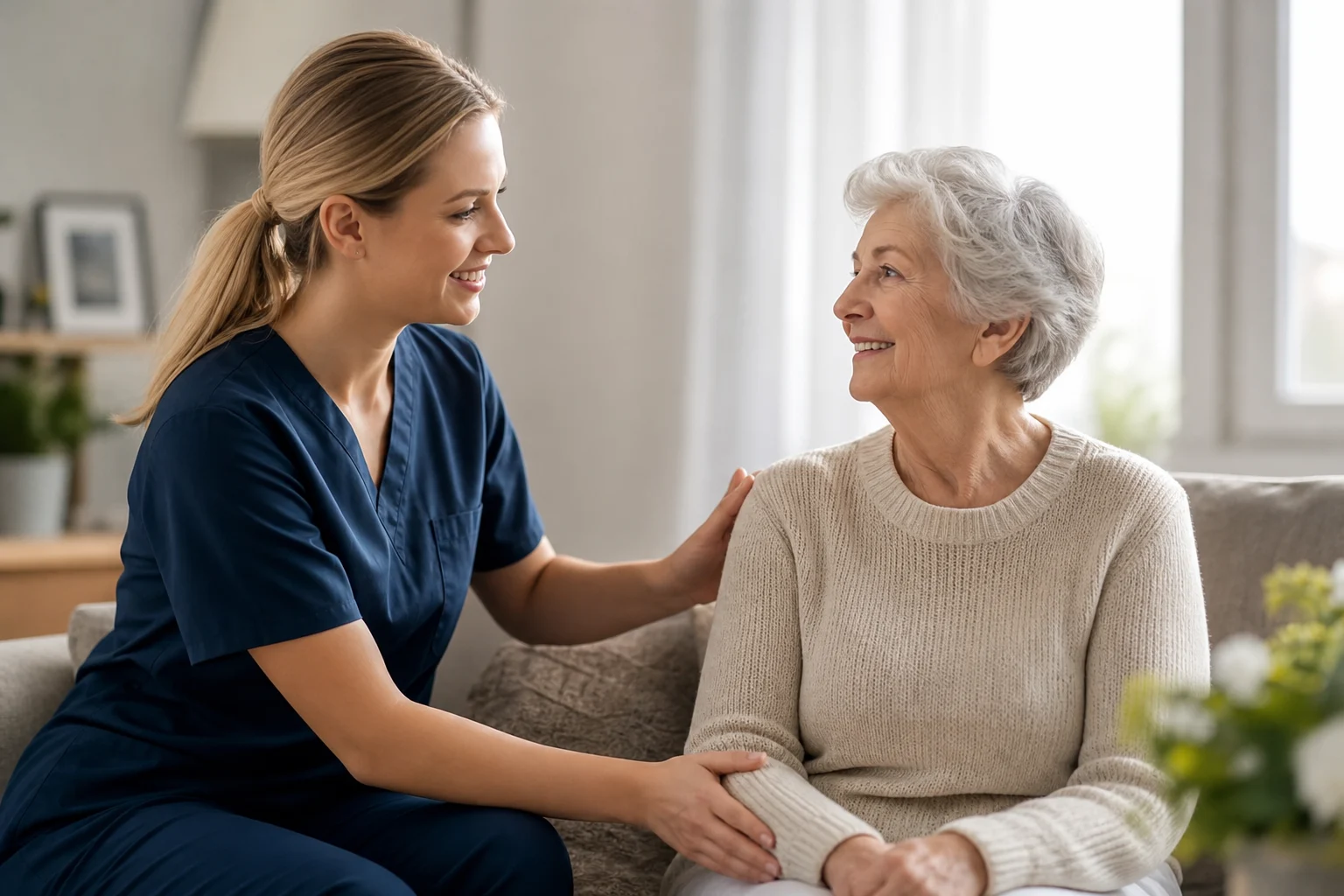
Many seniors experience anxiety or depression due to various life changes, including loss of loved ones, declining health, or the challenges of aging. Personal care services can help alleviate these feelings by providing companionship and support. Knowing that assistance is available can significantly reduce stress and anxiety levels.
For instance, personal care aides often serve as a consistent presence in the lives of their clients, which can combat feelings of isolation. This companionship is especially vital for those who live alone or have limited social interactions. Regular conversations, shared meals, or even simple activities like watching television together can provide comfort and reduce feelings of loneliness.
Personal care providers can help identify and address the signs of anxiety and depression early on. They are trained to recognize changes in mood or behavior and can alert family members or healthcare professionals if they notice concerning patterns. This proactive approach can ensure timely intervention, which is crucial for effective mental health management.
Enhancing Self-Esteem
When individuals receive personal care, they often feel more capable and confident in their abilities. Assistance with grooming and hygiene can boost self-esteem and promote a positive self-image, which is crucial for mental health.
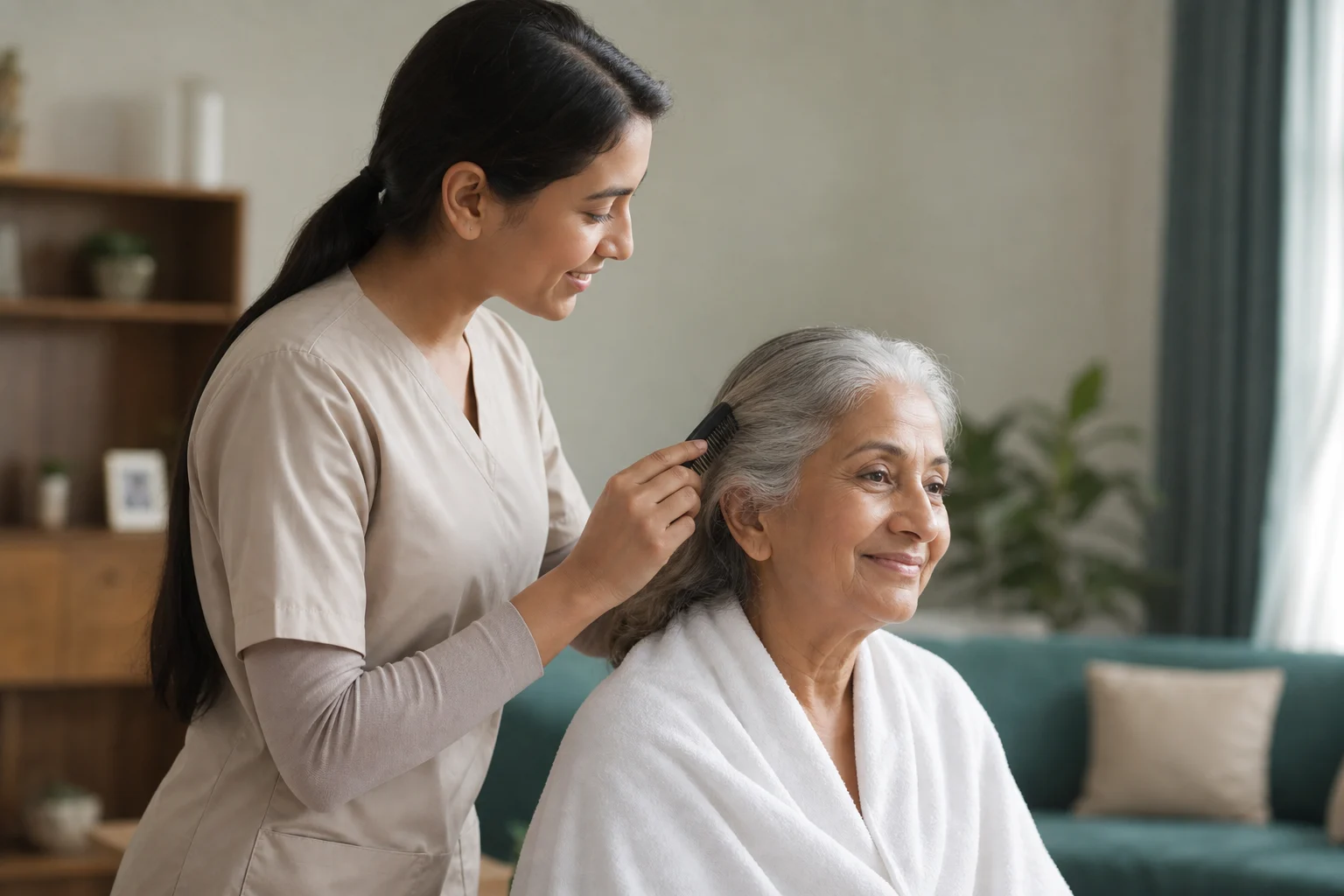
For many seniors, maintaining personal hygiene and grooming can become challenging due to physical limitations. A personal care aide can assist with bathing, dressing, and grooming, allowing clients to feel clean and presentable. This level of personal care can significantly enhance their self-esteem. For example, a well-groomed appearance can lead to improved social interactions, encouraging individuals to engage more with family and friends.
Personal care services can help clients maintain their appearance, leading to a greater sense of dignity. Feeling good about oneself can have a ripple effect on overall mental health, promoting a more positive outlook on life. Encouraging clients to participate in their own care, such as choosing their outfits or hairstyles, can also empower them and reinforce their sense of autonomy.
Promoting Engagement in Activities
Personal care providers often encourage their clients to participate in activities that promote mental stimulation and socialization. Whether it’s going for a walk, attending community events, or engaging in hobbies, these activities foster a sense of purpose and belonging.
Encouraging involvement in activities is crucial for maintaining cognitive function and emotional health. Personal care aides can help clients discover new interests or rekindle old hobbies. For instance:
- Arts and Crafts: Engaging in creative activities such as painting, knitting, or scrapbooking can serve as a therapeutic outlet. It allows seniors to express themselves and can even lead to new friendships through group activities.
- Exercise: Physical activity is not only beneficial for physical health but also for mental well-being. Personal care aides can accompany clients on walks, help them join exercise classes, or engage in light stretching routines at home. Regular movement can boost endorphins, which are natural mood lifters.
- Community Involvement: Encouraging clients to participate in local events or volunteer opportunities can instill a sense of purpose. Personal care aides can assist in finding community programs that align with the client’s interests, facilitating transportation, and providing companionship during these outings.
Establishing Routine and Structure
One of the significant benefits of personal care services is the establishment of routine and structure in daily life. A consistent schedule can provide individuals with a sense of stability, which is particularly important for those dealing with memory issues or mental health challenges.
Personal care aides can help create daily routines that include time for personal care, meals, exercise, and social activities. This structure can alleviate anxiety about the unknown and provide clients with a clear framework for their day. For example, a morning routine that includes personal hygiene, breakfast, and a short walk can set a positive tone for the rest of the day.
Routines can enhance cognitive function. Engaging in regular activities helps reinforce neural pathways in the brain, promoting better memory and cognitive health. Personal care aides can also introduce new routines or adapt existing ones to keep clients engaged and prevent monotony.
Facilitating Communication with Healthcare Providers
Personal care services also play a crucial role in facilitating communication between clients and their healthcare providers. Personal care aides can accompany clients to medical appointments, ensuring they understand their health conditions and treatment plans. This support can alleviate anxiety surrounding medical visits and empower clients to advocate for their health.
With the assistance of personal care services, clients can maintain a comprehensive record of their health status, medications, and any symptoms they may experience. This information can be invaluable during medical consultations, leading to better-informed healthcare decisions and tailored treatment plans. Having someone who understands their needs and concerns can significantly reduce the stress often associated with navigating the healthcare system.
Encouraging Positive Social Interactions
Personal care services not only provide physical assistance but also foster social connections. For many individuals, especially seniors, social interactions can decline due to mobility issues, health problems, or the loss of friends and family. Personal care aides can help bridge this gap by promoting socialization.
Encouraging clients to connect with family and friends through phone calls, video chats, or in-person visits can improve their mood and overall mental health. Personal care aides can facilitate group activities, such as game nights or book clubs, that can introduce clients to new social circles.
Building a supportive community is vital for mental well-being. Personal care aides can encourage clients to join local clubs or support groups, allowing them to meet individuals with similar interests or experiences. This sense of belonging can combat feelings of isolation and promote a healthier mindset.
Personal care services offer extensive mental health benefits that can significantly enhance the quality of life for individuals requiring assistance. From reducing anxiety and enhancing self-esteem to promoting engagement in activities and facilitating communication with healthcare providers, the positive impacts are far-reaching. By recognizing the importance of mental health in personal care, we can create a supportive environment that fosters well-being and encourages individuals to thrive.
Understanding the Mental Health Benefits of Personal Care Services
At Ability Homes, we recognize that the mental health benefits of personal care services are profound. Here are some specific ways these services can positively influence mental well-being:
Reducing Anxiety and Depression
Many seniors experience anxiety or depression due to various life changes, including loss of loved ones, declining health, or the challenges of aging. Personal care services can help alleviate these feelings by providing companionship and support. Knowing that assistance is available can significantly reduce stress and anxiety levels.
Enhancing Self-Esteem
When individuals receive personal care, they often feel more capable and confident in their abilities. Assistance with grooming and hygiene can boost self-esteem and promote a positive self-image, which is crucial for mental health.
Promoting Engagement in Activities
Personal care providers often encourage their clients to participate in activities that promote mental stimulation and socialization. Whether it’s going for a walk, attending community events, or engaging in hobbies, these activities foster a sense of purpose and belonging.
The Role of Family in Supporting Mental Health Through Personal Care
Families play a crucial role in the mental health of seniors. It’s important for family members to recognize the signs of mental distress and understand how personal care can help. Here are ways families can support their loved ones:
- Encourage Professional Help: If you notice changes in your loved one's mood or behavior, suggest exploring personal care services that can provide the necessary support. Professional caregivers can offer companionship, assistance with daily activities, and even specialized mental health services, which can significantly enhance your loved one's overall well-being.
- Stay Involved: Regular visits and communication can help your loved one feel valued and loved, reinforcing their mental health. Engage in meaningful conversations, share experiences, and ask open-ended questions that encourage them to express their feelings. Even simple gestures like sending a card or making a phone call can remind them that they are not alone.
- Discuss Care Options: Openly talk about the available personal care services and how they can positively impact their daily lives. For instance, personal care aides can assist with bathing, dressing, and grooming, which not only helps with physical health but also boosts self-esteem. Explore different service options together, such as in-home care, adult day programs, or respite care, to choose the best fit.
Beyond these initial steps, families can take a more proactive approach to supporting their loved ones' mental health through personal care. Here are additional strategies to consider:
Understanding the Signs of Mental Distress
It’s essential for family members to be well-versed in the signs of mental distress. Changes in behavior, withdrawal from social activities, and sudden mood swings can indicate that your loved one is struggling. By recognizing these signs early, families can intervene sooner, which can make a significant difference in their loved one’s mental health. Keep an eye out for:
- Changes in appetite or weight
- Difficulty sleeping or excessive sleeping
- Loss of interest in hobbies or activities once enjoyed
- Increased feelings of sadness or hopelessness
- Neglecting personal hygiene or appearance
Fostering Open Communication
Creating an environment where your loved one feels safe to express their concerns is vital. Encourage open communication about mental health by initiating discussions in a non-judgmental way. You might say, “I’ve noticed you seem a bit down lately. Is there anything you’d like to talk about?” This approach shows that you care and are willing to listen. Consider:
- Asking specific questions about their feelings and experiences.
- Listening actively without interrupting or offering solutions immediately.
- Validating their feelings to help them feel understood.
Creating a Supportive Environment
A supportive home environment can significantly impact your loved one’s mental health. Simple adjustments can make their space more comforting and less isolating. Consider the following tips:
- Encourage Routine: Establishing a daily routine can provide structure and a sense of control. Help them set a schedule for meals, exercises, and social activities.
- Promote Socialization: Facilitate opportunities for social interaction, whether it’s inviting friends over, scheduling family gatherings, or encouraging participation in community events. Social connections are vital for mental health.
- Incorporate Physical Activity: Encourage light exercise, such as walking or yoga, as physical activity can boost mood and reduce feelings of anxiety and depression.
- Ensure a Safe Space: Make sure their living environment is safe and accessible. Remove any hazards that could lead to accidents and ensure they have everything they need within reach.
Involving Professional Caregivers
When family support isn’t enough, involving professional caregivers can enhance the quality of personal care and mental health support. Personal care aides are trained to provide assistance tailored to the individual’s needs, which can be a significant relief for family members. Discussing the option of hiring a caregiver can feel daunting, but it’s an important step in ensuring your loved one receives comprehensive care. Here’s how to approach the topic:
- Highlight the Benefits: Explain how professional caregivers can alleviate some of the burdens on the family, while also providing specialized care that may be beyond what family members can offer.
- Research Together: Involve your loved one in the process of finding the right personal care service, discussing their preferences and concerns. This participation can help them feel more in control and reduce anxiety about the change.
- Trial Period: Suggest starting with a trial period for a caregiver, allowing your loved one to adjust to the idea of having someone else assist them and evaluate how well the arrangement works.
Encouraging Self-Care Practices
Teaching your loved one about self-care practices can empower them to take charge of their mental health. Encourage activities that promote relaxation and well-being, such as:
- Mindfulness and Meditation: Introduce them to mindfulness exercises or meditation, which can help reduce stress and improve emotional health.
- Creative Outlets: Encourage hobbies that foster creativity, such as painting, knitting, or gardening, which can provide a sense of accomplishment and joy.
- Healthy Eating: Discuss the importance of nutrition and how a balanced diet can positively affect mood and energy levels. Consider cooking meals together to make it a social activity.
- Quality Sleep: Highlight the significance of a good night’s sleep for mental clarity and mood stability. Help them establish a bedtime routine that promotes restful sleep.
The journey of supporting a loved one’s mental health through personal care is collaborative. By actively engaging in their care, fostering open communication, and exploring professional support options, families can create a nurturing environment that promotes mental wellness. Remember, your involvement can make a world of difference, not just in their personal care but also in their overall mental health and happiness.
The Role of Family in Supporting Mental Health Through Personal Care
Families play a crucial role in the mental health of seniors. It’s important for family members to recognize the signs of mental distress and understand how personal care can help. Here are ways families can support their loved ones:
- Encourage Professional Help: If you notice changes in your loved one's mood or behavior, suggest exploring personal care services that can provide the necessary support.
- Stay Involved: Regular visits and communication can help your loved one feel valued and loved, reinforcing their mental health.
- Discuss Care Options: Openly talk about the available personal care services and how they can positively impact their daily lives.